Ficus Benjamina (Weeping Fig) Care Guide: Light & Watering
Expert care guide and diagnostic data for the Weeping Fig. Learn how to properly water, light, and troubleshoot common issues.
-
Difficulty
Medium
-
Light
Bright indirect
-
Temperature
18-25°C (64-77°F)
-
Growth
Moderate
-
Expert Insight
Master-grower data coming soon.
-
Common Mistake
Real-world care data coming soon.
-
Environment
Real-world conditions coming soon.
Quick Answer
Ficus Benjamina (Weeping Fig) needs bright indirect light, consistent watering, and a stable location, since it reacts to change by dropping leaves rapidly. Prune to control size and shape, as it tolerates trimming well. Sudden shifts in light, temperature, or location are the leading cause of the sudden leaf drop this species is known for.
Key Takeaways
- Keep the plant in a stable location, since moving it triggers leaf drop.
- Provide bright indirect light for the healthiest, fullest foliage.
- Water consistently, avoiding both drought stress and waterlogging.
- Prune to control size and shape; Weeping Fig tolerates trimming well.
- Avoid drafts and sudden temperature swings near doors or vents.
Plant Overview & Key Characteristics
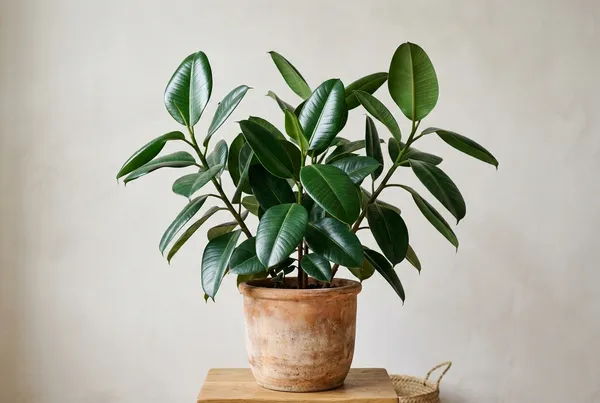
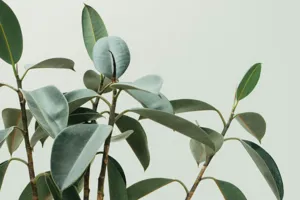
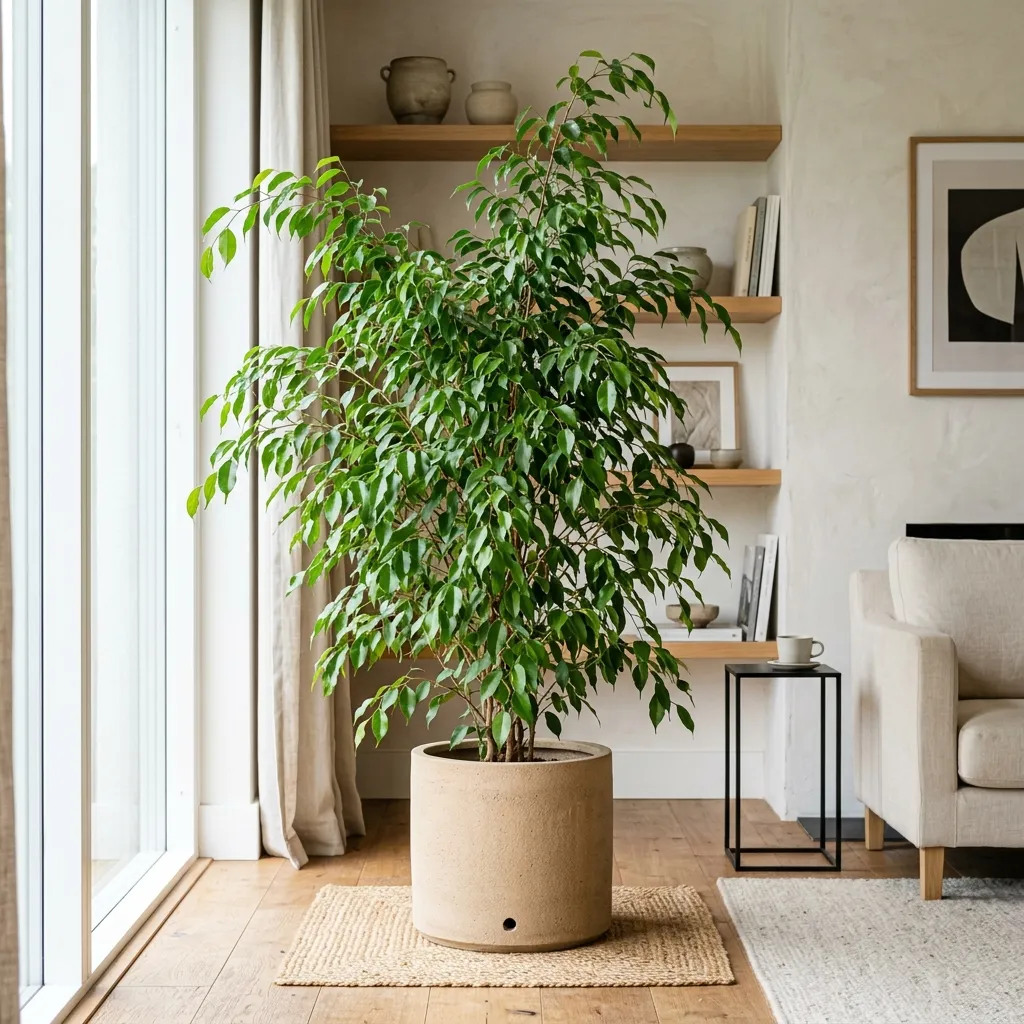
The Weeping Fig (Ficus benjamina), also known as the Benjamin Fig, is one of the most popular indoor trees and landscape ornamentals across the globe. Native to tropical and subtropical regions of Asia and Australia, it is recognized for its slender, gracefully arching branches and dense canopy of glossy, teardrop-shaped leaves with distinctive "drip tips." In interior spaces, it adds vertical elegance and structure while filtering airborne toxins, though it is famously sensitive to sudden environmental shifts.
Growing & Care Guide
1. Light & Placement
Ficus benjamina prospers in abundant, bright indirect sunlight and can easily tolerate a few hours of gentle morning sun. Avoid placing it in deep shade, which leads to sparse foliage, or under harsh, direct midday summer sun, which can bleach and scorch the leaves. Choose a permanent, draft-free location; Weeping Figs react strongly to being relocated and will drop a significant portion of their leaves if moved abruptly.
2. Potting Soil & Substrate
A fertile, lightweight, and well-aerated potting mix is essential to support robust root health while preventing fungal stagnation. Use a blend of 40% high-grade potting soil, 30% coco peat or peat moss, 20% coarse perlite or pumice, and 10% well-aged vermicompost. Aim for a slightly acidic to neutral pH between 6.0 and 6.8, ensuring the pot has ample drainage outlets.
3. Watering Routine & Hydration Balance
Maintain an even, moderate watering routine. Allow the top 2 to 3 inches of potting medium to dry out completely before soaking the soil thoroughly until water drains freely from the base. Never let the pot sit in stagnant runoff water inside a decorative saucer. Under-watering results in dry, brittle leaf shedding, while chronic overwatering leads to yellowing leaves and insidious root rot.
4. Temperature & Humidity Needs
Keep ambient temperatures consistently between 18°C and 29°C (65°F–85°F), never allowing indoor temperatures to drop below 15°C (59°F). Protect the tree from cold window drafts, direct heat registers, and blasts from air conditioning units. Maintain indoor relative humidity levels around 50% to 60%; mist the canopy regularly during dry seasons or place a room humidifier nearby to prevent leaf crisping.
5. Feeding & Nutrient Requirements
Weeping Figs are moderate-to-heavy feeders during periods of active growth. Feed every 3 to 4 weeks throughout the spring and summer using a balanced water-soluble houseplant fertilizer (such as an NPK 10-10-10 or 20-20-20 formula) diluted to half strength. Suspend fertilization during autumn and winter when vegetative growth naturally slows.
Pruning, Shaping & Repotting
Pruning & Topiary Training
Prune in early spring before the active growth flush to shape the canopy, thin out crowded interior branches, and encourage bushier foliage. Use clean, sharp bypass pruners to cut just above an outward-facing leaf node. Note: Like all ficus species, pruning releases a milky white latex sap that can cause mild skin irritation—wear gloves while shaping.
Repotting Routine
Weeping Figs perform well when slightly root-bound. Repot every 2 to 3 years in late spring, moving up to a container that is 2 to 3 inches larger in diameter. For mature, large indoor trees that are difficult to move, top-dress annually by carefully scraping off the upper 2 inches of old soil and replacing it with fresh, nutrient-rich compost mix.
Troubleshooting, Pests & Leaf Drop
Preventing Sudden Leaf Drop
Sudden, widespread leaf drop is the most common issue with Ficus benjamina. It is typically a stress response triggered by sudden changes in light levels, relocating the pot, exposure to cold drafts, or erratic watering cycles. If your plant sheds leaves after being moved, keep conditions stable and avoid panic-watering; healthy new foliage will regenerate once the tree acclimates.
Pest Management & Pet Safety
Inspect the undersides of leaves and branch crotches regularly for common pests like scale insects, spider mites, mealybugs, and thrips. Treat outbreaks early by washing the foliage with a warm water spray and applying organic neem oil or insecticidal soap every 7 to 10 days. Toxicity Warning: The sap of Ficus benjamina contains toxic ficin and ficusin compounds that cause gastrointestinal upset and dermal irritation in cats and dogs if chewed.
Troubleshooting & Diagnostics Guide
1 Why is my Ficus Benjamina dropping leaves?
Diagnosis: Environmental stress – change in light, drafts, or over/underwatering
Treatment: Keep in stable location; maintain consistent watering; avoid moving.
Prevention: Avoid relocating; keep away from vents and drafts.
2 Why are the leaves turning yellow and falling?
Diagnosis: Overwatering – root rot
Treatment: Allow soil to dry; reduce watering; check for root rot.
Prevention: Water when top inch is dry.
3 Why are the leaves getting brown, crispy edges?
Diagnosis: Low humidity or fluoride toxicity
Treatment: Increase humidity; use filtered water; trim affected edges.
Prevention: Maintain moderate humidity and use purified water.
Authoritative Resources
For additional peer-reviewed information on plant diseases, toxicity, and care, consult these trusted botanical and agricultural extensions:
Frequently Asked Questions
How often should I water a Weeping Fig?
How much light does a Weeping Fig need?
Why are my Weeping Fig leaves falling off?
Why are the leaves of my Weeping Fig turning yellow?
Why are my Weeping Fig leaves turning brown?
Does a Weeping Fig need high humidity?
Why is my Weeping Fig not growing?
How often should I fertilize a Weeping Fig?
When should I repot my Weeping Fig?
Can Weeping Fig grow indoors?
How do I propagate a Weeping Fig?
Is Weeping Fig toxic to cats and dogs?
Why are my Weeping Fig leaves curling?
Why does my Weeping Fig have sticky leaves?
How do I prevent leaf drop after moving a Weeping Fig?
How big does a Weeping Fig get indoors?
Explore More