Hibiscus Care Guide: How to Get Continuous Tropical Blooms Year-Round
Stunning tropical shrubs known for their large, colorful, trumpet-shaped flowers. Master their need for high potassium and deep watering to achieve continuous blooms.
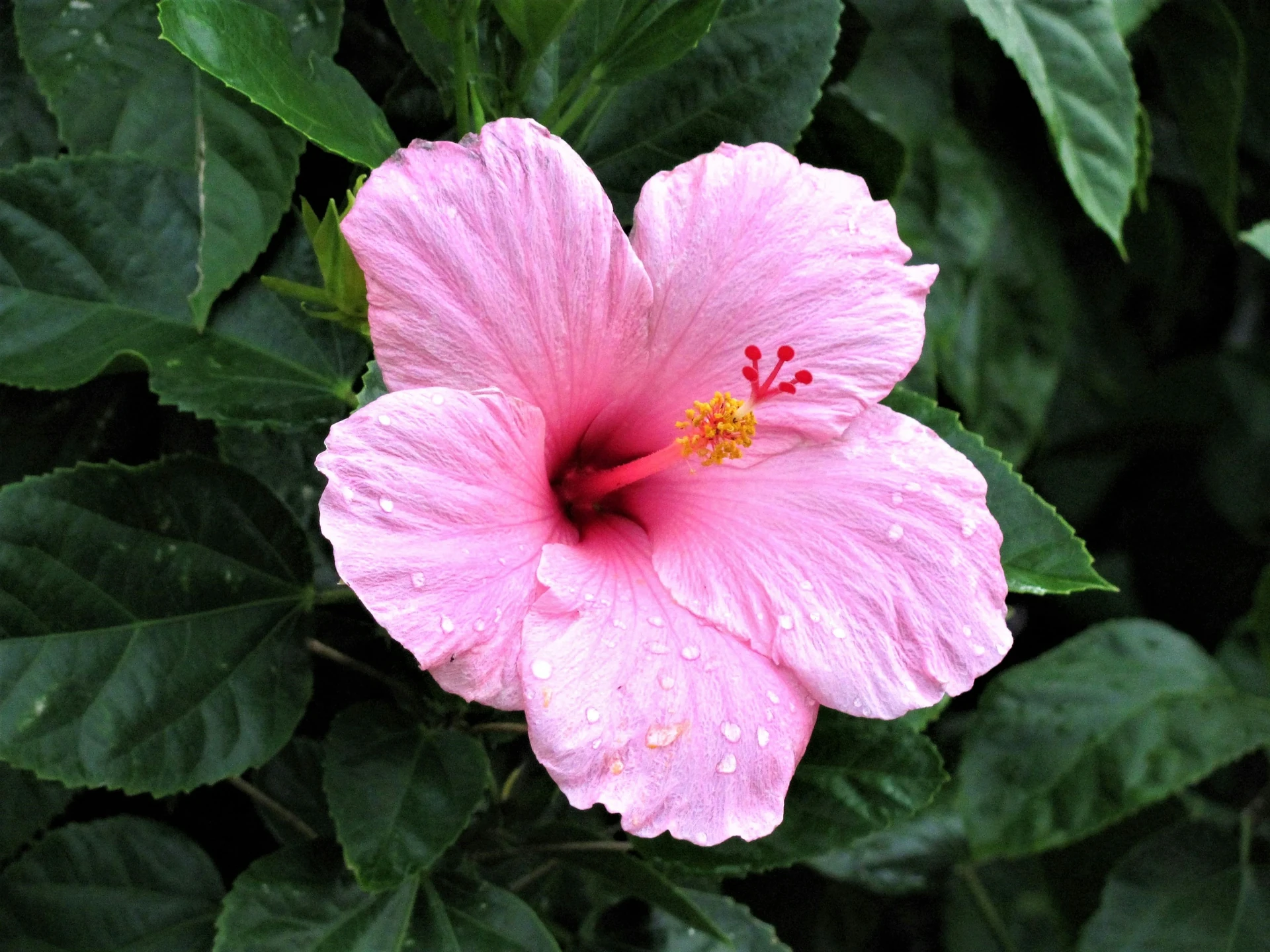
-
Difficulty
moderate
-
Light
Requires abundant direct sunlight to produce maximum blooms.
-
Temperature
65-85°F (18-29°C)
-
Growth
fast
-
Humidity
50-70%
-
pH range
6.0-6.8
-
Biggest Owner Mistake
Underwatering—indoor hibiscus has a large leaf area that loses moisture rapidly, and even brief drought causes yellow leaves and the plant to drop developing buds before they can open. It needs consistently moist (not soggy) soil and regular watering throughout the growing season.
-
What Nobody Tells You
It needs a genuine winter rest with cooler temperatures (55–60°F) and reduced water to trigger the following year's bloom cycle—keeping it warm and well-watered year-round produces abundant foliage but very few flowers. Many owners don't realize their non-blooming plant just needs a cold rest.
-
Real Home Conditions
In dry indoor air, spider mite populations establish themselves on the undersides of leaves extremely quickly—sometimes within days of bringing the plant indoors. Daily misting of the foliage (not flowers) or a humidifier running nearby is the most reliable deterrent.
Quick Answer
To successfully grow Hibiscus, provide at least 6-8 hours of direct sunlight, water deeply and consistently, and feed regularly with a high-potassium, low-phosphorus fertilizer. Never let container-grown plants dry out completely during the intense summer heat. Our experience shows that providing a stable environment helps the plant establish a strong root system faster.
Key Takeaways
- Provide 6 to 8 hours of direct, unfiltered sunlight daily for prolific blooming.
- Maintain consistent moisture, watering container plants daily during summer heat.
- Feed with a high-potassium, low-phosphorus fertilizer blend during the growing season.
- Bring potted tropical varieties indoors before autumn temperatures drop below 10°C (50°F).
Overview
Hibiscus are famous for their large, showy, trumpet-shaped flowers that bring a vibrant, tropical feel to any garden or patio. The genus includes both tender tropical varieties (Hibiscus rosa-sinensis), which require warm weather year-round, and hardy varieties (like Hibiscus moscheutos), which can survive freezing winter temperatures.
With their prominent stamens and vivid petals, these plants are also excellent for attracting pollinators like butterflies and hummingbirds to your outdoor spaces.
- Tropical hibiscus feature glossy, deep green leaves and bloom continuously in warm weather.
- Hardy hibiscus die back to the ground in winter but return in spring with massive, dinner-plate-sized flowers.
- The flowers of most hibiscus last only a single day, but a healthy plant will produce new blooms constantly.
Light and Placement
For maximum flower production, hibiscus requires full, direct sun. They need a minimum of 6 to 8 hours of sunlight per day. If placed in the shade, the plant will grow tall and leggy, producing dark green leaves but very few flowers.
If growing indoors, place the plant in the brightest south-facing or west-facing window you have, or use a strong LED grow light.
Watering Strategy
Hibiscus are thirsty plants, especially when blooming. During hot summer months, a tropical hibiscus grown in a container may need to be watered every single day. The goal is to keep the soil consistently moist but never soggy or waterlogged.
Water deeply until it runs out the bottom of the pot, then wait until the top inch of soil feels dry before watering again. Do not let the plant wilt severely, as this will cause it to drop its flower buds.
Soil and Potting Mix
These shrubs require rich, well-draining soil that is slightly acidic (pH 6.0 to 6.8). A high-quality commercial potting mix amended with a handful of perlite or pumice for drainage and some compost for organic matter works perfectly.
Avoid heavy garden soils in containers, as they will compact and smother the root system.
Fertilizer and Nutrients
Proper fertilization is the secret to a blooming hibiscus. Unlike many flowering plants that prefer high-phosphorus 'bloom boosters', hibiscus are sensitive to phosphorus and can suffer from toxicity if it builds up in the soil.
Use a fertilizer that is high in potassium, moderate in nitrogen, and low in phosphorus (e.g., an N-P-K ratio of 17-5-24). Feed the plant every two weeks with a diluted liquid fertilizer during the active growing season.
Common Problems and Troubleshooting
Yellowing leaves are the most common complaint and are usually a sign of an inconsistent watering schedule (too dry, then too wet). Ensure the pot has adequate drainage holes.
Pests are also drawn to the lush foliage. Keep an eye out for aphids on the new growth and spider mites under the leaves, especially in hot, dry weather. A strong blast of water from the hose or a treatment of Neem oil will resolve most pest issues.
Calculator
Interactive Calculators for Hibiscus
Recommended next actions
Next Best Actions
Use calculators and guides to turn this plant profile into a practical care routine.
Topic Guide
Fertilizer
Learn everything about fertilizer for your indoor and aquarium plants. Expert care tips, troubleshooting, and related guides.
Calculator
Plant Light Calculator: Find the Best Window for Your Plant
Determine the ideal indoor light placement for your plant based on species, window direction, and seasonal light availability.
Topic Guide
Watering
Learn everything about watering for your indoor and aquarium plants. Expert care tips, troubleshooting, and related guides.
Guide
Heatwave Plant Protection Guide: Survive Extreme Heat
After managing commercial nurseries through intense triple-digit summers for over 15 years, we have developed proven, lifesaving strategies to protect fragile houseplants and vulnerable outdoor gardens from extreme heatwaves.
Topic Guide
Aphids
Learn everything about aphids for your indoor and aquarium plants. Expert care tips, troubleshooting, and related guides.
Structured Plant Data
Plant Data Profile
The following data is extracted directly from our botanical knowledge graph for accuracy and transparency.
Growth Characteristics
Growth Rate
fast
Mature Height
4-10 feet (Tropical), 3-12 feet (Hardy/Shrub)
Mature Spread
3-8 feet
Life Cycle
Perennial (Tropicals grown as annuals in cold zones)
Flowering Season
Summer to Fall (Year-round in tropical climates)
Container Friendly
yes
Indoor Capable
yes (requires very bright light and high humidity)
Environmental Parameters
| Parameter | Recommended | Survivable |
|---|---|---|
| Temperature | 65-85°F (18-29°C) | 50-95°F (10-35°C) for tropical varieties |
| Humidity | 50-70% | 40-80% |
| Soil PH | 6.0-6.8 | 5.5-7.5 |
Lighting
Description
Requires abundant direct sunlight to produce maximum blooms.
Nutrients
Nitrogen Demand
medium
Phosphate Demand
low
Potassium Demand
high
Micronutrient Notes
Hibiscus require high potassium for flower production and are sensitive to excess phosphorus, which can bind to other minerals and cause deficiencies.
Fertilizer Frequency
Every 2 weeks with a water-soluble fertilizer during the active growing season.
Organic Options
Kelp meal or liquid seaweed for a potassium boost.
Relationships
-
Sunlight
Requirement | Strength 10
Without sufficient direct sun, Hibiscus will produce lush foliage but very few, if any, flowers.
-
Aphids
Vulnerability | Strength 8
Hibiscus are highly prone to aphids and spider mites, especially when stressed by dry air.
-
Phosphorus Toxicity
Vulnerability | Strength 9
High-phosphorus 'bloom booster' fertilizers can actually harm Hibiscus, leading to yellow leaves and decline.
Hibiscus Type & Characteristic Comparison
| Type | Foliage | Winter Tolerance | Flower Lifespan |
|---|---|---|---|
| Tropical (Rosa-sinensis) | Glossy, dark green | Dies at freezing (Must be brought indoors) | 1-2 days |
| Hardy (Moscheutos) | Dull green, heart-shaped | Dies to ground, roots survive deep freezes | 1-2 days (massive size) |
| Rose of Sharon (Syriacus) | Smaller, lobed leaves | Woody shrub survives freezing winters | 1-2 days |
Energy & Mindful Placement
Placement & Ancient Wisdom
In Vastu Shastra, red Hibiscus is considered highly auspicious and is associated with positivity and power. Placing it in the North or East direction invites prosperity and a vibrant energy flow.
Best Directions
North, East
Best Rooms
Garden, Balcony, Entrance
Light Range
Full Sun
Care Profile
Moderate | Pet safe | Best for outdoor support
Common Goals
Reference: https://www.rhs.org.uk/plants/hibiscus
Troubleshooting & Diagnostics Guide
1 Yellow leaves
Diagnosis: Overwatering, poor drainage, or sudden temperature drops
Treatment: Check soil moisture; ensure the pot is draining properly. Protect from cold drafts.
Prevention: Maintain optimal care conditions.
2 Bud drop before opening
Diagnosis: Drought stress, extreme heat, or thrips
Treatment: Water more consistently. During extreme heat waves, provide afternoon shade. Check for tiny insects inside buds.
Prevention: Maintain optimal care conditions.
3 Lots of leaves, no flowers
Diagnosis: Not enough sunlight or fertilizer has too much nitrogen/phosphorus
Treatment: Move to full sun. Switch to a high-potassium fertilizer specifically designed for hibiscus.
Prevention: Maintain optimal care conditions.
4 Webbing under leaves, stippled foliage
Diagnosis: Spider mites
Treatment: Spray foliage with a strong stream of water to dislodge mites, then treat with insecticidal soap or neem oil.
Prevention: Maintain optimal care conditions.
Authoritative Resources
For additional peer-reviewed information on plant diseases, toxicity, and care, consult these trusted botanical and agricultural extensions:
Glossary of Terms
- Bracts
- Modified leaves that look like petals, though in Hibiscus, the showy parts are true petals.
- Chlorosis
- A condition in which leaves produce insufficient chlorophyll, causing yellowing. In Hibiscus, this can be triggered by phosphorus toxicity binding up iron.
- Stamen
- The pollen-producing reproductive organ of a flower, which is highly prominent and fused into a central column in Hibiscus.
Frequently Asked Questions
Are hibiscus flowers safe for pets?
Does hibiscus need direct sunlight?
Can I grow tropical hibiscus in a pot?
What is the best fertilizer for a hibiscus plant?
Why are my hibiscus leaves turning yellow?
Why are the flower buds dropping off before they open?
How do I overwinter my tropical hibiscus?
How often should I water my outdoor potted hibiscus in summer?
Sources & References
-
Source: extension.umn.edu
-
Source: rhs.org.uk
Explore More