Plant Heat Stress Calculator: Diagnose the Risk to Your Plant
Diagnose plant heat stress risk from your temperature, humidity, sunlight exposure, and symptoms — then get specific watering, shade, and airflow actions.
Quick Answer
This tool combines temperature, humidity, sun duration, and symptom timing to estimate stress severity. Use the result to adjust watering timing, shade level, and airflow safely.
Enter your details
Enter your details below to generate a custom recommendation.
Recommended Output
Heat Stress Level
Caution: Immediate Action Plan
Confidence
Root-Zone Check
The Problem
Plants may wilt, curl, or yellow in heat even when watered. Without a clear diagnosis flow, growers often overwater stressed roots or miss direct heat exposure as the trigger.
When to Use This Tool
Use this calculator during heat waves, after plant relocation to brighter exposure, or when leaves show midday stress patterns.
Who is this for?
- Home growers managing hot summers or balcony heat buildup
- Gardeners in tropical, temperate, and arid climates
- Plant owners troubleshooting sudden midday wilting
How This Diagnosis Works
This calculator organizes key climate and symptom signals that growers can verify quickly: temperature load, humidity pressure, direct sun duration, and symptom timing. The goal is practical triage, not guesswork.
Use the Result Safely
For moderate to severe heat stress, prioritize early-morning watering, temporary shade during peak hours, and airflow improvements before increasing fertilizer. Reassess after 48-72 hours using fresh observations.
Global Climate Note
Heat response differs by region, season, and plant type. Use this as a baseline and adjust by container size, substrate drainage, and local microclimate such as balcony reflection, rooftop heat, or enclosed courtyards.
Visual Diagnosis: Heat Scorch vs Normal Wilting
Before moving your plant or flooding the soil, compare your plant's symptoms against these natural, photorealistic visual benchmarks to confirm severe heat stress versus normal afternoon drooping.
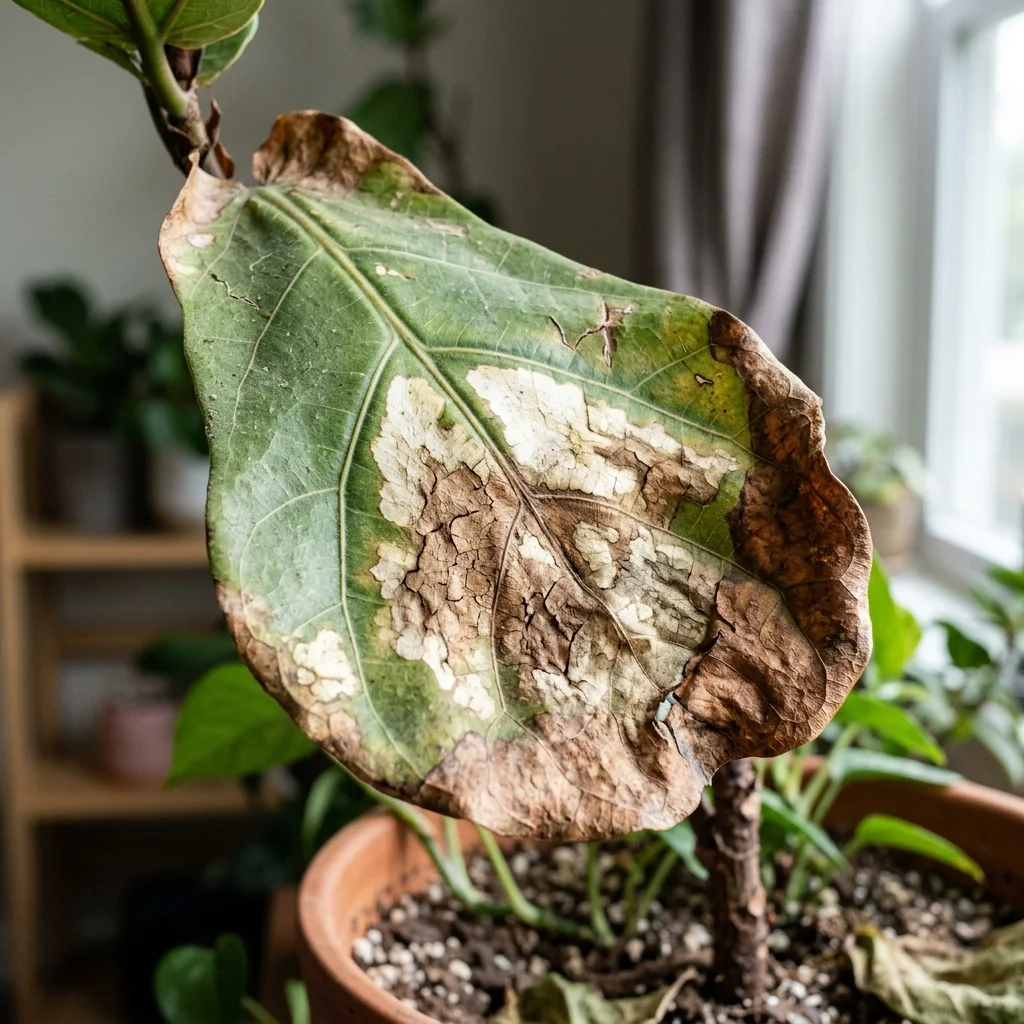
Severe Heat Scorch: Look for bleached, white or yellowed patches right in the center of the leaves, accompanied by completely dried out, crispy edges where the tissue has died from UV exposure.
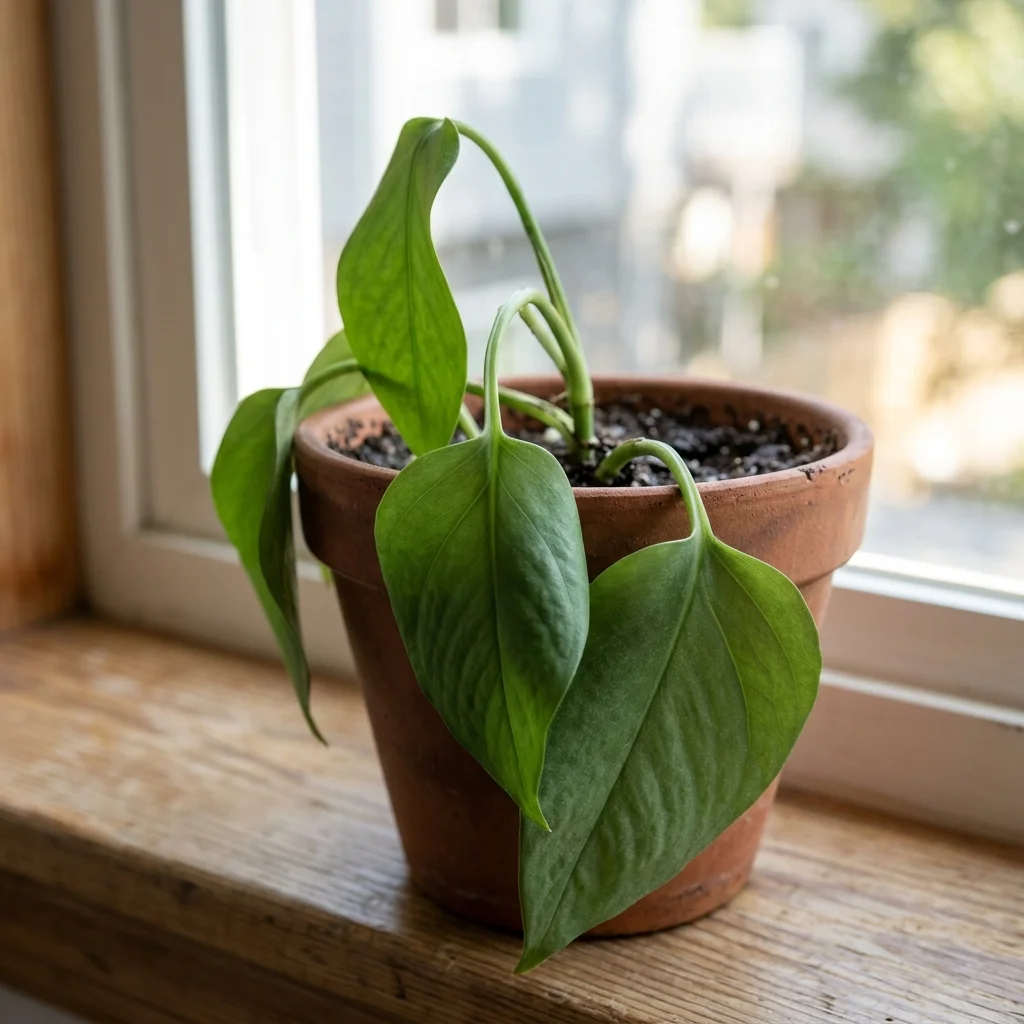
Normal Wilting: If the plant is wilting (drooping, soft green leaves) but shows absolutely no crispy edges or discoloration, it is likely a natural afternoon response or simple underwatering.
Recommended next actions
Next Best Actions
Use the result in a real care workflow with plant profiles, guides, and personalized quizzes.
Heat Stress Severity and Response
| Severity | Typical Signals | First Action | Review Window |
|---|---|---|---|
| Low | Light midday droop only | Early-morning watering check | 24 hours |
| Moderate | Leaf curl and repeated wilt | Shade plus humidity support | 48 hours |
| High | Scorch, all-day wilt, slow recovery | Reduce heat exposure and inspect roots | 48-72 hours |
Troubleshooting & Diagnostics Guide
1 Midday wilt with evening recovery
Diagnosis: High transpiration demand and direct heat load
Treatment: Shift watering to early morning and add temporary shade in peak sun hours.
2 Leaf curl and crisp edges
Diagnosis: Low humidity combined with strong direct sunlight
Treatment: Increase humidity support and reduce afternoon direct exposure.
3 Persistent wilt in wet soil
Diagnosis: Root-zone oxygen stress or drainage issues
Treatment: Pause frequent watering, improve drainage, and inspect root health.
Glossary of Terms
- Heat Load
- Total stress imposed by high air temperature, direct radiation, and surrounding surfaces.
- Root-Zone Oxygen Stress
- Reduced oxygen around roots, often caused by saturated or compact substrate during heat.
Frequently Asked Questions
Is this diagnosis tool accurate for all plant types?
Can I use this for outdoor garden plants too?
Why does the calculator ask about my soil's moisture?
Should I mist my plants to cool them down?
Does high humidity make heat stress worse?
My plant wilted midday but looks fine now — should I worry?
Why did my plant get crispy edges after I moved it outside?
How long does it take for a plant to recover from heat stress?
Scientific References
-
Source: frontiersin.org
-
Source: ncbi.nlm.nih.gov
Reader Feedback
Feedback from PlantSolve readers who have used this guide. (1 review)
Sarah T.
London, UK
Incredibly helpful tool
This calculator really helped me understand my plant's needs! Highly recommended.