How to Grow Lavender: The Complete Guide from Planting to Pruning
Learn how to grow lavender successfully indoors and outdoors, with practical guidance on sunlight, drainage, watering, pruning, propagation, containers, flowering, winter care, and common problems.
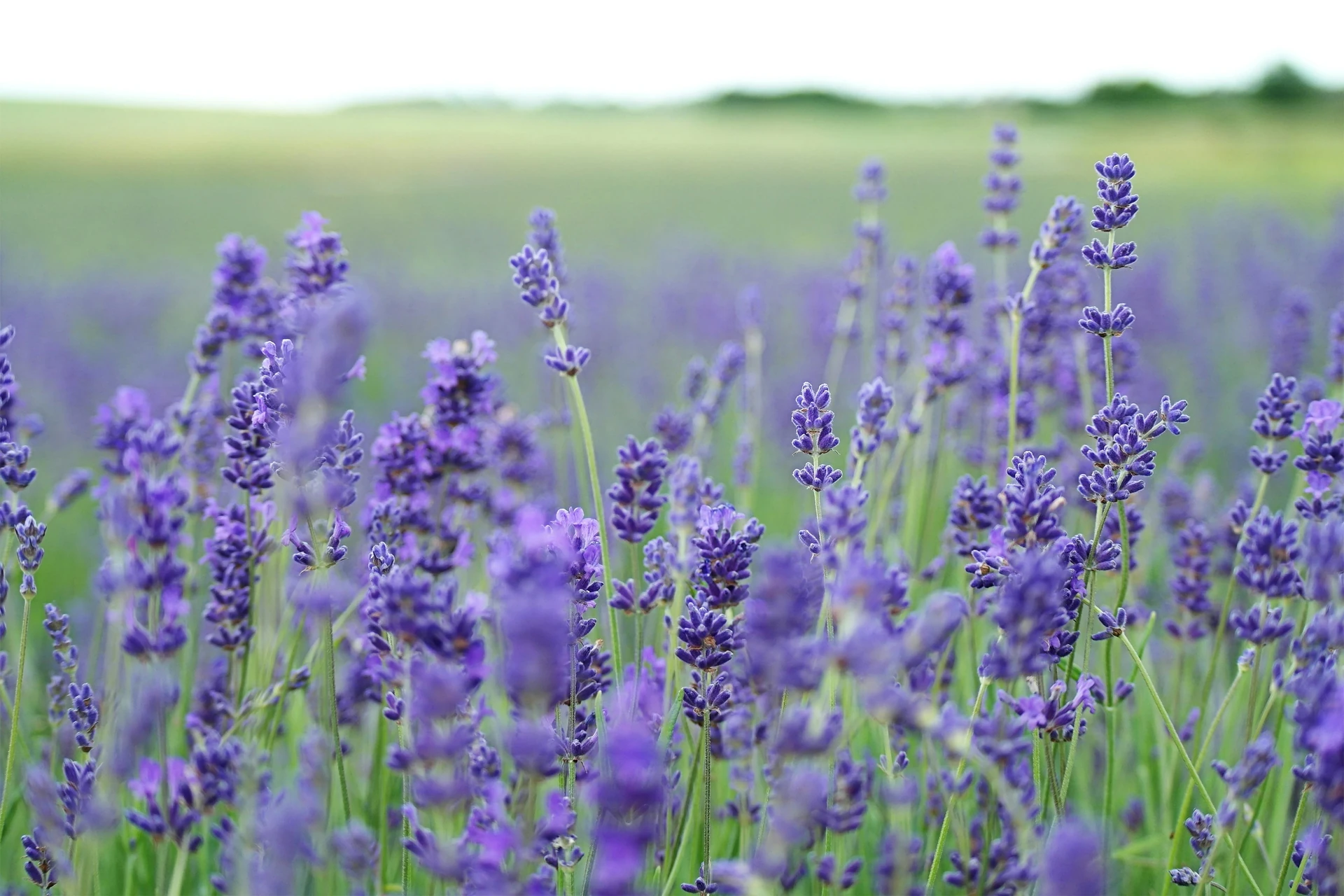
Quick Answer
Lavender grows best in full sun, fast-draining soil, good airflow, and relatively dry conditions once established. Give it at least 6 hours of direct sunlight, avoid consistently wet soil, use light fertilization, and prune after flowering without cutting into old woody stems. Choose lavender varieties according to your climate, especially when winter hardiness matters. For containers, use a pot with excellent drainage and a fast-draining growing medium.
Key Takeaways
- Lavender grows best in conditions that resemble its Mediterranean origins: full sun, fast-draining soil, good airflow, and relatively dry conditions once established.
- Provide at least 6 hours of direct sunlight daily, with 6–8 hours or more generally supporting compact growth and strong flowering.
- Avoid consistently wet soil; let it dry between waterings, then water deeply.
- Excellent drainage is essential — raised beds or containers help in heavy soil.
- Prune after flowering to maintain a compact shape, but avoid cutting deeply into old, leafless woody stems because lavender does not reliably regenerate from old.
Quick Facts
- Botanical name Lavandula spp.
- Light Full sun; aim for 6–8+ hours of direct sunlight daily
- Soil Fast-draining, relatively lean soil; avoid waterlogged conditions
- Soil pH Neutral to slightly alkaline conditions are generally suitable
- Watering Water deeply when needed, then allow the soil to dry between waterings
- Fertilizer Light feeding is usually sufficient; avoid excessive nitrogen
- Humidity Good airflow and dry foliage are important, especially in humid climates
- Flowering Typically flowers from late spring through summer, depending on species, cultivar, and climate
- Pruning Prune after flowering while avoiding deep cuts into old, leafless woody growth
- Propagation Semi-hardwood or semi-ripe cuttings are a reliable propagation method
- Container growing Suitable for containers when drainage is excellent and the growing medium is fast draining
- Cold tolerance Varies considerably by species and cultivar; English lavender is generally among the hardier types
- Drought tolerance Good once established, provided the plant is grown in well-drained soil
- Pet safety Toxic to dogs, cats, and horses if ingested
What Should I Do?
Your lavender is growing in a sunny location with at least 6 hours of direct sunlight and the soil drains quickly.
Your garden soil is heavy clay or stays wet after rain.
Your lavender receives less than 6 hours of direct sunlight and has become tall, weak, or produces few flowers.
Your lavender has yellowing or drooping foliage while the soil remains consistently wet.
You live in a humid or rainy climate.
You live in a cold-winter climate and want lavender to remain outdoors.
You live in a mild climate and want to grow French or Spanish lavender.
You want to grow lavender in a container.
Your lavender has finished flowering.
Your lavender has become woody or developed an open center.
Your lavender produces plenty of foliage but few flowers.
You see gray fungal growth or affected plant material around the stems or foliage.
You want to reproduce a lavender plant while preserving the characteristics of the parent plant.
You want lavender that is more likely to tolerate cold winters.
You have dogs, cats, or horses that can access the lavender.
You are considering adding fertilizer because your lavender is flowering poorly.
Choosing the Right Lavender for Your Growing Conditions
| Lavender type | Best suited to | Winter hardiness | Key considerations | Recommended choice |
|---|---|---|---|---|
| English lavender (Lavandula angustifolia) | Cooler climates, sunny borders, herb gardens, containers, and general garden use | Generally among the hardier lavender types | Requires excellent drainage and can struggle in cold, waterlogged soil | Strong starting choice when winter hardiness is a priority |
| Lavandin hybrids (Lavandula × intermedia) | Sunny borders, larger plantings, fragrance-focused gardens, and areas needing vigorous plants | Often hardy, but varies by cultivar | Needs full sun and fast-draining soil; verify the specific cultivar's hardiness | Good choice when a larger, vigorous lavender is desired |
| French lavender (Lavandula dentata) | Mild climates and containers | More tender than English lavender | Protect from severe cold and avoid cold, wet winter conditions | Choose for mild climates or where winter protection is available |
| Spanish lavender (Lavandula stoechas) | Warm, sunny gardens and containers | Generally more cold-sensitive than English lavender | Requires excellent drainage and protection from severe winter conditions | Best for mild climates or protected container growing |
Unlocking the Secrets of Mediterranean Herbs
If you want to grow healthy, long-lived lavender, the key is to recreate the conditions in which these Mediterranean plants naturally thrive: abundant sunlight, excellent drainage, good airflow, and relatively dry conditions once established. Lavender (Lavandula) is valued for its fragrant foliage, purple flowers, and tolerance of dry conditions, but it can struggle when grown in heavy, wet soil or insufficient light. Understanding its core requirements makes it much easier to maintain compact growth, reliable flowering, and healthy roots.
Essential Care Requirements
Temperature
Lavender generally performs best in warm, sunny conditions with good air circulation, but temperature tolerance varies considerably by species and cultivar. English lavender and some lavandin hybrids are among the more cold-hardy types, while many French and Spanish lavenders are more sensitive to severe winter cold. In cold climates, choose a cultivar suited to your local hardiness zone and prioritize excellent drainage during winter.
Humidity
Lavender generally performs best when foliage and the root zone are not kept persistently wet. In humid or rainy climates, good spacing, airflow, full sun, and excellent drainage are especially important because prolonged moisture can increase the risk of fungal problems. Avoid dense planting and conditions that keep foliage wet for extended periods.
Light
Lavender grows best in full sun. Aim for at least 6 hours of direct sunlight daily, with 6–8 hours or more generally supporting compact growth, strong flowering, and good fragrance. Plants grown in insufficient light can become leggy, produce fewer flowers, and develop weaker stems.
Watering
The golden rule for lavender is to avoid consistently wet soil. Water deeply when the plant needs moisture, then allow the growing medium to dry before watering again. Newly planted lavender generally needs more regular watering while establishing, while established plants can tolerate periods of dry soil when grown in well-drained conditions. Container plants usually require more frequent moisture checks because their growing medium dries faster.
Soil
Lavender needs exceptionally well-drained soil and generally performs well in neutral to slightly alkaline conditions. Heavy clay or moisture-retentive soil can create serious root problems. Where drainage is poor, consider a raised bed, mound, berm, or container filled with a fast-draining growing medium rather than relying on frequent soil amendments alone.
Fertilizer Needs
Lavender is adapted to relatively lean, well-drained soils and generally does not require heavy fertilization. Excess nitrogen can encourage soft vegetative growth at the expense of compact growth and flowering. If soil fertility is poor, use a light, appropriate amendment rather than relying on frequent heavy feeding. Healthy lavender should not need aggressive fertilization to produce flowers.
Propagation Guide for Lavender
Lavender can be propagated from cuttings, which is particularly useful when you want new plants with the same characteristics as a selected parent plant. Semi-ripe or semi-hardwood cuttings are commonly used because they can root while retaining the characteristics of the parent.
- Take a healthy cutting from a suitable non-flowering side shoot.
- Remove the lower leaves while leaving healthy foliage toward the tip.
- If desired, apply a suitable rooting hormone according to the product instructions.
- Place the cutting in a clean, fast-draining propagation medium such as a suitable mix containing perlite, coarse sand, or another drainage material.
- Keep the medium lightly moist rather than saturated and provide bright, indirect light while the cutting develops roots.
Rooting time varies with temperature, cultivar, cutting condition, and growing environment, so monitor the cutting rather than relying on a fixed number of weeks.
Repotting Guide for Container Lavender
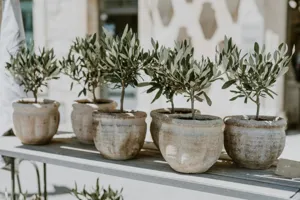
Lavender grows well in containers when the pot has adequate drainage and the growing medium does not retain excessive moisture. Unglazed terracotta can be useful because it allows the growing medium to dry more quickly, but it is not essential. When repotting, move the plant into a slightly larger container rather than dramatically increasing the pot size. Use a fresh, fast-draining growing medium and avoid mixes designed to retain large amounts of moisture.
Container lavender should be checked regularly because pots can dry faster than surrounding garden soil. At the same time, avoid watering on a fixed schedule if the growing medium is still wet.
Choosing the Right Lavender
Different lavender types suit different climates and growing situations. English lavender (Lavandula angustifolia) is generally among the more winter-hardy options and is a strong choice for cooler climates. Lavandin hybrids (Lavandula × intermedia) are vigorous plants that can work well in sunny borders and larger plantings. French and Spanish lavender types are generally more cold-sensitive and are better suited to mild climates or protected container growing where severe winter temperatures are a concern.
Because hardiness varies among cultivars, always check the specific plant label or cultivar information when selecting lavender for a particular climate.
Toxicity Warning
Lavender can be used in certain culinary and traditional applications, but ingestion of lavender or concentrated lavender products can cause adverse effects. ASPCA lists lavender as toxic to dogs, cats, and horses and reports gastrointestinal signs among possible effects. Keep pets from consuming lavender or concentrated lavender products and contact a veterinarian if significant ingestion occurs.
Common Problems & Solutions
- Woody, open centers can develop when lavender is not pruned regularly. After flowering, trim suitable green growth by roughly one-third to maintain a compact shape, but avoid cutting into old, leafless woody stems.
- Drooping or yellowing lower foliage combined with persistently wet soil is a strong warning sign that watering or drainage needs attention. Check the root zone and drainage before increasing irrigation.
- Gray fungal growth or infected plant material can develop when moisture and poor airflow persist. Improve spacing and ventilation, reduce prolonged wetness, and remove affected plant material where appropriate.
- Poor flowering can result from insufficient direct sunlight, excessive nitrogen, unsuitable pruning, plant age, cultivar characteristics, or other growing conditions. Check light and fertilizer practices first.
Pruning Lavender
Pruning helps lavender maintain a compact, attractive form and reduces the development of excessively woody, open growth. Prune after flowering by removing spent flower stems and trimming suitable green growth. Avoid cutting deeply into old, leafless woody stems because lavender does not reliably regenerate from old wood. Regular, moderate pruning is preferable to severe cutting.
Growing Lavender in Different Climates
Lavender can be grown successfully in many climates when the planting site is adapted to its needs. In hot, dry climates, focus on drainage and avoid unnecessary irrigation. In humid or rainy climates, prioritize airflow, spacing, full sun, and rapid drainage. In cold climates, choose a suitably hardy cultivar and protect the plant from prolonged winter wetness. Container growing can be useful when you need greater control over drainage or winter protection.
Harvesting Lavender
For fragrant flowers, harvest when the flower spikes have developed but before the blooms are fully spent. Cut flower stems with clean, sharp tools and avoid removing excessive foliage from the plant. Harvest timing can vary depending on whether the flowers are intended for fresh arrangements, drying, culinary use, or fragrance.
Recommended next actions
Next Best Actions
Move from reading to action with related calculators, plant profiles, and quiz-based recommendations.
Calculator
Sowing Calendar: When to Start Seeds Indoors & Outdoors
Find the best indoor and outdoor sowing dates for vegetables, herbs, and flowers based on your USDA Hardiness Zone and local frost dates.
Calculator
Plant Light Calculator: Find the Best Window for Your Plant
Determine the ideal indoor light placement for your plant based on species, window direction, and seasonal light availability.
Topic Guide
Watering
Learn everything about watering for your indoor and aquarium plants. Expert care tips, troubleshooting, and related guides.
Frequently Asked Questions
Can lavender survive cold winters outdoors?
Is lavender toxic to dogs or cats?
How much sunlight does lavender need?
When is the best time to prune lavender?
What is the best potting soil mix for growing lavender in containers?
How often should I fertilize my lavender plant?
Why does my lavender keep dying?
How do I adjust my watering schedule for potted lavender vs. in-ground?
Sources & References
-
Source: rhs.org.uk
Type: horticulturalReference
-
Source: aspca.org
Type: veterinarySafetyReference
Explore More