Pot Size
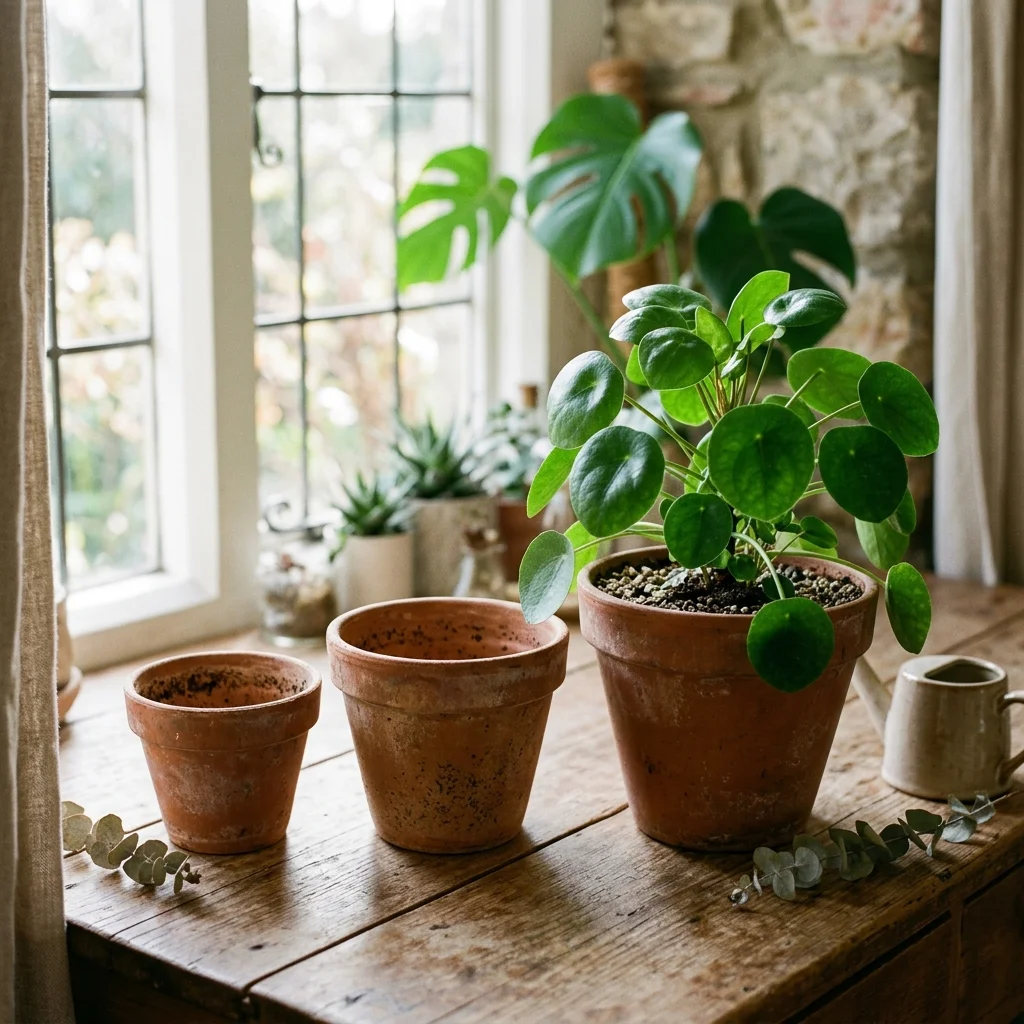
Pot size influences far more than the physical space available for a plant's roots, affecting water retention, nutrient availability, root-zone aeration, and temperature stability throughout the container. Selecting an appropriately sized container is one of the most important decisions in successful container gardening. When confined to a container that's too small, roots can begin circling the interior walls, eventually becoming rootbound and restricting access to water and nutrients. Conversely, oversized pots can hold excess moisture around underdeveloped root systems, increasing the risk of waterlogging and root rot.
Quick Answer
Pot size affects water retention, nutrient availability, root aeration, and temperature stability, not just physical space for roots. Containers that are too small cause roots to circle and become pot-bound, restricting growth. Larger pots hold more moisture and buffer environmental changes, but oversized pots can also lead to waterlogged soil around underdeveloped roots.
What Is Pot Size?
Pot size refers to the dimensions and volume of a container used to grow plants. In horticulture, pot size influences far more than the physical space available for roots. It affects water retention, nutrient availability, root-zone aeration, temperature stability, and overall plant development. Selecting an appropriate container size is one of the most important decisions in successful container gardening.
Roots perform several essential functions, including water absorption, nutrient uptake, anchorage, and storage of carbohydrates. As roots expand, they require sufficient growing space to continue developing. When confined within a container that is too small, roots can begin circling the interior walls, eventually becoming rootbound. This restricts growth, limits access to water and nutrients, and may lead to reduced vigor.
Container volume also affects the physical properties of the growing medium. Larger pots generally hold more moisture and buffer environmental fluctuations more effectively, while smaller pots dry more quickly and require closer monitoring. An oversized container, however, can remain wet for extended periods because the root system cannot utilize moisture efficiently, potentially increasing the risk of root diseases caused by poor aeration.
The goal is not to use the largest possible pot but to match container size to the plant's growth stage and root system. Proper pot sizing supports healthy root development, improves moisture management, and creates conditions that allow plants to achieve their full genetic potential.
Tools and Materials You'll Need
- Plant container: The new pot should provide adequate room for future root growth while maintaining proper drainage.
- Measuring tape: Used to measure the diameter and depth of existing and replacement containers.
- Quality potting mix: Provides structure, moisture retention, and aeration within the new container.
- Drainage tray: Collects excess water while protecting indoor surfaces.
- Hand trowel: Helps transfer growing media during repotting.
- Pruning shears: Useful for trimming damaged or circling roots when necessary.
- Watering can: Used to settle the potting mix around roots after transplanting.
- Root inspection mat: Provides a clean surface for examining the root system during repotting.
Step-by-Step: How to Apply Pot Size
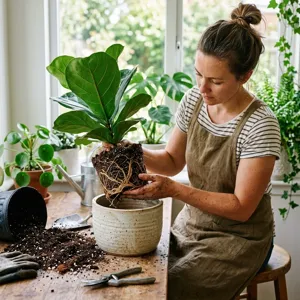
- Inspect the plant and determine whether roots are emerging from drainage holes or circling the root ball.
- Measure the current container diameter and select a replacement pot approximately 2–5 cm wider for most houseplants.
- For large specimens, increase container diameter by no more than 5–10 cm to avoid excessive unused growing media.
- Fill the bottom of the new pot with enough growing medium so the root ball sits at the same planting depth as before.
- Position the plant in the center and maintain at least 1–2 cm of space below the rim for watering.
- Backfill with potting mix and water thoroughly until excess moisture drains from the bottom.
- Monitor the plant over the next 2–4 weeks and adjust watering frequency as the larger root zone stabilizes.
Best Practices and Pro Tips
- Size Up Gradually: Increase container diameter by only 2–5 cm for most indoor plants.
- Match Root Volume: Choose containers based on root mass rather than foliage size alone.
- Prioritize Drainage Holes: Even the correct pot size performs poorly without proper drainage.
- Monitor Growth Rate: Fast-growing species may require repotting every 1–2 years.
- Consider Plant Type: Succulents often prefer tighter containers than vigorous tropical plants.
Quick Reference Table
| Factor | Recommended Range | Why It Matters |
|---|---|---|
| Pot Upgrade Size | 2–5 cm wider | Provides new root space without excessive wet soil. |
| Large Plant Upgrade | 5–10 cm wider | Supports expansion while maintaining moisture balance. |
| Watering Rim Space | 1–2 cm below rim | Prevents runoff during irrigation. |
| Repotting Frequency | Every 1–3 years | Maintains healthy root growth and media structure. |
| Root Inspection | Annually | Identifies rootbound conditions before growth declines. |
Best Plants for Pot Size
The fiddle-leaf fig (Ficus lyrata) benefits from gradual pot size increases because oversized containers can retain excessive moisture around its roots. Controlled upgrades encourage steady root expansion.
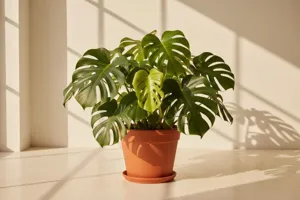
The monstera (Monstera deliciosa) develops a substantial root system and responds positively when moved into slightly larger containers as it matures. Proper sizing supports vigorous foliage growth.
The peace lily (Spathiphyllum wallisii) performs best when slightly rootbound but eventually requires larger containers to maintain flowering and foliage quality.
The pothos (Epipremnum aureum) adapts well to container culture and benefits from periodic pot upgrades that support continued root development.
The jade plant (Crassula ovata) prefers relatively snug containers and can suffer if moved into excessively large pots that remain wet for extended periods.
The snake plant (Dracaena trifasciata) often grows best when somewhat rootbound, making careful pot-size selection particularly important for long-term health.
Understanding root growth is closely linked to our Rootbound guide. Proper media selection is equally important, as explained in our Potting Mix guide. Once you know the container size, you can use our Potting Mix Calculator to estimate how much mix you need. Water management should also be adjusted after repotting, which we discuss in our Watering guide.
Common Mistakes to Avoid
- Choosing an Oversized Pot: Increasing container size by more than 10 cm can leave large volumes of unused wet media around roots. Use gradual size increases instead.
- Ignoring Drainage: Even correctly sized containers can cause problems if drainage holes are absent or blocked.
- Repotting Too Frequently: Moving plants into larger containers every few months can disrupt root establishment and slow growth.
- Waiting Too Long: Severely rootbound plants may experience reduced water uptake and nutrient deficiencies. Inspect roots annually.
- Using Pot Depth Incorrectly: Deep containers for shallow-rooted plants can retain excess moisture below the active root zone.
Frequently Asked Questions
How important is pot size for plant health?
Pot size plays a major role in root development, water management, and nutrient availability. A properly sized container allows roots to expand while maintaining an appropriate balance between moisture retention and aeration. Plants in undersized pots may become rootbound, while those in oversized containers may remain excessively wet. Selecting the correct size often improves plant performance more than many gardeners realize.
When should I move a plant to a larger pot?
Repotting is usually appropriate when roots emerge from drainage holes, circle the root ball, or when watering becomes unusually frequent because the container dries rapidly. Many houseplants benefit from inspection every year and repotting every 1–3 years depending on growth rate and species characteristics.
How much bigger should a new pot be?
For most indoor plants, a container approximately 2–5 cm wider than the existing pot is sufficient. Large specimens may tolerate increases of 5–10 cm. Gradual size increases help prevent waterlogging while still providing room for root expansion and future growth.
How do I care for a plant after repotting into a larger container?
Water thoroughly after repotting to settle the growing medium around the roots. Monitor moisture carefully during the following 2–4 weeks because the larger volume of soil may dry more slowly than before. Avoid heavy fertilization until the plant resumes active growth and shows signs of successful establishment.
Why is my plant struggling after moving to a much larger pot?
A sudden move into an oversized container often creates a root zone that remains wet longer than the plant can tolerate. Excess moisture reduces oxygen availability and may encourage root decline. If symptoms persist, evaluate drainage, adjust watering practices, and consider repotting into a more appropriately sized container if necessary.
Frequently Asked Questions
How important is pot size for plant health?
Pot size plays a major role in root development, water management, and nutrient availability. A properly sized container allows roots to expand while maintaining an appropriate balance between moisture retention and aeration. Plants in undersized pots may become rootbound, while those in oversized containers may remain excessively wet. Selecting the correct size often improves plant performance more than many gardeners realize.
When should I move a plant to a larger pot?
Repotting is usually appropriate when roots emerge from drainage holes, circle the root ball, or when watering becomes unusually frequent because the container dries rapidly. Many houseplants benefit from inspection every year and repotting every 1–3 years depending on growth rate and species characteristics.
How much bigger should a new pot be?
For most indoor plants, a container approximately 2–5 cm wider than the existing pot is sufficient. Large specimens may tolerate increases of 5–10 cm. Gradual size increases help prevent waterlogging while still providing room for root expansion and future growth.
How do I care for a plant after repotting into a larger container?
Water thoroughly after repotting to settle the growing medium around the roots. Monitor moisture carefully during the following 2–4 weeks because the larger volume of soil may dry more slowly than before. Avoid heavy fertilization until the plant resumes active growth and shows signs of successful establishment.
Why is my plant struggling after moving to a much larger pot?
A sudden move into an oversized container often creates a root zone that remains wet longer than the plant can tolerate. Excess moisture reduces oxygen availability and may encourage root decline. If symptoms persist, evaluate drainage, adjust watering practices, and consider repotting into a more appropriately sized container if necessary.
Explore More
Related Topics
Related Plant Guides
No specific plant guides found matching this topic.
Recommended next actions
Continue Exploring
Dive deeper into related plant care tools and profiles.
Topic Guide
Rootbound
Learn everything about rootbound for your indoor and aquarium plants. Expert care tips, troubleshooting, and related guides.
Topic Guide
Potting Mix
Learn everything about potting mix for your indoor and aquarium plants. Expert care tips, troubleshooting, and related guides.
Topic Guide
Watering
Learn everything about watering for your indoor and aquarium plants. Expert care tips, troubleshooting, and related guides.
Calculator
Potting Mix Calculator: Build the Perfect Soil Blend
Calculate the ideal potting mix ratios for any plant type — from moisture-loving tropicals to drought-tolerant succulents.