Rootbound
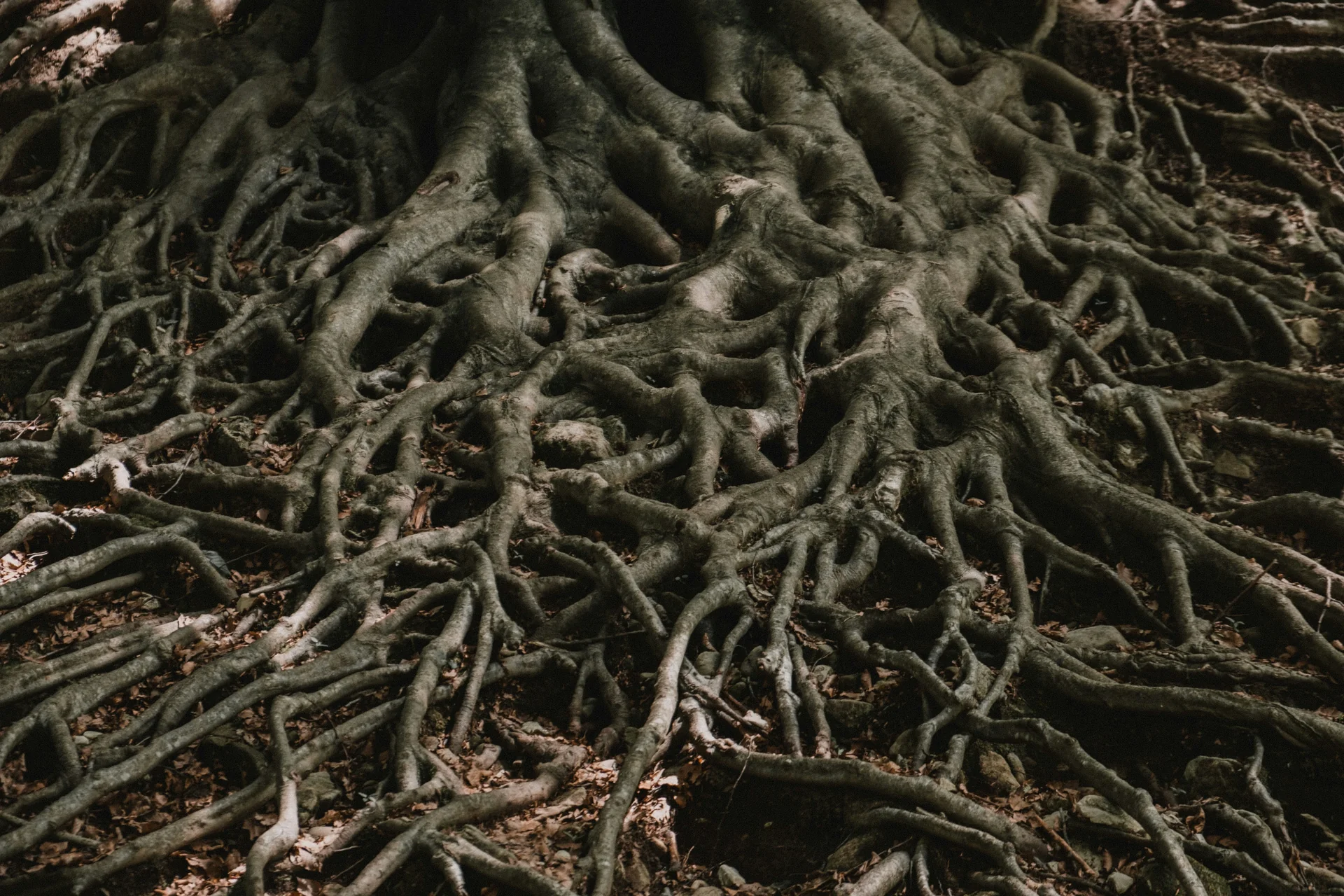
Rootbound occurs when a plant's root system outgrows the available space in its container, causing roots to encounter the pot walls and change direction, eventually circling and densely compacting within the confined volume. Over time, this creates a dense root mass that restricts water absorption, nutrient uptake, and normal development. As roots increasingly displace the growing medium, the container holds less water-retentive soil relative to root mass, causing the plant to dry out more quickly between waterings even with an unchanged watering routine, a common early sign that repotting is overdue.
Quick Answer
Rootbound describes a plant whose root system has outgrown its container, causing roots to circle and densely compact rather than continue expanding outward. This restricts water absorption, nutrient uptake, and overall growth, and soil dries out faster since roots displace water-retentive growing medium. Repotting into a larger container with loosened roots resolves the condition.
What Is Rootbound?
Rootbound is a condition that occurs when a plant's root system outgrows its container and begins circling, tangling, or densely compacting within the available space. As roots continue expanding but encounter the pot walls, they change direction and grow around the container's interior. Over time, this creates a dense root mass that can restrict water absorption, nutrient uptake, and normal plant development.
Roots require adequate space, oxygen, moisture, and access to nutrients to function efficiently. In a rootbound plant, the growing medium becomes increasingly displaced by roots, leaving less room for water retention and air-filled pore spaces. Root respiration may become less efficient, and the plant often dries out more quickly because the limited volume of soil cannot hold sufficient moisture.
The condition affects plant physiology in several ways. Water and nutrients absorbed by roots support photosynthesis in leaves and fuel new growth. When roots become severely congested, resource uptake may decline, leading to slower growth, smaller leaves, reduced flowering, and increased susceptibility to environmental stress. Some species tolerate mild root restriction, but prolonged confinement can eventually impact plant health.
Rootbound plants are particularly common among houseplants that have remained in the same container for several years. Fortunately, the problem is usually reversible through timely repotting, root inspection, and appropriate root-zone management.
Signs and Symptoms
- Roots Emerging from Drainage Holes: Roots become visible beneath the container and continue extending outward as available internal space is exhausted.
- Circling Root Mass: When removed from the pot, roots form dense spirals around the outer edge of the root ball, often creating multiple layers.
- Rapid Soil Drying: The root zone dries unusually quickly because roots occupy most of the container volume and leave little room for water retention.
- Reduced Leaf Size: New foliage appears noticeably smaller than older leaves, with the change becoming more apparent over successive growth cycles.
- Frequent Wilting: Leaves droop shortly after watering intervals due to limited moisture reserves within the crowded root zone.
- Slowed Growth: New shoots and stems develop more slowly as root restriction limits resource acquisition.
- Declining Flower Production: Flowering plants may produce fewer blooms or smaller flowers as root congestion increases.
Step-by-Step: How to Treat Rootbound Plants
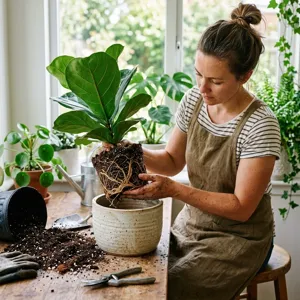
- Remove the plant carefully from its container and inspect the root system for dense circling roots.
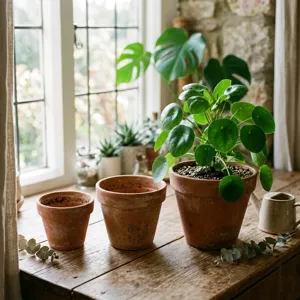
- Select a new pot approximately 2–5 cm wider in diameter than the current container for most houseplants.
- Loosen the outer roots gently with your fingers, separating circling roots where possible.
- Trim severely tangled or damaged roots using clean pruning shears if necessary.
- Add fresh growing medium to the new container and position the root ball at its original planting depth.
- Backfill with potting mix, leaving 1–2 cm of space below the rim to facilitate watering.
- Water thoroughly and monitor the plant over the next 2–4 weeks as roots establish in the expanded growing area.
Best Practices and Pro Tips
- Inspect Annually: Check root systems every 12 months, especially in fast-growing species.
- Increase Pot Size Gradually: Move up only 2–5 cm in diameter during repotting to maintain proper moisture balance.
- Refresh Growing Media: Replace old potting mix every 1–3 years to improve aeration and structure.
- Watch Watering Patterns: Sudden increases in watering frequency often indicate developing root congestion.
- Prune When Necessary: Root pruning can help manage large specimens when larger containers are impractical.
Quick Reference Table
| Factor | Recommended Range | Why It Matters |
|---|---|---|
| Pot Upgrade Size | 2–5 cm wider | Provides room for continued root growth. |
| Root Inspection | Every 12 months | Allows early detection of root congestion. |
| Media Renewal | Every 1–3 years | Maintains aeration and drainage. |
| Watering Rim Space | 1–2 cm below rim | Improves irrigation efficiency after repotting. |
| Recovery Monitoring | 2–4 weeks | Confirms successful root establishment. |
Plants Most Susceptible to Rootbound Conditions
The spider plant (Chlorophytum comosum) develops thick storage roots that rapidly fill containers. It frequently becomes rootbound if not repotted periodically.
The pothos (Epipremnum aureum) is a vigorous grower that can quickly occupy available root space, especially in warm indoor conditions.
The peace lily (Spathiphyllum wallisii) tolerates mild root restriction but eventually experiences reduced vigor and flowering when roots become excessively crowded.
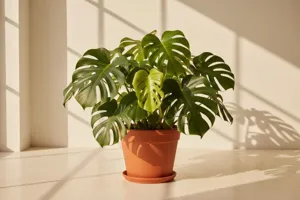
The monstera (Monstera deliciosa) develops extensive root systems that require periodic container upgrades to maintain healthy growth.
The rubber plant (Ficus elastica) gradually produces a substantial root network that can become compacted in long-term container culture.
The Boston fern (Nephrolepis exaltata) often fills containers densely, creating a root mass that dries quickly and requires frequent watering.
Container selection plays a major role in prevention, as discussed in our Pot Size guide. Correct transplant procedures are covered in our Repotting guide. Long-term root health also depends on proper media selection, which we explain in our Potting Mix guide.
Common Mistakes to Avoid
- Ignoring Early Warning Signs: Waiting until severe wilting or growth decline occurs can prolong recovery. Inspect roots annually.
- Choosing an Oversized Container: Increasing pot size by more than 5–10 cm may create overly wet conditions around roots.
- Skipping Root Inspection: Simply moving the plant into a larger pot without examining roots can leave circling roots unresolved.
- Reusing Degraded Media: Old compacted soil may continue restricting root health even after repotting.
- Failing to Adjust Watering: Freshly repotted plants often require different watering schedules while roots establish in the larger volume of media.
Frequently Asked Questions
How serious is a rootbound condition?
A mildly rootbound plant may continue growing with few visible problems, and some species even flower well under slight root restriction. However, severe root congestion can reduce water uptake, limit nutrient absorption, and slow overall growth. Left untreated for extended periods, a heavily rootbound plant may experience chronic stress and declining health.
When should I repot a rootbound plant?
Repotting is usually recommended when roots emerge from drainage holes, form dense circles around the root ball, or when the growing medium dries unusually fast. Spring is often an ideal time because many plants are entering active growth and recover more quickly after root disturbance.
Do I always need a larger pot for a rootbound plant?
Not necessarily. Many plants benefit from moving into a container that is only 2–5 cm wider than the previous one. In situations where plant size must be controlled, root pruning combined with fresh potting media can sometimes be used instead of substantially increasing container size.
How long does recovery take after treating a rootbound plant?
Most healthy plants begin establishing new roots within a few weeks after repotting. Visible improvements in growth, leaf size, and water use often become noticeable during the following 2–4 weeks, although larger specimens may require a longer adjustment period before showing significant changes.
Why is my plant still wilting after repotting a rootbound root system?
Temporary wilting is common after root disturbance because the plant must adjust to its new environment. Persistent wilting may indicate damaged roots, improper watering, poor drainage, or environmental stress. Check moisture levels carefully and ensure the plant receives appropriate light and growing conditions while recovery continues.
Frequently Asked Questions
How serious is a rootbound condition?
A mildly rootbound plant may continue growing with few visible problems, and some species even flower well under slight root restriction. However, severe root congestion can reduce water uptake, limit nutrient absorption, and slow overall growth. Left untreated for extended periods, a heavily rootbound plant may experience chronic stress and declining health.
When should I repot a rootbound plant?
Repotting is usually recommended when roots emerge from drainage holes, form dense circles around the root ball, or when the growing medium dries unusually fast. Spring is often an ideal time because many plants are entering active growth and recover more quickly after root disturbance.
Do I always need a larger pot for a rootbound plant?
Not necessarily. Many plants benefit from moving into a container that is only 2–5 cm wider than the previous one. In situations where plant size must be controlled, root pruning combined with fresh potting media can sometimes be used instead of substantially increasing container size.
How long does recovery take after treating a rootbound plant?
Most healthy plants begin establishing new roots within a few weeks after repotting. Visible improvements in growth, leaf size, and water use often become noticeable during the following 2–4 weeks, although larger specimens may require a longer adjustment period before showing significant changes.
Why is my plant still wilting after repotting a rootbound root system?
Temporary wilting is common after root disturbance because the plant must adjust to its new environment. Persistent wilting may indicate damaged roots, improper watering, poor drainage, or environmental stress. Check moisture levels carefully and ensure the plant receives appropriate light and growing conditions while recovery continues.
Explore More
Related Topics
Related Plant Guides
No specific plant guides found matching this topic.
Recommended next actions
Continue Exploring
Dive deeper into related plant care tools and profiles.
Topic Guide
Pot Size
Learn everything about pot size for your indoor and aquarium plants. Expert care tips, troubleshooting, and related guides.
Topic Guide
Repotting
Learn everything about repotting for your indoor and aquarium plants. Expert care tips, troubleshooting, and related guides.
Topic Guide
Potting Mix
Learn everything about potting mix for your indoor and aquarium plants. Expert care tips, troubleshooting, and related guides.