Monstera Care Guide
Grow a thriving Monstera deliciosa with the light, watering and climbing support it needs to develop large, mature, fenestrated leaves indoors.
-
Difficulty
Medium
-
Light
Bright indirect
-
Temperature
65°F - 85°F (18°C - 29°C)
-
Growth
Moderate
-
Expert Insight
Master-grower data coming soon.
-
Common Mistake
Real-world care data coming soon.
-
Environment
Real-world conditions coming soon.
Quick Answer
Monstera Deliciosa needs bright indirect light, thorough watering after the root zone has substantially dried out, and sturdy support as it climbs. Fenestrated, split leaves develop primarily as the plant matures; adequate light, climbing support, and vigorous growth help the plant produce larger, more mature foliage. Consistent care produces the largest, most dramatically split leaves.
Key Takeaways
- Water when the root zone has substantially dried out (about 50% dry), rather than following a fixed calendar.
- Provide bright indirect light to support vigorous growth and mature, fenestrated foliage.
- Install a moss pole, plank, or sturdy stake to support the plant as it climbs.
- Wipe leaves periodically to remove accumulated dust and keep the leaf surface clean.
- Repot when the root system has substantially filled the container, typically every 1–2 years for actively growing plants.
Overview
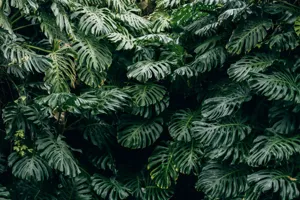
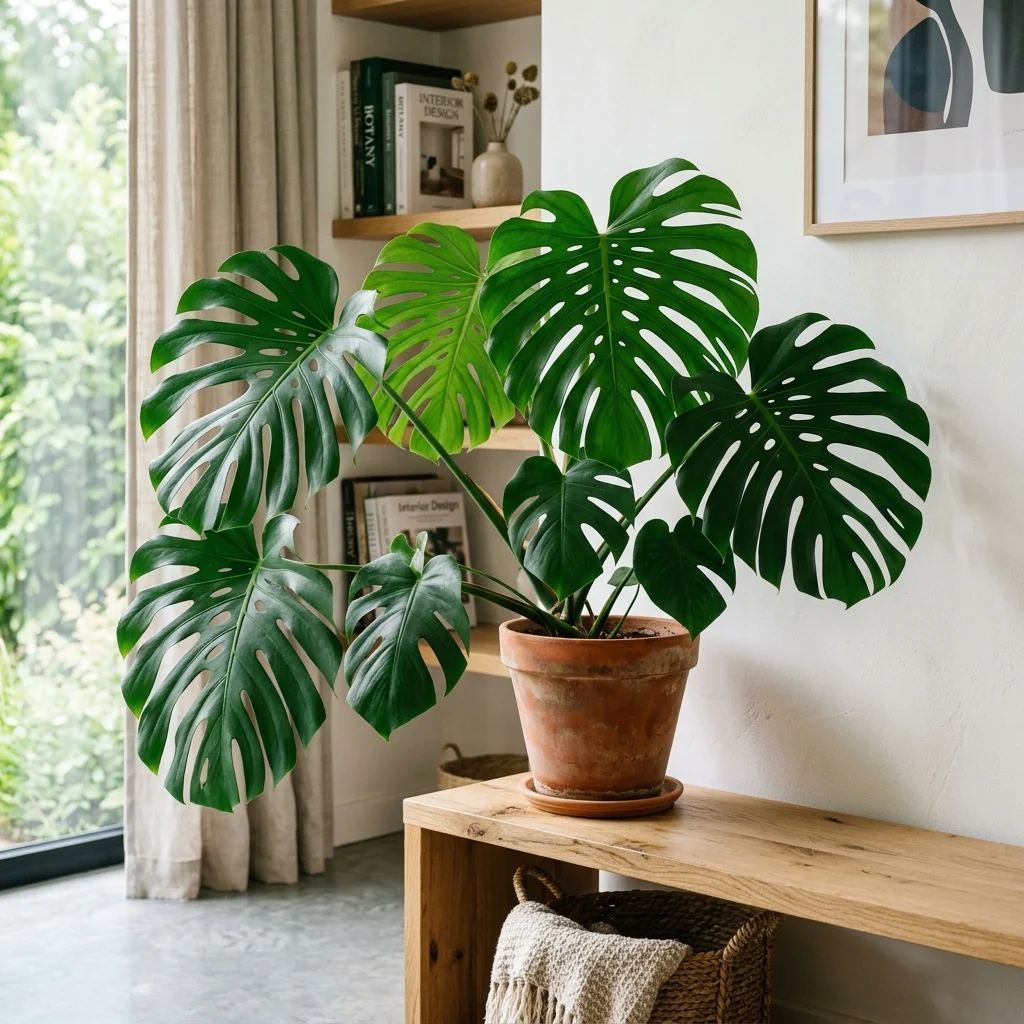
Monstera deliciosa is a vigorous tropical climbing aroid native from southern Mexico through Central America. In its natural habitat, it uses aerial roots and surrounding vegetation to climb toward brighter conditions. Indoors, providing a moss pole, plank, trellis, or sturdy stake gives the plant a similar climbing structure. As the plant matures, it produces increasingly large leaves with characteristic splits and internal holes called fenestrations. Adequate light supports vigorous growth, but fenestration is primarily a feature of maturity rather than something that can be forced by a single care technique.
Difficulty
Monstera is generally an easy-to-moderately easy houseplant for beginners. It tolerates some variation in light and watering and can adapt well to typical indoor conditions. The main requirements are bright indirect light, an airy growing medium, appropriate drainage, and watering based on the condition of the root zone rather than a fixed schedule. As the plant matures, it benefits from a support such as a moss pole, plank, or trellis because it naturally climbs. If you can provide suitable light and avoid keeping the roots continuously saturated, Monstera is a relatively forgiving tropical houseplant.
Watering
Water based on the actual condition of the root zone rather than a strict calendar or an arbitrary top-inch rule. Allow the growing medium to dry substantially, with the root zone reaching about 50% dry, before watering again. Chunky aroid mixes can appear dry at the surface while retaining moisture deeper in the pot, so check below the surface when assessing moisture. Pot size, season, temperature, light level, humidity, and root mass all affect drying speed. When watering is due, water thoroughly enough to wet the full root ball and allow excess water to drain freely. Avoid keeping the mix continuously saturated, because prolonged low-oxygen conditions can damage roots.
Light
Provide bright indirect light as the baseline. Strong filtered light supports vigorous growth and can help a mature plant produce larger, healthier foliage. Fenestration develops primarily as Monstera matures, while adequate light helps sustain the growth needed for mature leaves. Insufficient light can result in slower growth, smaller leaves, longer spaces between leaves, and delayed development of highly fenestrated foliage. Acclimate plants gradually when moving them into substantially stronger light, and avoid prolonged harsh midday sun through glass if the plant has not adapted to it.
Soil
Use a chunky, well-aerated aroid mix that holds enough moisture for the roots without remaining saturated. A practical mix can combine a peat-based organic material or coco coir with orchid bark and perlite or pumice. The goal is not simply fast drainage; the finished mix should provide a balance of moisture retention, drainage, structure, and air-filled pore space around the roots. For experienced growers, growing Monstera in a semi-hydroponic setup is also a legitimate alternative. If you are interested in this approach, read our guide to converting houseplants to semi-hydro.
Temperature
Prefers warm indoor temperatures around 18–27°C. Growth may slow as temperatures fall, and prolonged exposure to temperatures near or below 10°C can cause cold damage. Protect the plant from cold drafts and sudden temperature changes.
Humidity
Monsteras grow well in moderate indoor humidity and generally tolerate normal household conditions. Higher humidity can support healthy leaf expansion, particularly when temperatures are warm, but very high humidity is not required if watering, airflow, temperature, and root health are appropriate. A humidifier can be useful in consistently dry indoor environments.
Fertilizer
Feed during active growth with a balanced liquid fertilizer diluted according to the product's recommended houseplant rate. Monthly feeding can work for actively growing plants, but adjust frequency and strength to the fertilizer formulation, light level, growth rate, and potting medium. Avoid heavily fertilizing a plant that is stressed, recently repotted, or growing very slowly.
Propagation
Propagate Monstera from stem cuttings that contain at least one viable node. A cutting may also include an aerial root, which can help with establishment but is not itself the node. Cuttings can be rooted in water, moist sphagnum, an appropriate propagation medium, or directly in a suitable potting mix. Keep the node in contact with the propagation medium while avoiding prolonged saturation.
Toxicity
Monstera contains insoluble calcium oxalate crystals and can cause oral irritation, drooling, and difficulty swallowing if plant material is chewed or ingested. Keep the plant away from pets and children who may chew the leaves or stems.
Winter Care
During winter, Monstera's growth may slow as light levels and temperatures decrease. Maximize bright indirect light and check the potting mix before watering rather than following a fixed calendar. Allow the root zone to dry substantially before watering, while avoiding prolonged complete drying that causes severe wilting. Protect the plant from cold drafts and sudden temperature changes. Reduce fertilizer applications when active growth slows and resume more regular feeding when strong growth returns. Continue checking for common indoor pests such as spider mites, especially in warm, dry conditions. For broader winter maintenance, see our winter houseplant care guide.
Recommended next actions
Next Best Actions
Use calculators and guides to turn this plant profile into a practical care routine.
Plant Guide
philodendron
Expert care guide and diagnostic data for the philodendron. Learn how to properly water, light, and troubleshoot common issues.
Plant Guide
Pothos
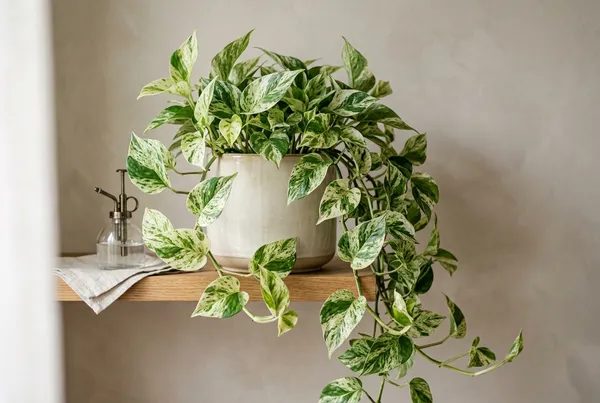
Golden Pothos (Epipremnum aureum) is a popular, easy‑care climbing vine with heart‑shaped, variegated leaves. It thrives in bright indirect light, tolerates lower light, and is perfect for hanging baskets or training up a moss pole.
Structured Plant Data
Plant Data Profile
The following data is extracted directly from our botanical knowledge graph for accuracy and transparency.
Environmental Parameters
| Parameter | Recommended | Survivable |
|---|---|---|
| Temperature | 65°F - 85°F (18°C - 29°C) | 50°F - 90°F (10°C - 32°C) |
Relationships
-
Araceae
Belongs To Family
-
Alismatales
Belongs To Order
-
Soil Aroid Mix
Recommended Soil
-
Water Tropical Moderate
Watering Profile
-
Light Bright Indirect
Light Profile
-
Central America
Native Region
-
Shares Care With
-
Shares Care With
Troubleshooting & Diagnostics Guide
1 Yellowing lower leaves
Diagnosis: Excess moisture, poor drainage, or root stress
Treatment: Check moisture below the surface and allow the root zone to dry substantially before watering again. If the mix stays wet for an unusually long time, inspect drainage and roots for signs of damage.
Prevention: Use an airy, well-structured aroid mix and water according to root-zone moisture rather than a fixed schedule.
2 Leaves not developing holes (fenestrations)
Diagnosis: Immature plant, insufficient light, or weak growth
Treatment: Provide bright indirect light, maintain appropriate watering, and give the plant a suitable climbing support. Allow time for the plant to mature.
Prevention: Maintain strong growing conditions and provide support as the plant develops.
3 Crispy brown edges
Diagnosis: Water stress, dry conditions, fertilizer buildup, or environmental stress
Treatment: Check the growing medium before watering. Correct severe dryness, review fertilizer use, and improve ambient humidity if conditions are consistently dry.
Prevention: Maintain consistent root-zone moisture, avoid prolonged saturation, and use fertilizer conservatively during active growth.
Authoritative Resources
For additional peer-reviewed information on plant diseases, toxicity, and care, consult these trusted botanical and agricultural extensions:
Frequently Asked Questions
Why are my Monstera leaves turning yellow?
Why doesn't my Monstera have splits or holes in the leaves?
How often should I water my Monstera?
What kind of soil does Monstera need?
Should I mist my Monstera?
How do I propagate Monstera?
Is Monstera toxic to pets?
Why are the leaf edges turning brown and crispy?
Does Monstera need a moss pole?
How much light does Monstera need?
When should I repot my Monstera?
Why are aerial roots growing out of my Monstera?
Explore More