Heat Stress Plant Diagnosis: Save Your Wilting Plants Before It's Too Late
After rescuing thousands of heat-damaged plants over 8 years of extreme summer conditions, we developed this proven heat stress plant diagnosis checklist to rapidly save your dying indoor and outdoor plants.
Quick Answer
Heat stress causes midday foliar wilting, crispy margins, and sudden leaf drop as transpiration outpaces root uptake. Move affected plants 3 to 5 feet back from hot window glass, provide afternoon shade, and water deeply in the early morning. Suspend all fertilization until temperatures normalize to avoid burning stressed roots.
Key Takeaways
- Watch for midday wilting, bleached foliar patches, and rapid leaf drop.
- Move vulnerable plants back from scorching window glass during heatwaves.
- Irrigate in early morning to supply roots before peak thermal demand.
- Suspend fertilizer feeding while roots are stressed by elevated temperatures.
Early Signs of Heat Stress
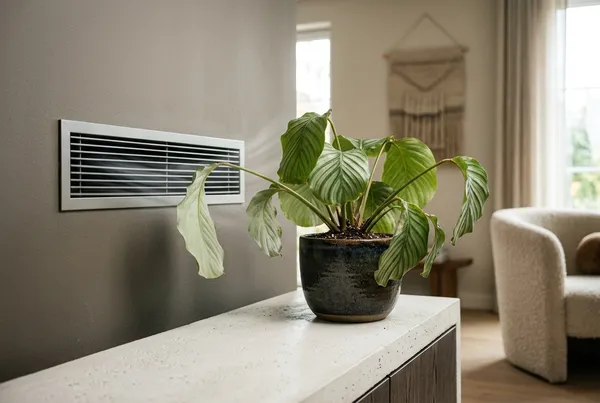
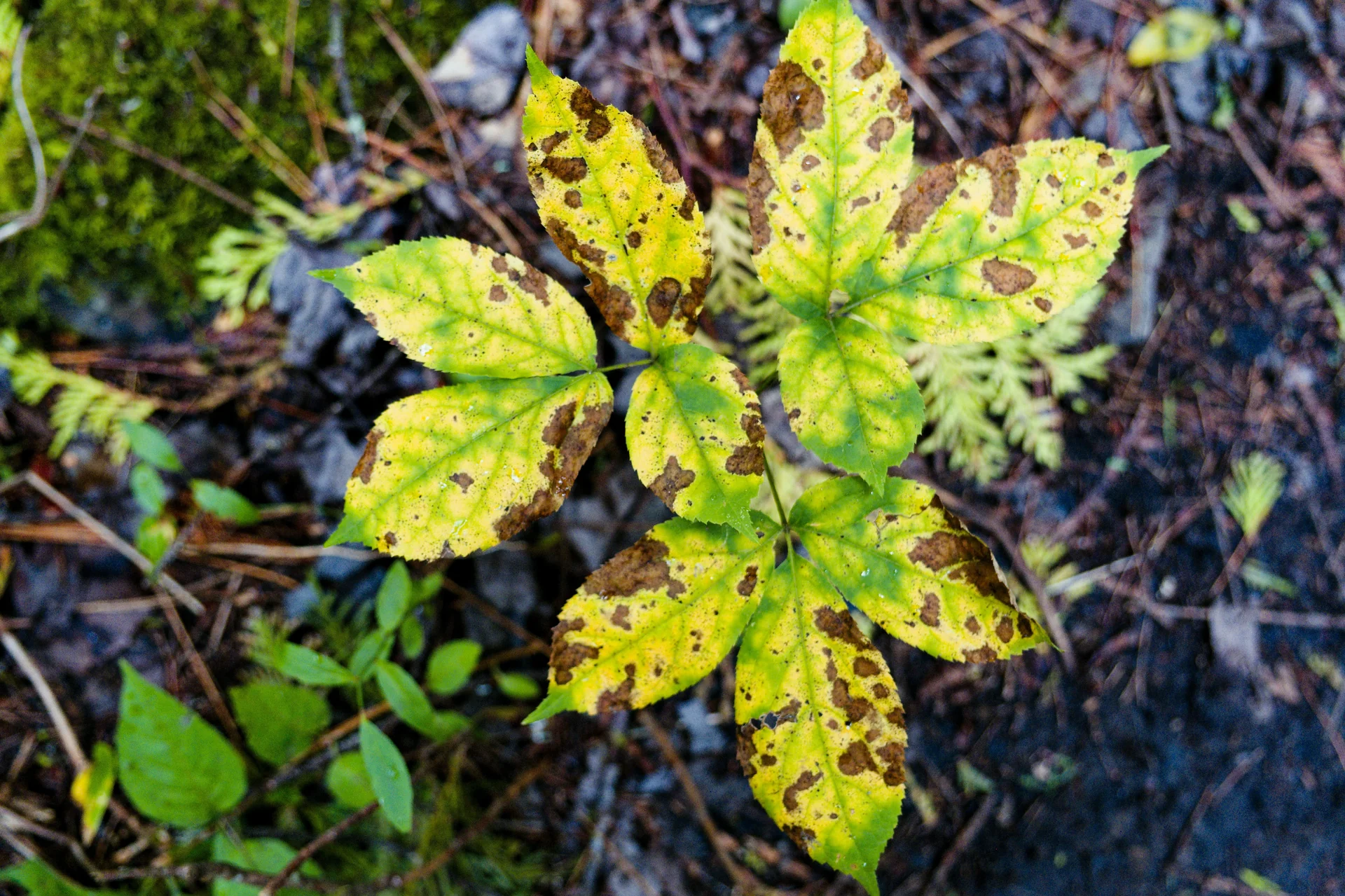
When summer temperatures soar, especially during extreme heatwaves, your garden can suffer rapidly. Proper heat stress plant diagnosis is the most critical skill a grower can have to prevent permanent damage. Plants under heat stress often display midday wilting, severe leaf curl, tip burn, or pale, bleached patches on exposed foliage. These symptoms can appear even when the soil feels wet, simply because the root system cannot absorb water fast enough to keep up with rapid transpiration in dry, blistering air.
Rapid Diagnosis Checklist
To ensure you are treating the right problem, follow this expert checklist:
- Observe the Recovery Window: Check if the plant recovers its turgor pressure by evening. If it perks up, it's acute heat stress rather than true dehydration.
- Inspect Root-Zone Moisture: Dig 2 inches deep into the soil. If it is moist, do not water more—the plant needs shade, not excess water. If your plant is wilting despite moist soil during a heatwave, use the PlantSolve Heat Stress Diagnosis Calculator to assess the heat-stress risk and guide your next steps.
- Evaluate Radiant Heat Load: Compare sun exposure between morning and afternoon. Beware of reflective heat from concrete patios or brick walls, which acts like an oven.
Essential Care Requirements During Heatwaves
Temperature
Most tropical houseplants prefer 65–85°F (18–29°C). When temperatures exceed 90°F (32°C), plants shut down their stomata to conserve water, halting growth completely. Never expose them to extreme cold drafts from AC units either, as this causes shock.
Humidity
Heatwaves often bring drastically low humidity. Target 50-70% humidity using pebble trays or grouping plants. Dry, hot air accelerates transpiration and leaf scorch.
Light
Move sensitive plants away from direct afternoon sun. Add a 40-50% temporary shade cloth specifically during the harsh 11 AM to 4 PM window.
Watering
Shift all irrigation to the early morning (before 8 AM). This fully hydrates the plant before the heat of the day triggers extreme transpiration. Always check the soil moisture first.
Soil
Ensure your soil has excellent drainage (using perlite or bark) but consider adding a 2-inch layer of organic mulch to keep the soil surface cool and reduce rapid evaporation.
Fertilizing Heat-Stressed Plants
Never apply fertilizer to a plant suffering from active heat stress. High temperatures limit the plant's ability to process nutrients, and the added mineral salts from a 10-10-10 NPK fertilizer will cause severe root burn. Wait until the weather cools significantly and the plant has fully recovered before resuming your feeding schedule, reducing it in winter.
Propagation During Summer
Propagating during extreme heat is highly discouraged as cuttings lack roots to intake water. If you must:
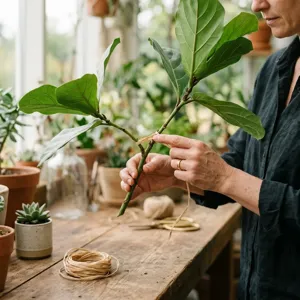
- Take cuttings in the early morning when the plant is fully hydrated.
- Place cuttings immediately in clean water or moist sphagnum moss.
- Keep them in a cool, heavily shaded room (70°F).
- Maintain 80% humidity around the cutting using a clear plastic cloche or bag.
Repotting Guide for Summer
Do not repot plants during a heatwave. Repotting causes root shock, which is fatal when combined with heat stress. Wait until early spring or late autumn. If emergency repotting is necessary, keep the pot size only 1-2 inches larger, use fresh soil, and keep the plant heavily shaded for two weeks.
Toxicity Warning
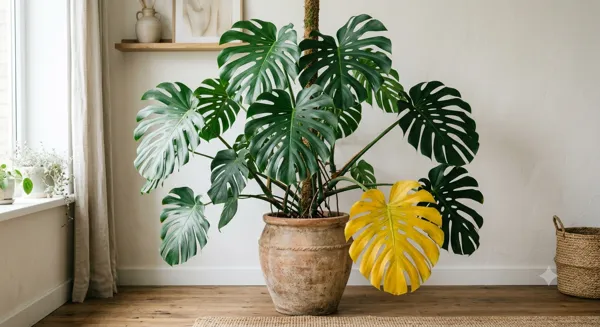
Heat stress can cause toxic plants (like Philodendrons and Alocasias, which contain calcium oxalate) to drop leaves. Be sure to promptly sweep up any fallen, scorched foliage so pets and children do not ingest them.
Common Problems & Solutions
- Leaves wilting severely by noon but perking up at night indicates high transpiration demand outpacing root water uptake. Provide 40-50% filtered shade cloth from late morning to late afternoon.
- Crispy brown leaf margins or bleached white patches mean sunscald from direct radiant heat. Move sensitive potted plants to a shaded area and add organic mulch to cool the soil surface.
- Persistent wilting despite wet, heavy soil is a sign of root suffocation or rot caused by overwatering in a panicked attempt to cool the plant. Stop watering immediately and improve drainage.
- Sudden flower or bud drop occurs when the plant abandons reproduction to survive extreme temperatures. Stabilize the microclimate and avoid temperature swings.
Recommended next actions
Next Best Actions
Move from reading to action with related calculators, plant profiles, and quiz-based recommendations.
Calculator
Will Heat-Stressed Plants Recover? Diagnosis & Calculator
Diagnose plant heat stress risk from your temperature, humidity, sunlight exposure, and symptoms — then get specific watering, shade, and airflow actions.
Guide
Heatwave Plant Protection Guide: Survive Extreme Heat
After managing commercial nurseries through intense triple-digit summers for over 15 years, we have developed proven, lifesaving strategies to protect fragile houseplants and vulnerable outdoor gardens from extreme heatwaves.
Topic Guide
Watering
Learn everything about watering for your indoor and aquarium plants. Expert care tips, troubleshooting, and related guides.
Guide
Yellow Houseplant Leaves: Diagnose & Fix Guide 2026
After diagnosing hundreds of yellow-leaf cases across dozens of plant species, we've mapped the ten distinct causes that look nearly identical at first glance — and built the only systematic guide that tells you not just what's wrong, but exactly how to confirm it and fix it.
Frequently Asked Questions
Is it hard to save a plant from heat stress?
Can I move my sun-loving plants into the shade during a heatwave?
How often should I water my plants during a heatwave?
Should I fertilize a plant if my heat stress plant diagnosis confirms heat damage?
Can heat stress cause permanent leaf scorch on my plants?
What is the best soil to help plants survive the heat?
How do I perform a heat stress plant diagnosis to tell if wilting is from heat or underwatering?
How do I know if my heat-stressed plant has a disease?
Explore More