Topic Guide

Soil Moisture | Plant Care Topic Guide

By PlantSolve Editorial Team ·

Monitoring soil moisture is critical for preventing watering issues. You can use your finger to feel the top few inches of soil, lift the pot to gauge its weight, or use a moisture meter for a more objective reading. Understanding your soil's moisture retention helps establish a reliable watering routine.

Soil Moisture - Plant Care Guide
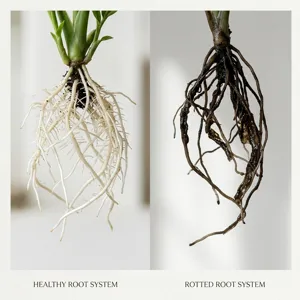
What Is Soil Moisture? Soil moisture refers to the water held in the spaces between soil particles. It is the primary source of hydration for most land plants and plays a crucial role in delivering dissolved nutrients from the soil into the root system. When you water a plant, the soil absorbs what it can hold (a state called "field capacity"), and the excess drains out the bottom of the pot. As the plant uses water and moisture evaporates from the surface, the soil dries out. If the soil becomes too dry, the plant can no longer extract water from it and will begin to wilt. Conversely, if the soil stays saturated for too long, the roots are deprived of oxygen and can rot. Managing soil moisture is about finding the right balance for your specific plant, rather than just watering on a strict schedule. Tools for Checking Soil Moisture Your Finger: The simplest tool. Sticking your finger 2 to 3 inches into the soil can give you a quick sense of whether the top layer is dry. This works well for small pots but isn't as effective for deep containers where the bottom half might still be wet. Moisture Meter: A digital or analog probe that measures the electrical conductivity of the soil. It provides a quick reading from 1 (dry) to 10 (wet). It's very useful for checking deep into large pots without disturbing the roots. Wooden Dowel: Inserting a clean, unpainted wooden dowel or chopstick into the soil to the bottom of the pot works like a dipstick. If it comes out with dark, moist soil clinging to it, the plant doesn't need water. The Lift Test: Lifting the pot to gauge its weight is highly accurate. A pot filled with dry soil feels significantly lighter than one that was recently watered. This takes some practice but is one of the most reliable methods. Step-by-Step: How to Manage Soil Moisture Check the soil before every watering. Do not assume a plant needs water just because it's been a week. Use a moisture meter or a wooden dowel to test the moisture level in the bottom third of the pot. The surface may feel dry even when the roots are still sitting in wet soil. Adjust your watering frequency based on the plant. Succulents and cacti prefer the soil to dry out completely (1 on a moisture meter) before their next watering. Tropical plants like Calatheas or Ferns prefer the soil to remain slightly moist (3 or 4 on a meter) but never soggy. Water thoroughly until water runs out the drainage holes. This ensures the entire root zone is hydrated and helps flush out excess fertilizer salts. Empty the drainage saucer after 15 to 30 minutes so the soil doesn't reabsorb the excess water like a sponge. Best Practices and Pro Tips Improve Drainage: If your soil stays wet for more than 10 to 14 days, repot the plant using a mix with more perlite or pumice to improve airflow and drainage. Adjust for the Season: Plants use much less water during the shorter, cooler days of winter. Always reduce your watering frequency during this dormant period. Clean Your Meter: Wipe the metal probes of your moisture meter with a dry cloth after every use to prevent corrosion and ensure accurate readings. Observe the Leaves: Some plants, like Peace Lilies or Fittonias, will slightly droop when they need water. This is a safe visual cue to water, provided you don't let them stay wilted for long. Quick Reference Table Factor | Recommended Range | Why It Matters Probe Insertion Depth | Bottom third of the pot | The topsoil dries quickly; the bottom holds the moisture where the roots are. Ideal Capillary Redistribution | Wait 15 minutes | Allows the water to evenly soak into any dry pockets in the potting mix. Gravitational Drainage Runoff | 10% to 20% of applied volume | Flushes out accumulated mineral salts from fertilizers to prevent root burn. Plants and Soil Moisture Different plants have evolved to handle different levels of soil moisture. The Peace Lily (Spathiphyllum wallisii) wilts dramatically when the soil dries out, using visual cues to let you know it needs water. In contrast, the Snake Plant (Sansevieria trifasciata) is a succulent that stores water in its leaves; it prefers its soil to dry out completely and will rot if kept consistently moist. Ferns, like the Boston Fern (Nephrolepis exaltata), have fine, delicate roots that need constant light moisture. If their soil dries out completely, the fronds will crisp up and die. The ZZ Plant (Zamioculcas zamiifolia) has thick, potato-like rhizomes under the soil that store water for months, making it incredibly drought-tolerant but very susceptible to overwatering. Common Mistakes to Avoid Mistake: Watering on a Calendar Schedule. Watering every Sunday, regardless of the temperature, humidity, or season, often leads to overwatering. Always check the soil first. Mistake: Only Checking the Top Inch. The top inch of soil evaporates quickly. If you water based only on the surface, you may be drowning the roots at the bottom of the pot. Mistake: Leaving Pots in Water. Letting a plant sit in a saucer full of runoff water keeps the bottom of the soil perpetually soggy, leading to root rot. Mistake: Using Ice Cubes. Watering with ice cubes shocks tropical roots with freezing temperatures and rarely provides enough volume to hydrate the entire root zone evenly.

Frequently Asked Questions

How effective are digital soil moisture meters for indoor plants?

Digital moisture meters are very effective tools, but they require proper use. They measure electrical conductivity rather than actual wetness, so compacted soil or high salt buildup can sometimes skew the reading. To get the most accurate result, insert the probe deeply into the root zone in a few different spots, and wipe the prongs clean after every use.

When is the most accurate time of day to test soil moisture levels?

The most accurate time to test soil moisture is in the early morning. Overnight, the plant's water uptake slows down, allowing the moisture in the pot to equalize evenly throughout the soil. Testing before the midday sun causes rapid surface evaporation gives you the truest reading of what the roots are actually experiencing.

Can I accurately determine soil moisture using only my finger?

Using your finger works well for small pots, but it isn't reliable for larger containers. Your finger can only reach about two inches deep, so you might feel dry soil at the top while the bottom of the pot is still completely soaked. For pots larger than 8 inches, use a moisture meter or a wooden dowel to check the bottom half.

How do seasonal changes affect long-term soil moisture retention?

Soil dries out much slower in the winter than in the summer. When temperatures drop and days get shorter, plants slow their growth and stop pulling as much water from the soil. A pot that dries out in 5 days in July might take 14 days to dry out in December. Always test the soil before watering during the winter.

Why does my moisture meter read "dry" even right after I water the plant?

If the meter reads dry immediately after watering, your potting soil may have become hydrophobic. When peat moss dries out completely, it repels water. The water you pour simply runs down the inside edges of the pot and out the bottom without soaking in. To fix this, set the pot in a bowl of water for 30 minutes so it can absorb moisture from the bottom up.

Related Plant Guides

No specific plant guides found matching this topic.

Recommended next actions

Dive deeper into related plant care tools and profiles.

Guide

Catching Rainwater for Houseplants: Storage, Safety, and Mineral Benefits

Having analyzed water quality in 300+ western homes, I’ll show you how to safely catch summer storms in a way that delivers growth-boosting nitrogen, avoids mosquito breeding, and prevents leaf spotting from tap chemicals.

Guide

Ditching the App: How to Create a Plant Care Schedule That Actually Works

After helping over 1,500 plant parents escape the ‘water every Sunday’ app trap, I’ll show you how to build a 15‑minute‑a‑week journal system that actually prevents root rot and crispy edges.

Guide

Fertilizer Burn on Houseplants: How to Identify, Fix & Prevent Salt Damage

Fertilizer burn is one of the most misdiagnosed houseplant problems because its symptoms — brown tips, wilting, yellowing leaves — are nearly identical to overwatering, underwatering, and root rot. The treatment for root rot is opposite to the treatment for fertilizer burn, which means getting the diagnosis wrong makes the plant worse. This guide is built around that diagnostic problem first.

Plant Guide

Monstera Deliciosa

Learn how to care for a Monstera Deliciosa indoors. Discover expert tips on moss poles, lighting for fenestrations, watering, and managing aerial roots.

Plant Guide

Spider Plant

Discover why Spider Plants are making a massive comeback. Learn how to care for them properly, prevent crispy brown tips, and propagate their tiny spiderettes.

Calculator

Watering Calculator

Calculate the correct watering frequency for your plant based on species, pot size, soil type, season, and climate.