Why Your Unkillable ZZ Plant is Turning Yellow: Summer Root & Moisture Diagnosis
I just received half a dozen DMs in one day: ‘My ZZ plant is turning yellow and I thought these were impossible to kill!’ Summer heat lulls people into overwatering, and those fat rhizomes are rotting underground. Let’s fix this before the stems collapse.

Quick Answer
ZZ plant yellowing in summer is almost always caused by rhizome rot from water sitting in the pot due to accidental overwatering. In high temperatures, bacteria multiply faster in moist soil, attacking the water‑storing tubers. Immediately unpot the plant, cut away any soft, brown rhizomes and yellow stems, and repot the healthy, firm parts into dry, gritty cactus soil (50% potting mix, 50% perlite). Do not water for 5–7 days, then water sparingly every 25–35 days in summer. Use a moisture meter and never let the pot stand in water.
Key Takeaways
- Check for rhizome rot caused by overwatering in warm summer conditions.
- Allow potting soil to dry out 100% between infrequent waterings.
- Unpot and excise any mushy, dark rhizomes before repotting in gritty cactus mix.
- Withhold water for 5 to 7 days post-surgery to allow cut tissues to callus.
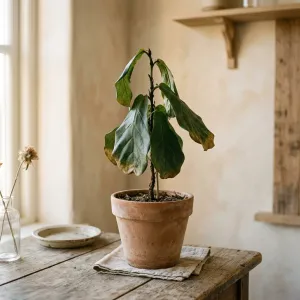
You’ve told everyone your ZZ plant is the one thing you can’t kill. But today you looked closer and the stems—normally rigid and arching—are yellow, soft, and threatening to topple over. In a hot flat, the soil can appear dry on top while the bottom third of the pot remains saturated, stewing the potato‑like rhizomes in a warm bacterial soup. I’ve seen this dozens of times this month: well‑meaning owners water “just a little” once a week, and the summer heat accelerates the rot tenfold. The only way to save your ZZ is to operate—now.
Diagnosing the Underground Rot
Why are my ZZ plant's stems turning yellow and soft?
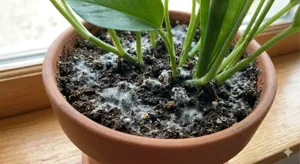
The rhizome—the underground storage organ—has begun to decay due to prolonged exposure to waterlogged soil. In summer, a pot sitting in a saucer of water or in a dense, peat‑heavy mix can remain wet for weeks, even if you water infrequently. The rot typically starts in one rhizome and spreads. As the rhizome liquefies, it can no longer support the stems, which turn a translucent yellow and eventually collapse. To confirm, gently tug a yellow stem: if it comes away with little resistance and the base is brown and mushy, root rot is active. Use our Watering Calculator to see just how infrequently a ZZ in your exact light and temperature conditions truly needs water—it’s often far less than you think. For a full care reference on healthy plants, our ZZ Plant care guide outlines ideal conditions.
How often should I water a ZZ plant in a hot apartment?
In summer, a ZZ plant in a 15 cm (6‑inch) pot with moderate light (100–200 fc) typically needs water only every 25–30 days. If your apartment is air‑conditioned and the soil stays cool, it may stretch to 35–40 days. The rhizomes store months of water. Always use a moisture meter inserted to the pot’s bottom; water only when it reads “dry.” Never water on a calendar. The counterintuitive summer rule: as temperatures rise, the plant’s metabolism can slow if roots are overheated, so it may need even less water. If you’ve been watering every week, you’ve almost certainly triggered rot. Stop entirely and follow the surgical repotting steps below.
Surgical Rescue Protocol
How do I save a ZZ plant with yellow mushy stems?
Unpot the entire plant and gently shake off all soil. Using a sterilized knife (dip in 70% isopropyl alcohol between cuts), slice through the rhizomes. Any rhizome that is brown, soft, or oozing must be completely removed; even a small patch of rot will spread. Retain only firm, white, healthy rhizomes with at least one attached stem. Rinse the healthy sections under tepid water, then let them air‑dry on a paper towel for 2–3 hours to callus the cut surfaces. Repot into a terracotta pot with a very gritty, best soil mix for ZZ plants: 50% cactus soil, 50% perlite or pumice. Use our Potting Mix Calculator if you need bulk measurements. Do not water for 5–7 days to let the roots settle. After that, water sparingly with a solution containing a mycorrhizal inoculant to encourage ZZ plant root rot recovery, but keep the volume low—about half the normal amount. Place the plant in bright indirect light (200–400 fc). New growth will emerge from the base of the surviving stems in 4–8 weeks. Our root rot rescue guide provides step‑by‑step photos and additional aftercare tips if you’re unsure of the rhizome‑trimming technique.
ZZ Summer Yellowing Diagnostic Table
| Symptom | Root Cause | Required Action |
|---|---|---|
| One or two lower stems slowly turning yellow | Natural aging (oldest stems die back) | No action needed; simply snip off the yellow stem at soil level |
| Multiple stems turning yellow rapidly, soft | Active rhizome rot | Immediate unpot, surgery, repot in dry mix |
| Yellow stems with wrinkled, dry rhizomes | Chronic underwatering (rare) | Soak pot for 30 min, then drain; adjust watering interval to 20–25 days |
| Yellow patches with brown tips on stems | Sunburn (if in direct light) | Move to bright indirect light, trim burned leaves |
| Yellowing stems shortly after repotting | Transplant stress | Do not fertilize. Allow plant to settle; ZZ plants like to be root bound |
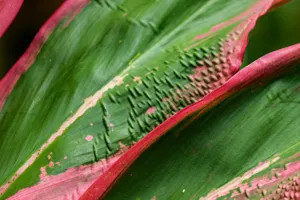
| Flecked yellow leaves with fine webbing | Spider mites (thrive in dry summer air) | Wipe leaves with neem oil or insecticidal soap |
| Slow, uniform pale yellowing | Deep shade starvation | Move closer to a window. Absolute darkness kills ZZ plants slowly |
Recommended next actions
Next Best Actions
Move from reading to action with related calculators, plant profiles, and quiz-based recommendations.
Topic Guide
Watering
Learn everything about watering for your indoor and aquarium plants. Expert care tips, troubleshooting, and related guides.
Guide
ZZ Plant Care Guide: Light, Water & Rhizome Tips
After growing ZZ plants across offices, low-light apartments, and sun-drenched rooms for over eight years, we have worked out exactly how this rhizome-powered survivor operates — and why the growers who kill it are almost always doing one specific thing wrong.
Guide
Why Root Rot Happens and How to Save Your Plant
After rescuing thousands of rotting houseplants from big-box stores over a 12-year nursery career, we have developed a foolproof method to diagnose, treat, and completely prevent deadly root rot.
Frequently Asked Questions
Why are my ZZ plant's stems turning yellow and soft?
How do I save a ZZ plant with yellow mushy stems?
How often should I water a ZZ plant in a hot apartment?
Can yellow ZZ plant leaves turn green again?
Do ZZ plants like to be root bound?
Explore More