Defeating Fungus Gnats: Complete Indoor Eradication Guide
The most reliable way to control fungus gnats is to target both the adult flies and the larvae developing in consistently moist potting soil. Learn the evidence-based, step-by-step eradication method.
Quick Answer
To permanently kill fungus gnats, you must target both the adults and the larvae in the soil. First, let the top two inches of your soil dry out completely. Second, place yellow sticky traps near the soil to catch adult flyers. Finally, water your plants with a Mosquito Dunk (BTI) tea to kill the larvae in the soil without harming the plant. Repeat the BTI watering for 3-4 weeks to break their life cycle.
Key Takeaways
- Allow the top 2 inches of potting mix to dry out fully between waterings.
- Deploy yellow sticky traps near soil level to catch breeding adult flies.
- Drench soil with *Bacillus thuringiensis israelensis* (BTI) to eradicate larvae.
- Repeat biological drenching weekly for 3 to 4 weeks to break life cycles.
Identification: Are They Fungus Gnats?
Fungus gnats are tiny, dark, mosquito-like flies that flutter erratically around your houseplants. They are often mistaken for fruit flies, but they have distinct differences. While fruit flies are stouter, brown/tan, and hover near rotting fruit or kitchens, fungus gnats have slender bodies, long legs, and stay close to plant pots, soil, and windows. If you tap the rim of your plant pot and see tiny black flies emerge from the soil surface, you are almost certainly dealing with fungus gnats.
Why Fungus Gnats Appear
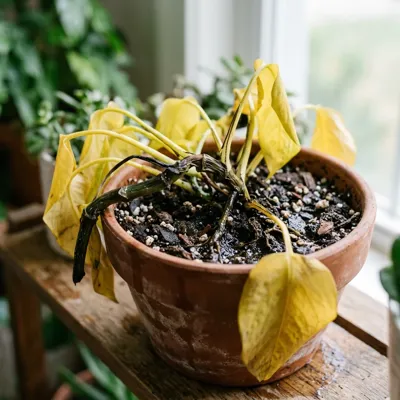
Fungus gnats are inevitably introduced into our homes through new plants, open windows, or contaminated bags of potting soil. However, they only thrive and multiply when they find their ideal breeding ground: constantly moist soil. A thriving fungus gnat population almost always points to a chronic overwatering issue. The damp top layer of soil provides the perfect environment for adult females to lay eggs and for the larvae to feed on soil fungi and decaying organic matter.
Immediate Treatment: Dry Out the Soil and Trap Adults
The very first step to eradicating fungus gnats is to immediately stop watering. Fungus gnat larvae require moisture to survive. By letting the top 2-3 inches of your potting mix dry out completely between waterings, you create an inhospitable environment for the eggs and larvae. This simple cultural control is your first line of defense.
At the same time, deploy yellow sticky traps. Adult gnats are highly attracted to the color yellow. Cut small squares of yellow sticky paper and place them flat on the soil or attach them to small stakes in the pot. While this won't solve the infestation on its own, it will quickly reduce the adult population and stop them from laying more eggs in the soil.
The BTI Treatment (Bacillus thuringiensis israelensis)
Drying the soil and trapping adults will reduce numbers, but to fully eradicate an infestation, you must use a biological larvicide. The most effective botanical treatment is Bacillus thuringiensis israelensis (BTI). BTI is a naturally occurring soil bacterium that is deadly to fungus gnat larvae (and mosquito larvae) but is non-toxic to pets for plants, pets, humans, and beneficial insects. When the larvae ingest the BTI, it destroys their digestive tracts, killing them within 24 hours.
How to Use Mosquito Bits or Dunks
Mosquito Bits or Mosquito Dunks are the most common and accessible commercial sources of BTI. For a complete deep-dive on brewing technique and water safety, see our dedicated guide on using Mosquito Dunks in houseplant water. To apply the treatment effectively:
- Fill a watering can with water.
- Add 1-2 tablespoons of Mosquito Bits or a quarter of a Mosquito Dunk per gallon of water.
- Let it soak for at least 30 minutes, though soaking overnight creates a stronger "tea".
- Strain out the bits (they can mold if left on the soil surface) and use this infused water for your regular plant watering.
Use this BTI tea every time you water your plants for the duration of the treatment.
The 30-Day Lifecycle: Why Treatment Takes Time
A common mistake is stopping the BTI treatment too early. Adult gnats live for about a week, but a single female can lay up to 200 eggs. These eggs hatch into larvae, which feed in the soil for about two weeks before pupating and emerging as new adults. Because the total life cycle spans about 3-4 weeks, you must use BTI treated water consistently for a full month. This ensures you kill every successive generation of larvae as eggs hatch. If you stop after two weeks, the remaining eggs will hatch, and the infestation will return.
Prevention: Keeping Gnats Away Permanently
Once you have eradicated the gnats, prevention is simple. The best way to prevent future outbreaks is to repot your plants in a chunky, well-draining soil mix that doesn't hold excess moisture. Always quarantine new plants for at least two weeks. Consider storing your unused potting soil in airtight containers to prevent gnats from breeding in the bag. Finally, consider bottom watering your plants; by placing your pots in a tray of water and letting them soak from the bottom up, the top layer of soil remains dry, preventing adult gnats from laying eggs.
When Treatment Fails: Troubleshooting
If you have used BTI and sticky traps for 4 weeks and still see fungus gnats, double-check these factors:
- Are you keeping the soil too wet? Even with BTI, a permanently soggy pot can overwhelm the treatment. Ensure the top two inches dry out completely.
- Did you treat every plant? Gnats will migrate to untreated pots. You must treat all houseplants in the home simultaneously.
- Are they actually fruit flies? Double-check the identification. BTI does not kill fruit flies, drain flies, or shore flies.
- Is your BTI expired? Mosquito Dunks and Bits lose efficacy if stored improperly or if they are very old.
Recommended next actions
Next Best Actions
Move from reading to action with related calculators, plant profiles, and quiz-based recommendations.
Topic Guide
Soil Moisture
Learn how to accurately check soil moisture for houseplants. Discover when to water using finger tests, moisture meters, and pot weight.
Topic Guide
Bottom Watering Plants
Learn how and when to bottom water your houseplants. Discover the benefits for root growth, how it helps prevent fungus gnats, and which plants prefer it.
Topic Guide
Potting Mix
Learn everything about potting mix for your indoor and aquarium plants. Expert care tips, troubleshooting, and related guides.
Guide
Mosquito Dunks for Houseplants: Stop Fungus Gnats
Having eradicated fungus gnats from 1,000+ western homes using BTI, I’ll show you how to turn one mosquito dunk into a season‑long, chemical‑free gnat killer that won’t harm your cat, dog, or children.
Topic Guide
Overwatering Plants: Symptoms, Diagnosis & Prevention
Learn how to identify, treat, and prevent overwatering in your indoor and aquarium plants. Expert care tips and troubleshooting.
Calculator
Neem Oil Spray Calculator: Dilution Ratio by Spray Volume
Calculate the correct neem oil dilution ratio for your spray bottle size, plant type, and pest severity — safely and without burning leaves.
Frequently Asked Questions
How do you get rid of fungus gnats?
What is the difference between fungus gnats and fruit flies?
How long does fungus-gnat treatment take?
Is BTI safe for pets and plants?
Does neem oil kill fungus gnats?
Will bottom watering stop fungus gnats?
Explore More