Neem Oil Spray Calculator: Get the Correct Dilution for Your Plants
Calculate the correct neem oil dilution ratio for your spray bottle size, plant type, and pest severity — safely and without burning leaves.
Quick Answer
By factoring in your specific plant type and environmental conditions, you can precisely tailor your care routine to ensure optimal health and prevent common issues like root rot.
Enter your details
Enter your details below to generate a custom recommendation.
Recommended Output
100% Pure Neem Oil
Liquid Soap Emulsifier
Spray Frequency
Caution: Safety Note
The Problem
Many plant owners guess at their care routines, leading to root rot, burned leaves, or stunted growth. Generic advice doesn't factor in specific plant species and local climate.
When to Use This Tool
Use this calculator when you bring home a new plant, when seasons change, or if your plant is showing signs of distress.
Who is this for?
- Beginner houseplant owners looking to avoid common mistakes
- Advanced collectors wanting to optimize growth rates
About this calculator
Using this calculator removes the guesswork from your plant care routine.
How to Use
- Select your plant type.
- Input your environmental conditions.
- Get your personalized recommendation.
The Importance of Precision
Every plant species has adapted to specific conditions in the wild. By mimicking those conditions in your home, you can dramatically increase the lifespan and vitality of your collection.
Visual Diagnosis: Spider Mites vs Mealybugs
Neem oil is an effective treatment, but identifying your specific pest ensures you target the right areas of the plant (undersides of leaves vs stem joints) during spraying.
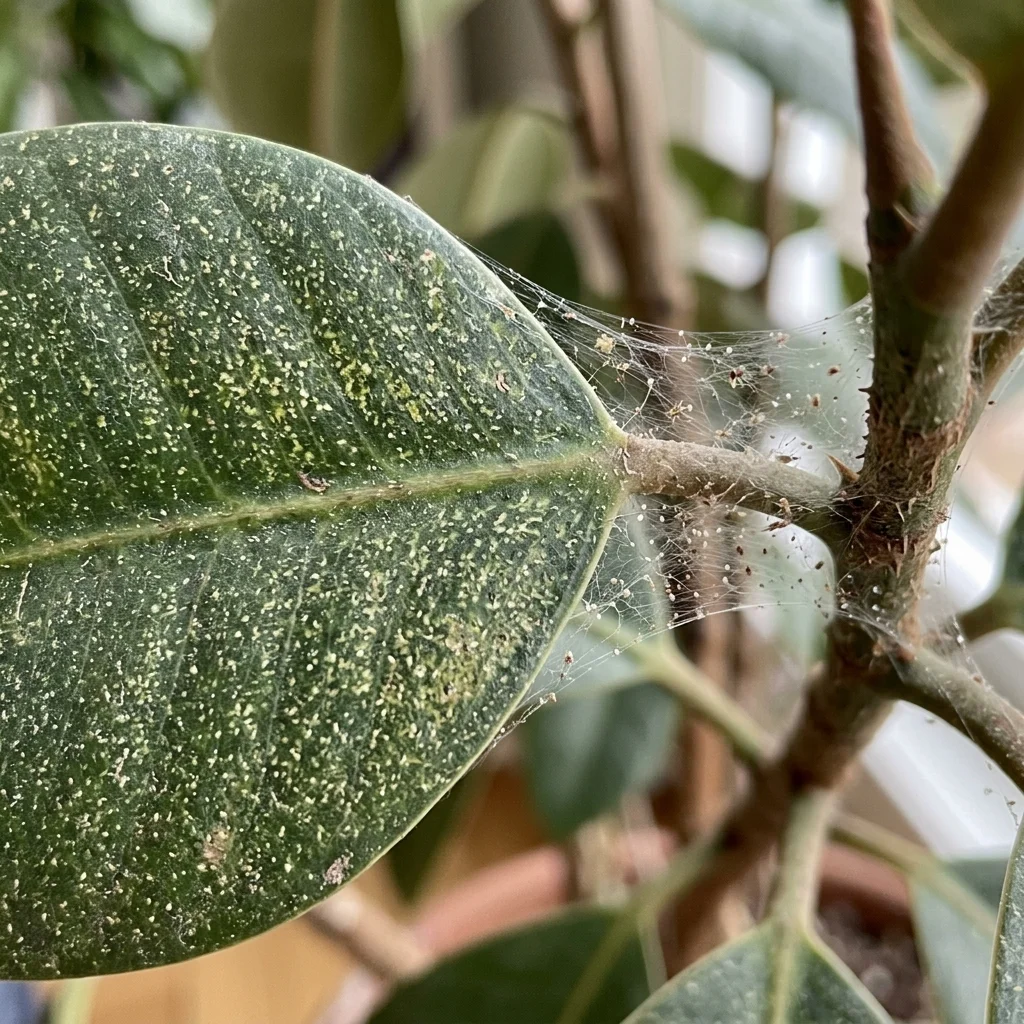
Spider Mites: Look for very fine webbing spanning between the stems and leaves, accompanied by tiny white or yellow stippling (speckling) across the leaf surface where the mites have fed.
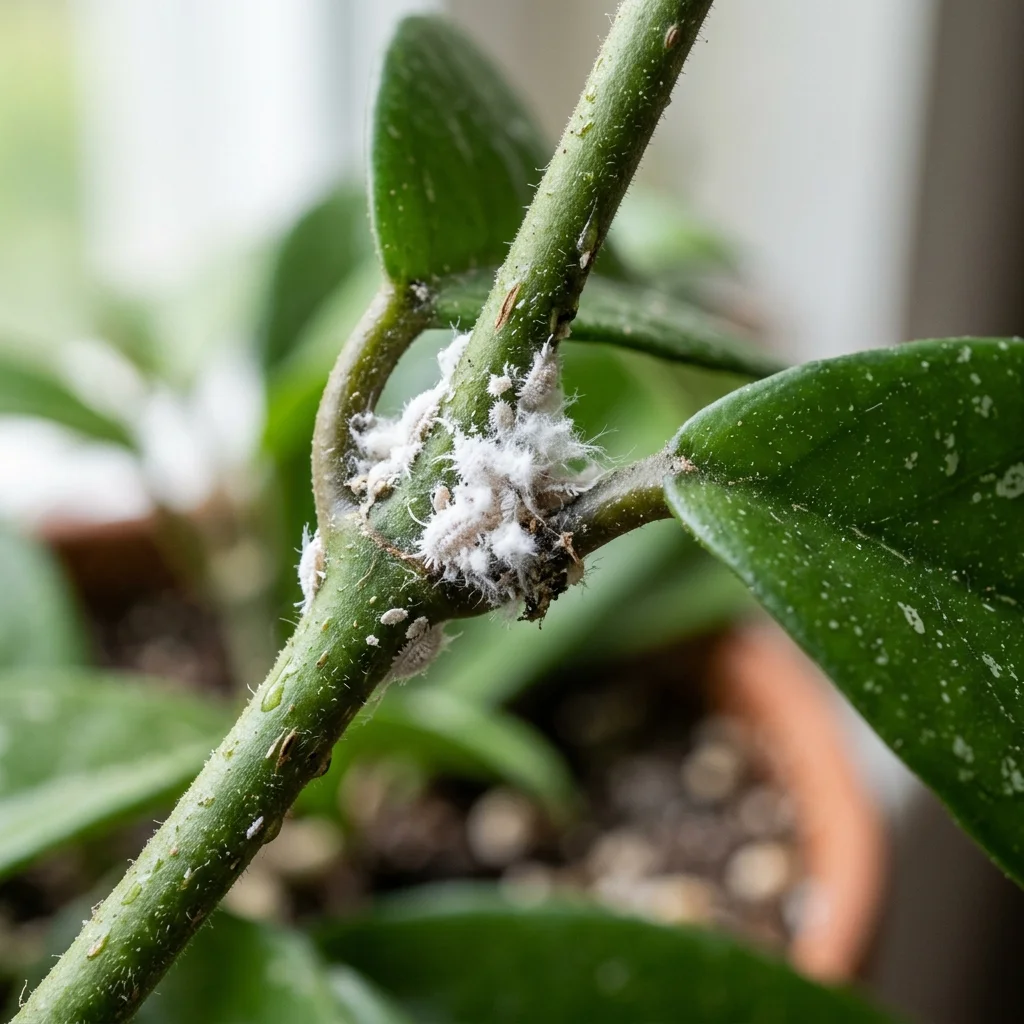
Mealybugs: These appear as small, white, fuzzy, cotton-like masses. They typically cluster deep in the leaf axils (where the leaf meets the stem) or along the main veins.
Recommended next actions
Next Best Actions
Use the result in a real care workflow with plant profiles, guides, and personalized quizzes.
Topic Guide
Spider Mites
Learn everything about spider mites for your indoor and aquarium plants. Expert care tips, troubleshooting, and related guides.
Topic Guide
Mealybugs
Learn everything about mealybugs for your indoor and aquarium plants. Expert care tips, troubleshooting, and related guides.
Topic Guide
Thrips
Learn everything about thrips for your indoor and aquarium plants. Expert care tips, troubleshooting, and related guides.
Topic Guide
Fungus Gnats
Learn everything about fungus gnats for your indoor and aquarium plants. Expert care tips, troubleshooting, and related guides.
Topic Guide
Scale Insects
Learn everything about scale insects for your indoor and aquarium plants. Expert care tips, troubleshooting, and related guides.
Neem Oil Spray Calculator Variations & Requirements
| Variation | Light Requirement | Watering Frequency | Difficulty |
|---|---|---|---|
| Standard | Bright Indirect | Weekly | Medium |
| Variegated | High Light | Weekly | Hard |
| Dwarf | Medium Light | Bi-Weekly | Easy |
Troubleshooting & Diagnostics Guide
1 Plant is dropping leaves despite following the recommendation
Diagnosis: Drafts, sudden temperature changes, or pest issues not related to the calculator's focus area.
Treatment: Isolate the plant, check for pests, and ensure it is away from heating/cooling vents.
Glossary of Terms
- Transpiration
- The process of water movement through a plant and its evaporation from aerial parts.
- Photoperiod
- The period of time each day during which an organism receives illumination.
Frequently Asked Questions
Is neem oil safe for pets and children?
Can I use neem oil on vegetables and edible plants?
Why do I need to add liquid soap to the neem oil mixture?
What is the difference between cold-pressed and clarified neem oil?
Can neem oil burn plant leaves?
Why does my neem oil spray look cloudy or separate?
My spray isn't working after 3 applications — why?
How often should I re-evaluate my spray frequency?
Reader Feedback
Feedback from PlantSolve readers who have used this guide. (2 reviews)
Raj P.
Mumbai, IN
Clear neem oil dilution calculation
I was confused about the standard dilution ratio, but this helped me calculate the concentration for my 32-ounce spray bottle.
Megan B.
Tampa, FL
Calculated oil dilution for sprayers
I needed to mix cold-pressed neem oil in a 32-ounce spray bottle. Entering the target volume gave me a straightforward measurement for dilution.