Scale Insects
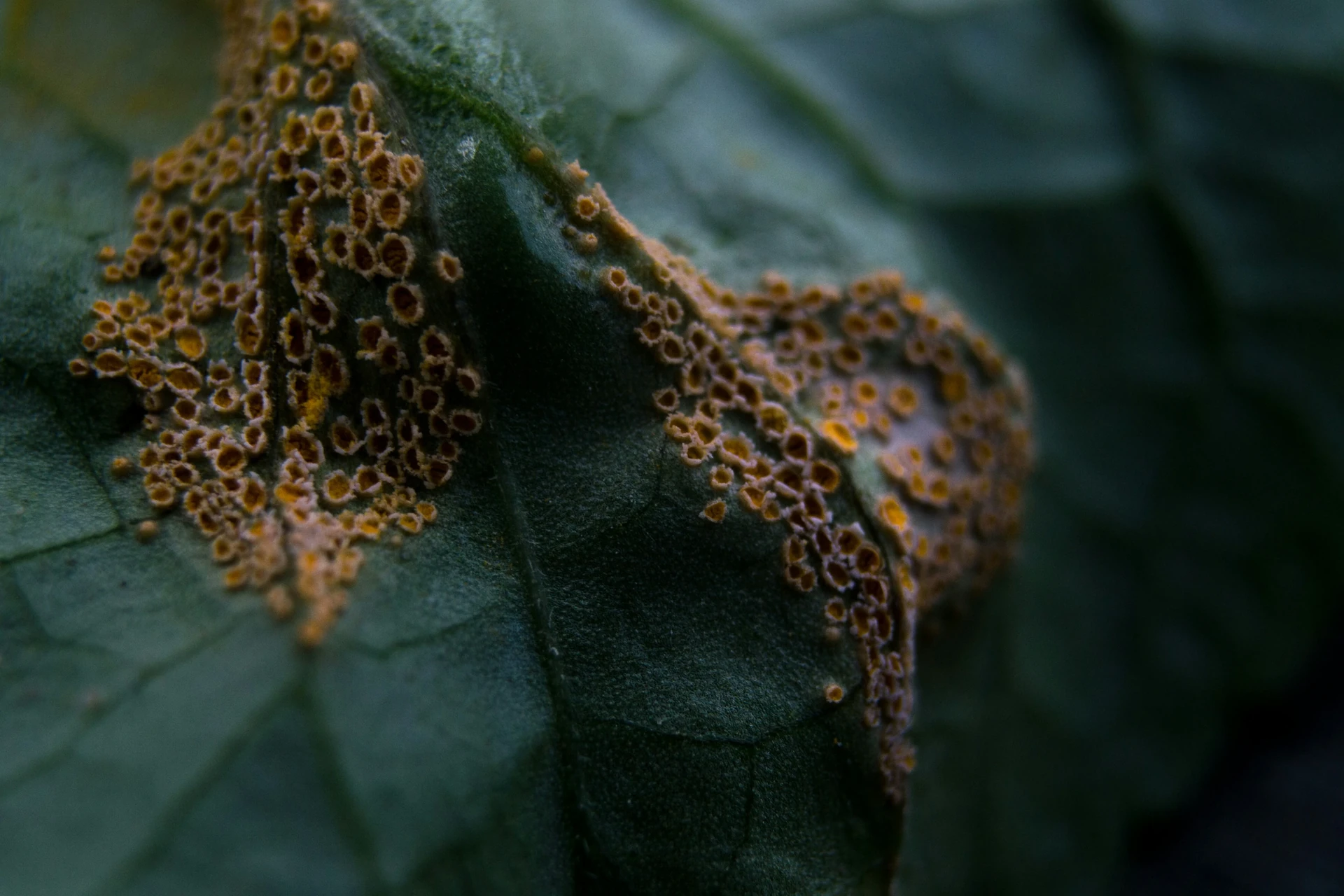
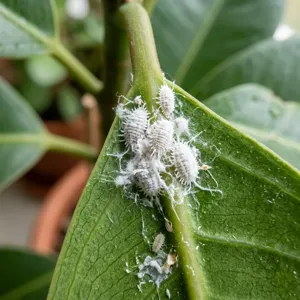
Scale insects are sap-sucking pests often mistaken for mealybugs or aphids, though they have distinct characteristics and a life cycle in which females lay eggs that hatch into mobile nymphs before settling into an immobile adult stage attached to the plant by a waxy secretion. This protective covering makes established scale resistant to many surface treatments. Because adult scale insects don't move once attached, infestations can go undetected until visible damage, stunted growth, yellowing leaves, reduced vigor, has already progressed. Severe, untreated infestations can eventually kill an affected plant.
From the Grower's Bench
Real-world experience
"Scale is sneaky. At first, you think it’s just a bump on the stem or sticky sap on the floor. I spent weeks wiping them off before I realized you have to physically dislodge their armor with rubbing alcohol. Neem oil alone rarely penetrates their protective shell."
Quick Answer
Scale insects are small, sap-sucking pests that attach to plants using a waxy protective secretion, feeding through piercing-sucking mouthparts. Adults are typically immobile once attached, making them easy to miss until damage like yellowing leaves or stunted growth appears. Scraping visible scale off with a fingernail or cotton swab dipped in alcohol is an effective direct treatment.
What Is Scale Insects?
Scale insects are small, sap-sucking insects that feed on plant sap, causing damage to leaves, stems, and roots. They are common pests in gardens and greenhouses, and can be difficult to control. Scale insects are often mistaken for other pests, such as mealybugs or aphids, but they have distinct characteristics and behaviors.
Scale insects have a unique life cycle, with females laying eggs on plant surfaces. The eggs hatch into nymphs, which go through several molts before reaching adulthood. Adult scale insects are usually immobile, attached to the plant by a waxy secretion, and feed on plant sap through their piercing-sucking mouthparts.
The damage caused by scale insects can be significant, leading to stunted growth, yellowing leaves, and reduced yields. In severe cases, scale infestations can kill plants. It is essential to identify and control scale insects early to prevent further damage.
Signs and Symptoms
Scale insects can be difficult to detect, but there are several signs and symptoms to look out for:
- White, cottony patches on plant surfaces, often near the base of the plant or on the underside of leaves.
- Small, immobile insects attached to plant surfaces, often with a waxy secretion.
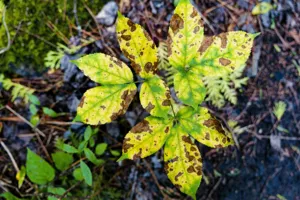
- Yellowing or stunted leaves, often with a sticky substance on the surface.
- Reduced plant growth or yields.
- Presence of ants or other insects on the plant, as they are often attracted to the honeydew produced by scale insects.
- Presence of sooty mold on plant surfaces, which can be a sign of a heavy scale infestation.
Step-by-Step: How to Treat Scale Insects
- Inspect the plant thoroughly for signs of scale insects, paying particular attention to the undersides of leaves and the base of the plant.
- Use a soft-bristled brush or a cotton swab to gently remove any visible scale insects from the plant.
- Apply a horticultural oil or insecticidal soap to the plant, following the product's instructions for application and concentration.
- Repeat the treatment every 7-10 days for 2-3 weeks to ensure that all stages of the scale insect life cycle are affected.
- Monitor the plant closely for any signs of re-infestation, and repeat the treatment as necessary.
- Consider using a systemic insecticide if the infestation is severe or widespread.
- Take steps to prevent re-infestation, such as removing weeds and debris from the area, and using physical barriers to prevent scale insects from reaching the plant.
Best Practices and Pro Tips
- Tip: Inspect your plants regularly to catch any signs of scale insects early, and prevent the infestation from spreading.
- Tip: Use a combination of control methods to ensure that all stages of the scale insect life cycle are affected.
- Tip: Monitor the plant closely after treatment to ensure that the infestation is under control.
- Tip: Consider using a systemic insecticide if the infestation is severe or widespread.
- Tip: Take steps to prevent re-infestation by removing weeds and debris from the area, and using physical barriers to prevent scale insects from reaching the plant.
Quick Reference Table
| Factor | Recommended Range | Why It Matters |
|---|---|---|
| Temperature | 65-75°F (18-24°C) | Scale insects are most active at temperatures between 65-75°F (18-24°C), making it essential to control them during this time. |
| Humidity | 40-60% | Scale insects thrive in humid environments, making it essential to maintain a relative humidity of 40-60% to prevent infestations. |
| Concentration | 1-2% horticultural oil | Using a concentration of 1-2% horticultural oil is essential to effectively control scale insects without harming the plant. |
| Distance | 6-8 inches (15-20 cm) | Applying the horticultural oil at a distance of 6-8 inches (15-20 cm) from the plant is essential to prevent damage to the leaves and stems. |
| Volume | 1-2 gallons (3.8-7.6 liters) | Using a volume of 1-2 gallons (3.8-7.6 liters) of horticultural oil is essential to effectively control scale insects on large plants. |
| Timeframe | 7-10 days | Repeating the treatment every 7-10 days for 2-3 weeks is essential to ensure that all stages of the scale insect life cycle are affected. |
Best Plants for Scale Insects
Some plants are more susceptible to scale insects than others. Here are six plants that are commonly affected:
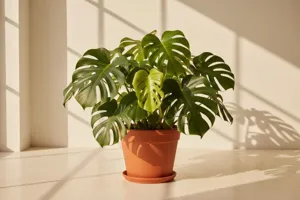
1. Monstera deliciosa (Monstera)
2. Dracaena marginata (Red-Edged Dracaena)
3. Philodendron selloum (Philodendron)
4. Sansevieria trifasciata (Snake Plant)
5. Dieffenbachia maculata (Dumb Cane)
6. Peperomia obtusifolia (Baby Rubber Plant)
Common Mistakes to Avoid
- Mistake: Not inspecting the plant regularly to catch any signs of scale insects early.
- Mistake: Using a single control method to control scale insects, without considering the life cycle and behavior of the pest.
- Mistake: Not monitoring the plant closely after treatment to ensure that the infestation is under control.
- Mistake: Not taking steps to prevent re-infestation by removing weeds and debris from the area, and using physical barriers to prevent scale insects from reaching the plant.
- Mistake: Using a horticultural oil or insecticidal soap that is not suitable for the plant species or is applied at the wrong concentration.
Frequently Asked Questions
What is the effectiveness of treating scale insects with horticultural oil?
The effectiveness is high if the oil is applied thoroughly and repeatedly. Horticultural oils work by smothering the insects, but they must coat the scale completely to be effective. Because the oil only kills the bugs it touches, you must reapply it to catch newly hatched nymphs.
What is the best season to treat scale insects?
You should treat scale insects immediately upon discovering them, regardless of the season. However, they are often most active and reproduce fastest during the warmer spring and summer months. Catching them early prevents them from spreading to other plants.
What materials or technique requirements are necessary to treat scale insects?
You need rubbing alcohol, cotton swabs, and insecticidal soap or horticultural oil. First, use an alcohol-soaked swab to physically remove the adult scale bumps. Then, spray the plant thoroughly with the oil or soap to kill any crawling nymphs you can't see.
What aftercare and long-term maintenance is necessary to prevent re-infestation?
Keep the treated plant isolated from your other plants for at least a month. Inspect the stems and undersides of the leaves weekly. Once the plant has been clear of scale for a full month, you can return it to its normal spot.
What real-world troubleshooting scenario should I be aware of when treating scale insects?
A common issue is assuming the scale is gone after one treatment. The hard shell of the adult scale protects the eggs underneath, which can hatch days or weeks later. You must commit to checking the plant and retreating it every 7 to 10 days for about a month to break the life cycle.
Explore More
Related Topics
Related Plant Guides
No specific plant guides found matching this topic.
Recommended next actions
Continue Exploring
Dive deeper into related plant care tools and profiles.
Topic Guide
Mealybugs
Learn everything about mealybugs for your indoor and aquarium plants. Expert care tips, troubleshooting, and related guides.
Topic Guide
Aphids
Learn everything about aphids for your indoor and aquarium plants. Expert care tips, troubleshooting, and related guides.
Topic Guide
Fungus Gnats
Learn everything about fungus gnats for your indoor and aquarium plants. Expert care tips, troubleshooting, and related guides.