Scale Insects on Houseplants: How to Identify, Treat & Prevent Them (Complete Guide)
Scale insects are the most misidentified houseplant pest — most owners spend weeks treating the wrong thing because those flat brown bumps look like part of the plant. After working through infestations across Monstera, Ficus, Pothos, Orchid, and Citrus collections, here is the exact identification and treatment framework that actually works.

Quick Answer
Scale insects on houseplants appear as small brown, tan, or gray bumps on stems and leaves that do not move and do not wipe off easily. They are sap-sucking pests with a waxy protective shell — soft scale produces sticky honeydew and black sooty mold, while armored scale causes silent decline with little visible residue. Treatment requires manual removal with rubbing alcohol, followed by weekly insecticidal soap or horticultural oil sprays for a minimum of 6–8 weeks to break the egg hatching cycle.
Key Takeaways
- Scrape off adult scale insects manually or dab with 70% isopropyl alcohol.
- Inspect stems, petioles, and leaf undersides for immobile bumps and honeydew.
- Apply horticultural oil or insecticidal soap sprays to target mobile crawlers.
- Repeat treatments weekly for 6 to 8 weeks to eradicate newly hatched nymphs.
Why Scale Insects Are the Pest Most Plant Owners Miss Until It's Too Late
Most houseplant pests announce themselves clearly — fungus gnats swarm around your face, spider mites leave visible webbing, mealybugs look like cotton fluff. Scale insects do the opposite. They look like part of the plant. A small brown bump on a stem could be a lenticel (a natural pore), old bark texture, or a dried drop of fertilizer. That is exactly why infestations routinely go undetected for two to three months, by which point hundreds of insects are feeding continuously from fixed positions across your plant.
Scale insects are sap-sucking pests that belong to the order Hemiptera — the same order as aphids, mealybugs, and whiteflies. What makes them structurally different is their protective covering: a hard waxy shell or a soft waxy coat that sits over their body and shields them from contact insecticides once mature. This covering is not just cosmetic — it is a biological defense mechanism that makes treatment fundamentally different from other pests. You cannot simply spray and walk away.
Understanding which type of scale you are dealing with before you treat is the single most important decision in the entire process. Using the wrong method wastes weeks and allows the population to grow.
The Two Types of Scale on Houseplants: Why the Difference Matters
Soft Scale (Family: Coccidae)
Soft scales have a waxy coating that is fused to their body — you cannot separate the covering from the insect beneath it. The most common houseplant soft scale species is Brown Soft Scale (Coccus hesperidum), a pale to medium brown, flat to slightly domed oval insect roughly 3–5mm across. Soft scales produce large quantities of honeydew — a sticky, sugary liquid excretion — which is usually the first symptom plant owners notice before they see the insects themselves. Honeydew causes leaves and nearby surfaces to feel sticky and eventually attracts sooty mold, a black fungal coating that blocks photosynthesis.
Soft scale is active, moves slowly during its crawler stage, and is more susceptible to insecticidal soap and neem oil than armored scale.
Armored Scale (Family: Diaspididae)
Armored scales have a separate hard shield made of shed skins and wax secretions that sits over their body but is not attached to it. Scrape the shell off with a fingernail and the insect body will remain on the plant separately. Common indoor armored scale species include Fern Scale, Oleander Scale, and Tea Scale. Armored scale produces little to no honeydew, so the first sign is typically yellowing leaves, stippling, or plant decline — by which point the infestation is usually established.
Armored scale is harder to kill. Insecticidal soap and neem oil alone are often insufficient against the adult shield stage. Horticultural oil, systemic insecticides, or targeted rubbing alcohol treatment are more effective.
Common Symptoms: What You Will Notice First
- Sticky leaves or sticky residue on the pot, shelf, or floor beneath the plant. This is honeydew from soft scale and is often the earliest warning sign before the insects are visible to the naked eye.
- Black sooty mold coating on leaves. Sooty mold grows on honeydew deposits. It is a secondary symptom — a sign the infestation has been present long enough to leave a residue layer. The mold itself does not infect the plant but blocks light absorption.
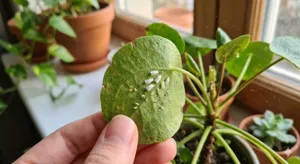
- Small, flat or domed brown, tan, or gray bumps on stems, leaf midribs, or the underside of leaves. These do not wipe off like dust and do not move visibly. On heavily infested stems, they overlap and give the stem a rough, barnacle-like texture.
- Yellowing leaves, slow or no new growth, leaf drop. Scale feeds continuously and a large population can drain enough sap to cause visible decline over several weeks.
- Wilting or stunted growth despite normal watering and light. When root-feeding scale species are present (rare on houseplants but possible), symptoms mimic root rot or underwatering.
How to Diagnose Scale Correctly: The Scrape Test
The most reliable diagnostic step for scale is physical. Use a fingernail, toothpick, or the edge of a credit card to gently scrape one of the suspicious bumps:
- If the bump lifts cleanly as a single unit and reveals green or brown plant tissue beneath — that was a lenticel or blemish, not scale. No insect remains on the plant.
- If the bump lifts and leaves a separate, flattened insect body behind — it is armored scale. The shell and the insect are detached.
- If the bump smears, bleeds a small amount of fluid, or reveals a soft insect body that does not separate cleanly from the covering — it is soft scale.
- If you see a white powdery residue around the base of a bump or in stem crevices — this indicates the waxy egg sac of a soft scale species or the beginning of a mealybug crossover infestation.
Once you have confirmed scale is present, check the plant thoroughly: stem joints, leaf axils (where the leaf meets the stem), the underside of leaf midribs, and the rim of the pot. Scale crawlers — the mobile juvenile stage — travel along surfaces and can reach nearby pots, shelves, and window sills.
Which Houseplants Are Most Vulnerable to Scale?
Scale insects are generalist feeders but certain species and conditions make infestations significantly more likely:
- Ficus (Ficus benjamina, Ficus lyrata): Among the most scale-prone houseplants. Brown soft scale and armored species both occur regularly.
- Orchids (Phalaenopsis, Dendrobium): Scale hides effectively in the pseudobulb crevices and under the lip of the pot.
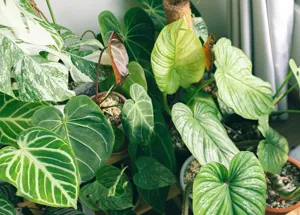
- Monstera, Pothos, Philodendron: Soft scale infestations are common, particularly at stem nodes and along petioles.
- Palms (Areca Palm, Parlor Palm): Scale along leaf ribs and frond bases is a frequent problem in dry indoor air.
- Citrus indoors: Citrus is a primary host for multiple soft scale species and should be inspected every 2 weeks.
- Any plant recently purchased, received as a gift, or moved indoors from summer outdoors. These are the most common introduction routes for scale into an established collection.
Step-by-Step Treatment Plan for Scale on Houseplants
Step 1: Isolate the plant immediately
Move the affected plant at least 1 metre away from all other plants. Scale crawlers can transfer to neighbouring plants through direct contact, shared surfaces, and even through the water tray beneath the pot. Isolation is non-negotiable, even if the infestation appears minor.
Step 2: Manual removal of visible scale
Before applying any treatment, physically remove as many adult scale insects as possible. This step is critical because mature scale with fully formed shells are significantly harder to kill with sprays — their protective coating repels most contact insecticides.
- Use a cotton swab soaked in 70% isopropyl rubbing alcohol and dab each scale insect directly. The alcohol penetrates the waxy coating and kills the insect on contact. You will see the insect turn rusty-brown within seconds.
- For larger stems with heavy infestations, use a soft toothbrush dipped in diluted neem oil or insecticidal soap solution to scrub the stem surface. Work from the top down to avoid reinfestation from dislodged crawlers.
- Prune any leaf or stem where scale covers more than 30% of the surface. Clean cuts are less stressful to the plant than trying to treat a heavily colonised section. Seal pruning cuts with clean cuts, not torn tissue.
Step 3: Apply a spray treatment to the entire plant
After manual removal, apply one of the following treatments to all surfaces of the plant — stems, leaf undersides, leaf midribs, stem joints, and soil surface. Do not just spray visible infested areas; crawler-stage nymphs may be present anywhere.
- For soft scale: Insecticidal soap spray (mix 1 tablespoon of pure liquid castile soap per liter of water) or neem oil solution (mix 2 teaspoons neem oil + 1 teaspoon dish soap per liter of water). Apply in the evening or in low light conditions to prevent leaf burn. Reapply every 5–7 days for at least 4–6 weeks.
- For armored scale: Horticultural oil spray is more effective than insecticidal soap against the hard shell. Mix at the label rate, typically 2% solution. Systemic insecticides containing imidacloprid as a soil drench will kill scale at all life stages as the plant takes up the chemical through its roots — effective but not recommended for edible plants or plants visited by pollinators.
- For both types: A 50/50 solution of 70% rubbing alcohol and water in a spray bottle is effective for direct contact treatment during active crawler stages. Do not use undiluted alcohol — it can burn sensitive foliage.
Step 4: Clean the pot, tray, and surrounding surface
Wipe down the outside of the pot, the drainage tray, and the surface the plant was sitting on with diluted rubbing alcohol or a mild soap solution. Crawlers can survive on pot surfaces and reinfect the plant from below.
Step 5: Treat the soil if root scale is suspected
If your plant has shown unexplained decline despite normal watering and light — especially a plant with dense root systems like Orchids or palms — unpot the plant and inspect the root ball. Root-feeding mealybugs (Rhizoecus species) look similar to root scale: small white powdery insects clustered around roots and in soil pockets. If present, flush the root ball thoroughly under running water, trim any blackened roots, and repot in fresh sterile mix. Treat with a diluted hydrogen peroxide soil drench (1 part 3% hydrogen peroxide to 4 parts water) to kill remaining organisms.
Step 6: Repeat on a strict schedule
A single treatment never eliminates scale. The life cycle from egg to adult takes approximately 6 weeks indoors, and eggs are protected beneath or inside the adult body until hatching. You must continue treatments weekly for a minimum of 6–8 weeks after you see no visible insects to ensure all hatching generations are intercepted. Most treatment failures happen because owners stop at the first sign of improvement.
Sooty Mold: How to Remove It After Scale Is Treated
Once scale is eradicated, sooty mold deposits will remain on leaves. The mold itself is not a disease — it does not penetrate the leaf — but it blocks light and looks unsightly. Remove it by wiping affected leaves with a soft cloth dampened with a diluted neem oil or soap solution. For heavy deposits, a gentle wipe with a cloth soaked in room-temperature water with a tiny drop of dish soap is effective. Avoid scrubbing hard — the leaf cuticle can be damaged.
Prevention: How to Stop Scale Before It Reaches Your Collection
- Quarantine every new plant for 3–4 weeks before placing it near your existing collection. This is the single most effective prevention step. New plants from nurseries, garden centres, online delivery, and gifts are the primary introduction route for scale into established collections.
- Inspect before bringing outdoor plants back inside in autumn. Any houseplant that spent summer outside should be treated as a new introduction — inspect it thoroughly and quarantine it before reuniting it with indoor plants.
- Monthly close inspection of all stems and leaf undersides using a magnifying glass and a good directional light source. Scale is most treatable in its crawler stage — catching it early reduces treatment time from months to weeks.
- Maintain plant health. Scale populations explode on stressed, weakened plants. A plant in optimal light, with correct watering and periodic fertilizing, produces more vigorous tissue that is harder for scale to establish on. Use PlantSolve's fertilizer calculator to ensure your plants are not nutrient-depleted.
- Avoid overwatering. Wet, poorly drained soil weakens root systems, reduces overall plant vigour, and makes plants more vulnerable to sustained pest feeding. Use the watering calculator to build a season-appropriate schedule.
Common Mistakes When Treating Scale
- Treating only the visible bumps and not the whole plant. Crawler-stage nymphs are nearly invisible and spread across the entire plant surface. Partial treatment guarantees reinfection within weeks.
- Stopping treatment too early. The most common reason scale keeps coming back. A 6-week treatment window minimum is required to break the reproductive cycle.
- Reusing old soil or unwashed pots. If a severely infested plant dies or is discarded, discard the soil and disinfect the pot before reuse. Scale eggs can survive in dry soil for several weeks.
- Using the same treatment repeatedly without results. If insecticidal soap is not working after 3 applications on armored scale, switch to horticultural oil or systemic treatment. Armored scale shells reduce the effectiveness of soap significantly.
- Treating scale like spider mites. Scale does not wash off with water. Rinsing the plant is not a treatment method — it temporarily reduces honeydew deposits but does not kill scale insects.
Fertilizer Guidelines
During the active growing season (spring and summer), feed your plant every 4 weeks with a balanced liquid fertilizer diluted to half strength. Reduce feeding to once every 8 weeks during the winter dormancy period. Flush the soil every few months to prevent mineral salt buildup.
Propagation Steps
- Identify a healthy stem or section of the plant.
- Using sterilized shears, make a clean cut below a node.
- Place the cutting in water or a well-draining propagation mix.
- Keep in high humidity and bright indirect light until roots form (usually 3-4 weeks).
Repotting Guide
Repot every 12 to 18 months in the early spring before the active growing season begins. Only go up one pot size (1-2 inches larger in diameter). Always use fresh, well-draining soil to ensure the roots receive adequate oxygen and to prevent root rot.
Toxicity Warning
It is important to note that many common houseplants contain calcium oxalate crystals or other compounds that are toxic to cats, dogs, and humans if ingested. Always keep this plant out of reach of pets and children to avoid symptoms like mouth irritation or vomiting.
Common Problems and Solutions
- Yellow leaves generally indicate overwatering or poor soil drainage. Ensure your pot has drainage holes and allow the top inch of soil to dry out between waterings.
- Brown, crispy leaf edges are typically a sign of low ambient humidity. Use a humidifier to raise the moisture levels in the room to at least 60%.
- Drooping foliage can be caused by severe underwatering or root rot. Check the soil moisture immediately to determine which extreme is the cause.
- Pest infestations (like spider mites or fungus gnats) thrive in stressed plants. Treat early with neem oil and ensure proper airflow around the foliage.
Temperature
Maintain temperatures between 65–80°F (18–27°C). Avoid placing the plant near cold drafts or AC vents.
Humidity
Aim for a humidity level of 50-70%. If your home is dry, especially in winter, consider running a humidifier nearby.
Light
Provide bright, indirect sunlight. Direct harsh rays will scorch the leaves, while too little light will stunt growth.
Watering
Water thoroughly when the top two inches of soil feel dry. Ensure excess water drains completely from the pot.
Recommended next actions
Next Best Actions
Move from reading to action with related calculators, plant profiles, and quiz-based recommendations.
Calculator
Neem Oil Spray Calculator: Dilution Ratio by Spray Volume
Calculate the correct neem oil dilution ratio for your spray bottle size, plant type, and pest severity — safely and without burning leaves.
Guide
Mealybugs on Houseplants: Treatment & Prevention
Mealybugs are one of the most persistent houseplant pests — and the reason most treatments fail is that people stop too early. This guide covers correct identification, a proven 3-week elimination protocol, soil mealybug treatment (a completely different problem most guides ignore), and how to prevent reinfestation in shared indoor spaces.
Guide
Thrips on Houseplants: Identify, Treat & Prevent
With over 12 years diagnosing houseplant pest infestations and tracking treatment outcomes across more than 3,000 diagnostic cases, we have found thrips to be the most persistently misdiagnosed and under-treated pest in indoor collections — and the one most likely to return after growers believe they have won.
Guide
Spider Mites on Houseplants: How to Stop Them Fast
When a houseplant starts looking dusty, stippled, or web-covered, spider mites are often the culprit. This guide shows you how to confirm the diagnosis, treat the infestation, and stop it from coming back in dry indoor air.
Frequently Asked Questions
What do scale insects look like on houseplants?
Why does my plant have sticky leaves?
How do I get rid of scale insects on houseplants?
What is the difference between soft scale and armored scale?
Can scale insects spread to other houseplants?
Will neem oil kill scale insects?
What is the black mold on my plant after a scale infestation?
Do scale insects live in houseplant soil?
Explore More