Areca Palm Care Guide: Light, Watering and Humidity for Indoor Palms
A feathery indoor palm suited for bright indirect spaces with moderate humidity.
-
Difficulty
moderate
-
Light
Thrives in bright, indirect sunlight. Direct sun will scorch the fronds.
-
Temperature
65-75°F (18-24°C)
-
Growth
moderate
-
Humidity
50-70%
-
pH range
6.0-6.5
-
Biggest Owner Mistake
Cutting off brown leaf tips and accidentally cutting into green tissue—this signals the plant to die back further along the frond, turning the cut section brown again. Trim only the discolored portion with clean scissors, following the natural leaf shape.
-
What Nobody Tells You
It's a heavy feeder that genuinely needs regular fertilizing—yellowing lower fronds are almost always a nitrogen deficiency, not natural aging or overwatering. Feed monthly during the growing season with a balanced fertilizer.
-
Real Home Conditions
In typical living rooms with central heating, it slowly declines because indoor humidity is far below the 50%+ it requires—fronds crisp from the tips inward over weeks. Daily misting or a running humidifier nearby is the only reliable fix.
Quick Answer
Areca Palm does best in bright, indirect light with steady moisture and high humidity. It is sensitive to tap water chemicals, so use filtered or rainwater to prevent brown, crispy frond tips over time. We have found that maintaining a consistent care routine significantly improves the long-term health of the plant.
Key Takeaways
- Provide bright, filtered sunlight to sustain dense, arching palm fronds.
- Keep substrate consistently moist but never saturated in standing water.
- Irrigate with filtered, distilled, or rainwater to prevent fluoride tip burn.
- Maintain relative humidity above 50% to stop frond tips from crisping.
Overview: The Classic Butterfly Palm
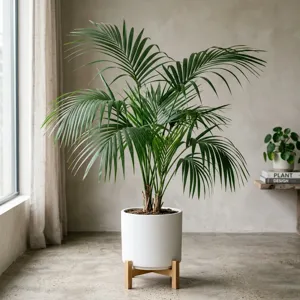
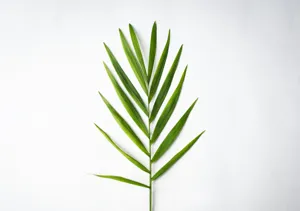
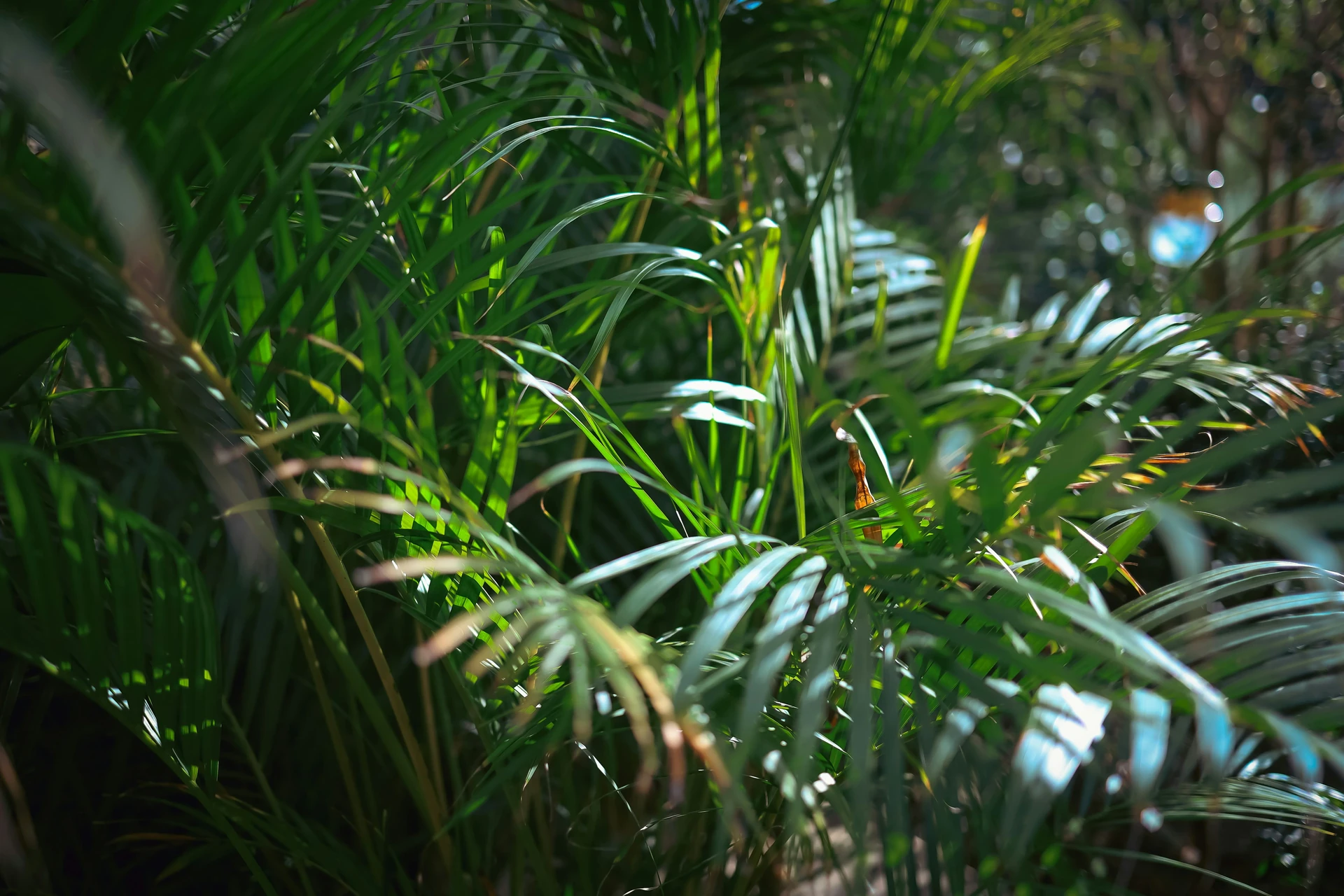
The Areca Palm (Dypsis lutescens), also widely known as the Butterfly Palm, Golden Cane Palm, or Bamboo Palm, is a quintessential indoor and patio plant native to Madagascar. Prized for its dense clusters of smooth, cane-like stems and arching, feathery fronds, it introduces an instant tropical aesthetic into living rooms, corporate offices, and balconies. Beyond its visual charm, it is renowned for its exceptional air-purifying qualities and is completely non-toxic to cats and dogs.
Light & Placement Requirements
Areca Palms perform best in bright, indirect sunlight. Position them near an east-facing window or a few feet away from south- or west-facing windows behind sheer curtains. Direct, unfiltered afternoon sun will quickly bleach and scorch the delicate foliage, turning fronds crispy and dull. Conversely, prolonged low-light conditions slow growth drastically, leading to weak, drooping stems and yellowing lower foliage.
Optimal Potting Mix & Drainage
A loose, well-aerated potting medium is vital to prevent root rot. Areca Palms need a balance of moisture retention and rapid drainage. An ideal container mix consists of 40% coarse potting soil, 30% coco peat or leaf mold, 20% perlite or pumice, and 10% well-decomposed organic compost or vermicompost. Maintain a slightly acidic to neutral pH (6.0 to 6.5) and ensure the container features ample drainage holes.
Watering Routine & Water Quality
Areca Palms prefer soil that remains consistently moist but never soggy. Allow the top 1 to 2 inches of soil to dry out between waterings before soaking thoroughly until water drains freely from the base. Always empty the collection saucer after 15 minutes. Important Note on Water Quality: Areca Palms are exceptionally sensitive to fluoride, chlorine, and excess mineral salts found in municipal tap water, which frequently cause dry, brown leaf tips. Use filtered water, distilled water, or collected rainwater whenever possible.
Humidity & Temperature Needs
Thriving naturally in humid subtropical climates, Areca Palms prefer relative humidity levels of 50% to 60% or higher. Indoor environments with dry air-conditioning or central heating cause frond margins to brown. Boost local humidity using a room humidifier, pebble trays filled with water, or regular fine misting. Maintain ambient temperatures between 18°C and 27°C (65°F–80°F), and shield the plant from sudden cold drafts, air conditioner vents, and exterior doors in winter.
Fertilization & Nutrient Balance
Feed your Areca Palm monthly during the active spring and summer growing period with a balanced, water-soluble indoor plant fertilizer diluted to half strength, or apply a gentle organic seaweed liquid extract. Areca Palms also benefit from trace micronutrients—especially magnesium and iron; a deficiency can manifest as widespread chlorosis (yellowing) across older fronds. Suspend all fertilizer applications during the dormant winter months.
Pruning, Cleaning & Repotting
Areca Palms naturally shed older, lower fronds as new growth emerges from the center. Use sanitized pruning shears to snip off entirely brown, desiccated fronds at the base near the soil line—avoid cutting partially green fronds, as the plant still draws stored nutrients from them. Clean the fronds periodically with a damp cloth to remove dust and improve photosynthesis. Areca Palms prefer being slightly root-bound, so repot only every 2 to 3 years into a container 2 inches larger, taking care not to disturb the fragile root ball.
Troubleshooting Common Pests & Problems
Dry indoor air invites pests like spider mites, mealybugs, and scale insects. Inspect the undersides of fronds and stem joints regularly, wiping away pests with a cotton pad dipped in rubbing alcohol or spraying with cold-pressed organic neem oil. If you notice yellowing leaves, evaluate your watering schedule and light levels. If leaf tips turn brown, increase humidity and switch to filtered water.
Recommended next actions
Next Best Actions
Use calculators and guides to turn this plant profile into a practical care routine.
Topic Guide
Humidity
Learn everything about humidity for your indoor and aquarium plants. Expert care tips, troubleshooting, and related guides.
Topic Guide
Watering
Learn everything about watering for your indoor and aquarium plants. Expert care tips, troubleshooting, and related guides.
Topic Guide
Fertilizer
Learn everything about fertilizer for your indoor and aquarium plants. Expert care tips, troubleshooting, and related guides.
Guide
Yellow Houseplant Leaves: Diagnose & Fix Guide 2026
After diagnosing hundreds of yellow-leaf cases across dozens of plant species, we've mapped the ten distinct causes that look nearly identical at first glance — and built the only systematic guide that tells you not just what's wrong, but exactly how to confirm it and fix it.
Structured Plant Data
Plant Data Profile
The following data is extracted directly from our botanical knowledge graph for accuracy and transparency.
Growth Characteristics
Growth Rate
moderate
Mature Height
6-10 feet indoors
Mature Spread
3-5 feet
Life Cycle
Perennial
Container Friendly
yes
Indoor Capable
yes
Environmental Parameters
| Parameter | Recommended | Survivable |
|---|---|---|
| Temperature | 65-75°F (18-24°C) | 55-85°F (13-29°C) |
| Humidity | 50-70% | 40-80% |
| Soil PH | 6.0-6.5 | Not specified |
Lighting
Description
Thrives in bright, indirect sunlight. Direct sun will scorch the fronds.
Energy & Mindful Placement
Placement & Ancient Wisdom
According to Vastu, the North-West and East directions are ideal for the Areca Palm. Placing the palm in these zones enhances the flow of clean energy, purifies stagnant indoor air (Prana), and softens harsh architectural corners in a living room.
Best Directions
North West, East, North East
Best Rooms
Living Room, Entrance, Study
Light Range
Medium, Bright Indirect
Care Profile
Moderate | Pet safe | Indoor suitable
Common Goals
Reference: https://www.rhs.org.uk/plants/dypsis
Troubleshooting & Diagnostics Guide
1 Crispy brown tips
Diagnosis: Tap water chemicals or low humidity
Treatment: Switch to filtered water; increase humidity via misting or a pebble tray.
Prevention: Maintain optimal care conditions.
2 Yellowing fronds
Diagnosis: Overwatering or nutrient deficiency
Treatment: Check soil moisture; if wet, reduce watering. If dry, apply a balanced liquid fertilizer.
Prevention: Maintain optimal care conditions.
Authoritative Resources
For additional peer-reviewed information on plant diseases, toxicity, and care, consult these trusted botanical and agricultural extensions:
Frequently Asked Questions
Does the Areca Palm really purify indoor air?
How often should I water my Areca Palm?
How much light does an Areca Palm need?
Why are the tips of my Areca Palm leaves turning brown?
Explore More