Calathea Orbifolia Care: Resolve Crispy Edges & Keep Leaves Lush
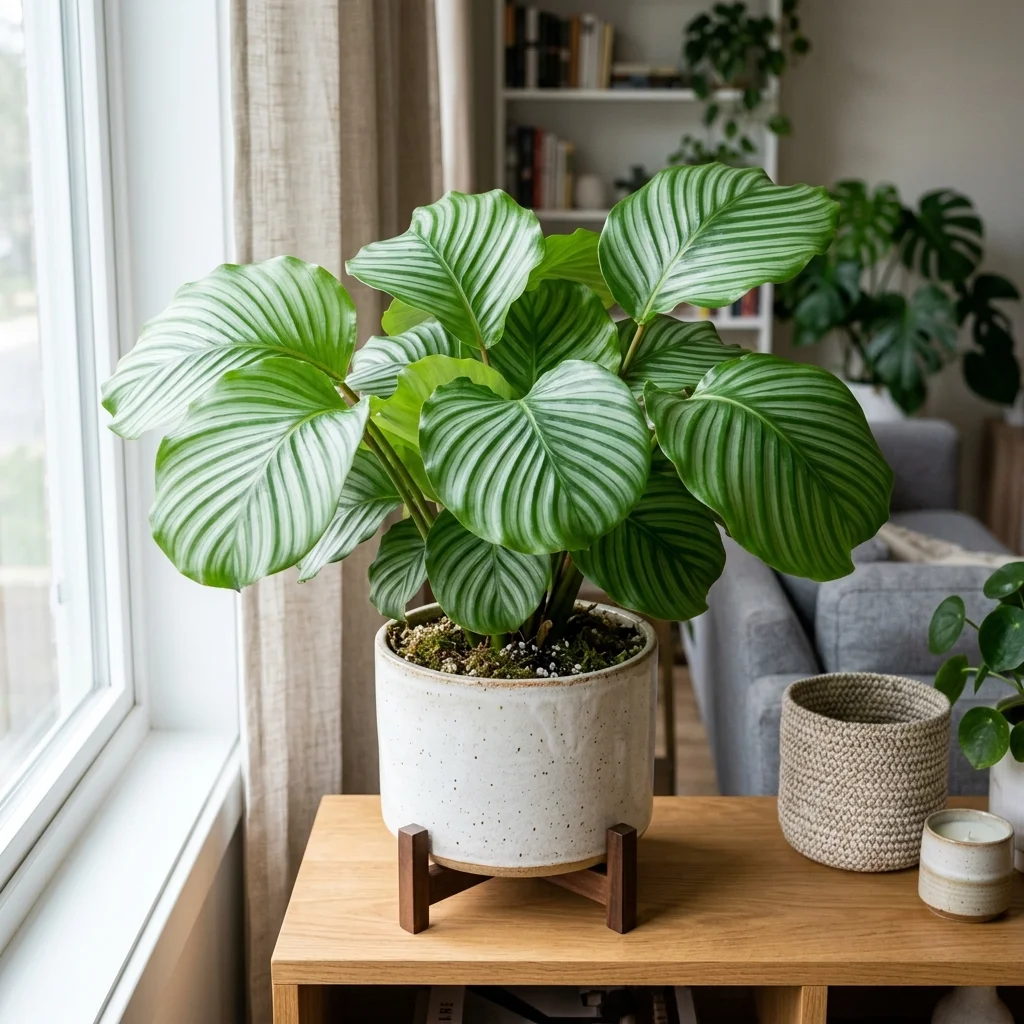
The Calathea Orbifolia is a show-stopping foliage plant prized for its massive, silver-striped leaves. It requires a dedicated care routine focused on high humidity and filtered water.
-
Difficulty
moderate
-
Light
Requires bright, filtered indirect light. Direct sunlight will bleach the leaves and scorch them instantly. Too little light will slow growth and reduce the bold striping.
-
Temperature
65°F - 80°F (18°C - 27°C)
-
Growth
moderate
-
Humidity
60% - 80%
-
pH range
6.0 - 6.5
-
Biggest Owner Mistake
Using tap water—the chlorine, fluoride, and dissolved minerals it contains cause brown leaf edges and crispy tips that appear within days and are permanent. Rainwater, distilled water, or filtered water is the only reliable solution.
-
What Nobody Tells You
The leaves fold upward vertically each night and flatten out again in daylight—this 'praying' movement is driven by changes in water pressure in specialized cells. When movement stops, it's one of the earliest signs the plant is under stress from drought, cold, or root problems.
-
Real Home Conditions
In dry heated or air-conditioned homes, leaf edges begin browning and curling within days regardless of correct watering, because the large leaf surface loses moisture to the air faster than the roots can supply it. A humidifier running nearby is essentially mandatory for pristine leaves.
Quick Answer
Calathea Orbifolia needs high humidity, evenly moist soil, and bright, indirect light. Crucially, you must water it with distilled or rainwater to prevent the crispy, brown leaf edges that tap water minerals commonly cause. Monitoring the plant regularly helps catch early signs of stress before they cause any lasting damage.
Key Takeaways
- Provide bright, indirect light to protect metallic silver striping from fading.
- Maintain ambient relative humidity above 60% to prevent brown, crispy edges.
- Keep substrate evenly moist using aerated, peat-perlite potting mixes.
- Irrigate exclusively with distilled water, reverse-osmosis water, or rainwater.
Overview
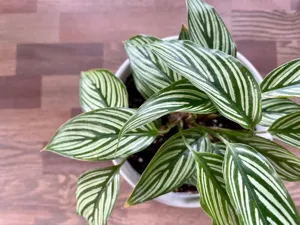
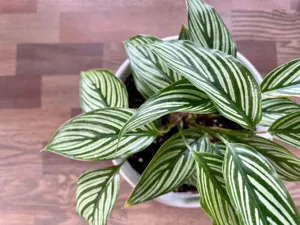
The Calathea Orbifolia (recently reclassified as Goeppertia orbifolia) is one of the most highly sought-after indoor plants due to its massive, round leaves adorned with striking metallic silver stripes. Native to the humid understory of the Bolivian rainforest, it is accustomed to filtered light, constant moisture, and thick, humid air.
While it is an absolutely stunning statement piece, it has earned a reputation for being somewhat difficult to keep pristine in standard Western homes. Central heating in the winter and air conditioning in the summer strip the air of the moisture this plant desperately needs, leading to its most famous complaint: crispy, brown leaf edges. However, by mastering its watering and humidity requirements, you can keep an Orbifolia looking lush and vibrant.
Light Requirements
In its native habitat, the Orbifolia grows on the forest floor, protected by the canopy above. Indoors, it needs bright, indirect light. An east-facing window that gets gentle morning sun or a north-facing window is ideal. You must protect it from harsh, direct afternoon sunlight, which will quickly bleach the beautiful silver striping and scorch the delicate leaves.
Watering: The Filtered Water Rule
Calatheas are notoriously dramatic when it comes to water quality. Municipal tap water in North America and Europe often contains chlorine, chloramine, fluoride, and heavy minerals. The Orbifolia cannot process these chemicals; it pushes them to the tips and edges of its leaves, resulting in chemical burns (brown, crispy edges).
You must use filtered, distilled, or rainwater.
The soil should be kept "evenly moist." Do not let the pot dry out completely, but do not let it sit in a saucer of water, which will cause root rot. Water thoroughly when the top inch or two of soil feels dry to the touch.
Temperature and Drafts
Keep your Orbifolia in a warm room between 65°F and 80°F (18°C - 27°C). It is highly sensitive to sudden temperature changes. Keep it well away from drafty winter windows, exterior doors, and direct blasts from heating vents or AC units.
Humidity: The Non-Negotiable
This is a high-humidity plant. It requires ambient humidity levels above 60% to thrive and prevent leaf curling and browning. Typical indoor winter humidity often drops to 20-30%, which will cause the plant to struggle. Misting the leaves is ineffective and can promote fungal diseases. The best solution is to place a dedicated humidifier near the plant or keep it in a bright, humid bathroom.
Soil and Potting
The ideal soil mix must strike a delicate balance: it needs to retain moisture without becoming waterlogged. A mix of 50% high-quality potting soil, 30% perlite (for drainage), and 20% orchid bark or coco coir works perfectly. Repot only when the plant is completely root-bound, usually every 1 to 2 years in the spring.
Fertilizing
Because they are so sensitive to mineral salts, use a very light hand with synthetic fertilizers. Feed the plant once a month during the active growing season (spring and summer) using a balanced liquid fertilizer diluted to quarter-strength. Alternatively, top-dressing the soil with organic worm castings in the spring provides gentle, safe nutrients.
Toxicity
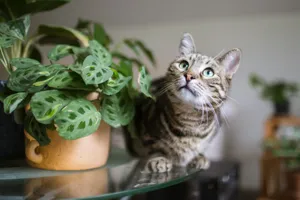
One of the best features of the entire Marantaceae family is that they are completely non-toxic to cats, dogs, and humans. It is a perfectly safe addition to a pet-friendly home.
Common Problems
Crispy Brown Edges: The number one issue. Caused by tap water chemicals, low humidity, or underwatering. Switch to distilled water and run a humidifier.
Leaves Curling Inward: The plant is severely dehydrated. It is attempting to reduce its surface area to stop moisture loss. Check the soil; if it is bone dry, soak it immediately. If the soil is wet, the roots may have rotted, preventing the plant from taking up water.
Faded Colors/No New Growth: This usually indicates that the plant is not receiving enough bright indirect light. Move it closer to a window, but out of direct sun.
Calculator
Interactive Calculators for Calathea Orbifolia
Recommended next actions
Next Best Actions
Use calculators and guides to turn this plant profile into a practical care routine.
Topic Guide
Humidity
Learn everything about humidity for your indoor and aquarium plants. Expert care tips, troubleshooting, and related guides.
Topic Guide
Watering
Learn everything about watering for your indoor and aquarium plants. Expert care tips, troubleshooting, and related guides.
Plant Guide
Maranta Prayer Plant Care
After nurturing and propagating over 120 Maranta specimens in dry, centrally heated indoor environments over the past 8 years, we have cracked the code on preventing the notorious curled brown leaves and restoring the nightly prayer movement.
Structured Plant Data
Plant Data Profile
The following data is extracted directly from our botanical knowledge graph for accuracy and transparency.
Growth Characteristics
Growth Rate
moderate
Mature Height
2-3 feet indoors
Mature Spread
2-3 feet
Life Cycle
Perennial
Flowering Season
Rarely flowers indoors
Container Friendly
yes
Indoor Capable
yes
Environmental Parameters
| Parameter | Recommended | Survivable |
|---|---|---|
| Temperature | 65°F - 80°F (18°C - 27°C) | 60°F - 85°F (15°C - 29°C) |
| Humidity | 60% - 80% | 50% - 90% |
| Soil PH | 6.0 - 6.5 | 5.5 - 7.0 |
Lighting
Description
Requires bright, filtered indirect light. Direct sunlight will bleach the leaves and scorch them instantly. Too little light will slow growth and reduce the bold striping.
Nutrients
Nitrogen Demand
moderate
Phosphate Demand
low
Potassium Demand
moderate
Micronutrient Notes
Extremely sensitive to salt buildup from synthetic fertilizers.
Fertilizer Frequency
Once a month during spring and summer at quarter strength.
Organic Options
Worm castings or a mild organic fish emulsion.
Relationships
-
Tap Water
Vulnerability | Strength 10
Highly sensitive to chlorine, chloramine, and fluoride in municipal tap water. This is the primary cause of crispy brown edges.
-
Low Humidity
Vulnerability | Strength 8
Dry indoor air (especially from central heating in winter) causes the leaves to curl and edges to brown.
Prayer Plant Family Comparison
| Plant | Leaf Pattern | Care Difficulty |
|---|---|---|
| Calathea Orbifolia | Round, silver & green stripes | Moderate |
| Maranta Leuconeura | Oval, red veins, dark spots | Moderate |
| Calathea Medallion | Round, dark green with pink/white rings | High |
Troubleshooting & Diagnostics Guide
1 Leaves developing dry, crispy, brown edges
Diagnosis: Chemical burn from tap water or severely low ambient humidity.
Treatment: Switch immediately to distilled or rainwater. Increase room humidity to at least 60% using a humidifier.
Prevention: Maintain optimal care conditions.
Authoritative Resources
For additional peer-reviewed information on plant diseases, toxicity, and care, consult these trusted botanical and agricultural extensions:
Frequently Asked Questions
Why does my Calathea Orbifolia have crispy brown edges?
How often should I water my Calathea Orbifolia?
Is Calathea Orbifolia toxic to cats and dogs?
Why are the leaves on my Calathea curling inward?
Does my Calathea need a humidifier?
Sources & References
-
Source: powo.science.kew.org
-
Source: edis.ifas.ufl.edu
Explore More