Direct Sunlight
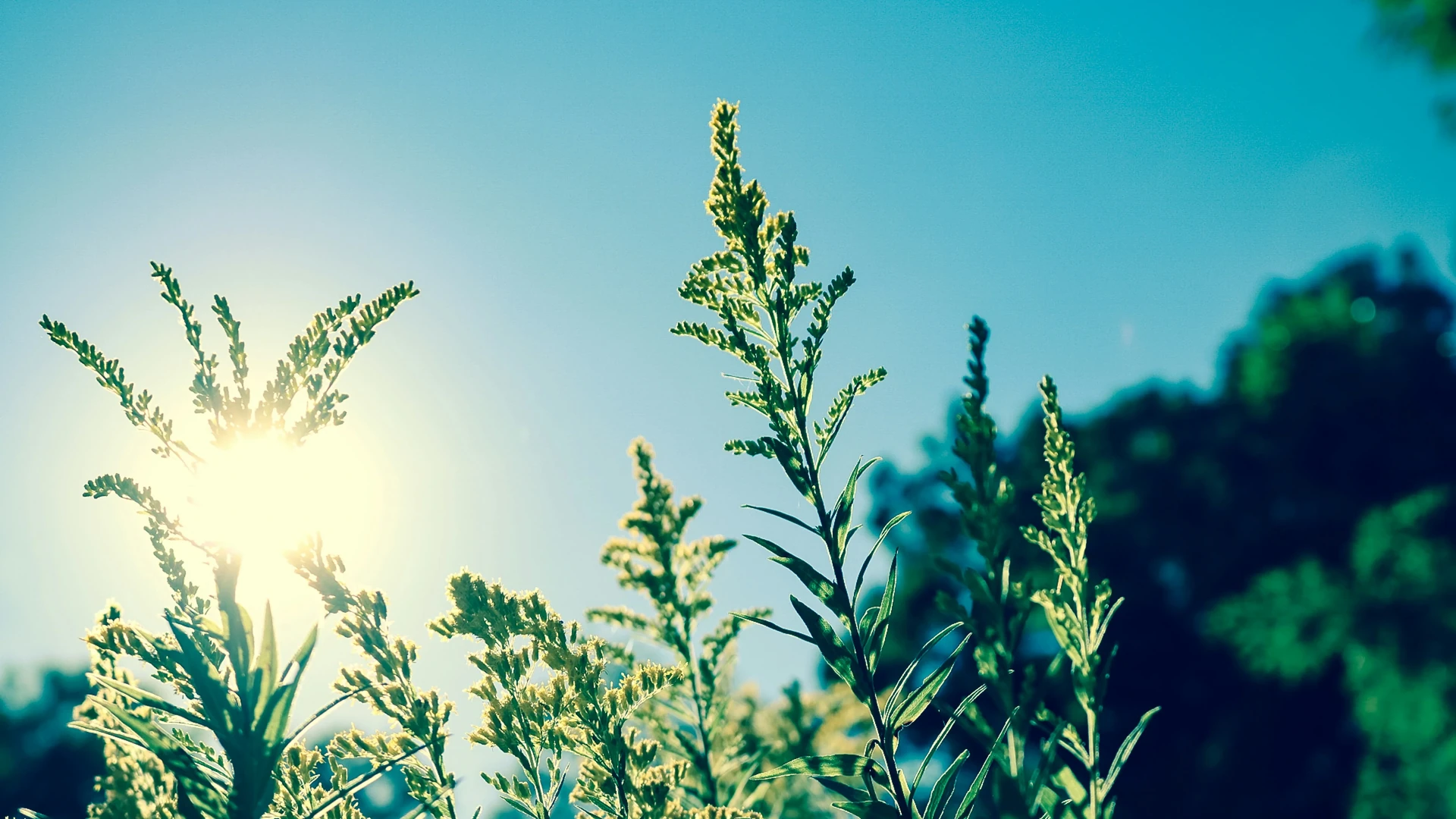
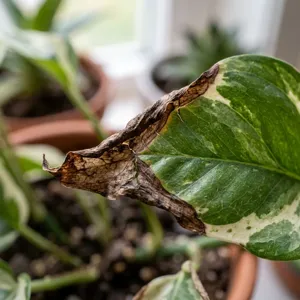
Direct sunlight refers to intense, unfiltered light that reaches a plant without being diffused by curtains, other plants, or atmospheric conditions, typically for at least 6 hours during a full sun exposure. This light level drives vigorous photosynthesis, growth, flowering, and fruiting in species adapted to it. Plants regulate their response to direct sunlight through photoreceptors that detect intensity and duration, informing processes like flowering timing. However, shade-adapted plants suddenly exposed to direct sun can suffer scorching or bleaching, since their leaves lack the protective adaptations of true sun-loving species.
Quick Answer
Direct sunlight is intense, unfiltered light plants receive in full sun locations, typically for at least 6 hours daily, and is essential for vigorous photosynthesis in sun-loving species. Plants adapted to lower light can scorch or bleach under sudden direct sun exposure. Gradual acclimation is recommended when moving shade-grown plants into direct sun.
What Is Direct Sunlight?
Direct sunlight refers to the intense, unfiltered sunlight that plants receive when they are placed in a location that receives full sun, typically for at least 6 hours a day. This type of light is essential for photosynthesis, the process by which plants produce energy from sunlight, water, and carbon dioxide. Plants that receive direct sunlight tend to grow more vigorously and produce more flowers and fruits than those that receive partial or indirect sunlight.
The underlying botanical science behind direct sunlight is rooted in the concept of photoperiodism, which is the response of plants to the duration and intensity of light. Plants have specialized cells called photoreceptors that detect the intensity and duration of light, and this information is used to regulate various physiological processes, including photosynthesis, growth, and flowering. Direct sunlight provides the necessary energy for plants to carry out these processes, and it is especially important for plants that require a lot of energy to produce flowers and fruits.
Direct sunlight is also important for plant health, as it helps to prevent diseases and pests. For example, plants that receive direct sunlight tend to have thicker leaves and stems, which makes them more resistant to fungal diseases. Additionally, direct sunlight can help to repel pests, such as aphids and whiteflies, which are often found on plants that receive partial or indirect sunlight.
Tools and Materials You'll Need
- A sunny location that receives at least 6 hours of direct sunlight per day
- A thermometer to monitor temperature, which should be between 65°F (18°C) and 75°F (24°C) for most plants
- A hygrometer to monitor humidity, which should be between 40% and 60% for most plants
- A watering can or hose to provide plants with adequate water, which should be around 1-2 gallons per week for a 10-inch pot
- Fertilizer, which should be applied at a concentration of 20-20-20 (nitrogen-phosphorus-potassium) and at a frequency of once a month
- Pruning shears to trim and prune plants, which should be done every 2-3 months to maintain shape and promote healthy growth
- A trellis or stake to provide support for climbing plants, which should be at least 6 feet tall and 3 feet wide
- A mulch or compost to retain moisture and suppress weeds, which should be applied at a depth of 2-3 inches and replenished every 2-3 months
Step-by-Step: How to Provide Direct Sunlight
- Choose a location that receives at least 6 hours of direct sunlight per day, and make sure the temperature is between 65°F (18°C) and 75°F (24°C) for most plants.
- Water plants thoroughly, providing around 1-2 gallons of water per week for a 10-inch pot, and make sure the soil moisture is between 40% and 60%.
- Fertilize plants at a concentration of 20-20-20 (nitrogen-phosphorus-potassium) and at a frequency of once a month, and make sure the pH of the soil is between 6.0 and 7.0.
- Prune and trim plants every 2-3 months to maintain shape and promote healthy growth, and make sure the humidity is between 40% and 60%.
- Provide support for climbing plants using a trellis or stake that is at least 6 feet tall and 3 feet wide, and make sure the temperature is between 65°F (18°C) and 75°F (24°C) for most plants.
- Apply a mulch or compost at a depth of 2-3 inches and replenish every 2-3 months to retain moisture and suppress weeds, and make sure the soil moisture is between 40% and 60%.
- Monitor plants regularly, checking for signs of stress or disease, and take action promptly if necessary, such as adjusting the temperature, humidity, or light intensity.
Best Practices and Pro Tips
- Temperature Control: Keep the temperature between 65°F (18°C) and 75°F (24°C) for most plants, and avoid placing plants near heating or cooling vents.
- Humidity Management: Maintain a humidity level between 40% and 60% for most plants, and use a humidifier or dehumidifier if necessary.
- Light Intensity: Provide plants with at least 6 hours of direct sunlight per day, and use grow lights if necessary to supplement natural light.
- Watering Schedule: Water plants thoroughly, providing around 1-2 gallons of water per week for a 10-inch pot, and avoid overwatering, which can lead to root rot.
- Fertilization: Fertilize plants at a concentration of 20-20-20 (nitrogen-phosphorus-potassium) and at a frequency of once a month, and avoid overfertilizing, which can lead to burning of roots.
Quick Reference Table
| Factor | Recommended Range | Why It Matters |
|---|---|---|
| Temperature | 65°F (18°C) - 75°F (24°C) | Optimal temperature for photosynthesis and growth |
| Humidity | 40% - 60% | Prevents water stress and promotes healthy growth |
| Light Intensity | 6 hours of direct sunlight per day | Essential for photosynthesis and energy production |
| Watering | 1-2 gallons per week for a 10-inch pot | Prevents overwatering and root rot |
| Fertilization | 20-20-20 (nitrogen-phosphorus-potassium) at a frequency of once a month | Provides essential nutrients for growth and development |
Best Plants for Direct Sunlight
The Hibiscus rosa-sinensis (Hibiscus) is a popular plant that thrives in direct sunlight, and it is known for its large, showy flowers and ability to attract hummingbirds and butterflies. Another plant that does well in direct sunlight is the Lantana camara (Lantana), which is a low-maintenance shrub that produces clusters of small, fragrant flowers. The Helianthus annuus (Sunflower) is also a great choice for direct sunlight, as it is a tall, annual plant that produces large, bright yellow flowers. The Marigold (Tagetes spp.) is another plant that thrives in direct sunlight, and it is known for its bright orange and yellow flowers and ability to repel nematodes. The Zinnia (Zinnia spp.) is a popular annual flower that does well in direct sunlight, and it is known for its brightly colored flowers and ability to attract butterflies and hummingbirds. The Petunia (Petunia spp.) is also a great choice for direct sunlight, as it is a low-maintenance annual plant that produces trumpet-shaped flowers in a variety of colors.
As we explain in our Bright Indirect Light guide, some plants may require less intense light, and it is essential to research the specific needs of each plant to ensure optimal growth and health. Which we cover in detail in our Grow Lights article, using grow lights can be an effective way to supplement natural light and provide plants with the necessary energy for photosynthesis. See our Fertilizer guide for a deeper look at the importance of fertilization and how to choose the right fertilizer for your plants.
Common Mistakes to Avoid
- Overwatering: Avoid watering plants too frequently, as this can lead to root rot and other problems, and make sure the soil moisture is between 40% and 60%.
- Underwatering: Avoid underwatering plants, as this can lead to water stress and reduced growth, and make sure to water plants thoroughly, providing around 1-2 gallons of water per week for a 10-inch pot.
- Incorrect Temperature: Avoid placing plants in areas with extreme temperatures, as this can lead to stress and reduced growth, and keep the temperature between 65°F (18°C) and 75°F (24°C) for most plants.
- Inadequate Light: Avoid placing plants in areas with insufficient light, as this can lead to reduced growth and flowering, and provide plants with at least 6 hours of direct sunlight per day.
- Overfertilization: Avoid overfertilizing plants, as this can lead to burning of roots and other problems, and fertilize plants at a concentration of 20-20-20 (nitrogen-phosphorus-potassium) and at a frequency of once a month.
Common Questions
What is the success rate of providing direct sunlight to plants?
The success rate of providing direct sunlight to plants is high, with most plants thriving in conditions with at least 6 hours of direct sunlight per day, and a temperature between 65°F (18°C) and 75°F (24°C), and a humidity level between 40% and 60%.
What is the best season to provide direct sunlight to plants?
The best season to provide direct sunlight to plants is during the spring and summer months, when the days are longer and the sun is more intense, and the temperature is between 65°F (18°C) and 75°F (24°C), and the humidity level is between 40% and 60%.
Is it mandatory to provide direct sunlight to plants?
No, it is not mandatory to provide direct sunlight to plants, as some plants can thrive in partial or indirect sunlight, but most plants require at least 6 hours of direct sunlight per day to produce flowers and fruits, and a temperature between 65°F (18°C) and 75°F (24°C), and a humidity level between 40% and 60%.
What is the best way to provide aftercare to plants that receive direct sunlight?
The best way to provide aftercare to plants that receive direct sunlight is to water them thoroughly, providing around 1-2 gallons of water per week for a 10-inch pot, and fertilize them at a concentration of 20-20-20 (nitrogen-phosphorus-potassium) and at a frequency of once a month, and prune and trim them every 2-3 months to maintain shape and promote healthy growth.
How do I troubleshoot problems with plants that receive direct sunlight?
To troubleshoot problems with plants that receive direct sunlight, check the temperature, humidity, and light intensity, and adjust as necessary, and make sure the soil moisture is between 40% and 60%, and the pH of the soil is between 6.0 and 7.0, and fertilize plants at a concentration of 20-20-20 (nitrogen-phosphorus-potassium) and at a frequency of once a month.
Frequently Asked Questions
What is the success rate of providing direct sunlight to plants?
The success rate of providing direct sunlight to plants is high, with most plants thriving in conditions with at least 6 hours of direct sunlight per day, and a temperature between 65°F (18°C) and 75°F (24°C), and a humidity level between 40% and 60%.
What is the best season to provide direct sunlight to plants?
The best season to provide direct sunlight to plants is during the spring and summer months, when the days are longer and the sun is more intense, and the temperature is between 65°F (18°C) and 75°F (24°C), and the humidity level is between 40% and 60%.
Is it mandatory to provide direct sunlight to plants?
No, it is not mandatory to provide direct sunlight to plants, as some plants can thrive in partial or indirect sunlight, but most plants require at least 6 hours of direct sunlight per day to produce flowers and fruits, and a temperature between 65°F (18°C) and 75°F (24°C), and a humidity level between 40% and 60%.
What is the best way to provide aftercare to plants that receive direct sunlight?
The best way to provide aftercare to plants that receive direct sunlight is to water them thoroughly, providing around 1-2 gallons of water per week for a 10-inch pot, and fertilize them at a concentration of 20-20-20 (nitrogen-phosphorus-potassium) and at a frequency of once a month, and prune and trim them every 2-3 months to maintain shape and promote healthy growth.
How do I troubleshoot problems with plants that receive direct sunlight?
To troubleshoot problems with plants that receive direct sunlight, check the temperature, humidity, and light intensity, and adjust as necessary, and make sure the soil moisture is between 40% and 60%, and the pH of the soil is between 6.0 and 7.0, and fertilize plants at a concentration of 20-20-20 (nitrogen-phosphorus-potassium) and at a frequency of once a month.
Explore More
Related Topics
Related Plant Guides
No specific plant guides found matching this topic.
Recommended next actions
Continue Exploring
Dive deeper into related plant care tools and profiles.
Topic Guide
Bright Indirect Light
Learn everything about bright indirect light for your indoor and aquarium plants. Expert care tips, troubleshooting, and related guides.
Topic Guide
Grow Lights
Learn everything about grow lights for your indoor and aquarium plants. Expert care tips, troubleshooting, and related guides.
Topic Guide
Fertilizer
Learn everything about fertilizer for your indoor and aquarium plants. Expert care tips, troubleshooting, and related guides.