NPK 20-20-20
A balanced water-soluble fertilizer containing equal labeled proportions of nitrogen, phosphate, and potash.
Quick Answer
NPK 20-20-20 is a balanced water-soluble fertilizer analysis containing 20% total nitrogen (N), 20% available phosphate expressed as P₂O₅, and 20% soluble potash expressed as K₂O by weight. It provides slightly more nutrients per unit of fertilizer than 19-19-19, but the correct dilution depends on the specific product label, plant, and application method.
The Problem
Gardeners often assume that a fertilizer analysis such as 20-20-20 automatically determines a universal grams-per-liter or per-plant dose. In practice, the correct application rate depends on the product label, formulation, plant, growing medium, and application method.
When to Use This Tool
Use NPK 20-20-20 when a plant or crop requires balanced nutrition and the product label recommends the formulation for that application. It can be used during active growth and, for some plants, other growth stages when balanced nutrition remains appropriate.
Who is this for?
- Indoor plant enthusiasts calculating a labeled dilution
- Container gardeners comparing balanced fertilizer analyses
- Vegetable gardeners checking application directions
- Gardeners comparing NPK 20-20-20 with other balanced formulations
Application Reference
| Context | Guideline |
|---|---|
| pots | Follow the product label for the specific formulation and concentration. Use the Fertilizer Calculator to convert the label rate to your available water volume. |
| garden | Follow the product label for the specific crop and application method. There is no universal per-plant rate for all 20-20-20 products. |
Recommended next actions
Next Best Actions
Use fertilizer guidance with calculators, plant profiles, and related care articles.
Fertilizer Guide
NPK 19-19-19 for Houseplants: Safe Dosage & Dilution Guide
A balanced water-soluble fertilizer containing equal labeled proportions of nitrogen, phosphate, and potash.
Fertilizer Guide
NPK Ratio Comparison: 10-10-10 vs 19-19-19 vs 20-20-20 Guide
A side-by-side comparison of common NPK fertilizer analyses, their concentration differences, and how to choose between them without assuming a universal dosage.
Calculator
Plant Fertilizer Calculator: Right Dose for Every Plant
Calculate the exact fertilizer dose and feeding schedule for your plant based on species, pot size, growth stage, and season.
Fertilizer Guide
Fertilizer Burn on Houseplants: Symptoms & Fast Fixes
How to identify, treat, and prevent fertilizer burn in houseplants and garden plants.
What is NPK 20-20-20?
NPK 20-20-20 is a balanced fertilizer analysis. A conventional 20-20-20 label represents 20% total nitrogen (N), 20% available phosphate expressed as P₂O₅, and 20% soluble potash expressed as K₂O by weight. It contains slightly more nutrient content per unit of fertilizer than a 19-19-19 analysis, but the appropriate application rate still depends on the product label and intended use.
- Nitrogen (20% N): Supports leafy and vegetative growth when nitrogen is required.
- Phosphate (20% P₂O₅): Contributes to phosphorus nutrition and plant energy processes.
- Potash (20% K₂O): Contributes to potassium nutrition and functions such as water regulation and enzyme activity.
Water-Soluble vs. Granular 20-20-20
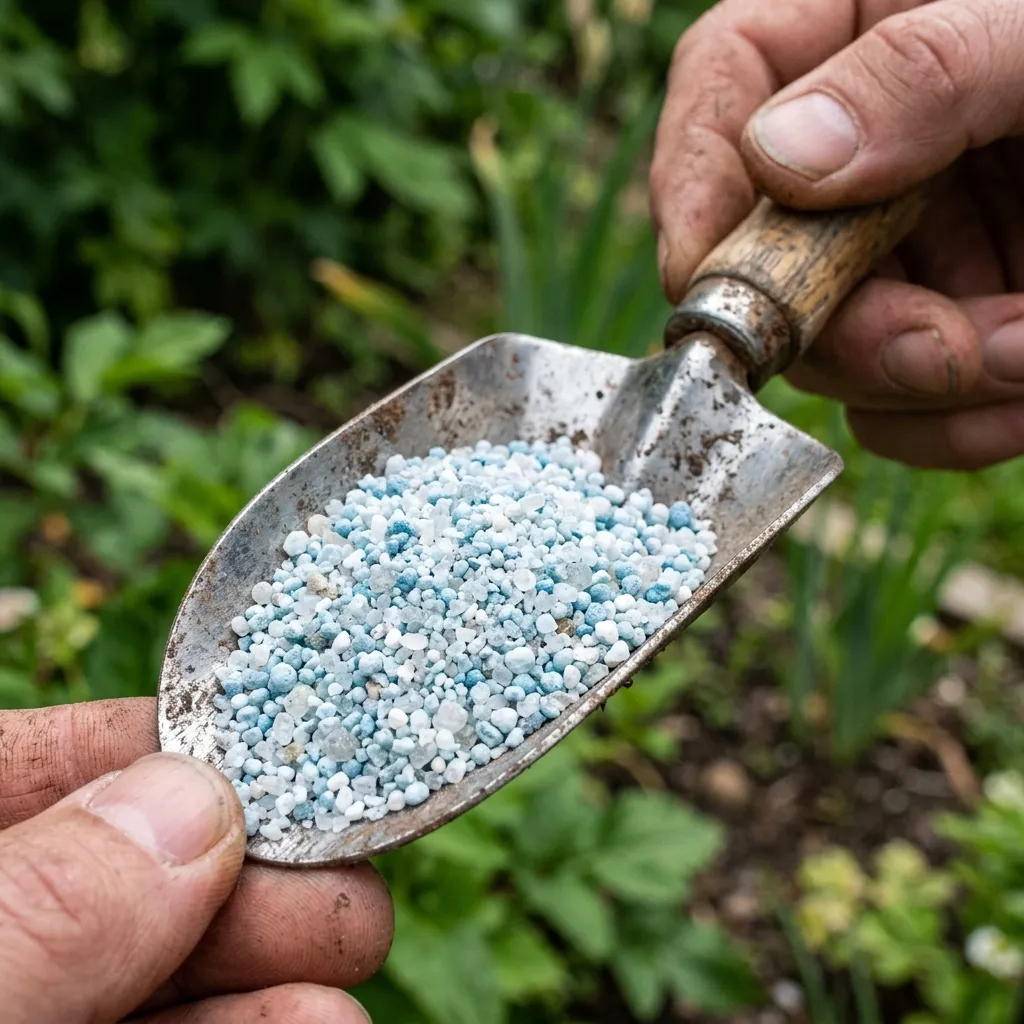
NPK 20-20-20 is commonly encountered as a water-soluble fertilizer, although products with the same analysis can differ in formulation and application instructions.
- Water-soluble: Dissolves into a fertilizer solution and allows the grower to measure a concentration in water when the label specifies this application method.
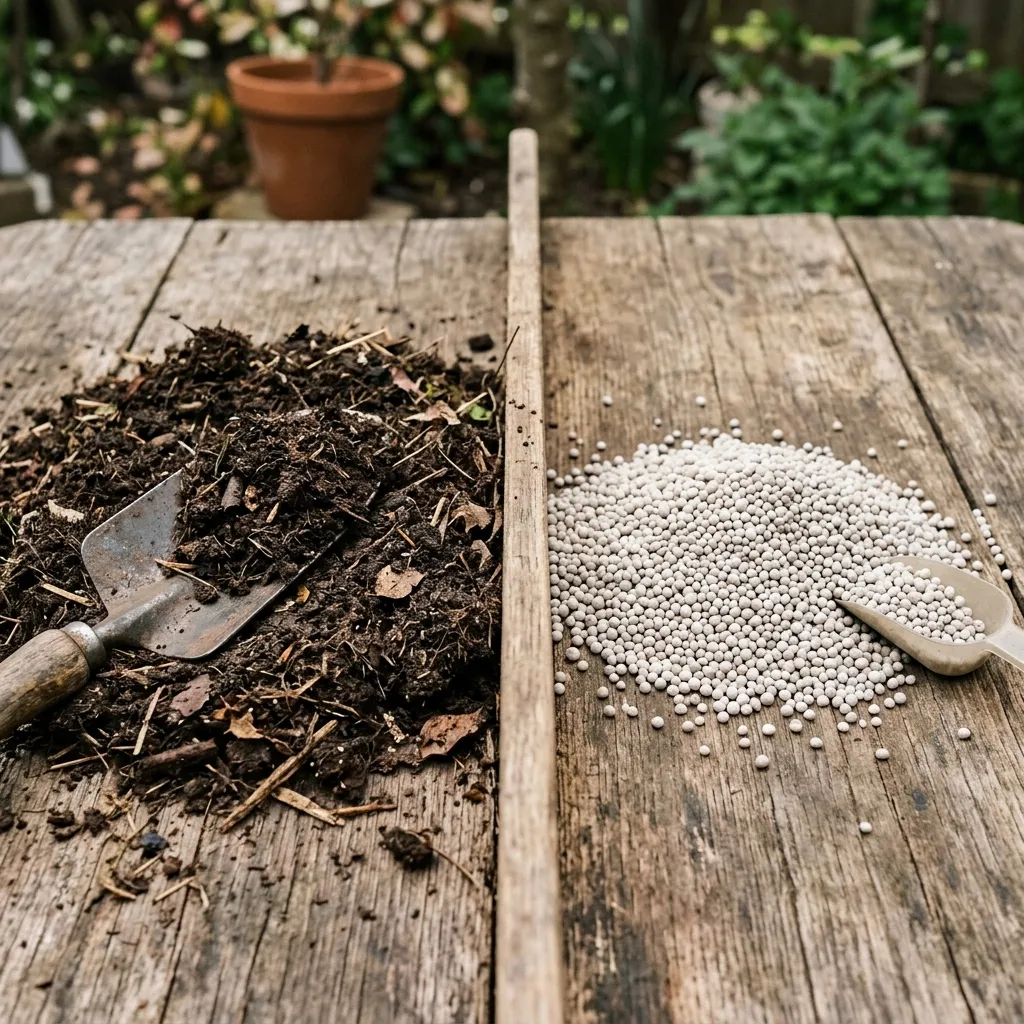
- Granular: Granular products may have different release characteristics and application instructions. Do not substitute a water-soluble rate for a granular product simply because the NPK analysis is the same.
How to Measure for Small Indoor Pots
Small containers make accurate fertilizer measurement especially important. A rate intended for a gallon, litre, or larger garden area should not be guessed or scaled down without checking what the product label actually specifies.
A safer approach: Start with the product label's recommended concentration for the plant and application method. Then use the PlantSolve Fertilizer Dosage Calculator to convert that concentration into the amount needed for your available water volume.
When to Use NPK 20-20-20
This balanced formula can be useful when a plant or crop requires balanced primary macronutrient nutrition and the product label recommends 20-20-20 for that application.
- Supporting active growth when balanced nutrition is appropriate.
- Maintaining container or garden plants when the product is labeled for the crop.
- Providing a balanced nutrient analysis when soil, substrate, or crop requirements indicate that it is appropriate.
Safety Warnings and Precautions
- Follow the product label: The NPK analysis alone does not determine a universal dilution or application frequency.
- Measure accurately: Avoid estimating concentrated fertilizer, especially for small containers.
- Watch for salt accumulation: Repeated fertilizer applications can contribute to soluble-salt buildup in containers. Where appropriate, leach the growing medium with plain water and maintain adequate drainage.
- Do not assume flowering requires high phosphorus: Choose fertilizer based on the plant's actual nutrient requirements rather than automatically changing ratios at flowering.
- Foliar use: Apply as a foliar spray only when the specific product label permits foliar application and provides a suitable foliar rate.
Practical 20-20-20 Application Strategies
| Plant Situation | Starting Approach | Application Method | Frequency / Context | Adjustment / Safety Note |
|---|---|---|---|---|
| Low-light apartment plants (e.g., Pothos, ZZ plant, Snake plant) | Use the label rate appropriate for indoor/container plants; avoid assuming a generic outdoor concentration | Soil drench if permitted by the label | Follow product label and plant growth conditions | Lower light generally means slower growth, so avoid unnecessary or excessive fertilization. |
| Large indoor aroids (e.g., Monstera, Philodendron) | Use the labeled container or houseplant rate | Soil drench if permitted by the label | Follow product label during active growth | Monitor new growth and root-zone salt accumulation rather than increasing fertilizer automatically. |
| Orchids (e.g., Phalaenopsis) | Use the product rate specifically labeled for orchids; do not assume a generic houseplant rate | Soil drench or other labeled method | Follow orchid-specific product directions | Avoid applying concentrated fertilizer directly to dry roots or media unless the label specifically directs it. |
| Outdoor flowering plants (e.g., Bougainvillea, Roses) | Use the labeled rate for the crop and application method | Soil drench or granular application when appropriate to the formulation | Follow product label and plant growth stage | Do not automatically switch to a high-phosphorus fertilizer when buds appear; assess the plant's actual nutrient requirements. |
| Vegetables (e.g., Tomatoes, Peppers, Leafy greens) | Use the label rate specified for the edible crop | Soil application, drench, or side-dress only when permitted by the product | Follow crop-specific label directions | Fertilizer needs differ between leafy and fruiting crops; avoid assuming one schedule fits all vegetables. |
| Young plants (seedlings, transplants) | Use the label rate specifically provided for seedlings or transplants; otherwise seek product-specific guidance | Soil application if permitted | Apply according to establishment and product directions | Tender roots may be more sensitive to concentrated fertilizer, so do not automatically use mature-plant rates. |
Troubleshooting & Diagnostics Guide
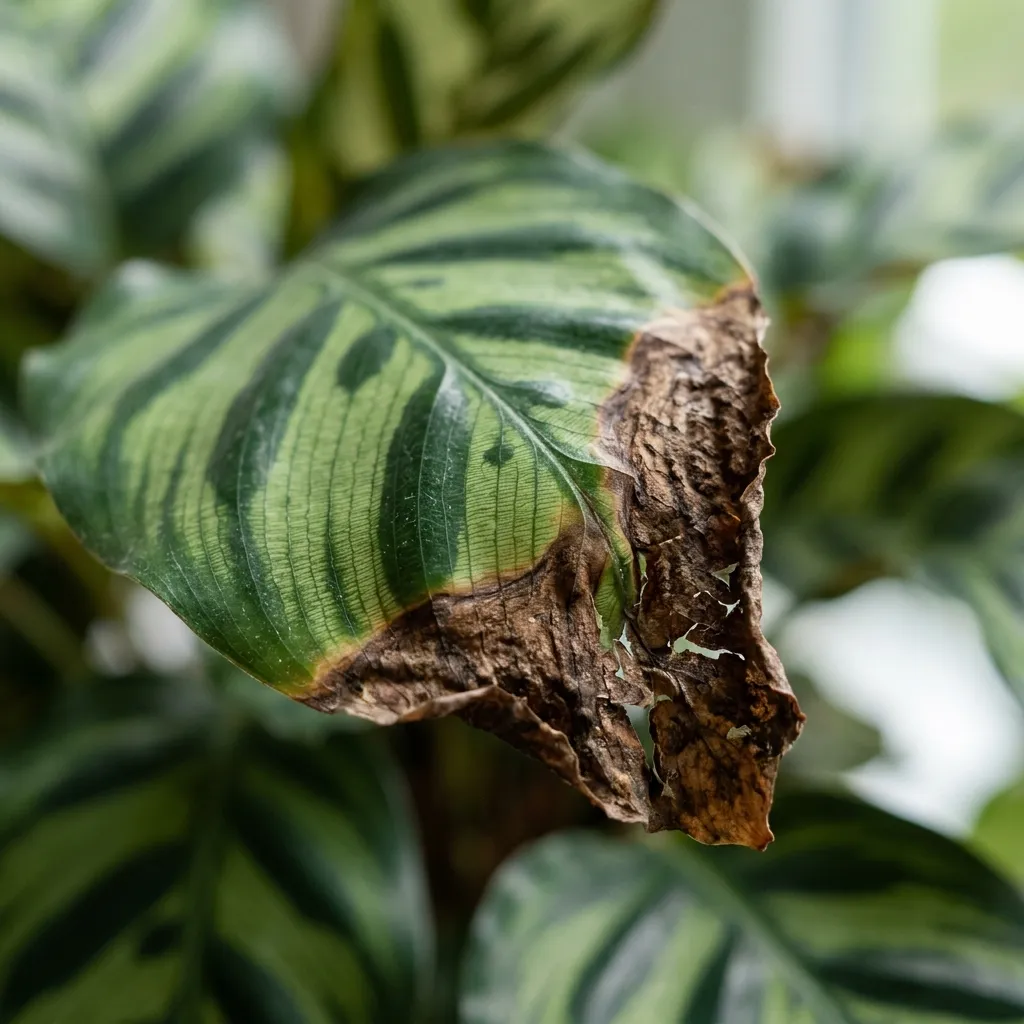
1 Brown, crispy leaf edges or leaf-tip burn
Diagnosis: Fertilizer may have been applied at too high a concentration, too frequently, or in an unsuitable application method.
Treatment: Stop fertilizing temporarily and assess the product label and recent application rate. If excess soluble salts are suspected in a container, flush the growing medium with plain water when appropriate for the plant and container.
2 White or crusty deposits on container soil
Diagnosis: Soluble fertilizer salts can accumulate in the growing medium, particularly when repeated applications are not balanced by adequate leaching.
Treatment: Review the fertilizer concentration and frequency against the product label. Where appropriate, leach the container with plain water and improve drainage.
3 Lots of green growth but poor flowering
Diagnosis: Excessive nutrient application or a mismatch between the fertilizer program and the plant's flowering requirements may contribute to poor flowering.
4 Leaf burn after switching from 19-19-19
Diagnosis: Using the same application amount does not necessarily produce the same nutrient concentration because 20-20-20 contains slightly more nutrient content per unit of fertilizer.
Treatment: Compare the two product labels and recalculate the application based on the intended nutrient concentration rather than applying an arbitrary percentage reduction.
5 Seedling or transplant stress after fertilizing
Diagnosis: Young roots can be sensitive to concentrated fertilizer or fertilizer applied before the plant is established.
Treatment: Follow the product's directions for seedlings or transplants and avoid applying stronger mature-plant rates unless the label specifically recommends them.
Glossary of Terms
- Water-soluble
- A fertilizer designed to dissolve in water so nutrients can be delivered in a solution.
- NPK analysis
- The fertilizer analysis expresses the percentage by weight of total nitrogen (N), available phosphate expressed as P₂O₅, and soluble potash expressed as K₂O.
- Concentration
- The amount of fertilizer dissolved in a specified amount of water or applied to a specified area or growing medium. A 20-20-20 analysis contains slightly more nutrient content per unit of fertilizer than a 19-19-19 analysis.
Frequently Asked Questions
How much 20-20-20 fertilizer should I use per plant?
How much 20-20-20 fertilizer do I use per gallon?
How much 20-20-20 fertilizer do I use per liter?
Can I use 20-20-20 fertilizer on houseplants?
How do I calculate fertilizer for a small pot?
Is liquid fertilizer better than granular fertilizer?
Can I use water-soluble 20-20-20 fertilizer in a container garden?
Is NPK 20-20-20 safe for indoor houseplants?
How often should I apply NPK 20-20-20?
What is the difference between NPK 20-20-20 and NPK 19-19-19?
Can I use NPK 20-20-20 as a foliar spray?
Will NPK 20-20-20 burn my plants?
Can I use NPK 20-20-20 during the flowering stage?
Is NPK 20-20-20 organic or synthetic?
Explore More