Root Rot
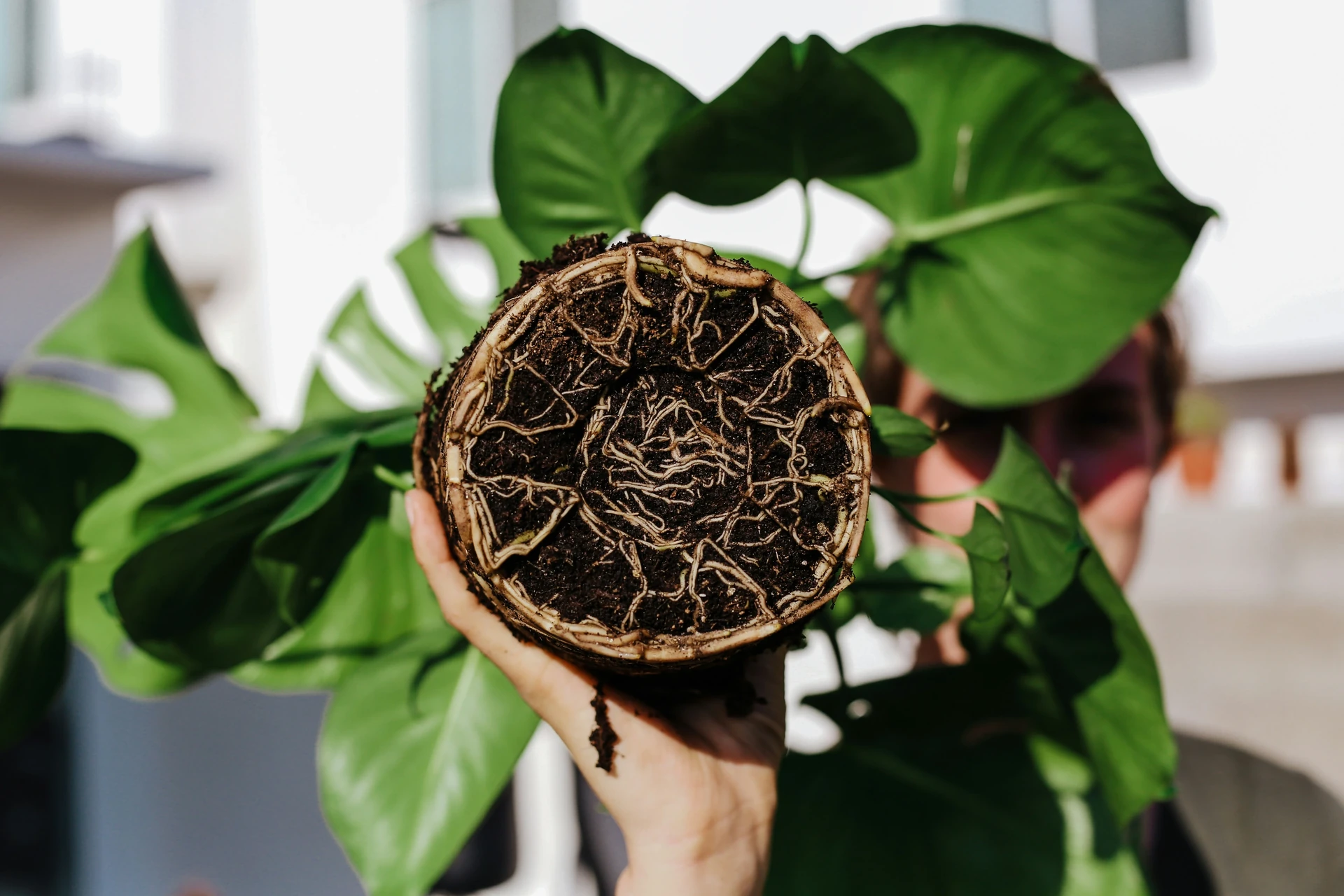
Root rot is a common and often fatal condition resulting from roots sitting in waterlogged soil for longer than they can physiologically tolerate. Deprived of oxygen, root tissue weakens and becomes vulnerable to water mold pathogens, particularly Phytophthora and Pythium species, that thrive in anaerobic conditions. Because the roots are damaged before symptoms become visible above ground, growers often notice wilting or yellowing that seems inconsistent with what appears to be adequately moist soil, a key diagnostic clue pointing toward root rot rather than simple underwatering.
From the Grower's Bench
Real-world experience
Quick Answer
Root rot develops when roots sit in waterlogged soil long enough to be deprived of oxygen, allowing pathogens like Phytophthora and Pythium to attack weakened tissue. Symptoms include mushy, discolored roots, wilting despite moist soil, and a foul odor from the root ball. Removing affected roots and repotting in fresh, fast-draining soil is the standard treatment.
Why Humidity Matters for Indoor Plants
Most popular houseplants originate from tropical rainforests where relative humidity routinely exceeds 70%. When these plants are brought into homes where humidity hovers between 20% and 40%, especially in winter when heating systems strip moisture from the air, they experience chronic stress. The symptoms are familiar: brown, crispy leaf edges, curling leaves, stunted new growth, and increased susceptibility to pests like spider mites.
Humidity affects plants at the cellular level through transpiration, the process by which water evaporates from leaf pores called stomata. In dry air, transpiration happens too quickly, causing the plant to lose water faster than its roots can replace it. The leaf margins dry out first because they are the farthest from the water supply. High humidity slows transpiration, allowing the plant to maintain turgidity and focus energy on growth rather than water conservation.
Myth vs. Reality: Common Humidity Methods
Misting
Misting involves spraying a fine mist of water directly onto plant leaves. It is the most commonly recommended humidity solution in generic houseplant guides, but its effectiveness is temporary at best. When you mist a plant, the water droplets evaporate within 15 to 30 minutes, providing only a brief spike in local humidity. Once the water evaporates, the humidity returns to baseline.
That said, misting is not completely useless. It can help remove dust from leaves, temporarily deter spider mites, and provide a quick moisture boost for plants that are already in a reasonably humid environment. However, misting should never be relied upon as the primary humidity source for tropical plants. In fact, frequent misting in low-light conditions can encourage fungal issues on leaves that stay wet too long.
Pebble Trays
A pebble tray consists of a shallow tray filled with pebbles and water, with the plant pot placed on top so that the base of the pot sits above the waterline. As the water evaporates, it theoretically raises the humidity around the plant. The debate over whether pebble trays actually work has been extensively tested by Reddit users.
One user conducted a controlled week-long experiment using a 43 by 43 centimeter tray filled with river pebbles, measuring humidity with a calibrated gauge positioned in the middle of a four-plant cluster. Before the tray, average relative humidity was 45%. After adding the pebble tray, average humidity rose to 53%, an increase of 8 percentage points. The user concluded that pebble trays do provide a measurable benefit, though the effect is localized to the immediate area around the tray.
Other users report more modest gains of 1% to 5%, and many note that the effect is negligible in large, drafty rooms. The consensus is that pebble trays are a cheap, passive supplement that can help slightly, but they are not a substitute for a humidifier if your plants require consistently high humidity.
Grouping Plants
Placing multiple plants close together creates a microclimate where transpiration from each plant raises the humidity for its neighbors. This method is free, aesthetically pleasing, and genuinely effective within the cluster. The effect is most pronounced when larger plants with broad leaves are grouped with smaller, more humidity-sensitive species. However, grouping does increase the risk of pest spread, so always inspect plants before adding them to a cluster.
Humidifiers
For plants that demand high humidity, such as Calathea, Alocasia, Anthurium, and most ferns, a room humidifier is the only reliable solution. Ultrasonic cool-mist humidifiers are the most popular choice among houseplant enthusiasts because they are quiet, energy-efficient, and do not produce heat that could affect plant temperature. Aim to maintain relative humidity between 50% and 60% for most tropicals, and 60% to 80% for the most sensitive species.
Place the humidifier in the same room as the plants but not so close that water condenses directly on the leaves, which can encourage bacterial leaf spot. Run it consistently rather than intermittently, as plants do not respond well to humidity fluctuations. Clean the humidifier weekly to prevent mineral buildup and mold growth in the reservoir.
Best Practices and Pro Tips
- Know your plant's needs. Snake plants, ZZ plants, and cacti are perfectly happy at 30% humidity. Calatheas, Alocasias, and ferns suffer below 50%. Do not waste effort raising humidity for plants that do not need it.
- Measure before you treat. Buy an inexpensive digital hygrometer and place it near your plants. You cannot manage what you do not measure. Many growers are surprised to find their humidity is lower than they assumed.
- Use the bathroom. If you have a window in your bathroom, it can be an ideal location for humidity-loving plants. Steam from showers provides regular humidity spikes, and the enclosed space retains moisture better than open living areas.
- Avoid drafts. Air from heating vents, air conditioners, and open windows rapidly strips humidity from the immediate area around a plant. Move sensitive plants away from these airflow paths.
- Combine methods for best results. A humidifier set to 50% combined with plant grouping and a pebble tray creates a stable, plant-friendly environment without over-relying on any single technique.
Quick Reference Table
| Method | Cost | Humidity Increase | Duration | Best For |
|---|---|---|---|---|
| Misting | Free | Temporary, 5% to 10% locally | 15 to 30 minutes | Dust removal, spider mite deterrence |
| Pebble tray | Low | 3% to 8% locally | Continuous while water remains | Small plant clusters, budget setups |
| Grouping plants | Free | 5% to 15% in the cluster | Continuous | Creating microclimates naturally |
| Humidifier | Medium | 10% to 40% room-wide | Continuous while running | High-humidity species, dry climates |
| Bathroom placement | Free | Variable with use | During and after showers | Ferns, Calatheas, Alocasias |
Common Mistakes to Avoid
- Relying solely on misting: Misting is a feel-good ritual for the gardener, not a humidity solution for the plant. If your Calathea is crispy, a humidifier is the answer, not a spray bottle.
- Letting the pot sit in water: When using a pebble tray, ensure the bottom of the pot is above the waterline. If the pot base touches standing water, the soil will wick moisture upward and cause root rot.
- Ignoring humidity in winter: Heating systems drop indoor humidity to desert levels. This is when most tropical plants decline and when spider mite outbreaks explode. Increase humidity proactively before symptoms appear.
- Over-humidifying: Constant humidity above 80% with poor air circulation encourages fungal diseases like powdery mildew and botrytis. Aim for the sweet spot, not a swamp.
Frequently Asked Questions
What is the success rate of treating root rot in indoor houseplants?
Survival depends on early detection. If less than 30 percent of the roots are affected, the plant often recovers. Catching it early prevents the decay from starving the foliage. Trim the affected roots, repot in fresh soil, and monitor the plant's water uptake closely.
When is the best time to inspect and treat root rot?
Treat root rot immediately upon noticing symptoms, regardless of the season. Waiting will only allow the infection to spread further up the root system. Prune away the dead tissue and repot the plant as soon as possible to save it.
Can I use cinnamon as a rooting hormone and fungicide after trimming rot?
Yes, ground cinnamon can be used as a mild, natural fungicide. It helps dry out the trimmed root ends and deters fungal growth. Dust the freshly cut tips lightly with cinnamon before repotting.
How long does it take for a plant to recover from root rot surgery?
A plant typically needs 4 to 6 weeks to grow new feeder roots. During this time, the plant directs its energy below ground, so you likely won't see much new leaf growth. Keep the soil slightly drier than usual to encourage the roots to grow.
Why are my plant's leaves turning crisp and falling off after I treated it for root rot?
If a significant portion of the roots was removed, the plant can no longer support its entire canopy of leaves. It drops older leaves to balance its water needs with its smaller root system. You can prune away some of the foliage to reduce this stress while the plant recovers.
Explore More
Related Topics
Related Plant Guides
No specific plant guides found matching this topic.
Recommended next actions
Continue Exploring
Dive deeper into related plant care tools and profiles.
Topic Guide
Overwatering Plants: Symptoms, Diagnosis & Prevention
Learn how to identify, treat, and prevent overwatering in your indoor and aquarium plants. Expert care tips and troubleshooting.
Topic Guide
Drainage
Learn everything about drainage for your indoor and aquarium plants. Expert care tips, troubleshooting, and related guides.
Topic Guide
Potting Mix
Learn everything about potting mix for your indoor and aquarium plants. Expert care tips, troubleshooting, and related guides.