7 Indoor Plants That Don't Need Drainage Holes—And How to Water Them Safely
After growing 30+ species in hole-less containers across hundreds of client homes, I’ll show you which 7 plants survive this setup and exactly how to water them without drowning the roots.
Quick Answer
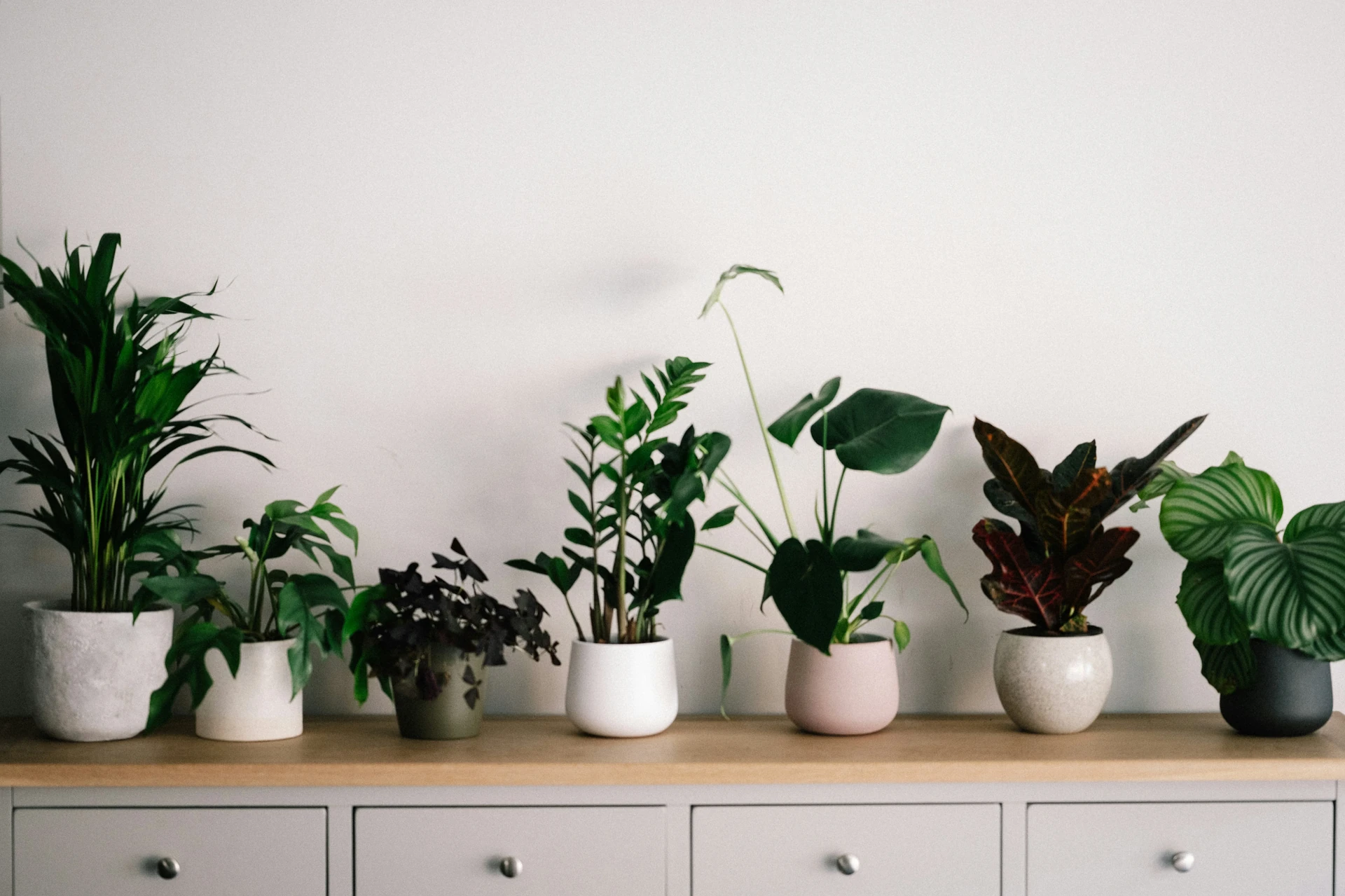
The safest plants for pots without drainage holes are Snake Plant, ZZ Plant, Pothos, Lucky Bamboo, Spider Plant, Aloe Vera, and Cast Iron Plant. Use a 2-inch LECA base, water with 25–30% of pot volume only when soil is dry 2–3 inches down, and never let the root ball sit in standing water. Overwatering is the only real killer.
Key Takeaways
- Understand that pots without drainage carry a significantly higher root rot risk.
- Use a bottom layer of LECA or charcoal and measure water volume precisely.
- Water conservatively only when the substrate is dry several inches down.
- Nest nursery pots inside decorative cachepots whenever possible for safety.
You found the perfect ceramic planter—sleek, matte, matches your decor perfectly—and it has zero drainage holes. Every care blog screams that you’ll kill any plant you put in it. I’ve grown over 30 species in hole-less containers for years across my consulting projects, and I can tell you that with the right plant and a careful watering technique, you absolutely can keep a plant healthy in a pot without drainage. The secret is choosing species with low water demand and managing the water volume so the root zone never stays sodden.
The Best Plants for No-Drainage Containers
Why is Snake Plant the safest choice?
Sansevieria’s rhizomes rot only when they sit in waterlogged soil for weeks. In a hole-less pot, let the soil dry completely between waterings—in a 6-inch pot, that’s typically every 14–21 days in summer, every 30–35 days in winter. Use a gritty cactus mix (50% potting soil, 50% perlite) and a 2-inch clay pebble base to create an air buffer. Check the soil with a moisture meter all the way to the bottom. Our Snake Plant care profile covers soil mixes in detail.
Can I grow a trailing plant in a hanging pot with no holes?
Yes, Pothos and Spider Plant work beautifully. Plant them in a plastic nursery pot that fits inside the decorative container; remove the inner pot to water, let it drain in the sink for 20 minutes, then replace. This is the “cachepot method” and completely eliminates the risk of root rot. If you must plant directly in the hole-less pot, use a measured amount: for a 6-inch pot, add exactly 1 cup of water every 7–9 days in summer, 10–14 days in winter, and check with a chopstick that the lower third isn’t wet before watering again.
Watering Strategies for No-Drainage Success
How do I know how much water to give without drainage?
Water only when the top 2–3 inches of soil are bone-dry, then apply a volume equal to 25–30% of the pot’s total soil capacity. For a 6-inch pot (about 6 cups of soil), that’s 1.5–2 cups of water. Pour slowly around the stem base, not against the foliage. The counterintuitive rule: the goal is to moisten the root zone, not saturate the entire soil column. A watering schedule calculator helps lock in the right interval for your specific light and season.
What’s the best drainage layer material?
Use 1–2 inches of LECA (lightweight expanded clay aggregate) or coarse gravel at the bottom. This creates a false water table, keeping roots out of any residual moisture. Do not use a layer of sand or fine pebbles—they compact and hold water against the soil. Activated charcoal mixed into the bottom layer also helps absorb excess moisture and keeps the pot from developing a sour smell. Empty any water that collects above the LECA after 30 minutes using a turkey baster if the cachepot is fixed.
No-Drainage Plant Care Table
| Plant | Max Time Without Drainage (if careful) | Water Volume for 6-in Pot | Summer Interval | Winter Interval | Root Rot Risk |
|---|---|---|---|---|---|
| Snake Plant | Indefinite | 1.5 cups | 14–21 days | 30–35 days | Very low |
| ZZ Plant | Indefinite | 1.5 cups | 18–25 days | 35–40 days | Very low |
| Pothos | 1–2 years | 2 cups | 7–9 days | 10–14 days | Medium |
| Lucky Bamboo | Indefinite in water+pebbles | N/A (hydroponic) | Change water weekly | Change water every 10 days | None (in water) |
| Spider Plant | 1–2 years | 2 cups | 7–9 days | 10–14 days | Medium |
| Aloe Vera | Indefinite | 1 cup | 18–21 days | 30–35 days | Very low |
| Cast Iron Plant | Many years | 2 cups | 10–14 days | 14–21 days | Low |
Preventing and Fixing No-Drainage Problems
How do I know if my no-drainage plant has root rot?
A sour, swampy smell from the topsoil and yellow, drooping leaves that don’t perk up after watering signal rot. Pull the plant out immediately, trim away any black, mushy roots, and repot in dry, fresh mix with a fresh drainage layer. Do not water for 5–7 days to let the wounds heal. If the smell persists, the LECA or gravel base may be saturated; rinse it and dry completely before reusing. Our root rot diagnosis guide walks you through the full rescue.
Can I use a moisture meter in a hole-less pot?
Yes, and you should. Insert the probe to the bottom third; if it reads above 4 on a 1–10 scale, wait to water. In a pot without drainage, the lower soil stays wet much longer than the surface. The “finger test” is not enough. A meter gives you a direct reading of what’s happening where roots sit, so you never accidentally add water to already-wet soil.
Recommended next actions
Next Best Actions
Move from reading to action with related calculators, plant profiles, and quiz-based recommendations.
Topic Guide
Watering
Learn everything about watering for your indoor and aquarium plants. Expert care tips, troubleshooting, and related guides.
Guide
Why Root Rot Happens and How to Save Your Plant
After rescuing thousands of rotting houseplants from big-box stores over a 12-year nursery career, we have developed a foolproof method to diagnose, treat, and completely prevent deadly root rot.
Frequently Asked Questions
Why is Snake Plant the safest choice for no-drainage pots?
Can I grow a trailing plant in a hanging pot with no holes?
How do I know how much water to give without drainage?
What’s the best drainage layer material?
How do I know if my no-drainage plant has root rot?
Can I use a moisture meter in a hole-less pot?
Explore More