Aloe Vera Care Guide: Light, Watering & Growing Tips
A drought-tolerant succulent known for medicinal gel and low-maintenance care.
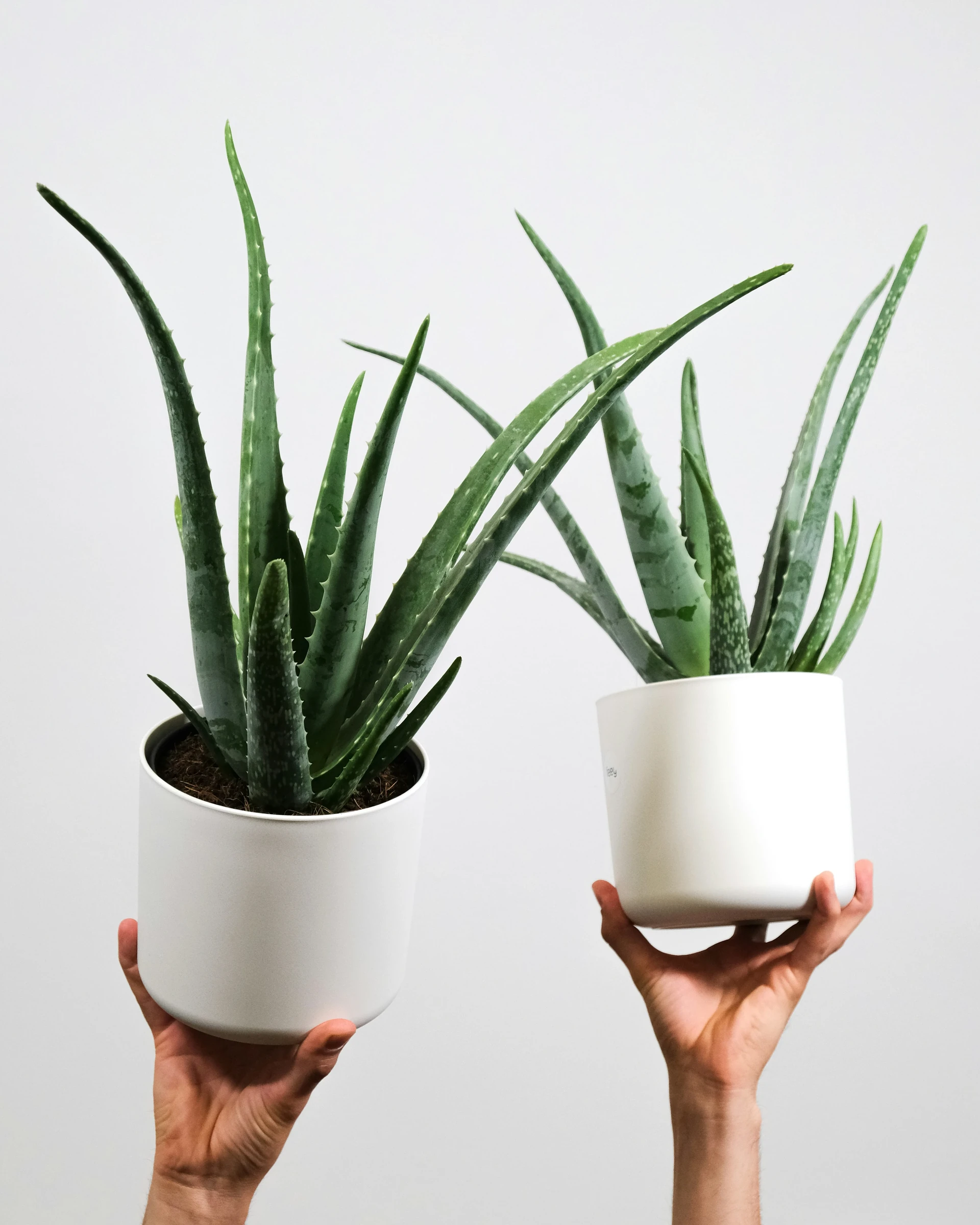
-
Difficulty
Medium
-
Light
Bright indirect
-
Temperature
18-25°C (64-77°F)
-
Growth
Moderate
-
Expert Insight
Master-grower data coming soon.
-
Common Mistake
Real-world care data coming soon.
-
Environment
Real-world conditions coming soon.
Quick Answer
Aloe Vera thrives in bright light with some direct sun, requiring deep but infrequent watering only after the soil has dried thoroughly. Use a fast-draining succulent mix and a container with drainage holes to reduce root-rot risk. Keep watering especially conservative during cool or low-light periods, and acclimate the plant gradually when moving it into stronger sunlight. Aloe is also readily propagated from offsets.
Key Takeaways
- Provide Aloe Vera with strong bright light and acclimate gradually when increasing direct sun exposure.
- Water thoroughly only after the growing medium has dried substantially rather than maintaining consistently moist soil.
- Use a porous cactus or succulent mix and a container with unobstructed drainage holes to reduce root-rot risk.
- Reduce watering during cooler or darker periods because Aloe Vera uses less moisture when growth slows.
- Propagate primarily from healthy offsets and use appropriately sized containers so excess soil does not remain wet around small roots.
Overview
Aloe Vera is a drought-adapted succulent that stores water in its thick, fleshy leaves. Its care is relatively simple, but its tolerance for drought should not be mistaken for tolerance of permanently wet soil. Indoors, the combination of strong light, porous soil, and careful watering is the foundation of healthy growth.
Light and Placement
Give Aloe Vera the brightest practical location available. A bright south- or west-facing window can provide suitable conditions indoors, while plants moved from lower light should be acclimated gradually to stronger direct sun. Sudden exposure to intense afternoon sunlight can cause reddish, bleached, or crispy areas on the leaves.
Watering
Water thoroughly when the growing medium has dried substantially, allowing excess water to drain completely from the container. Do not maintain a consistently damp root zone. During cooler or darker periods, Aloe Vera generally uses less water and the interval between waterings should increase. Check the soil rather than relying exclusively on a calendar.
Soil and Drainage
Use a fast-draining succulent or cactus growing medium that drains rapidly. Containers must have drainage holes, and the plant should never sit in collected water. A heavy, moisture-retentive mix can remain wet around the roots long after the surface appears dry, increasing the risk of root and crown problems.
Temperature and Indoor Conditions
Aloe Vera prefers warm growing conditions and performs best when protected from cold extremes. It can tolerate cooler conditions for limited periods, but temperatures near its lower tolerance should not be combined with wet soil. Good airflow helps the foliage remain dry and reduces the conditions that favor disease.
Fertilizing
Aloe Vera does not require heavy feeding. During active growth, a diluted fertilizer formulated for succulents can be used occasionally, but excessive fertilizer is unnecessary and can contribute to salt accumulation. Watering thoroughly enough to allow drainage also helps reduce the concentration of soluble salts in the growing medium.
Propagation
The easiest propagation method is separating offsets that develop around the parent plant. Choose a sufficiently developed pup, separate it carefully, and place it into a small container with well-draining succulent soil. Avoid using an oversized pot because excess unused soil can retain moisture around a small root system.
Repotting
Repot Aloe Vera when the root system has substantially filled its container, offsets are overcrowding the pot, or the existing growing medium has deteriorated. Choose a container only modestly larger than the existing root system and make sure drainage holes are unobstructed.
Common Problems
Soft yellow leaves and a persistently wet growing medium are strong warning signs of excessive moisture and possible root rot. Thin or wrinkled leaves can indicate dehydration, but the same appearance can occur when damaged roots cannot absorb water, so soil moisture and root condition should be considered together. Red or scorched foliage can indicate excessive light or sudden exposure to stronger sun.
Pet Safety
Aloe Vera should not be considered pet safe. Ingestion can cause adverse effects in dogs, cats, and horses. Keep the plant, fallen leaves, and discarded pruning material inaccessible to pets.
Harvesting Aloe Gel
If harvesting Aloe gel, select a mature outer leaf and use a clean cutting tool. Allow the yellow latex to drain before separating the clear inner gel. Because freshly extracted gel is perishable and can become contaminated, hygienic handling and appropriate storage are important.
Moving Aloe Vera Outdoors in Spring
Aloe Vera can thrive outdoors during the warm months, provided you wait until all frost danger has passed and nighttime temperatures are reliably above 10°C (50°F). The most critical step is gradual acclimation. An indoor Aloe Vera moved directly into intense outdoor sunlight will quickly suffer severe sunburn, causing the leaves to bleach, turn red, or develop crispy patches.
Start by placing the plant in full shade for a few days, then gradually introduce it to morning sun over a period of 1–2 weeks. Always monitor the soil moisture closely, as outdoor plants dry out faster than those kept indoors. For a complete timeline on safely hardening off your plants, refer to our spring transition guide.
Calculator
Interactive Calculators for Aloe Vera
Aloe Vera Placement Options
| Placement | Light | Watering | Difficulty |
|---|---|---|---|
| Sunny Window | Bright direct to filtered | Low | Easy |
| Balcony Pot | Bright outdoor light | Low | Easy |
| Office Desk | Medium-bright | Low | Medium |
Troubleshooting & Diagnostics Guide
1 Leaves turning yellow and mushy
Diagnosis: Overwatering
Treatment: Stop watering and inspect the root system. Remove soft or decaying roots and repot into fresh, well-draining succulent soil if rot is present. Ensure the container has unobstructed drainage.
Prevention: Allow the growing medium to dry thoroughly between waterings and avoid leaving the pot standing in collected water.
2 Leaves turning brown and crispy at tips
Diagnosis: Underwatering, salt buildup, or environmental stress
Treatment: Check soil moisture first. If the medium is extremely dry, water thoroughly. If the plant is regularly watered but develops persistent brown tips, check for mineral buildup, excessive heat, or intense light.
Prevention: Allow the soil to dry between thorough waterings and avoid prolonged exposure to harsh conditions.
3 Leaves turning red or reddish-brown
Diagnosis: Light or environmental stress
Treatment: Review recent changes in light exposure. If the plant was suddenly moved into intense direct sun, move it to brighter filtered light and acclimate it gradually.
Prevention: Increase direct-light exposure gradually rather than moving a low-light plant immediately into intense afternoon sun.
4 Leaves becoming thin, flat, or curling inward
Diagnosis: Water stress
Treatment: Check the soil. If it is completely dry, water thoroughly and allow excess water to drain. If the soil is wet while the leaves remain stressed, inspect the roots because rot can prevent normal water uptake.
Prevention: Use a fast-draining growing medium and adjust watering according to soil moisture rather than a fixed calendar.
5 Leaves developing brown spots or blotches
Diagnosis: Sun damage, fungal disease, or persistent moisture
Treatment: Inspect the location and watering pattern. Reduce prolonged leaf wetness, improve airflow, and protect the plant from sudden intense sun if scorch is suspected. Remove severely damaged tissue with clean tools.
Prevention: Keep foliage relatively dry, provide good airflow, and acclimate gradually to stronger sunlight.
6 Leaves becoming soft, wrinkled, or shrivelled
Diagnosis: Severe dehydration or root rot
Treatment: Check soil moisture before watering. If the soil is bone dry, water thoroughly. If the soil is wet and leaves are soft, inspect the roots for decay and correct the drainage problem.
Prevention: Maintain a dry-down period between waterings and use a container with adequate drainage.
7 Plant not growing or growing very slowly
Diagnosis: Insufficient light, cool temperatures, dormancy, or root stress
Treatment: Move the plant to a brighter location and verify that temperatures remain suitable for active growth. Inspect the roots if poor growth persists despite good light and appropriate watering.
Prevention: Provide strong light, appropriate temperatures, and a well-draining growing medium.
8 Brown or black mushy spots at the base of the plant
Diagnosis: Crown rot or bacterial soft rot
Treatment: Remove the plant from wet soil and inspect the crown and roots. Remove clearly rotten tissue with a sterilised tool. Severely affected plants may not recover, so healthy offsets can sometimes provide the best route to preserving the plant.
Prevention: Avoid prolonged wetness around the crown and use exceptionally well-draining soil and containers.
9 Small white cottony spots on leaves or in leaf axils
Diagnosis: Mealybug infestation
Treatment: Isolate the plant and remove visible mealybugs with a cotton swab or appropriate contact treatment. Repeat treatment as necessary because hidden insects and eggs can survive the first application.
Prevention: Inspect new plants before introducing them to the collection and regularly check leaf axils and crowded areas.
10 Fine webbing and yellow speckling on leaves
Diagnosis: Spider mite infestation
Treatment: Isolate the plant, wash the foliage where appropriate, and use a suitable labelled treatment for spider mites. Repeat applications according to the product directions because eggs may survive initial treatment.
Prevention: Inspect foliage regularly and avoid prolonged severe plant stress or excessively dry conditions.
11 Leaves collapsing or falling over from the base
Diagnosis: Root or crown rot, severe dehydration, or structural damage
Treatment: Check soil moisture and inspect the base and roots. Wet soil with collapsing tissue points toward rot, while completely dry soil suggests severe dehydration. Correct the underlying condition before replacing damaged foliage.
Prevention: Use porous soil, adequate drainage, and a watering routine based on actual soil moisture.
12 Leaf gel turning brown or smelling unpleasant
Diagnosis: Oxidation or contamination
Treatment: Discard discolored or foul-smelling gel. When harvesting, use clean tools and hygienic handling, and refrigerate fresh gel if it is being retained temporarily.
Prevention: Harvest with clean equipment and avoid storing freshly extracted gel for extended periods without appropriate preservation.
Authoritative Resources
For additional peer-reviewed information on plant diseases, toxicity, and care, consult these trusted botanical and agricultural extensions:
Glossary of Terms
- Succulent
- A plant adapted to environments where water may be periodically scarce by storing moisture in specialized tissues. Aloe Vera stores substantial water in its thick, fleshy leaves.
- Offset (Pup)
- A small new plant produced near the base of the parent Aloe. Once sufficiently developed, an offset can be separated and grown as an independent plant.
- Root Rot
- A condition in which roots deteriorate under prolonged unfavorable moisture conditions, often involving fungal or bacterial pathogens. Aloe Vera commonly shows yellowing, soft leaves, or collapse when root damage becomes severe.
- Saponins
- Naturally occurring compounds present in Aloe and many other plants. Ingestion of Aloe plant material can be harmful to pets.
- Anthraquinones
- Naturally occurring compounds associated with Aloe latex. They are distinct from the clear inner gel and can have strong physiological effects when ingested.
- Aloe Latex
- The yellow, bitter substance found between the outer leaf tissues and inner gel. It contains compounds that can cause gastrointestinal effects and should not be confused with the clear gel.
- Aloe Gel
- The clear, water-rich inner tissue of an Aloe leaf. It is visually distinct from the yellow latex found closer to the leaf rind.
- Sun Scorch (Leaf Burn)
- Tissue damage caused when foliage receives more intense light than it has been acclimated to tolerate. Symptoms can include bleached, tan, reddish, or crispy areas.
- Well-Draining Soil
- A porous growing medium that allows excess water to leave the root zone quickly. Aloe Vera benefits from mixes designed specifically for succulents and other drought-adapted plants.
- Dormancy
- A period of substantially reduced growth caused by unfavorable environmental conditions, commonly shorter days and cooler temperatures. Aloe Vera generally needs less water during inactive periods.
- Propagation
- The process of producing additional plants from an existing plant. Aloe Vera is commonly propagated vegetatively through offsets rather than relying on seed.
- Chlorophyll
- The green pigment involved in photosynthesis. Changes in leaf color can indicate environmental stress but should always be interpreted alongside light, moisture, and tissue condition.
- Acclimation
- The gradual adjustment of a plant to a changed environmental condition, particularly a substantial increase in light. Gradual acclimation reduces the risk of sun scorch.
- Leaf Turgidity
- The firmness of plant tissue maintained by adequate internal water pressure. Aloe leaves normally become thinner, softer, or wrinkled when the plant experiences significant water stress.
Frequently Asked Questions
How often should Aloe Vera be watered?
Why are my Aloe Vera leaves turning yellow?
Why are my Aloe Vera leaves turning brown?
How much sunlight does Aloe Vera need?
Is Aloe Vera toxic to cats and dogs?
How do I propagate Aloe Vera?
Why is my Aloe Vera not growing?
How do I fix root rot in Aloe Vera?
Can Aloe Vera grow indoors?
How do I revive a dying Aloe Vera plant?
What kind of soil does Aloe Vera need?
When should I repot my Aloe Vera?
How do I harvest Aloe Vera gel?
Why are my Aloe Vera leaves turning red?
Why are my Aloe Vera leaves soft and mushy?
Does Aloe Vera flower?
Can I move my Aloe Vera outside in spring?
Explore More