Overwatering Plants: Symptoms, Diagnosis & Prevention
Overwatering is the leading cause of houseplant death and one of the most misunderstood concepts in home horticulture, since it doesn't refer only to applying too much water at once but describes a root zone that stays saturated longer than the plant can tolerate. When soil pores remain filled with water rather than alternating with air, roots are deprived of the oxygen required for aerobic respiration. Without oxygen, root cells can't produce the energy needed for active nutrient uptake, and the root system's metabolic function begins shutting down even while sitting in seemingly adequate moisture. This prolonged saturation also favors water mold pathogens that cause root rot.
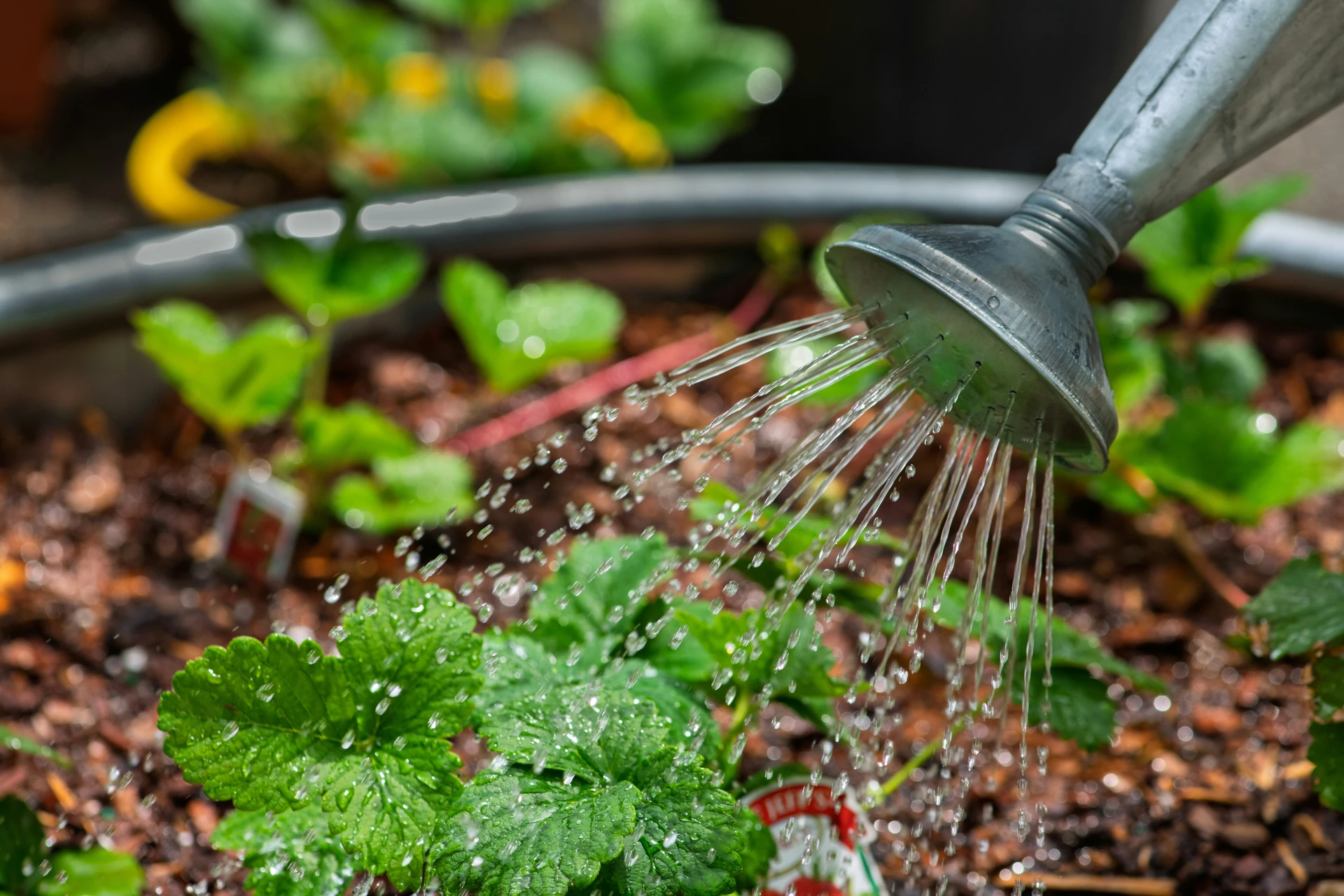
From the Grower's Bench
Real-world experience
"In my early days, I killed countless Calatheas and Alocasias by sticking to a rigid watering schedule. The reality is that your plant’s water needs drop drastically in the winter or during cloudy weeks. Lift the pot—if it feels heavy, put the watering can down. It’s saved me more plants than any moisture meter."
Quick Answer
Overwatering is a root zone remaining saturated longer than a plant's physiology can tolerate, depriving roots of the oxygen needed for cellular respiration. This creates conditions favoring root rot pathogens like Phytophthora and Pythium, even in apparently well-watered soil. Allowing soil to partially dry between waterings, based on actual moisture rather than a schedule, is the primary prevention.
What Is Overwatering?
Overwatering does not simply mean giving a plant too much water at one time. It usually means the growing medium stays wet for too long, leaving too little air around the roots. Plant roots need both water and oxygen, and when the pore spaces in the soil remain saturated, oxygen availability falls. Prolonged saturation can weaken roots, reduce their ability to absorb water and nutrients, and increase the risk of root and stem diseases.
This is why an overwatered plant can look surprisingly similar to a severely underwatered plant. Damaged roots may no longer absorb enough water to support the leaves, so the plant can wilt even though the soil around those roots is still wet.
How quickly a plant becomes overwatered depends on more than how often it is watered. Pot size, drainage, potting mix, light, temperature, humidity, plant size, season, and the plant's natural water requirements all affect how quickly the root zone dries.
Why Overwatering Damages Roots
Healthy potting mix contains both water-filled and air-filled spaces. After watering, excess water should drain away while enough moisture remains available to the roots. If the medium stays saturated, the amount of oxygen available around the roots decreases.
Roots exposed to prolonged low-oxygen conditions become stressed and may begin to die. Damaged root tissue is then more vulnerable to organisms associated with root and crown rot, including species of Phytophthora and Pythium. The exact disease risk varies with plant species, growing conditions, and the organisms present in the medium.
Once enough roots are damaged, the plant's ability to take up water and nutrients declines. Leaves may yellow, wilt, drop, or develop brown lesions. The plant can therefore appear thirsty even though adding more water is actually making the underlying problem worse.
Signs of an Overwatered Plant
No single symptom proves that a plant has been overwatered. Look at the combination of soil moisture, leaf condition, roots, stems, and recent care history.
- Yellowing leaves: Lower or older leaves may turn yellow when roots are stressed or the growing medium stays excessively wet.
- Wilting while the soil is wet: A plant that remains limp despite moist soil may have impaired roots rather than a lack of water.
- Soft or mushy stems: A soft stem base, especially near the soil line, can indicate serious moisture stress or rot.
- Leaf drop: Root stress can cause plants to shed leaves as they struggle to maintain normal water balance.
- Slow or stunted growth: Persistent root-zone problems can reduce nutrient uptake and new growth.
- Unpleasant-smelling soil: A sour or stagnant smell can indicate prolonged saturation and decomposition.
- Fungus gnats: Persistent damp organic-rich potting mix can provide favourable conditions for fungus gnats.
- Surface mold or algae: Growth on constantly damp potting mix is a useful warning that the surface is staying wet for long periods.
- Brown or black roots: Roots that are soft, collapsing, or easily pulled apart are more concerning than naturally darker but firm roots.
Symptoms can overlap with underwatering, nutrient problems, pests, temperature stress, and disease. Always check the growing medium before deciding that watering is the solution.
Overwatering vs. Underwatering
| Sign | More Consistent With Overwatering | More Consistent With Underwatering |
|---|---|---|
| Soil | Stays wet or heavy for a long time | Very dry and noticeably lighter |
| Leaves | Often yellow, soft, or limp | Often dry, crispy, or curled |
| Wilting | Can occur while soil is still wet | Usually occurs as the soil becomes dry |
| Roots | May be soft, dark, or deteriorating | May be dry, brittle, or shrivelled |
| Pot weight | Remains unusually heavy | Becomes noticeably lighter |
| Response to watering | May remain wilted because damaged roots cannot function normally | Often improves after adequate watering |
What Causes Overwatering?
Watering on a Fixed Schedule
Watering every Monday, Wednesday, or five days regardless of conditions is one of the easiest ways to create inconsistent moisture problems. Plants do not use the same amount of water every day. Water demand changes with light, temperature, humidity, season, plant size, pot size, and growth rate.
A plant that dries quickly in bright summer light may remain wet for many days in a darker winter location. The calendar has not changed the plant's water requirement, but the growing environment has.
Poor Drainage
Containers should have functional drainage holes that allow excess water to escape. A pot without drainage provides very little margin for error because excess water has nowhere to go.
Placing gravel or stones in the bottom of a container does not turn a container without drainage into a well-drained pot. The better solution is to use a container with an actual drainage opening and a growing medium appropriate for the plant.
Potting Mix That Holds Too Much Water
A dense or poorly structured growing medium can remain wet for too long. Indoor plants generally benefit from a medium that holds enough moisture for their roots while still maintaining adequate air-filled pore space after excess water drains.
Perlite, pumice, coarse bark, and other structural materials can be useful components of an airy mix, but the ideal composition depends on the plant. Adding more drainage material is not automatically better for every species.
A Pot That Is Too Large
A large container holds a larger volume of growing medium around a relatively small root system. That additional medium can take longer to dry, particularly when light levels are low or the plant is growing slowly.
When repotting, choose a container appropriate for the existing root system rather than automatically moving into the largest available pot.
Low Light
Plants generally use water more slowly when growth and transpiration are reduced. A watering routine that works beside a bright window may leave the same plant sitting wet for much longer in a dim location.
Seasonal Changes
Watering requirements often decrease during periods of lower light, cooler temperatures, or reduced growth. The same plant can therefore require very different watering intervals at different times of year.
Best Practices for Preventing Overwatering
Check the Growing Medium Before Watering
Do not use the surface alone as your watering signal. Check moisture at an appropriate depth for the container and plant. For many common houseplants, inserting a finger a few centimetres into the growing medium provides a useful basic check.
For larger containers, checking the weight of the pot can also be helpful. A recently watered container is usually much heavier than the same container after the medium has dried substantially. With experience, this becomes a quick way to recognise when a plant is ready for water.
Water Thoroughly When the Plant Needs It
When a container-grown plant is ready for water, water the medium thoroughly enough to wet the root zone, then allow excess water to drain freely. Empty standing water from saucers and decorative cachepots rather than allowing the container to remain in it.
Use an Appropriate Potting Mix
Choose a medium that matches the plant's moisture requirements and your growing environment. Plants that prefer rapid drying generally need a more open, free-draining mix, while moisture-loving species may tolerate a mix that retains more water.
Use the Right Container
Containers with drainage holes provide a much safer starting point for most potted plants. Unglazed terracotta can dry faster than many plastic or glazed containers because moisture can evaporate through its porous walls, although the difference varies with environmental conditions.
Adjust for Light and Season
Reassess watering whenever a plant is moved, daylight changes significantly, temperatures shift, or growth slows. Do not assume that an interval that worked during summer will remain appropriate during winter.
Plants That Are Particularly Sensitive to Excess Moisture
Plants adapted to dry environments are often especially vulnerable to prolonged wet soil. Succulents and many cacti store water in their leaves, stems, or roots and generally require a growing medium that drains rapidly and dries appropriately between waterings.
Euphorbia trigona, commonly called African milk tree, is one example of a succulent that can suffer severe damage when its root zone remains wet for too long.
String of pearls (Curio rowleyanus, formerly Senecio rowleyanus) also requires careful moisture management. Its small root system and water-storing leaves make constantly wet conditions particularly problematic.
Orchids such as Phalaenopsis have another specialised requirement. Their roots are adapted to an airy environment and generally perform poorly when surrounded by stagnant, continuously wet medium. Bark-based orchid mixes are designed to provide greater airflow and drainage than ordinary houseplant soil.
Other popular houseplants can also develop root problems when their growing medium remains saturated. Pothos (Epipremnum aureum), fiddle-leaf fig (Ficus lyrata), peace lily (Spathiphyllum), and many other tropical plants still need oxygen around their roots even though they may prefer more moisture than drought-tolerant species.
Common Overwatering Mistakes to Avoid
Watering because the calendar says it is time: Check the plant and growing medium instead of following an automatic schedule.
Watering a wilted plant without checking the soil: Wilting is not proof that the plant needs water. Check moisture first.
Using a container without drainage: Excess water needs a way out of the root zone.
Keeping a nursery pot sitting in standing water: Empty the cachepot or saucer after watering.
Using a very large pot for a small root system: Excess medium can remain wet for too long.
Adding a gravel layer to improve drainage: A gravel layer does not replace a drainage hole or automatically improve drainage in a container.
Assuming all yellow leaves mean nutrient deficiency: Root stress from excessive moisture can also cause yellowing and poor nutrient uptake.
Fertilizing a severely stressed plant: When roots are damaged, correcting the root-zone problem should come before trying to stimulate growth with fertilizer.
How to Prevent Overwatering Long Term
The most reliable strategy is to manage the root zone rather than memorising a watering interval. Match the container, growing medium, light level, and watering method to the plant's needs, then monitor how quickly the medium dries.
If you regularly struggle to judge when a plant needs water, the PlantSolve Watering Calculator can help establish a starting point based on plant and growing conditions. Treat any calculated interval as a guide rather than a fixed schedule, and reassess as conditions change.
If you already suspect that a plant has been overwatered, do not simply wait indefinitely for it to recover. Our overwatered plant recovery guide explains how to assess the roots, decide whether repotting is necessary, and reduce further damage.
Frequently Asked Questions
Does the season affect overwatering risk?
Yes, the risk of overwatering is significantly higher in autumn and winter. As days get shorter and temperatures drop, plants slow their growth and use much less water. If you keep watering on your summer schedule, the soil will stay wet too long. Always test the soil moisture before watering during dormant months.
What is the best potting mix to prevent overwatering problems?
A mix containing 20% to 30% perlite or pumice is best for preventing overwatering. Standard potting soil can hold too much moisture and compress over time, suffocating the roots. Adding perlite creates air pockets that allow excess water to drain away quickly while keeping the roots oxygenated.
My plant has been overwatered but I cannot repot right now — what can I do temporarily?
You can temporarily help the plant by tilting the pot to let excess water drain out and moving it to a warmer spot with good airflow. A waterlogged pot deprives roots of oxygen, and increasing evaporation can slightly reduce this stress. However, this is only a stopgap—you still need to repot in fresh soil as soon as possible to prevent rot.
Explore More
Related Topics
Related Plant Guides
No specific plant guides found matching this topic.
Recommended next actions
Continue Exploring
Dive deeper into related plant care tools and profiles.
Topic Guide
Root Rot
Learn how to identify and treat root rot in houseplants. Discover causes, symptoms, and step-by-step solutions to save your plants from overwatering.
Topic Guide
Drainage
Learn everything about drainage for your indoor and aquarium plants. Expert care tips, troubleshooting, and related guides.
Topic Guide
Soil Moisture
Learn how to accurately check soil moisture for houseplants. Discover when to water using finger tests, moisture meters, and pot weight.
Guide
How to Get Rid of Fungus Gnats in Houseplants
The most reliable way to control fungus gnats is to target both the adult flies and the larvae developing in consistently moist potting soil. Learn the evidence-based, step-by-step eradication method.