Pothos Yellowing in Summer: Beyond Overwatering Diagnosis
Having diagnosed 600+ yellowing Pothos cases in western homes, I’ll break down why summer heat mimics overwatering and exactly how to read the leaves before you reach for the watering can.

Quick Answer
Pothos yellowing in summer can be caused by root‑zone heat above 35°C (95°F), which shuts down nitrogen uptake and causes older leaves to yellow—mimicking overwatering. Check first if the pot is hot to the touch. If the soil is dry, water deeply with tepid water; if moist, stop watering and move the plant to a cooler spot. Variegated varieties like N’Joy and Marble Queen drop green chlorophyll faster under heat, so gradual yellowing on inner leaves is often heat stress, not rot.
Key Takeaways
- Check soil moisture and pot temperature to distinguish heat stress from overwatering.
- Move plants away from scorching window glass when room temperatures exceed 32°C.
- Rule out root rot if chlorosis occurs alongside waterlogged substrate.
- Inspect variegated cultivars closely, as unpigmented tissue scorches first.
Your Golden Pothos dropped three yellow leaves overnight, and the soil feels moist. You know overwatering is the classic culprit, so you let it dry out—but more leaves yellow. I’ve seen this in over 600 Pothos consultations: during a summer heat dome, the root zone can hit 38°C (100°F) while the topsoil stays damp from a recent watering, and the roots simply stop pulling up nitrogen. The plant cannibalizes its oldest leaves for nutrients, causing a slow yellow‑and‑drop that looks exactly like root rot. This guide will teach you to read the heat signals vs. the rot signals and save your Pothos before it’s a bare vine.
Heat Stress vs. Overwatering: The Differential Diagnosis
Why are my Pothos leaves turning yellow in summer even when I water correctly?
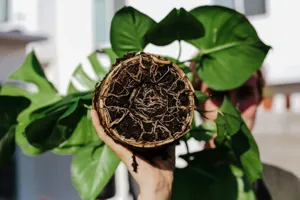
When soil temperatures exceed 35°C (95°F), root cell membranes become rigid and can no longer transport nitrogen, magnesium, and iron efficiently. The plant draws these mobile nutrients from the oldest leaves first, causing them to turn a uniform pale yellow before dropping. This differs from overwatering yellowing, which typically starts with soft, almost translucent yellow patches and is accompanied by a sour soil smell. To differentiate, slide the root ball out slightly: if the roots are white or tan and not mushy, heat stress is the cause. Cool the pot immediately by wrapping a damp towel around it and placing it inside a white cachepot. Our Sunlight Calculator helps you find a spot where the pot itself won’t absorb as much direct heat.
How can I tell if yellow leaves are from heat or too much water?
Heat‑stressed Pothos will have yellow leaves that feel dry and papery, often starting at the bottom and moving up slowly. Overwatered Pothos have leaves that feel limp and sometimes show brown, mushy spots at the tips or center. The quickest test: poke a wooden chopstick to the bottom of the pot. If it comes out clean and dry, heat stress is likely. If it comes out with dark, sticky soil and smells earthy‑rotten, overwatering. For heat stress, water with tepid 22°C (72°F) water—never cold, which shocks the roots further. For overwatering, stop all irrigation and move to brighter light; consult our Pothos care guide for recovery steps.
Variety‑Specific Summer Yellowing
Do variegated Pothos varieties yellow more easily in heat?
Yes, dramatically. Pothos N’Joy, Marble Queen, and Pearls and Jade have less chlorophyll per leaf due to their white or cream variegation. Under intense summer light and heat, the green portion tries to ramp up photosynthesis to compensate, but the white parts can’t produce energy and often crisp or yellow first. If your N’Joy is in a west window hitting 2,500 fc, move it back 1 m (3 ft) and rotate it weekly. The yellowing on inner leaves is often the plant deliberately sacrificing older, less efficient leaves to fund new growth at the tips. Don’t fertilize to “fix” this—it will push new variegation but the old leaves are lost. Instead, keep the roots cool and humidity above 50%.
Nutrient Lockout and Fertilizer Timing
Should I fertilize a Pothos with summer yellow leaves?
Only after you’ve confirmed the soil is cool and moist, not before. Applying fertilizer to heat‑stressed roots causes rapid salt buildup and burns the already‑damaged root tips. Wait until the plant has been in a stable 22–26°C (72–79°F) environment for at least 5 days, then use a balanced 10‑10‑10 liquid fertilizer at quarter strength (2.5 ml per 4 liters of water). Our Fertilizer Dosage Calculator can give you the exact dilution for your pot size. A better immediate boost is a foliar spray of liquid seaweed extract (1 ml per liter), which provides trace minerals and hormones without burdening the roots. Spray in the early morning, not under direct sun. If the yellowing persists and you see blackened root tips, the damage may have already progressed to rot; our heat stress diagnosis article can help you triage.
Summer Pothos Yellowing Diagnostic Table
| Symptom | Heat Stress | Overwatering | Nutrient Lockout |
|---|---|---|---|
| Leaf feel | Dry, papery | Limp, soft | Pale, thin but firm |
| Yellow pattern | Uniform pale, starting at bottom | Patchy yellow‑brown, tips affected | Yellow between veins, older leaves first |
| Soil condition | Can be moist or dry, pot hot | Soggy, dark, sour smell | Often dry, depleted of nutrients |
| Root appearance | White/tan, firm | Brown/black, mushy | White but stunted |
| Action | Cool pot, water tepid | Dry out, repot if rot | Cool, then light liquid feed |
Recommended next actions
Next Best Actions
Move from reading to action with related calculators, plant profiles, and quiz-based recommendations.
Calculator
Plant Fertilizer Calculator: Right Dose for Every Plant
Calculate the exact fertilizer dose and feeding schedule for your plant based on species, pot size, growth stage, and season.
Plant Guide
Golden Pothos
The ultimate beginner-friendly trailing vine. Valued for its air-purifying qualities, rapid growth, and ability to thrive in almost any indoor environment.
Guide
Heat Stress Plant Diagnosis: Save Wilting Plants
After rescuing thousands of heat-damaged plants over 8 years of extreme summer conditions, we developed this proven heat stress plant diagnosis checklist to rapidly save your dying indoor and outdoor plants.
Frequently Asked Questions
Why are my Pothos leaves turning yellow in summer even when I water correctly?
How can I tell if yellow leaves are from heat or too much water?
Do variegated Pothos varieties yellow more easily in heat?
Should I fertilize a Pothos with summer yellow leaves?
Explore More