Liquid Fertilizer: Benefits, How to Use, Dosage, Pros & Cons
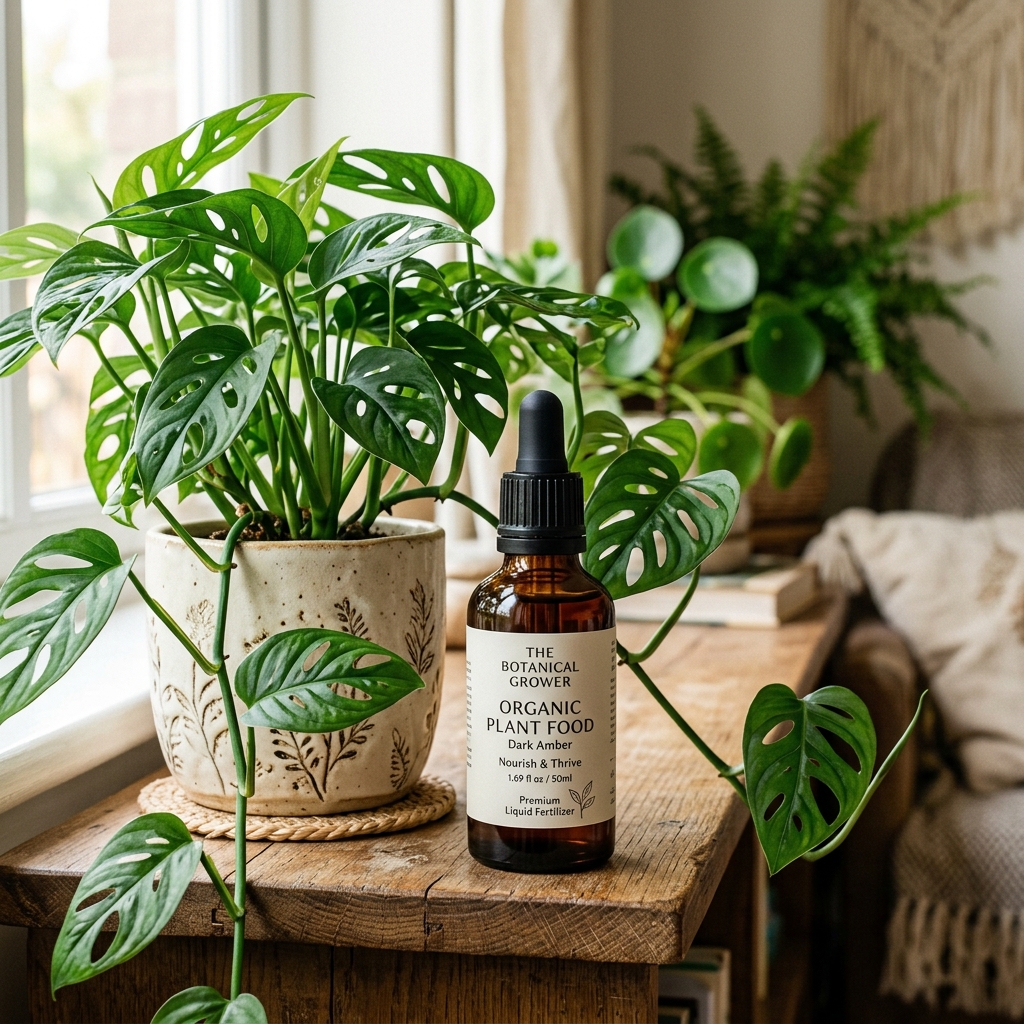
Liquid fertilizer is a water-soluble plant nutrient that delivers nitrogen, phosphorus, potassium, and micronutrients directly to plant roots or leaves for rapid absorption and fast growth. It is prized for its fast-acting nature and ease of precise dosing, making it a common choice for both houseplants and hydroponic systems that need consistent, readily available nutrition. This approach helps maintain optimal conditions and prevents common issues that can affect your plant's overall health and longevity over time.
Quick Answer
Liquid fertilizer is a concentrated nutrient solution diluted with water before application. Because nutrients are immediately available in dissolved form, plants absorb them much faster than granular fertilizers, making liquid fertilizers ideal for houseplants, vegetables, flowering plants, seedlings, and hydroponics. They require precise dosing to prevent root burn.
Key Takeaways
- Liquid fertilizer delivers immediately available nutrients for rapid plant response
- Always dilute concentrates according to label instructions—never apply full strength to dry soil
- Safe application rate for most houseplants: 1/4 to 1/2 strength every 2 weeks during growing season
- Organic liquid fertilizers (fish emulsion, seaweed) have lower burn risk but less precise NPK
- Synthetic liquid fertilizers offer exact NPK control but higher burn risk if overdosed
Symptoms
- Slow growth: Plants respond quickly to liquid feeding because nutrients are immediately available in solution.
- Pale or yellowing foliage: Liquid feeding rapidly corrects nitrogen deficiency, restoring green color within 1–2 weeks.
- Nutrient deficiency: Useful for correcting deficiencies faster than slow-release fertilizers, which take weeks to break down.
- Poor flowering or fruiting: Bloom-boosting liquid formulas (high phosphorus) stimulate bud formation and fruit set.
- Weak seedlings: Highly diluted liquid fertilizer provides gentle nutrition for developing root systems.
Common Causes
- Container growing: Container plants have limited soil volume and deplete nutrients quickly; liquid fertilizer allows precise replenishment.
- Frequent watering: Plants watered often leach nutrients faster; liquid fertilizer replaces what washes out.
- Fast-growing vegetables: Tomatoes, peppers, and cucumbers have high nutrient demands that liquid fertilizer can meet weekly.
- Hydroponic systems: Soilless growing depends entirely on dissolved nutrients; liquid fertilizer is the only viable option.
- Acute nutrient deficiencies: When a plant shows clear deficiency symptoms, liquid fertilizer provides the fastest correction.
- Seedling establishment: Young plants with small root systems benefit from gentle, immediately available liquid nutrition.
Prevention
- Never apply liquid fertilizer to dry soil—water lightly first
- Always dilute concentrates; start at 1/4 strength and increase gradually
- Shake the bottle before measuring to ensure uniform concentration
- Use a calibrated syringe or measuring spoon for accuracy
- Avoid application during the hottest part of the day
- Reduce or stop feeding in autumn and winter during dormancy
- Flush soil with plain water every 4–6 weeks to prevent salt buildup
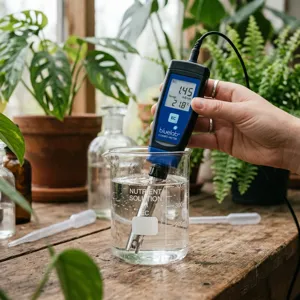
- Use an EC meter to verify safe concentration before applying
Best Practices
- Feed only during active growth (spring through early autumn)
- Use soft or distilled water for mixing if your tap water is hard
- Measure accurately with a syringe or digital scale—never guess
- Store bottles away from direct sunlight and extreme temperatures
- Mix fresh solution for each feeding; do not store diluted fertilizer
- Discard any mixture that has been sitting for more than 24 hours
- Apply immediately after mixing; nutrients begin degrading in solution
- Rotate between balanced and bloom-boosting formulas if needed for flowering plants
- Monitor plant response for 2–3 weeks before adjusting strength
- Keep a feeding log to track what works for each plant
What Is Liquid Fertilizer?
Liquid fertilizer is a concentrated or ready-to-use nutrient solution containing dissolved macro- and micronutrients that plants can absorb immediately. Unlike granular or slow-release fertilizers that must break down in soil over days or weeks, liquid fertilizers deliver nutrients directly to the root zone or leaf surface within hours of application.
Liquid fertilizers come in two main forms: concentrates that you dilute with water before use (the most common), and ready-to-use solutions that require no mixing. They are available as synthetic formulations (precise NPK ratios) or organic formulations (fish emulsion, seaweed extract, compost teas).
In one sentence: Liquid fertilizer is a concentrated nutrient solution diluted in water before application, delivering immediately available nitrogen, phosphorus, potassium, and micronutrients to plant roots or leaves for rapid growth response.
How Does Liquid Fertilizer Work?
When liquid fertilizer is applied to soil, the dissolved nutrient ions (nitrate NO₃⁻, ammonium NH₄⁺, phosphate H₂PO₄⁻, potassium K⁺, and micronutrients) move through the soil solution via mass flow and diffusion to the root surface. Because these ions are already in solution, roots do not need to wait for microbial decomposition or weathering—they absorb nutrients immediately.
When applied as a foliar feed, nutrients are absorbed directly through leaf stomata and epidermal cells. This bypasses the root system entirely and is useful for correcting acute deficiencies or feeding plants with compromised root systems.
The speed of response is both liquid fertilizer's greatest advantage and its greatest risk: fast absorption means fast results, but over-application causes rapid root burn and nutrient toxicity.
Types of Liquid Fertilizer
| Type | Form | Nutrient Source | Best For | Burn Risk |
|---|---|---|---|---|
| Synthetic Concentrate | Concentrated liquid; dilute 1:100 to 1:200 | Urea, ammonium nitrate, potassium chloride | Houseplants, vegetables, hydroponics | High if overdosed |
| Synthetic Ready-to-Use | Pre-diluted; apply directly | Same as concentrate but pre-mixed | Convenience, beginners | Moderate |
| Organic Fish Emulsion | Thick liquid; dilute 5–10 ml/L | Processed fish waste, nitrogen-rich | Leafy greens, organic gardens | Low |
| Organic Seaweed Extract | Concentrated liquid; dilute 2–5 ml/L | Kelp and seaweed; growth hormones + micronutrients | Seedlings, stress recovery, foliar feeding | Very Low |
| Compost Tea | Brewed liquid; dilute or use full strength | Compost-extracted microbes and nutrients | Soil health, organic gardens | Very Low |
| Worm Casting Tea | Brewed liquid; dilute 1:10 | Worm castings; microbial activity + NPK | Seedlings, houseplants, vegetables | Very Low |
| Hydroponic Nutrient Solution | Two-part or three-part concentrates | Chelated minerals in precise ratios | Hydroponics, aeroponics, DWC | High if unbalanced |
Liquid vs Granular Fertilizer
| Factor | Liquid Fertilizer | Granular Fertilizer |
|---|---|---|
| Speed of Action | Immediate (hours) | Slow (days to weeks) |
| Dosing Precision | High — measure exact ml or tsp | Moderate — scatter by hand or cup |
| Application Method | Watering can, spray bottle, drip system | Top-dress, side-dress, till into soil |
| Burn Risk | High if overdosed or applied to dry soil | Low–Moderate |
| Frequency | Every 1–2 weeks during growing season | Once per month or season |
| Cost Over Time | Higher — frequent application | Lower — long-lasting |
| Storage | Limited shelf life (1–3 years) | Indefinite if kept dry |
| Best For | Container plants, hydroponics, quick fixes | Garden beds, lawns, trees, shrubs |
| EC/TDS Control | Easy to measure and adjust | Harder to measure precisely |
Organic vs Synthetic Liquid Fertilizer
| Factor | Organic Liquid | Synthetic Liquid |
|---|---|---|
| Source | Fish, seaweed, compost, manure | Urea, ammonium nitrate, potassium chloride |
| Nutrient Availability | Moderate — requires microbial processing | Immediate — ions already dissolved |
| NPK Precision | Variable — depends on batch | Exact — consistent ratio every time |
| Burn Risk | Low | High if overdosed |
| Odor | Strong (fish emulsion) | None or mild |
| Soil Health | Feeds microbes, improves structure | No direct soil benefit |
| Cost | Higher per unit NPK | Lower per unit NPK |
| Best For | Organic gardens, edibles, soil building | Precision feeding, hydroponics, houseplants |
How to Mix Liquid Fertilizer
- Read the label — note the NPK ratio and recommended dilution rate (e.g., 5 ml per liter)
- Measure your water — use a jug or watering can with volume markings
- Calculate the dose — use the formula: Amount = Label Rate × Water Volume
- Measure the fertilizer — use a calibrated syringe, measuring spoon, or digital scale
- Add fertilizer to water — never add water to concentrate; always add concentrate to water
- Stir thoroughly — ensure complete dissolution, especially for powder concentrates
- Let it settle — wait 1–2 minutes for any foam to subside
- Test EC if available — verify the mixed solution is within safe range (0.8–1.5 mS/cm for most houseplants)
- Apply immediately — use within 24 hours; nutrient solutions degrade when stored
PlantSolve Expert Tip
Always add liquid fertilizer to water, not water to fertilizer. Pouring water into concentrated fertilizer can cause localized chemical reactions, precipitation of nutrients, and inconsistent mixing. Think of it like making lemonade — syrup into water, not water into syrup.
How Often to Apply Liquid Fertilizer
| Plant Type | Strength | Frequency | Seasonal Notes |
|---|---|---|---|
| Houseplants (general) | ¼–½ strength | Every 2 weeks | Stop in winter; resume when new growth appears |
| Heavy Feeders (Tomato, Pepper) | ½–Full strength | Weekly | Peak feeding during fruiting; reduce after harvest |
| Leafy Greens (Lettuce, Spinach) | ½ strength | Every 2 weeks | Consistent feeding for rapid leaf production |
| Succulents / Cacti | ¼ strength | Monthly | Only during active growth; never in winter |
| Orchids | ¼ strength | Every 2 weeks | Use orchid-specific formula; flush monthly |
| Seedlings | ⅛–¼ strength | Every 2 weeks after true leaves | Start only after cotyledons; very weak solutions |
| Hydroponics | Full strength per formula | Continuous or weekly reservoir changes | Monitor EC daily; top up with water between changes |
| Lawns | Per label rate | Every 4–6 weeks | Spring and fall applications; avoid mid-summer heat |
When NOT to Apply Liquid Fertilizer
- Dry soil — concentrated salts burn roots instantly. Water lightly first.
- Dormant plants — winter dormancy means zero nutrient uptake; feeding causes salt buildup
- Stressed plants — after transplanting, pruning, or during heat waves, roots cannot process nutrients
- Newly repotted plants — fresh potting mix contains nutrients; wait 4–6 weeks
- Disease or pest infestation — sick plants need recovery, not growth stimulation
- Extreme heat — above 30°C (86°F), plants close stomata and cannot absorb nutrients efficiently
- Before heavy rain — rain will wash away unabsorbed nutrients, wasting fertilizer and polluting runoff
Signs of Overuse (Fertilizer Burn)
- Crispy brown leaf edges — starting at tips and margins, spreading inward
- White salt crust — crystalline buildup on soil surface
- Wilting despite wet soil — roots are damaged and cannot uptake water
- Stunted or twisted new growth — nutrient toxicity disrupts cell division
- Root tips turning black — visible when inspecting root ball
- Leaf drop — especially lower leaves, often while still partially green
Signs of Underfeeding
- Pale or yellowing leaves — especially older lower leaves (nitrogen deficiency)
- Slow growth — smaller than expected leaves and stems
- Purple or reddish leaf undersides — phosphorus deficiency
- Weak stems — plants flop or lean despite adequate light
- Poor flowering or fruiting — buds drop or fail to develop
Liquid Fertilizer for Specific Plants
Houseplants
Use a balanced liquid fertilizer (e.g., 20-20-20 or 10-10-10) at 1/4 to 1/2 strength every 2 weeks during spring and summer. Reduce to monthly in autumn and stop completely in winter. For flowering houseplants like African violets or orchids, switch to a bloom-boosting formula (higher phosphorus, e.g., 10-30-20) during bud formation.
Vegetables
Vegetables are heavy feeders. Tomatoes, peppers, and cucumbers need full-strength liquid fertilizer weekly during fruiting. Leafy greens like lettuce and spinach prefer half strength every 2 weeks. Root vegetables (carrots, beets) need less nitrogen and more phosphorus—use a 5-10-10 formula.
Succulents
Succulents need very little. Use 1/4 strength cactus fertilizer (low nitrogen, e.g., 2-7-7) once per month during active growth only. Never fertilize in winter. Over-fertilizing succulents is the fastest way to cause etiolation (stretching) and root rot.
Orchids
Orchids are epiphytes with sensitive roots. Use orchid-specific liquid fertilizer (e.g., 30-10-10 for growth, 10-30-20 for blooming) at 1/4 strength every 2 weeks. Flush the pot with plain water monthly to prevent salt accumulation on aerial roots.
Hydroponics
Hydroponic systems depend entirely on liquid nutrients. Use a two-part or three-part hydroponic formula designed for your crop type. Monitor EC daily (1.0–1.6 mS/cm for leafy greens, 1.8–2.8 mS/cm for fruiting plants). Change the reservoir completely every 1–2 weeks.
Storage and Shelf Life
| Type | Shelf Life (Unopened) | Shelf Life (Opened) | Storage Conditions |
|---|---|---|---|
| Synthetic liquid concentrate | 2–3 years | 1–2 years | Cool, dark place; avoid freezing |
| Fish emulsion | 1–2 years | 6–12 months | Refrigerate after opening; shake before use |
| Seaweed extract | 2–3 years | 1–2 years | Cool, dark place |
| Compost tea | N/A (brew fresh) | 24–48 hours | Use immediately; aerobic bacteria die quickly |
| Hydroponic nutrients | 2–3 years | 1–2 years | Cool, dark place; part A and B stored separately |
Safety
- Wear gloves when handling concentrated synthetic fertilizers
- Avoid inhalation — powders and concentrates can irritate lungs
- Keep away from children and pets — store in a locked cabinet
- Never mix with bleach or ammonia — produces toxic chlorine gas
- Wash hands after application — even organic fertilizers can carry bacteria
- Dispose of old fertilizer properly — do not pour down storm drains
Related Tools & Topics
Tools
- EC Meter — verify mixed solution concentration
- TDS Meter — quick ppm reference for nutrient strength
- Fertilizer Calculator — compute exact doses before mixing
Concepts
- NPK Ratios — understand the numbers on the label
- Macronutrients — nitrogen, phosphorus, potassium
- Micronutrients — iron, magnesium, calcium, and trace elements
- Foliar Feeding — applying liquid fertilizer to leaves
Problems
- Fertilizer Burn — caused by over-concentrated liquid fertilizer
- Nutrient Lockout — excess salts block uptake
- Salt Buildup — detected by rising EC over time
Alternatives
- Granular Fertilizer — slow-release, low maintenance
- Slow-Release Fertilizer — feeds for 3–6 months
- Organic Fertilizer — compost, manure, worm castings
Frequently Asked Questions
Is liquid fertilizer better than granular fertilizer?
It depends on your needs. Liquid fertilizer acts immediately, allows precise dosing, and is ideal for container plants, hydroponics, and quick fixes. Granular fertilizer is slower, longer-lasting, and better for garden beds, lawns, and low-maintenance setups. Many growers use both: liquid for fast response and granular for baseline nutrition.
Can I use liquid fertilizer every watering?
Yes, through a method called 'weakly, weekly' — using 1/8 to 1/4 strength fertilizer every time you water during the growing season. This provides consistent, low-level nutrition without salt buildup. However, you must use an EC meter to verify that cumulative salts stay within safe ranges (0.8–1.5 mS/cm for most houseplants).
Can I spray liquid fertilizer on leaves?
Yes, this is called foliar feeding. Use a highly diluted solution (typically 1/4 to 1/8 of the soil dose) and spray in early morning or late evening when stomata are open. Avoid spraying in direct sunlight or high heat, which can cause leaf burn. Foliar feeding is excellent for correcting acute nutrient deficiencies but should not replace root feeding long-term.
How long does liquid fertilizer last in soil?
Liquid fertilizer nutrients are available immediately but can leach out within days to weeks depending on watering frequency, soil type, and drainage. In well-draining potting mix, excess nutrients wash out with the next watering. In heavy soil, they may persist longer but risk salt buildup. This is why liquid fertilizers need reapplication every 1–2 weeks.
Does liquid fertilizer expire?
Yes. Unopened synthetic liquid fertilizer lasts 2–3 years. Opened bottles last 1–2 years if stored in a cool, dark place. Organic liquids like fish emulsion degrade faster—6–12 months after opening, and refrigeration extends life. Compost tea must be used within 24–48 hours of brewing. Always check for sediment, off-odors, or color changes before use.
Can liquid fertilizer burn plants?
Yes, and it burns faster than granular fertilizer because nutrients are immediately available. Over-dosing, applying to dry soil, or using full strength on sensitive plants causes root burn within 24–48 hours. Symptoms include crispy brown leaf edges, white salt crust on soil, and wilting despite wet soil. Always start at 1/4 strength and increase gradually.
Can I mix two liquid fertilizers together?
Mixing concentrated liquid fertilizers directly can cause chemical precipitation where nutrients bind together and become unavailable. If you need to use multiple products, dilute each separately in water first, then combine the diluted solutions. Never mix calcium-containing fertilizers with phosphate or sulfate fertilizers in concentrated form.
Is liquid fertilizer safe for seedlings?
Yes, but only at very low concentrations. Wait until seedlings have developed their first set of true leaves (not cotyledons), then use 1/8 to 1/4 strength liquid fertilizer. Organic options like seaweed extract or diluted compost tea are gentler than synthetic concentrates. Over-feeding seedlings causes leggy growth and weak stems.
Can I use liquid fertilizer during winter?
No. Most plants enter dormancy in winter when light levels drop and growth slows. Fertilizing during dormancy forces the plant to process nutrients it cannot use, leading to salt buildup and root damage. Resume feeding only when you see active new growth in spring, usually March–April for temperate climates.
How much liquid fertilizer per liter of water?
For most liquid houseplant fertilizers, use 1–2 ml per liter of water at full strength. For safety, start with 0.5–1 ml per liter (half strength). Fish emulsion typically requires 5–10 ml per liter. Seaweed extract uses 2–5 ml per liter. Always check the manufacturer's label, as concentrations vary significantly between brands and products.
What's the best liquid fertilizer for houseplants?
A balanced synthetic liquid fertilizer with an NPK ratio of 20-20-20 or 10-10-10 at half strength is ideal for most houseplants. For flowering plants, switch to a bloom formula (higher phosphorus, e.g., 10-30-20) during bud formation. Organic growers prefer fish emulsion or seaweed extract for gentle, consistent feeding.
How often should I apply liquid fertilizer?
Most houseplants need liquid fertilizer every 2 weeks during spring and summer at 1/4 to 1/2 strength. Heavy feeders like tomatoes and peppers need weekly applications at full strength during fruiting. Succulents and cacti need monthly feeding at 1/4 strength during active growth only. Never fertilize in winter.
Should I shake liquid fertilizer before use?
Yes. Nutrients can settle or separate during storage, especially in organic formulations like fish emulsion. Shake the bottle vigorously for 10–15 seconds before measuring. For two-part hydroponic nutrients, shake each part separately before mixing. Never shake a container with the cap removed.
Can I make my own liquid fertilizer?
Yes. Common homemade liquid fertilizers include compost tea (steep compost in water for 24–48 hours), worm casting tea (steep worm castings for 12–24 hours), and banana peel tea (soak peels in water for 1 week for potassium). These are gentler than synthetic concentrates but less precise in NPK content. Always dilute homemade fertilizers and test on one plant before wide application.
Why is my liquid fertilizer forming crystals at the bottom?
Crystallization occurs when the solution becomes supersaturated, usually due to temperature drops or evaporation. Some nutrients (especially calcium and magnesium) precipitate out of solution when concentrated. Warm the bottle gently in a water bath and shake vigorously. If crystals persist, the fertilizer may have degraded—discard and replace. Always store liquid fertilizer above 10°C (50°F).
Explore More
Related Articles
Related Plant Guides
No specific plant guides found matching this topic.
Recommended next actions
Continue Exploring
Dive deeper into related plant care tools and profiles.
Topic Guide
Fertilizer
Learn everything about fertilizer for your indoor and aquarium plants. Expert care tips, troubleshooting, and related guides.
Topic Guide
Foliar Feeding for Houseplants
Learn how foliar feeding works for houseplants. Discover when to spray leaves with fertilizer, which nutrients absorb best, and how to avoid chemical leaf.
Topic Guide
PPM Explained for Plant Feeding
Understand what PPM means for fertilizer strength and how to measure and adjust parts per million for safe plant feeding.
Topic Guide
EC Meter Guide for Plants
Use an EC meter to measure nutrient salt levels in soil or water and keep readings within the safe range for healthy plant roots.
Topic Guide
Fertilizer Burn: Symptoms and Treatment
Identify fertilizer burn symptoms like scorched leaf edges and treat overfertilized plants by flushing soil and adjusting feeding.
Topic Guide
Nutrient Lockout in Plants: Causes, Diagnosis & How to Fix It
Learn to identify and fix nutrient lockout. Discover why plants can't absorb nutrients due to pH imbalance, salt buildup, or overfertilization, and how to.