Bougainvillea Care Guide: Get More Blooms with Less Stress
Vibrant Bougainvillea bracts require intense sunlight, fast-draining soil, and measured watering between soakings. Learn proven horticultural practices for seasonal feeding, pruning, and preventing sparse vines.
-
Difficulty
Medium
-
Light
Requires full, direct sunlight to produce vibrant bracts.
-
Temperature
18-35°C (65-95°F)
-
Growth
Fast
-
Humidity
40-60%
-
pH range
5.5-7.0
-
Biggest Owner Mistake
Watering and fertilizing generously like a typical houseplant—abundant nutrients and consistent moisture signal the plant to produce foliage, not flowers. To trigger those colorful bracts indoors, it needs deliberate stress: dry soil between waterings and cooler nights.
-
What Nobody Tells You
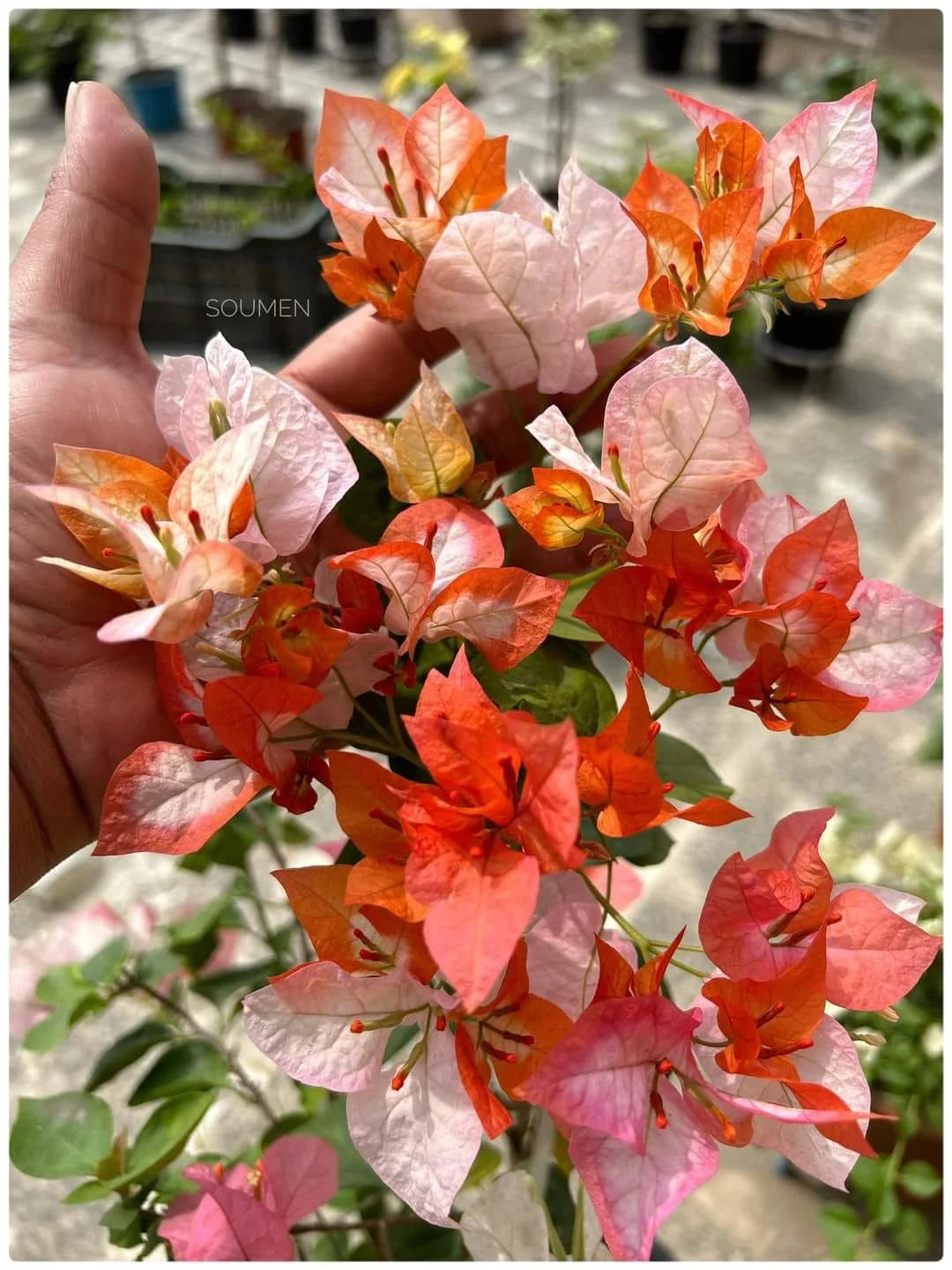
The colorful 'flowers' are actually papery modified leaves called bracts—the real flowers are the tiny white tubes nestled inside. Blooming only occurs when the plant is slightly root-bound, so resist the urge to repot into a larger container.
-
Real Home Conditions
When brought indoors from outside, it often drops all its leaves within days as a shock response to the sudden light reduction—this is not death, and it will regrow leaves in a few weeks once it adjusts. Keep it in the brightest spot possible to minimize the shock.
Quick Answer
Bougainvillea flowers best with at least 6–8 hours of direct sunlight daily and a fast-draining growing medium. Avoid overwatering by letting the root zone dry moderately between deep waterings, adjusting for pot size, weather, and mix structure. During active growth, apply a balanced or container-appropriate fertilizer according to product label directions; avoid excessive nitrogen that favors foliage over bracts, and do not rely on high-phosphorus feeds alone to trigger blooming.
Key Takeaways
- Provide a minimum of 6 hours of direct, blazing sunlight daily for heavy blooming.
- Allow the potting mix to dry out 2 to 3 inches down before watering deeply.
- Maintain slight root restriction in containers to trigger abundant floral bracts.
- Prune aggressively after each bloom cycle to force new flower-bearing wood.
What is Bougainvillea?
Bougainvillea (Bougainvillea spp.) is a spectacularly vibrant, sun-loving ornamental vine native to South America. It is globally prized for its dazzling displays of color that can drape over fences, climb pergolas, or be meticulously trained into bonsai. A critical botanical distinction: the brilliant magenta, purple, red, or orange "flowers" that define the plant are not actually flowers at all. They are papery, modified leaves called bracts. The true flowers are the tiny, tubular white structures nestled inside these bracts. Understanding this distinction is key to their care, as flower and bract development depends directly on adequate light and appropriate growing conditions.
Care at a Glance
| Requirement | Ideal Condition |
|---|---|
| Sunlight | Full blazing sun (Minimum 6–8 hours direct sunlight) |
| Watering | Deep but measured. Allow the top several inches of soil to dry before re-watering. |
| Soil | Gritty, fast-draining, slightly acidic soil (pH 5.5-7.0) |
| Pet Safety | Mildly toxic (sap causes dermatitis); sharp thorns pose physical risk |
Essential Care Requirements
Light and Placement
Bougainvillea is an absolute sun junkie. It strictly requires a minimum of 6 to 8 hours of direct, intense sunlight every single day to trigger the production of its colorful bracts. If placed in partial shade, the plant will default to producing vigorous green foliage at the complete expense of flowers. For optimal performance, position it in the hottest, sunniest microclimate of your garden or on a south-facing patio.
Watering Strategy
Overwatering is the most common cause of container failure, resulting in yellowing leaves and impaired root function. Bougainvillea performs best with a thorough soak followed by an adequate drying interval. Water deeply until moisture runs freely from the drainage holes, then allow the top several inches of the root zone to dry before watering again. Watering frequency should always adapt to container volume, potting mix porosity, ambient temperature, and sun exposure rather than adhering to a rigid calendar schedule or subjecting the plant to severe desiccation.
Soil and Potting Mix
Drainage is non-negotiable. If the root system sits in heavy, water-retentive clay or standard potting soil, the plant will succumb to root rot rapidly. Whether planting in the ground or in containers, amend the soil heavily with coarse sand, perlite, or pumice to ensure water flows through it instantly. It prefers a slightly acidic environment (pH 5.5 to 7.0).
Temperature
As a true tropical plant, it thrives in extreme heat (65-95°F / 18-35°C). It is highly sensitive to frost. If temperatures drop below freezing, the plant will suffer severe dieback. In cooler climates, it must be grown in containers and overwintered indoors in a bright, cool room, or treated as a summer annual.
Humidity
Bougainvillea prefers low to moderate humidity (40-60%). Unlike tropical understory plants, it does not require misting or humidity trays. High humidity combined with poor airflow can occasionally lead to fungal leaf spots, so ensure the plant has plenty of breathing room.
Fertilizing and Nutrition
Feeding Bougainvillea requires a measured approach that complements light and temperature rather than forcing blooms through heavy feeding. Bract formation is driven primarily by adequate direct sunlight (at least 6 to 8 hours daily) and normal seasonal cycles, not by overloading the root zone with fertilizer.
If you apply a high-nitrogen lawn or generic foliage feed, the plant will produce vigorous vegetative shoots and soft green leaves with few or no colorful bracts. Conversely, excessively heavy fertilizing can build up soluble salts in container media, causing root damage and leaf tip burn. During the active growing season (spring through summer), use a balanced fertilizer (such as a 1-1-1 or 1-2-2 ratio formula suited for flowering container plants) applied strictly according to label instructions. Taper off or cease feeding during cooler, shorter days or winter dormancy when plant growth naturally slows.
Micronutrients and Yellow Leaves
Yellowing leaves on Bougainvillea can have multiple distinct causes. If lower foliage turns soft and yellow while the medium remains wet, root suffocation from overwatering is the most likely culprit. However, in containers with gritty, rapidly draining potting mixes, repeated watering can leach mobile micronutrients. If older leaves develop interveinal chlorosis—where leaf tissue turns pale yellow while the veins stay distinctly green—this can indicate magnesium deficiency. Newer leaves showing similar pale patterns often point to iron deficiency, especially if the soil pH has drifted above 7.0. Before treating, check the soil drainage and pH; if a nutrient deficiency is confirmed, apply a suitable micronutrient product or magnesium sulfate (Epsom salt) according to package directions rather than applying arbitrary home remedy doses.
Toxicity and Physical Hazards
While not lethal, Bougainvillea poses distinct physical and chemical hazards. The plant's sap contains mild toxins that can cause contact dermatitis or skin rashes in sensitive individuals. More importantly, the thick, woody stems are heavily armed with sharp thorns that can easily puncture skin and cause secondary infections. Always wear heavy leather gloves and long sleeves when pruning or handling the vine. Keep curious pets away to prevent physical injury.
Pruning to Trigger Flowers
Bougainvillea blooms exclusively on new growth. Therefore, strategic pruning is the absolute best way to force a spectacular flush of color. Immediately after a flowering cycle finishes, use sterile, sharp bypass pruners to cut back the branches by about one-third. This hard pruning stimulates the plant to push out multiple new shoots from the cut points. Each of these new shoots will rapidly develop a cluster of colorful bracts. Never prune heavily during the winter dormancy.
Common Problems
- Vigorous Green Leafy Growth but No Colorful Bracts: This is the classic symptom of excess nitrogen fertilizer, insufficient direct sunlight, or over-frequent watering. Move the plant to full sun (6–8+ hours direct), cease high-nitrogen feeding, and let the soil dry moderately between waterings.
- Lower Leaves Turning Yellow and Dropping While Soil is Wet: This indicates severe overwatering and poor drainage leading to root suffocation. Immediately stop watering, assess the drainage holes in your pot, and consider amending the soil with perlite or pumice if the problem persists.
- Sudden Massive Leaf Drop After Moving Pots or Temperature Drops: Bougainvillea is notoriously temperamental about changes in its environment. If you bring a potted plant indoors for the winter, or if it experiences a sudden cold snap, it may drop every single leaf in shock. Do not panic or throw the plant away. Place it in the brightest possible light, reduce watering dramatically, and it will push out new leaves within a few weeks once it acclimates.
Calculator
Interactive Calculators for Bougainvillea Care
Calculator
Potting Mix Calculator
Calculate the ideal potting mix ratios for any plant type — from moisture-loving tropicals to drought-tolerant succulents.
Calculator
Plant Watering Calculator
Calculate the correct watering frequency for your plant based on species, pot size, soil type, season, and climate.
Recommended next actions
Next Best Actions
Use calculators and guides to turn this plant profile into a practical care routine.
Calculator
Plant Light Calculator: Find the Best Window for Your Plant
Determine the ideal indoor light placement for your plant based on species, window direction, and seasonal light availability.
Topic Guide
Fertilizer
Learn everything about fertilizer for your indoor and aquarium plants. Expert care tips, troubleshooting, and related guides.
Guide
Heatwave Plant Protection Guide: Survive Extreme Heat
After managing commercial nurseries through intense triple-digit summers for over 15 years, we have developed proven, lifesaving strategies to protect fragile houseplants and vulnerable outdoor gardens from extreme heatwaves.
Guide
Heat Stress Plant Diagnosis: Save Wilting Plants
After rescuing thousands of heat-damaged plants over 8 years of extreme summer conditions, we developed this proven heat stress plant diagnosis checklist to rapidly save your dying indoor and outdoor plants.
Topic Guide
Watering
Learn everything about watering for your indoor and aquarium plants. Expert care tips, troubleshooting, and related guides.
Calculator
Potting Mix Calculator: Build the Perfect Soil Blend
Calculate the ideal potting mix ratios for any plant type — from moisture-loving tropicals to drought-tolerant succulents.
Structured Plant Data
Plant Data Profile
The following data is extracted directly from our botanical knowledge graph for accuracy and transparency.
Growth Characteristics
Growth Rate
Fast
Mature Height
Up to 12-30 feet (depending on variety/support)
Mature Spread
Variable
Life Cycle
Perennial
Flowering Season
Multiple cycles yearly (in tropical climates)
Container Friendly
yes
Indoor Capable
no (requires full sun)
Environmental Parameters
| Parameter | Recommended | Survivable |
|---|---|---|
| Temperature | 18-35°C (65-95°F) | 5-42°C (41-107°F) |
| Humidity | 40-60% | 30-80% |
| Soil PH | 5.5-7.0 | 5.0-8.0 |
Lighting
Description
Requires full, direct sunlight to produce vibrant bracts.
Nutrients
Nitrogen Demand
Low
Phosphate Demand
High
Potassium Demand
High
Micronutrient Notes
Susceptible to iron and magnesium deficiencies in fast-draining container mixes. If interveinal chlorosis appears (yellowing between green veins), evaluate soil drainage and pH before applying targeted micronutrient supplements or magnesium sulfate according to product instructions.
Fertilizer Frequency
Fertilize during the active growing season (spring/summer).
Organic Options
Compost or balanced organic slow-release fertilizer.
Relationships
-
Companion_plant | Strength 0.8
Both thrive in similar high-sunlight, warm conditions.
-
Root Rot
Vulnerability | Strength 9
Highly susceptible to rot if soil stays soggy.
Bougainvillea Type & Requirement Comparison
| Type | Sunlight | Water Requirement | Difficulty |
|---|---|---|---|
| Standard Bougainvillea | Full Sun | Moderate | Medium |
| Variegated Bougainvillea | High Sunlight | Moderate | Hard |
| Miniature Bougainvillea | Full Sun | Low | Easy |
Troubleshooting & Diagnostics Guide
1 Lower leaves turning yellow and dropping while soil is wet
Diagnosis: Overwatering or poor drainage leading to root suffocation
Treatment: Stop watering immediately. Check container drainage holes. If soil remains soggy for days, repot into a gritty, fast-draining cactus/citrus mix.
Prevention: Allow the top 2-3 inches of soil to dry bone-dry between waterings.
2 Vigorous green leafy growth but no colorful bracts
Diagnosis: Excess nitrogen, over-frequent watering, or insufficient direct sunlight
Treatment: Ensure the plant receives 6–8+ hours of direct sunlight daily. Cease high-nitrogen feeding, use a balanced label-directed container fertilizer during active growth, and let the soil dry moderately between waterings.
Prevention: Avoid generic high-nitrogen fertilizers.
3 Sudden massive leaf drop after moving pots or temperature drops
Diagnosis: Environmental shock or cold damage
Treatment: Do not panic or overwater. The plant is redirecting energy. Leave it in a bright, warm location and water very sparingly until new leaf buds emerge.
Prevention: Acclimate the plant slowly over several days when moving it between drastically different environments.
Authoritative Resources
For additional peer-reviewed information on plant diseases, toxicity, and care, consult these trusted botanical and agricultural extensions:
Glossary of Terms
- Bracts
- Modified colorful leaves surrounding the tiny true flowers of Bougainvillea.
- Chlorosis
- A condition in which leaves produce insufficient chlorophyll, often causing yellowing due to nutrient deficiencies.
Frequently Asked Questions
Are Bougainvillea thorns dangerous?
How often should I water Bougainvillea?
How do I make Bougainvillea bloom heavily?
Can Bougainvillea grow in pots?
Why is my Bougainvillea not flowering?
Why are the lower leaves turning yellow?
Can Bougainvillea survive winter?
How do I know when it's time to water my potted Bougainvillea?
Sources & References
-
Source: rhs.org.uk
-
Source: missouribotanicalgarden.org
Explore More