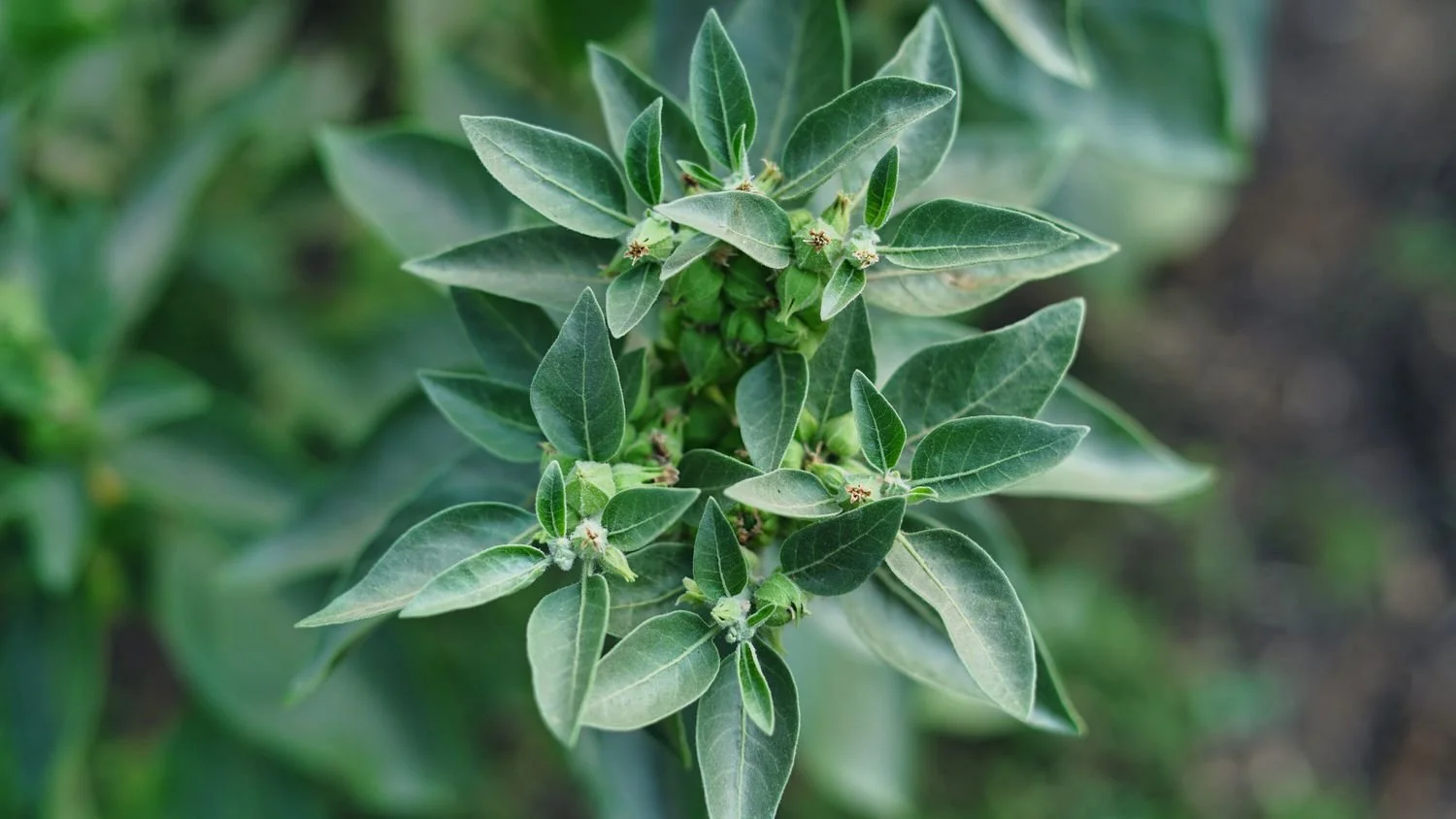
Ashwagandha Plant Care: How to Grow and Harvest at Home
An incredibly resilient medicinal herb revered in Ayurveda, known for its stress-relieving roots and drought tolerance.
-
Difficulty
moderate
-
Light
Requires full sun to develop a strong root system and high concentrations of active medicinal compounds.
-
Temperature
70-95°F (21-35°C)
-
Growth
moderate
-
Humidity
30-50%
-
pH range
7.5-8.0
-
Biggest Owner Mistake
Overwatering indoors because owners treat it like a culinary herb that needs regular moisture—but ashwagandha evolved in arid regions and its roots rot quickly in consistently damp soil. Let the soil dry completely between waterings.
-
What Nobody Tells You
It requires a cool, dry winter dormancy to build root potency—forcing year-round growth by keeping it warm and watered produces weak, leggy plants with low concentrations of medicinal withanolides. Reduce water and lower temperatures to 50–60°F in winter.
-
Real Home Conditions
In low-light indoor conditions it grows tall, floppy, and fails to produce its characteristic red berries. It genuinely needs a very sunny south-facing window or supplemental grow lights to thrive as more than a green stick.
Quick Answer
Ashwagandha needs full sun, highly well-draining sandy soil, and very infrequent watering to thrive and produce its medicinal roots. It tolerates drought well once established and generally struggles more from overwatering than from neglect. Monitoring the plant regularly helps catch early signs of stress before they cause any lasting damage.
Key Takeaways
- Provide full, direct sunlight (minimum 6 hours daily) for robust development.
- Plant in deep containers filled with fast-draining, sandy alkaline potting mix.
- Water moderately, allowing the substrate to dry out between applications.
- Harvest taproots in late autumn after 150 to 180 days of growth.
Overview
Ashwagandha (Withania somnifera), often called Indian Ginseng, is one of the most important herbs in Ayurveda. Known for its powerful adaptogenic properties, it has been used for millennia to relieve stress, increase energy levels, and improve concentration. As a garden plant, it is a hardy, drought-tolerant shrub that thrives in hot, dry conditions.
Planting and Soil Requirements
The key to successfully growing Ashwagandha is excellent drainage. It naturally grows in dry, rocky, or sandy soils. Heavy clay soils that retain moisture will quickly lead to root rot. If growing in pots, mix standard potting soil with coarse sand or perlite in a 1:1 ratio. It prefers slightly alkaline soil with a pH between 7.5 and 8.0.
Sunlight and Watering
This medicinal herb loves the sun. Plant it in a location that receives at least 6 to 8 hours of direct, unfiltered sunlight daily. Full sun is essential for the plant to produce a robust root system (which is the primary medicinal part). Once established, Ashwagandha is highly drought-tolerant. Only water when the soil is completely dry to the touch.
Harvesting the Roots
The roots are the prized harvest of the Ashwagandha plant. They are typically ready to be harvested in late fall, approximately 150-180 days after planting. Wait until the plant's leaves start drying out and the berries turn bright red. Carefully dig around the base to extract the long taproot, wash it thoroughly, and dry it in a well-ventilated, shaded area before processing.
Recommended next actions
Next Best Actions
Use calculators and guides to turn this plant profile into a practical care routine.
Calculator
Sowing Calendar: When to Start Seeds Indoors & Outdoors
Find the best indoor and outdoor sowing dates for vegetables, herbs, and flowers based on your USDA Hardiness Zone and local frost dates.
Calculator
Plant Light Calculator: Find the Best Window for Your Plant
Determine the ideal indoor light placement for your plant based on species, window direction, and seasonal light availability.
Calculator
Grow Bag Size Calculator: Find the Right Bag for Every Plant
Find the perfect grow bag size for your plant based on root depth, plant type, and expected mature size.
Fertilizer Guide
Organic Compost Guide: Improve Soil & Boost Plant Growth
The cornerstone of organic gardening. Compost enriches soil, promoting a healthy ecosystem of beneficial microbes.
Topic Guide
Root Rot
Learn how to identify and treat root rot in houseplants. Discover causes, symptoms, and step-by-step solutions to save your plants from overwatering.
Structured Plant Data
Plant Data Profile
The following data is extracted directly from our botanical knowledge graph for accuracy and transparency.
Growth Characteristics
Growth Rate
moderate
Mature Height
2-3 feet
Mature Spread
2 feet
Life Cycle
Perennial (in zones 9-11)
Flowering Season
Mid-summer to late autumn
Container Friendly
yes
Indoor Capable
no
Environmental Parameters
| Parameter | Recommended | Survivable |
|---|---|---|
| Temperature | 70-95°F (21-35°C) | 50-100°F (10-38°C) |
| Humidity | 30-50% | 20-70% |
| Soil PH | 7.5-8.0 | 6.5-8.5 |
Lighting
Description
Requires full sun to develop a strong root system and high concentrations of active medicinal compounds.
Nutrients
Nitrogen Demand
low
Phosphate Demand
moderate
Potassium Demand
high
Micronutrient Notes
Does not require heavy feeding. Too much nitrogen encourages leafy growth at the expense of root development.
Fertilizer Frequency
Feed once lightly in early spring with a balanced organic fertilizer.
Organic Options
Bone meal or a light application of compost.
Relationships
-
Root Rot
Vulnerability | Strength 10
Extremely susceptible to root rot in heavy clay or waterlogged soils.
Medicinal Herb Growing Comparison
| Herb | Primary Benefit | Growth Habit |
|---|---|---|
| Ashwagandha | Stress relief and vitality | Bushy shrub (2-3 ft) |
| Tulsi (Holy Basil) | Immunity and respiratory health | Leafy herb (1-2 ft) |
| Neem | Detoxification and skin health | Large tree |
Energy & Mindful Placement
Placement & Ancient Wisdom
Best Directions
Flexible
Best Rooms
Flexible placement
Light Range
Adaptable
Care Profile
General care rules apply
Troubleshooting & Diagnostics Guide
1 Wilting despite moist soil
Diagnosis: Root rot from poor drainage or overwatering.
Treatment: Stop watering immediately and amend the soil with sand. If in a pot, ensure drainage holes are not blocked.
Prevention: Maintain optimal care conditions.
Authoritative Resources
For additional peer-reviewed information on plant diseases, toxicity, and care, consult these trusted botanical and agricultural extensions:
Glossary of Terms
- Adaptogen
- A natural substance considered to help the body adapt to stress and exert a normalizing effect upon bodily processes.
- Taproot
- A large, central, and dominant root from which other roots sprout laterally. This is the part of the Ashwagandha plant harvested for medicinal use.
Frequently Asked Questions
Are Ashwagandha berries safe to eat?
Is it legal to grow Ashwagandha at home?
How long does it take to grow Ashwagandha from seed to harvest?
Can I grow Ashwagandha indoors in a pot?
What is the best soil mix for this herb?
Why are the leaves on my Ashwagandha wilting?
Why isn't my plant producing any berries?
How do I process the roots after harvesting?
Explore More