Holy Basil (Tulsi) Indoor Guide: How to Grow Sacred Plants Indoors and Outdoors
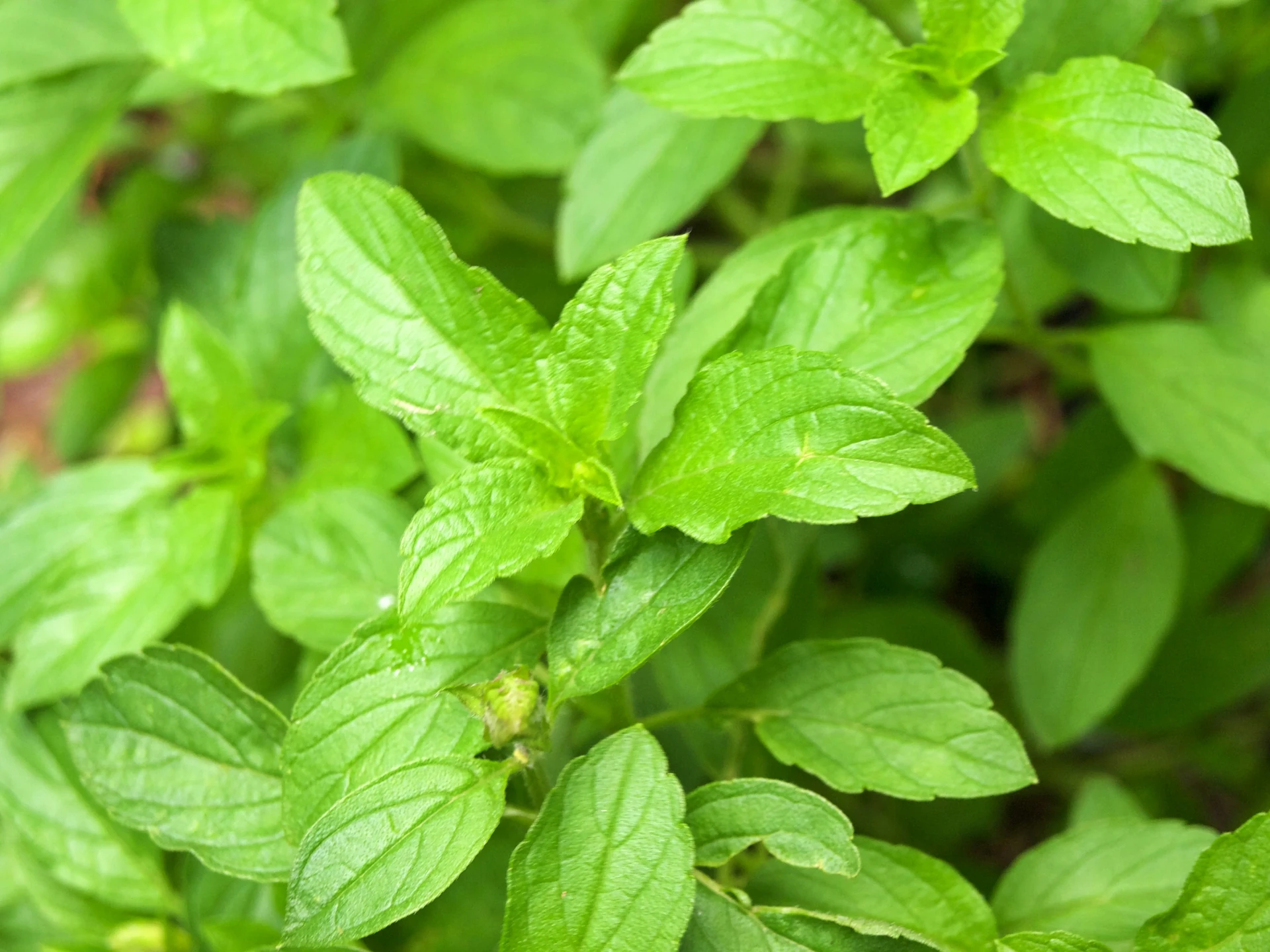
Holy Basil (Tulsi) is a sacred culinary and medicinal herb native to the Indian subcontinent and Southeast Asia.
-
Difficulty
easy
-
Light
Holy Basil (Tulsi) requires bright, direct sunlight to photosynthesize and grow well.
-
Temperature
65-75°F (18-24°C)
-
Growth
fast
-
Humidity
50-70%
-
pH range
6.0-7.0
-
Biggest Owner Mistake
Overwatering because it looks like culinary basil, which needs consistent moisture—but tulsi evolved in drier conditions and its roots rot quickly when soil stays wet. Let the top inch dry out between waterings and ensure excellent drainage.
-
What Nobody Tells You
Without regular pinching of growing tips, it channels energy into flowering and setting seed rather than producing aromatic leaves—once it fully flowers, the plant dies as part of its natural lifecycle. Pinching back the top two pairs of leaves every few weeks keeps it productive and alive.
-
Real Home Conditions
In low indoor light, the essential oils that give tulsi its characteristic scent and medicinal potency are barely produced—the plant grows green but smells weak. It genuinely needs a very sunny windowsill or supplemental grow light to produce aromatic foliage.
Quick Answer
To grow Holy Basil (Tulsi) successfully, ensure it receives 6–8 hours of direct sunlight daily. Water when the top 1 inch of soil is dry, typically every 2–3 days outdoors in summer, and less frequently indoors, while avoiding waterlogged soil.
Key Takeaways
- Provide 6 to 8 hours of direct sunlight daily on outdoor patios or south windows.
- Water when the top inch of soil feels dry, avoiding waterlogged conditions.
- Pinch off flower spikes and stem tips regularly to promote bushy, leafy growth.
- Protect from frost by moving containers indoors before winter temperatures drop below 10°C.
What is Tulsi?
Holy Basil, commonly known as Tulsi (Ocimum tenuiflorum or Ocimum sanctum), is a deeply revered, highly aromatic tender perennial herb native to the Indian subcontinent and Southeast Asia. In Ayurvedic medicine and Hindu tradition, it is considered a sacred plant celebrated for its adaptogenic, healing, and spiritual properties. There are several popular varieties cultivated by home growers, including Rama Tulsi (green leaves, milder flavor), Krishna Tulsi (purple-tinged leaves, peppery flavor), and Vana Tulsi (wild forest type, very fragrant).
Care at a Glance
| Requirement | Ideal Condition |
|---|---|
| Light | Full sun (6–8 hours of direct sunlight daily) |
| Watering | Water when the top 1 inch of soil is dry. Avoid waterlogging. |
| Soil | Well-draining, rich potting mix (pH 6.0–7.0) |
| Pet Safety | Non-toxic to cats, dogs, and humans |
Essential Care Requirements
Light
Holy Basil (Tulsi) requires bright, direct sunlight to photosynthesize and produce its characteristic aromatic oils. Place it outdoors in full sun or on a very sunny south-facing windowsill where it can receive 6 to 8 hours of direct sunlight every day. Too little light will result in leggy, weak stems and significantly reduced fragrance.
Watering
Tulsi needs consistent moisture, but it is highly susceptible to root rot if left in soggy conditions. Water the plant thoroughly only when the top 1 inch of soil feels completely dry to the touch. In the heat of summer outdoors, this might be every 2–3 days, whereas an indoor plant in winter will need much less frequent watering.
Soil
A loose, well-draining potting mix is essential. While it appreciates organic richness (like compost), the soil must drain quickly. A standard potting mix amended with 20-30% perlite is ideal for preventing waterlogged roots while maintaining adequate moisture.
Temperature
As a tropical plant, Holy Basil thrives in temperatures between 65–75°F (18–24°C). It is extremely sensitive to cold and will quickly drop its leaves or die if exposed to frost or temperatures below 50°F (10°C). If grown in colder climates, it must be brought indoors before the first frost.
Humidity
Tulsi appreciates moderate to high humidity (50–70%). While it can adapt to average household humidity, extremely dry indoor air during winter may cause leaf crisping. If your home is very dry, consider grouping it with other plants or using a humidifier.
Fertilizing Holy Basil
Holy Basil is a moderate feeder. During the active growing season (spring through early fall), feed it every 3–4 weeks with a balanced, water-soluble organic fertilizer diluted to half strength. Avoid high-nitrogen synthetic fertilizers, as they encourage rapid, weak growth and can dilute the concentration of essential oils in the leaves. Withhold fertilizer completely during winter dormancy.
Toxicity and Pet Safety
Holy Basil (Tulsi) is completely non-toxic to dogs, cats, and humans. It is a widely consumed culinary and medicinal herb. While ingesting massive quantities of the concentrated essential oil can cause mild stomach upset in pets, chewing on the living plant poses no danger.
Propagation
Tulsi is incredibly easy to propagate from stem cuttings. Follow these simple steps:
- Take a 4–6 inch cutting from a healthy, non-flowering stem using sterile shears.
- Remove the leaves from the bottom two inches of the cutting to expose the leaf nodes.
- Place the cutting in a glass of clean water, ensuring no leaves are submerged, or plant it directly into moist, airy potting mix.
- Keep the cutting in a warm, bright spot out of direct, harsh midday sun.
- Roots should develop within 10–14 days. Once roots are an inch long, transplant the cutting into a permanent pot.
Common Problems
- Yellowing Leaves: Typically a classic sign of overwatering and impending root rot. Ensure the pot has drainage holes and allow the top inch of soil to dry out before watering again.
- Leggy, Spindly Growth: Caused by insufficient sunlight. Move the plant to a brighter location, ideally a south-facing window, and pinch back the tips to encourage branching.
- Premature Flowering (Bolting): When the plant begins to form flower spikes, it directs energy away from foliage production. Pinch off these flower buds immediately to maintain a bushy plant and prolong its life.
- Pest Infestations: Aphids, whiteflies, and spider mites can occasionally attack Tulsi. Inspect the undersides of leaves regularly and treat early infestations with a gentle spray of neem oil or insecticidal soap.
Calculator
Interactive Calculators for Holy Basil Tulsi Care
Recommended next actions
Next Best Actions
Use calculators and guides to turn this plant profile into a practical care routine.
Calculator
Plant Light Calculator: Find the Best Window for Your Plant
Determine the ideal indoor light placement for your plant based on species, window direction, and seasonal light availability.
Topic Guide
Watering
Learn everything about watering for your indoor and aquarium plants. Expert care tips, troubleshooting, and related guides.
Fertilizer Guide
Organic Compost Guide: Improve Soil & Boost Plant Growth
The cornerstone of organic gardening. Compost enriches soil, promoting a healthy ecosystem of beneficial microbes.
Calculator
Sowing Calendar: When to Start Seeds Indoors & Outdoors
Find the best indoor and outdoor sowing dates for vegetables, herbs, and flowers based on your USDA Hardiness Zone and local frost dates.
Calculator
Plant Fertilizer Calculator: Right Dose for Every Plant
Calculate the exact fertilizer dose and feeding schedule for your plant based on species, pot size, growth stage, and season.
Calculator
Potting Mix Calculator: Build the Perfect Soil Blend
Calculate the ideal potting mix ratios for any plant type — from moisture-loving tropicals to drought-tolerant succulents.
Structured Plant Data
Plant Data Profile
The following data is extracted directly from our botanical knowledge graph for accuracy and transparency.
Growth Characteristics
Growth Rate
fast
Mature Height
12-18 inches
Mature Spread
12-18 inches
Life Cycle
tender perennial; grown as annual in frost-prone climates
Flowering Season
summer
Container Friendly
yes
Indoor Capable
yes
Environmental Parameters
| Parameter | Recommended | Survivable |
|---|---|---|
| Temperature | 65-75°F (18-24°C) | 50-90°F (10-32°C) |
| Humidity | 50-70% | 40-80% |
| Soil PH | 6.0-7.0 | 5.5-7.5 |
Lighting
Description
Holy Basil (Tulsi) requires bright, direct sunlight to photosynthesize and grow well.
Nutrients
Nitrogen Demand
medium
Phosphorus Demand
low
Potassium Demand
medium
Micronutrient Notes
Holy Basil (Tulsi) requires adequate micronutrients like iron, magnesium, and calcium for healthy growth.
Fertilizer Frequency
Fertilize every 2-3 weeks during the growing season.
Organic Options
Use organic fertilizers like compost or fish emulsion to promote healthy growth.
Relationships
-
Sunlight
Requirement | Strength 9
Holy Basil (Tulsi) requires direct sunlight for at least 6 hours a day to thrive. Insufficient sunlight can lead to weak and leggy growth.
-
Watering
Requirement | Strength 8
Holy Basil (Tulsi) needs consistent moisture, but overwatering can be detrimental. Watering when the top inch of soil is dry helps prevent root rot.
-
Potting Mix Calculator
Requirement | Strength 7
Holy Basil (Tulsi) prefers well-draining soil to prevent waterlogged soil conditions. A mix of compost and perlite can provide the necessary drainage.
-
Fertilizer
Requirement | Strength 5
Holy Basil (Tulsi) benefits from regular fertilization, but excessive fertilizer can damage the plant. A balanced, water-soluble fertilizer can promote healthy growth.
-
Pruning
Requirement | Strength 6
Regular pruning helps maintain Holy Basil (Tulsi)'s shape and encourages new growth. Pinching off flower buds can direct the plant's energy towards leaf production.
-
Aphids
Vulnerability | Strength 4
Holy Basil (Tulsi) is susceptible to aphid infestations, which can spread plant viruses. Regularly inspecting the plant and using neem oil can help control aphid populations.
-
Root Rot
Vulnerability | Strength 8
Holy Basil (Tulsi) is prone to root rot due to overwatering. Ensuring good drainage and avoiding waterlogged soil can help prevent root rot.
Holy Basil Growing Method Comparison
| Growing Method | Space Requirements | Growth Rate | Recommended for |
|---|---|---|---|
| Outdoor in Ground | Minimum 12 inches deep and 18 inches wide | Faster (6-8 weeks to harvest) | Warm climates with full sun |
| Container (Small) | Minimum 6-8 inches deep and 8-10 inches wide | Moderate (8-10 weeks to harvest) | Small spaces, indoor growing, or cooler climates |
| Container (Large) | Minimum 12 inches deep and 18 inches wide | Faster (6-8 weeks to harvest) | Balconies, patios, or indoor growing with ample space |
| Indoor on Windowsill | Minimum 6-8 inches deep and 8-10 inches wide | Slower (10-12 weeks to harvest) | Cooler climates, limited outdoor space, or year-round growing |
Energy & Mindful Placement
Placement & Ancient Wisdom
The north-east corner (Ishaan kona) is considered the most auspicious zone. It suits plants with uplifting energy and strong morning light needs. Keep this zone clutter-free and well-ventilated.
Best Directions
East, North East
Best Rooms
Balcony, Entrance
Light Range
Bright Indirect, Full Sun
Care Profile
Moderate | Pet safe | Best for outdoor support
Common Goals
Reference: https://www.rhs.org.uk/plants/ocimum
Troubleshooting & Diagnostics Guide
1 Yellow leaves
Diagnosis: Overwatering, nutrient deficiency, or too little sunlight
Treatment: Check soil moisture and adjust watering schedule. Fertilize with a balanced fertilizer during the growing season.
Prevention: Maintain optimal care conditions.
2 Wilting
Diagnosis: Underwatering, high temperatures, or root bound
Treatment: Water thoroughly and ensure the pot has good drainage. Consider transplanting into a larger pot with fresh soil.
Prevention: Maintain optimal care conditions.
3 Poor flowering
Diagnosis: Insufficient sunlight, inadequate fertilization, or pruning too frequently
Treatment: Move the plant to a sunnier location and fertilize regularly. Prune only to maintain shape and encourage new growth.
Prevention: Maintain optimal care conditions.
4 Root rot
Diagnosis: Waterlogged soil, poor drainage, or fungal infection
Treatment: Repot the plant in fresh, well-draining soil and reduce watering frequency. Treat with a fungicide if necessary.
Prevention: Maintain optimal care conditions.
5 Pests
Diagnosis: Aphids, whiteflies, or spider mites
Treatment: Spray the plant with a mild insecticidal soap solution and isolate it from other plants to prevent infestation.
Prevention: Maintain optimal care conditions.
6 Leaf spots
Diagnosis: Fungal or bacterial infection, often caused by overwatering
Treatment: Remove affected leaves and treat the plant with a fungicide. Improve air circulation and reduce watering frequency.
Prevention: Maintain optimal care conditions.
7 Nutrient deficiency
Diagnosis: Lack of essential micronutrients like iron or magnesium
Treatment: Fertilize with a balanced fertilizer that includes micronutrients. Consider adding a supplement specifically formulated for Tulsi plants.
Prevention: Maintain optimal care conditions.
8 Seasonal die-back
Diagnosis: Frost damage or natural dormancy
Treatment: Protect the plant from frost by bringing it indoors or covering it with a frost blanket. Prune back dead growth in spring to encourage new growth.
Prevention: Maintain optimal care conditions.
Authoritative Resources
For additional peer-reviewed information on plant diseases, toxicity, and care, consult these trusted botanical and agricultural extensions:
Glossary of Terms
- Tender Perennial
- A plant that is sensitive to frost and typically dies back in winter, but can regrow in warmer temperatures. In frost-prone climates, tender perennials are often grown as annuals.
- Ayurvedic Tradition
- A traditional system of medicine and wellness originating from the Indian subcontinent, which emphasizes the use of natural remedies, including herbs like Tulsi, to promote health and balance.
- Essential Oil
- A concentrated plant extract, often obtained through distillation or solvent extraction, which contains the plant's aromatic and bioactive compounds. Essential oils can be used for medicinal, culinary, or cosmetic purposes.
- Waterlogged Soil
- Soil that is saturated with water, causing the roots of plants to rot and leading to root disease. Waterlogged soil can be detrimental to plant health and should be avoided by ensuring proper drainage and watering practices.
- South-Facing Windowsill
- A windowsill that receives direct sunlight for most of the day, typically from the south direction. South-facing windowsills are ideal for plants that require bright, direct light, like Holy Basil (Tulsi).
- Frost-Prone Climates
- Regions that experience frost or freezing temperatures during the winter months, which can damage or kill sensitive plants. In frost-prone climates, plants like Tulsi may need to be protected or brought indoors during the winter.
Frequently Asked Questions
Is Holy Basil (Tulsi) toxic to dogs or cats?
How often should I water my Holy Basil (Tulsi) plant?
What are the light requirements for a Holy Basil (Tulsi) plant?
How do I prune my Holy Basil (Tulsi) plant?
Why are my Holy Basil (Tulsi) plant's leaves turning yellow or brown?
What are common pests that affect Holy Basil (Tulsi) plants?
Why is my Holy Basil (Tulsi) dropping its leaves in winter?
How do I adjust my watering schedule if I move my Holy Basil (Tulsi) indoors for winter?
Sources & References
-
Source: plants.usda.gov
-
Source: nia.nic.in
-
Source: rhs.org.uk
-
Source: onlinelibrary.wiley.com
-
Source: ntbg.org
Explore More