String of Buttons Care: Fixing the Stretching
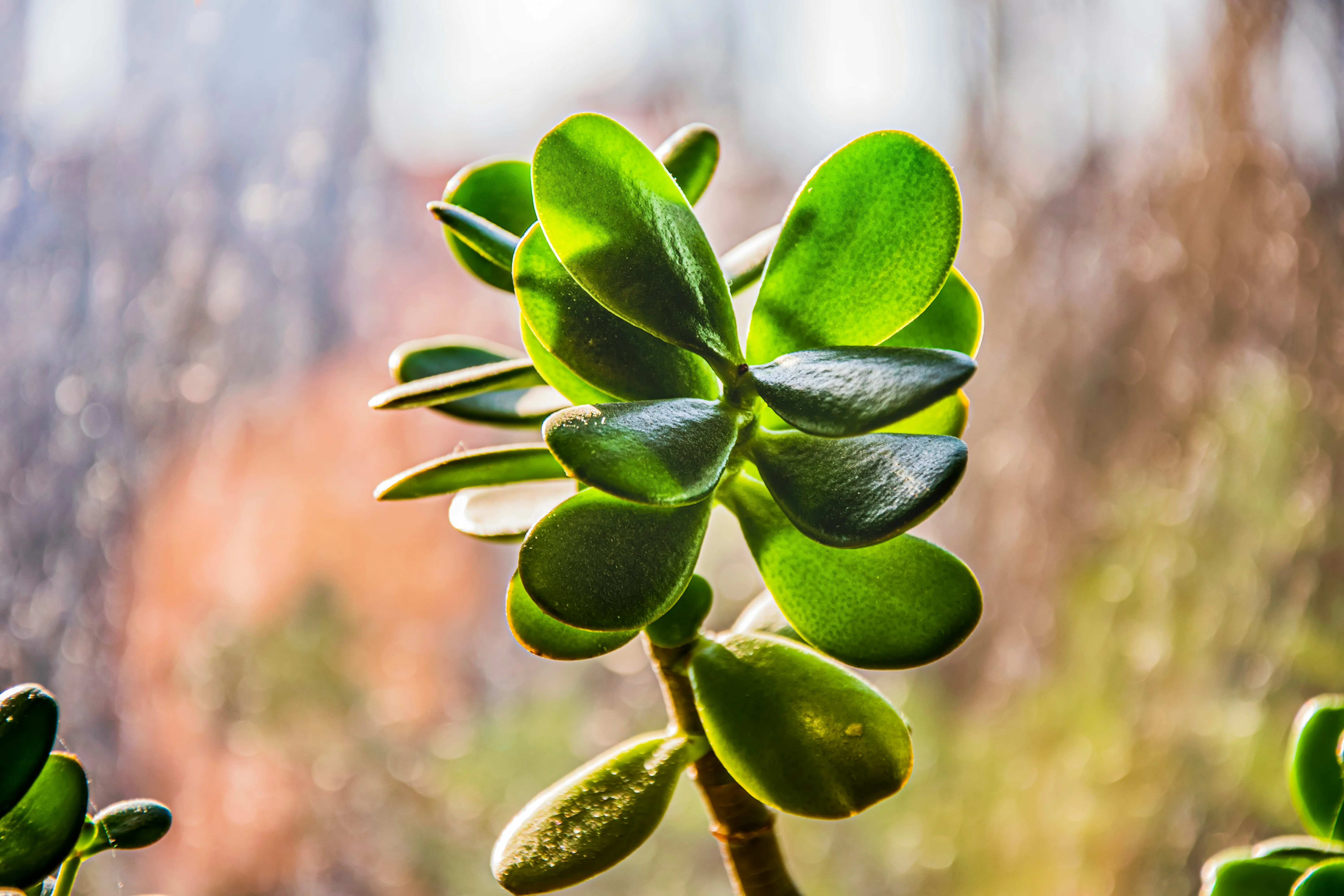
The String of Buttons is a bizarre, architectural succulent. Its thick, triangular leaves grow tightly stacked on top of each other like buttons on a string. It requires blazing direct sun to prevent stretching.
-
Difficulty
easy
-
Light
Requires massive amounts of direct sunlight. Without direct sun, the plant will stretch out rapidly, leaving huge, ugly gaps between the leaves. Direct sun also brings out the beautiful red borders.
-
Temperature
65°F - 85°F (18°C - 29°C)
-
Growth
moderate
-
Humidity
30% - 50%
-
pH range
6.0 - 7.0
-
Biggest Owner Mistake
Watering when soil is still slightly moist because the stacked leaves look plump—but this succulent stores water internally and only signals genuine thirst when lower leaves feel soft and slightly wrinkled. Watering before that point leads to root rot.
-
What Nobody Tells You
The leaves naturally tighten around the stem and develop pink blush edges when given bright light and temperature fluctuations—this 'stress coloring' is healthy and beautiful. Pale, stretched growth with wide spacing between leaves is the opposite signal: it's reaching for more light.
-
Real Home Conditions
In dim winter months indoors it goes into a near-complete rest and needs almost no water at all. Maintaining the same watering frequency as summer during this period is the most reliable way to kill it.
Quick Answer
Crassula perforata, or String of Buttons, needs bright light with some direct sun for compact stacked growth, and water only after soil fully dries. Use a fast-draining succulent mix to prevent stem rot, and prune leggy growth to maintain an attractive shape. This South African native produces small star-shaped flowers when grown in optimal conditions.
Key Takeaways
- Provide bright light, including some direct sun, for compact growth.
- Water only after the soil has fully dried out between waterings.
- Use a fast-draining succulent mix to help prevent stem rot.
- Prune to maintain shape, since this trailing succulent grows leggy in low light.
Overview
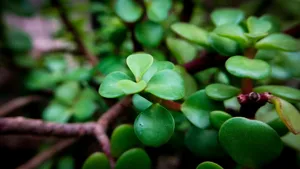
The String of Buttons (Crassula perforata) is a wildly unique, architectural succulent native to the rocky slopes of South Africa. It is famous for its bizarre growth habit: it produces thick, fleshy, triangular leaves that grow tightly stacked in pairs directly on top of each other. Because the stem runs directly through the center of the paired leaves, it looks exactly like a string of green buttons threaded onto a wire.
When exposed to direct sunlight, the edges of the leaves blush a beautiful, vibrant pink or red. It is non-toxic to pets to pets, making it a highly sought-after plant for sunny windowsills. However, like all desert succulents, it requires strict watering discipline and massive amounts of light. If you treat it like a low-light houseplant, it will ruin its perfectly stacked appearance within weeks.
The Stretching Problem (Etiolation)
The entire appeal of the String of Buttons is its tightly stacked, compact appearance. If the plant does not receive enough direct sunlight, it will undergo a process called etiolation. The plant will panic, assuming it is trapped in the shade, and will rapidly stretch its stem upward to find the sun.
This stretching leaves massive, ugly, bare gaps between the leaves. Once a succulent stretches, it will never shrink back down. To fix an etiolated plant, you must use sterile scissors to cut the stretched top off entirely. Move the base of the plant to a south-facing window with direct sun, and it will push out tight, compact new growth. (You can also plant the cut top into dry soil to grow a second plant!)
Light Requirements: Sun Stressing
To keep the leaves tightly stacked, the String of Buttons must be placed in the brightest window you have. A south or west-facing window is mandatory. It thrives when receiving several hours of blazing, direct sunlight every day.
Furthermore, direct sunlight is required to maintain the beautiful red or pink borders on the leaves. This coloration is an active defense mechanism called "sun stressing" (the plant produces anthocyanins to act as a natural sunscreen). If the plant is kept in a dim room, it will completely lose the red borders and turn solid pale green.
Watering: The Squish Test
The stacked, fleshy leaves are essentially massive water storage tanks designed to survive months of drought in the African desert. Overwatering is the fastest way to kill this plant.
You must allow the potting soil to dry out 100% completely—all the way to the bottom of the pot—before watering. Never water on a schedule. Instead, gently squeeze the lowest, oldest leaves. If they feel rock-hard, the plant has plenty of water. If they feel slightly soft, pliable, or look wrinkled, it is time to water. When you do, soak the pot thoroughly until water flows out the drainage holes, then leave it completely alone until the soil is bone dry again.
Soil and Potting
Standard indoor potting soil will hold water like a sponge, suffocating the roots and causing the plant to turn yellow, mushy, and rot. You must use an extremely fast-draining cactus and succulent mix. Combine cactus soil with at least 50% perlite, pumice, or coarse sand to ensure that excess water drains away instantly. Always plant it in a pot with a drainage hole.
Toxicity
The String of Buttons is completely non-toxic and pet-safe. It is an excellent, worry-free addition to homes with curious cats or dogs, though its crunchy texture might invite unwanted nibbles.
Calculator
Interactive Calculators for Crassula Perforata
Recommended next actions
Next Best Actions
Use calculators and guides to turn this plant profile into a practical care routine.
Topic Guide
Watering
Learn everything about watering for your indoor and aquarium plants. Expert care tips, troubleshooting, and related guides.
Guide
Leggy Houseplants: Causes of Etiolation & How to Fix Them
With over 13 years of plant growth diagnostics and more than 2,100 etiolation and light-deficiency cases assessed across species from compact succulents to large-leafed tropicals, we've developed a precise protocol for diagnosing the cause of leggy growth, correcting it without shocking the plant, and preventing recurrence through light and pruning management.
Topic Guide
Root Rot
Learn how to identify and treat root rot in houseplants. Discover causes, symptoms, and step-by-step solutions to save your plants from overwatering.
Structured Plant Data
Plant Data Profile
The following data is extracted directly from our botanical knowledge graph for accuracy and transparency.
Growth Characteristics
Growth Rate
moderate
Mature Height
1-2 feet
Mature Spread
1 foot wide
Life Cycle
Perennial
Flowering Season
Spring (produces tiny, star-shaped yellow flowers on a long stalk)
Container Friendly
yes
Indoor Capable
yes
Environmental Parameters
| Parameter | Recommended | Survivable |
|---|---|---|
| Temperature | 65°F - 85°F (18°C - 29°C) | 50°F - 95°F (10°C - 35°C) |
| Humidity | 30% - 50% | 10% - 60% |
| Soil PH | 6.0 - 7.0 | 5.5 - 7.5 |
Lighting
Description
Requires massive amounts of direct sunlight. Without direct sun, the plant will stretch out rapidly, leaving huge, ugly gaps between the leaves. Direct sun also brings out the beautiful red borders.
Nutrients
Nitrogen Demand
low
Phosphate Demand
low
Potassium Demand
low
Micronutrient Notes
Very light feeder. Over-fertilizing will cause weak, rapid growth that ruins the tightly stacked appearance.
Fertilizer Frequency
Once in spring with a cactus fertilizer diluted to half strength.
Organic Options
A pinch of worm castings in spring.
Relationships
-
Root Rot
Vulnerability | Strength 10
Will rot and die almost immediately if planted in heavy potting soil or watered too frequently.
Crassula Variety Comparison
| Variety | Appearance | Light Need |
|---|---|---|
| String of Buttons | Tightly stacked triangles | Direct Sun |
| Jade Plant (Ovata) | Thick, tree-like, oval leaves | Bright Indirect / Direct |
| Gollum Jade | Tubular leaves with suction cups | Bright Indirect / Direct |
Troubleshooting & Diagnostics Guide
1 Why is my String of Buttons stretching out with large gaps between the leaves?
Diagnosis: Etiolation – insufficient light
Treatment: Move to a south-facing window or supplement with grow light; prune stretched stems to encourage compact growth.
Prevention: Provide bright, direct sunlight for at least 4-6 hours daily.
2 Why are the red edges on my plant turning green?
Diagnosis: Lack of sun stress – insufficient light to trigger red pigmentation
Treatment: Provide more direct sunlight; the red edges will reappear on new growth.
Prevention: Position in bright, direct sun.
3 Why are the bottom leaves drying up and falling off?
Diagnosis: Normal reabsorption of old leaves, or overwatering if leaves are mushy
Treatment: If leaves are dry and papery, it's normal; if yellow and mushy, reduce watering and check for root rot.
Prevention: Water only when soil is completely dry; use well-draining soil.
Authoritative Resources
For additional peer-reviewed information on plant diseases, toxicity, and care, consult these trusted botanical and agricultural extensions:
Glossary of Terms
- Etiolation
- The stretching of stems toward a light source when a plant is kept in conditions that are too dark. This ruins the compact look of the String of Buttons.
- Sun Stressing
- A phenomenon where succulents produce red or purple pigments (anthocyanins) to protect themselves from intense sunlight. This gives the String of Buttons its red borders.
Frequently Asked Questions
Why is my String of Buttons stretching out with large gaps between the leaves?
Why are the red edges on my plant turning green?
Why are the bottom leaves drying up and falling off?
How often should I water my String of Buttons?
Is the String of Buttons toxic to cats?
Sources & References
-
Source: powo.science.kew.org
-
Source: edis.ifas.ufl.edu
Explore More