Spring Repotting Guide: How to Repot Houseplants Without Transplant Shock
After managing a commercial nursery and successfully repotting over 5,000 tropical houseplants across 10 spring seasons, we have perfected the exact process to avoid transplant shock and guarantee explosive spring growth.
Quick Answer
Repot houseplants in early spring as daylight increases and active metabolic growth begins. Select a container only 1 to 2 inches larger in diameter, gently untangle circling root bounds, and pot into fresh, well-aerated substrate. Water thoroughly after repotting and hold fertilizer for 3 to 4 weeks.
Check If Your Plant Needs Repotting
Enter your details below to generate a custom recommendation.
Recommended Output
Repotting Verdict
Next Pot Size
Best Timing
Repotting Advice
Key Takeaways
- Repot during early spring as plants enter active metabolic growth.
- Select pots only 1 to 2 inches wider than the existing root ball.
- Gently tease out tightly bound roots before potting in fresh substrate.
- Water thoroughly after repotting to settle substrate and eliminate air pockets.
Why Spring is the Best Time for Repotting
If you are wondering how to repot houseplants in spring, you have picked the absolute best season for plant care. As days lengthen and temperatures rise, most indoor plants exit winter dormancy and enter their active growth phase. This seasonal shift gives your plants the vital energy needed to recover from transplant shock and rapidly push new root growth into fresh potting mix. Attempting this in late autumn or winter often results in root rot, as the plant lacks the vigor to utilize the extra moisture in a larger pot.
Clear Signs Your Plant Needs a New Home
Not every plant needs annual repotting. Look for these undeniable indicators that your plant is severely rootbound:
- Escaping Roots: Thick roots are actively poking out of the bottom drainage holes or spiraling across the topsoil.
- Watering Issues: Water runs straight through the pot without soaking in, or the soil dries out completely within a day of watering.
- Top-Heavy Growth: The foliage has outgrown its base, causing the pot to tip over easily.
- Stunted Growth: It has been over two years since the last soil refresh, and new leaves are emerging unusually small or yellowing.
Step-by-Step Repotting Guide
When upgrading your plant's home, the golden rule is proper sizing. Always choose a new planter that is only 1 to 2 inches larger in diameter than the current one.
- Water the plant lightly 24 hours before repotting to ensure the rootball slides out easily and is fully hydrated.
- Gently squeeze the sides of the old plastic nursery pot and slide the plant out without pulling forcefully on the stems.
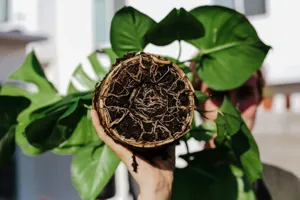
- Tease the outer layer of the rootball to untangle any tightly circling roots, which encourages them to grow outward.
- Place a layer of fresh potting mix at the bottom of the new pot, position the plant so it sits at its original depth, and fill the sides with fresh soil.
- Water thoroughly until water runs out the bottom drainage holes to settle the soil and eliminate air pockets.
Essential Care Requirements After Repotting
Temperature
Maintain a stable, warm environment between 65–80°F (18–26°C). Newly repotted plants are highly sensitive to cold drafts, which will stall root development.
Humidity
Boost ambient humidity to 60-70% for the first two weeks. A humid environment reduces the transpiration demand on the newly disturbed roots, preventing severe wilting.
Light
Keep the plant in bright, indirect light but absolutely shield it from direct sun rays for at least a week. Direct sun will cause massive water loss that the recovering roots cannot replace.
Watering
After the initial thorough watering, wait until the top 2 inches of soil are dry before watering again. The new, larger volume of soil will take longer to dry out than the old pot did.
Soil
Always use a premium, well-draining mix appropriate for the plant type. For tropicals, mix 60% potting soil with 20% coarse perlite and 20% orchid bark to guarantee aeration.
Fertilizing After Repotting
Do not fertilize your plant immediately after repotting. Fresh potting soil already contains essential nutrients, and the damaged root hairs are highly susceptible to fertilizer burn. Wait at least 6 weeks before resuming your regular 10-10-10 liquid fertilizer schedule.
Propagation During Repotting
Spring repotting is the ideal time to propagate plants that grow via rhizomes or clumping (like Snake Plants, ZZ Plants, or Calatheas) through division. Simply slice the rootball vertically with a sterile knife, ensuring each half has healthy roots and foliage, and pot them up separately.
Toxicity Warning
When repotting toxic plants like Dieffenbachia or Philodendron, wear gloves. The sap released from broken roots and stems contains calcium oxalate crystals that can cause severe skin irritation.
Common Problems & Solutions
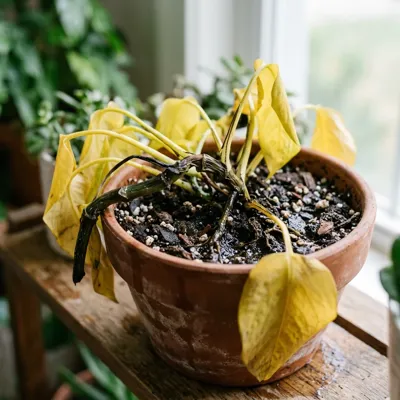
- Severe wilting immediately after repotting indicates transplant shock. Increase humidity, move the plant to a shadier spot, and do not panic-water if the soil is already moist.
- Soil staying wet for over two weeks means the new pot is excessively large, holding too much water for the root system to absorb. Downsize the pot immediately.
- Bottom leaves yellowing rapidly can be a sign of root damage during the teasing process. Ensure you are not overwatering and let the plant recover naturally.
- Fungus gnats appearing after repotting usually means the fresh soil was kept too damp. Let the topsoil dry out completely between waterings.
Recommended next actions
Next Best Actions
Move from reading to action with related calculators, plant profiles, and quiz-based recommendations.
Calculator
Repotting Calculator: Does Your Plant Need a Bigger Pot?
Find out if your plant needs repotting now and get the correct new pot size based on species, current pot size, and root health indicators.
Calculator
Potting Mix Calculator: Build the Perfect Soil Blend
Calculate the ideal potting mix ratios for any plant type — from moisture-loving tropicals to drought-tolerant succulents.
Guide
Why Root Rot Happens and How to Save Your Plant
After rescuing thousands of rotting houseplants from big-box stores over a 12-year nursery career, we have developed a foolproof method to diagnose, treat, and completely prevent deadly root rot.
Calculator
Grow Bag Size Calculator: Find the Right Bag for Every Plant
Find the perfect grow bag size for your plant based on root depth, plant type, and expected mature size.
Frequently Asked Questions
What happens if I put my plant in a pot that is too large?
Is it okay to repot a plant while it is flowering?
When learning how to repot houseplants in spring, do I have to break up the root ball?
Should I fertilize immediately after repotting my indoor plants?
What is the best soil for repotting tropical houseplants?
Should I water my plant immediately after repotting it?
How do I know if my plant is suffering from transplant shock?
How do I calculate exactly how much soil I need for the new pot?
Explore More