Fish Emulsion
A fast-acting, organic liquid fertilizer rich in nitrogen and beneficial microbes.
Quick Answer
Fish emulsion is an organic liquid fertilizer (typically 5-1-1) made from whole fish or fish byproducts. It is highly valued for providing a fast, gentle nitrogen boost while stimulating beneficial soil microbes. Our experience shows that providing a stable environment helps the plant establish a strong root system faster.
The Problem
Synthetic fertilizers can kill beneficial soil life and easily burn young seedlings. Fish emulsion solves this by feeding the soil food web naturally while providing an exceptionally safe source of nitrogen.
When to Use This Tool
Use on heavy-feeding outdoor vegetables (like tomatoes and peppers) during their early vegetative growth, or to rescue pale, nitrogen-deficient plants.
Who is this for?
- Organic vegetable gardeners
- Growers seeking to improve soil microbiology
Application Reference
| Context | Guideline |
|---|---|
| pots | 1 tablespoon per gallon of water |
| garden | 2 tablespoons per gallon of water |
Recommended next actions
Next Best Actions
Use fertilizer guidance with calculators, plant profiles, and related care articles.
Guide
Kitchen Scrap Fertilizers: Which Ones Actually Work
After testing dozens of DIY natural fertilizers on over 300 houseplants for the past 6 years, we have identified the exact kitchen scraps that actually boost growth without attracting pests.
Calculator
Plant Fertilizer Calculator: Right Dose for Every Plant
Calculate the exact fertilizer dose and feeding schedule for your plant based on species, pot size, growth stage, and season.
Fertilizer Guide
Organic Compost Guide: Improve Soil & Boost Plant Growth
The cornerstone of organic gardening. Compost enriches soil, promoting a healthy ecosystem of beneficial microbes.
Fertilizer Guide
Fertilizer Burn on Houseplants: Symptoms & Fast Fixes
How to identify, treat, and prevent fertilizer burn in houseplants and garden plants.
What is Fish Emulsion?
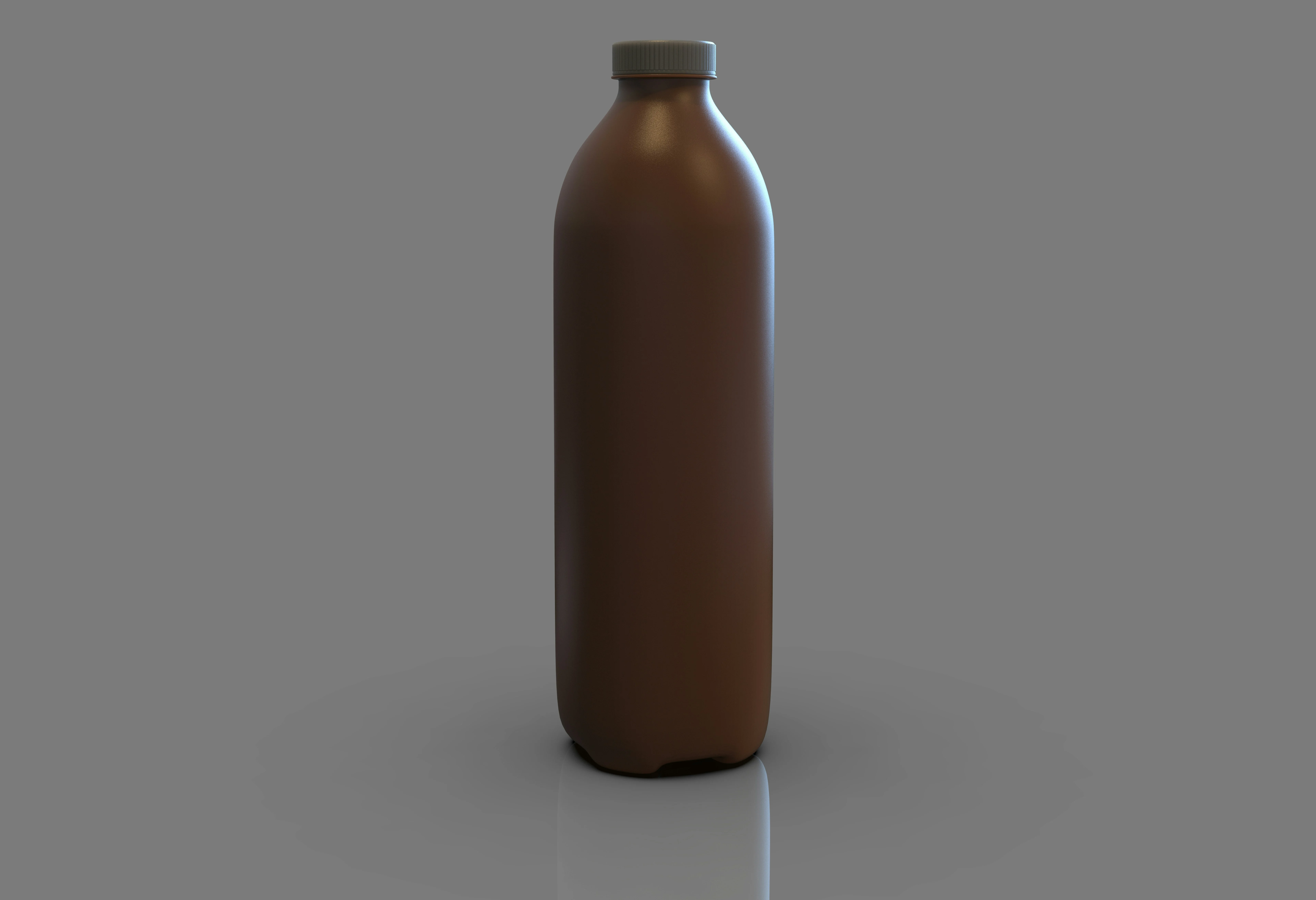
Fish emulsion is a thick, organic liquid fertilizer created from the byproducts of the fishing industry (often menhaden fish). With a typical NPK ratio of 5-1-1, it is prized by organic gardeners for delivering a rapid yet incredibly gentle dose of nitrogen, along with a rich slurry of proteins, amino acids, and micronutrients.
Feeding the Soil Web
Unlike synthetic liquid fertilizers that bypass the soil ecosystem and force-feed the plant directly, fish emulsion acts as food for the microscopic life in your soil. When you apply fish emulsion, beneficial bacteria and fungi break down the organic proteins into bio-available nitrogen. This process naturally buffers the pH and drastically improves the long-term health of your potting mix or garden bed.
How to Apply Fish Emulsion
Fish emulsion is highly concentrated and must be diluted before use. You can use the Plant Fertilizer Calculator to determine the correct feeding schedule and dose for your specific houseplants.
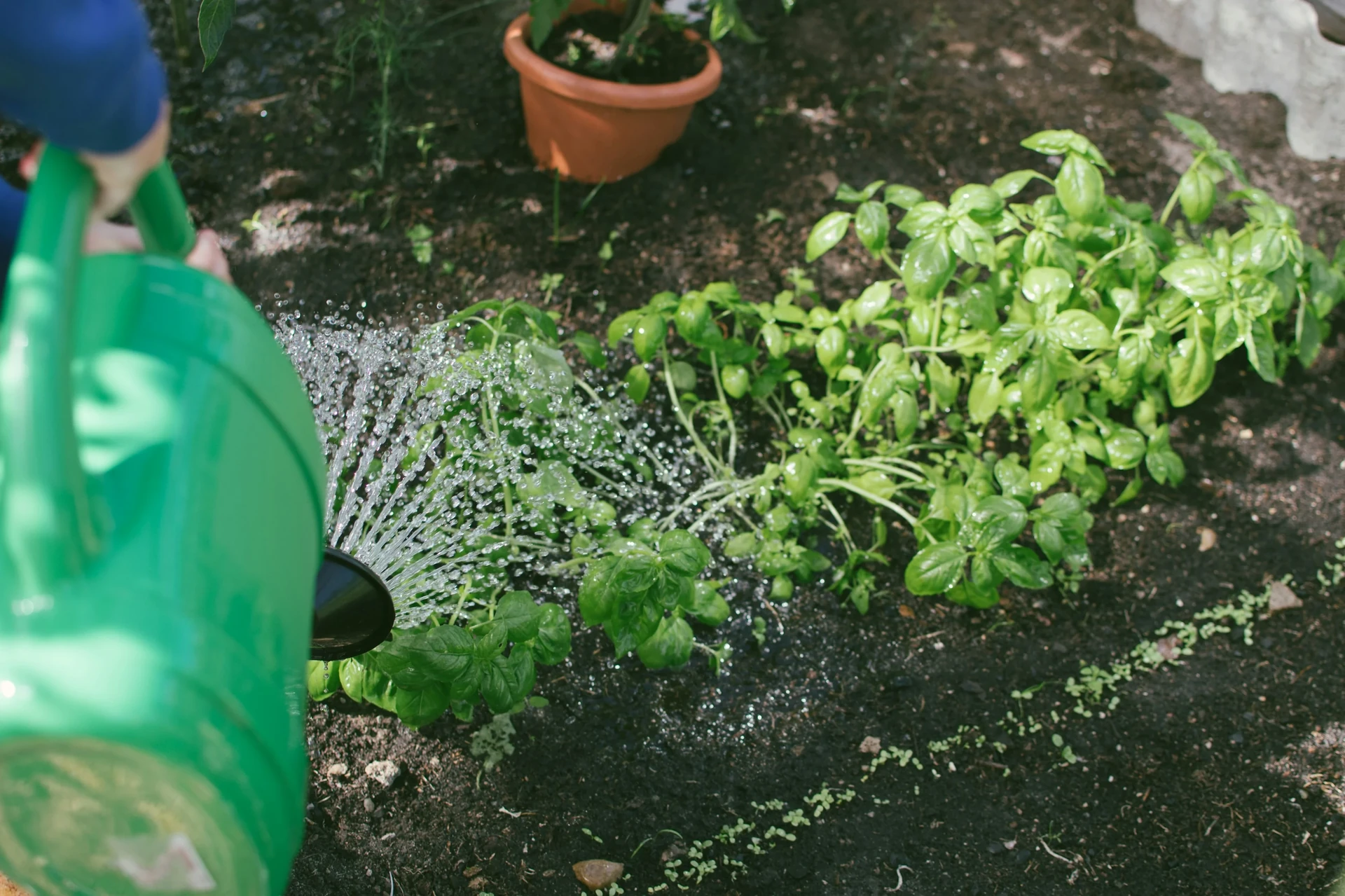
- Garden Beds & Vegetables: Mix 2 tablespoons of fish emulsion per gallon of water. Use a watering can to drench the soil around the base of heavy-feeding plants like tomatoes, corn, and leafy greens.
- Foliar Feeding: Because the nutrients are partially broken down, plants can absorb them directly through their leaves. Mix 1 tablespoon per gallon and spray the foliage on a cool, overcast day.
Safety and Odor Warnings
The biggest drawback to traditional fish emulsion is its pungent odor, which smells exactly like rotting fish. While the smell usually dissipates outdoors within two days, it is highly recommended to use deodorized fish emulsion if you plan to use it on indoor houseplants. Furthermore, if you live in an area with raccoons, skunks, or feral cats, avoid spraying it on the soil surface, as the scent may encourage animals to dig up your garden beds.
Fish Emulsion Application Guide
| Application Method | Dilution Rate | Frequency |
|---|---|---|
| Outdoor Vegetables | 2 Tbsp per gallon | Every 2-3 weeks |
| Indoor Houseplants | 1 Tbsp per gallon (Deodorized) | Once a month during spring |
Troubleshooting & Diagnostics Guide
1 Animals digging in the garden after application
Diagnosis: The strong scent of fish can attract raccoons, cats, or rodents.
Treatment: Water the emulsion deeply into the soil rather than leaving it on the surface, or switch to a deodorized formula.
Glossary of Terms
- Cold Processed
- A method of creating fish fertilizer (often called hydrolyzed fish) using enzymes rather than heat, which preserves more proteins and beneficial microbes.
Frequently Asked Questions
Can fish emulsion burn my plants?
How often should I apply fish emulsion?
Does fish emulsion smell bad?
Animals are digging up my garden after applying — what should I do?
Can I use this alongside other fertilizers?
Explore More