Best Fertilizer for Vegetable Gardens
Vegetables need targeted nutrition at the right growth stage. Learn how to choose fertilizer from crop needs, soil test results, NPK ratios, and growing conditions.
Quick Answer
There is no single best fertilizer for every vegetable garden. The right choice depends on the crop, soil test results, fertilizer analysis, growing medium, and growth stage. A complete fertilizer can supply multiple nutrients, while compost and other organic amendments mainly improve soil and provide nutrients gradually. Avoid choosing a fertilizer simply because its N-P-K numbers are higher; phosphorus and potassium should be added according to soil and crop needs.
Key Takeaways
- Choose fertilizer based on crop requirements and soil-test results rather than assuming one N-P-K ratio fits every vegetable.
- A complete fertilizer such as 10-10-10 can be useful when nitrogen, phosphorus, and potassium are all needed, but a different analysis may be more appropriate for a particular soil.
- Tomatoes and other fruiting vegetables do not automatically require high-phosphorus fertilizer; phosphorus should be supplied when soil and crop recommendations indicate a need.
- Compost is primarily a soil amendment and its nutrient composition varies, so do not treat it as a fixed 1-1-1 fertilizer.
- Container vegetables often need closer fertility monitoring because repeated irrigation can remove soluble nutrients from potting media.
- Avoid unnecessary fertilizer applications and diagnose water, pH, root, pest, and disease problems before assuming a nutrient deficiency.
Vegetable gardens need nutrients to produce healthy leaves, roots, flowers, and fruit, but more fertilizer is not always better. The appropriate fertilizer depends on the crop, soil test results, growing medium, fertilizer analysis, and growth stage. Leafy vegetables generally remove substantial nitrogen as they produce foliage, while fruiting and root crops also require adequate phosphorus and potassium. The goal is not to find the highest N-P-K numbers, but to supply nutrients that the crop and soil actually need.
Introduction
When starting a vegetable garden, it is tempting to choose a fertilizer simply because it promises rapid growth or has a high N-P-K analysis. A better approach is to begin with the soil. Extension nutrient-management guidance recommends using soil-test information to determine which nutrients are actually needed and then selecting a fertilizer whose analysis fits those requirements.
Nitrogen supports leafy growth and is required by every vegetable crop. Phosphorus is important for root development and plant reproduction, while potassium supports numerous physiological processes including water regulation and crop quality. However, adding more phosphorus or potassium than the soil requires does not automatically improve growth. Excess nutrients can accumulate and create environmental or nutrient-balance problems.
Why It Matters
Vegetables differ in nutrient demand and in how fertilizer should be supplied. Instead of treating crop categories as fixed fertilizer prescriptions, use them as a starting point and adjust the program using soil-test results and the fertilizer label.
- Higher-demand crops: Tomatoes, peppers, corn, cucumbers, squash, and cabbage can require substantial nutrient supply, particularly when producing large amounts of foliage or fruit. Compost, manure-based amendments, or fertilizer may be appropriate depending on the soil test.
- Moderate-demand crops: Carrots, beets, potatoes, radishes, and similar crops generally benefit from fertile soil but do not automatically require high-nitrogen feeding.
- Legumes: Beans and peas form associations with nitrogen-fixing Rhizobium bacteria. They can still require other nutrients, and nitrogen fertilizer should not be added automatically simply because the crop is growing poorly.
- Leafy vegetables: Lettuce, spinach, kale, and other leafy crops need adequate nitrogen for sustained foliage production, but the correct rate depends on soil fertility and the fertilizer source.
Matching the nutrient program to the crop and soil reduces unnecessary fertilizer use and the risk of nutrient losses.
Science Behind It
Commercial fertilizer labels use an N-P-K analysis. The three numbers represent the percentage by weight of nitrogen (N), phosphate expressed as P2O5, and potash expressed as K2O. For example, a 10-10-10 fertilizer contains 10% nitrogen, 10% phosphate equivalent, and 10% potash equivalent by weight.
Complete vs Balanced vs Starter Fertilizers
- Complete fertilizer: Contains nitrogen, phosphorus, and potassium. A product such as 10-10-10 is complete.
- Balanced fertilizer: Usually describes a fertilizer with similar or equal N-P-K numbers, such as 10-10-10 or 5-5-5. Balanced does not mean that this ratio is automatically appropriate for every soil or crop.
- Starter fertilizer: A fertilizer used around planting or transplanting to support early establishment. Starter formulations vary, and higher phosphorus is not universally required. Use the product according to the soil test, crop recommendations, and label.
Soil pH affects nutrient availability, so pH should be considered alongside N-P-K results. Many vegetables grow well in mildly acidic to neutral soil, but the appropriate target depends on the crop and local soil conditions. Test the soil before making substantial lime, sulfur, phosphorus, or potassium applications.
NPK vs DAP: Choosing Between Fertilizer Types
There is no universal rule that a complete N-P-K fertilizer is better than DAP or that DAP is better than an N-P-K blend. They supply different nutrient combinations and should be selected according to crop requirements and soil-test results.
DAP is commonly sold as 18-46-0 in the United States and therefore supplies nitrogen and phosphorus but no potassium. It can be useful where those nutrients are required, but using it on a soil that already contains adequate phosphorus can unnecessarily increase phosphorus levels. A complete fertilizer may be more convenient when nitrogen, phosphorus, and potassium are all required, while a nitrogen-focused product may be more appropriate when phosphorus and potassium are already sufficient.
Fertilizer products should always be applied according to their labels and the recommendations of the relevant soil-testing or extension service.
Step-by-Step Guide
1. Test your soil baseline
Start with a soil test from a university extension laboratory or another reputable soil-testing service. Look for pH, phosphorus, potassium, organic matter, and any nutrient recommendations supplied by the laboratory. Soil testing helps prevent unnecessary fertilizer applications and makes fertilizer selection more precise.
2. Select fertilizer by crop and soil need
Use the soil test and crop requirements together. Do not choose a fertilizer solely because its phosphorus or potassium number is high.
- Fruiting vegetables: Supply nitrogen according to crop demand while using soil-test results to determine whether additional phosphorus or potassium is necessary. Tomatoes and peppers do not automatically require high-phosphorus fertilizer.
- Leafy greens: Adequate nitrogen is important for leaf production. Use a nitrogen-containing fertilizer when the soil test and crop demand indicate a need.
- Root vegetables: Avoid excessive nitrogen, especially where lush tops are developing at the expense of the harvested root. Phosphorus and potassium should be supplied when soil tests indicate a need.
3. Apply pre-plant fertilizer and side-dress when appropriate
Incorporate fertilizer according to the product label and crop recommendations. Side-dressing can supply nutrients later in the season when crop demand increases. The exact timing and rate vary by crop, soil, fertilizer type, and climate, so avoid applying a fixed schedule to every vegetable.
4. Follow label directions and manage moisture
Do not apply concentrated granular fertilizer directly against stems or roots unless the product specifically permits it. Avoid fertilizing drought-stressed plants, and water according to crop and soil needs. Excess fertilizer salts can damage roots, particularly in containers.
5. Use foliar feeding only for appropriate situations
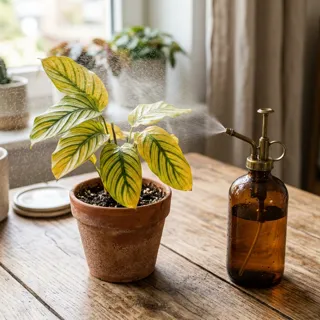
Foliar fertilizers can supply small amounts of certain nutrients quickly, but they should not automatically replace a soil-based fertility program. Before spraying a suspected deficiency, verify that the symptom is actually nutritional because drought, root damage, pests, disease, and pH problems can produce similar symptoms. Follow the product label for concentration and application conditions.
Climate and Soil Considerations
Fertilizer behavior depends on soil texture, rainfall, irrigation, temperature, organic matter, and growing conditions.
- Sandy soils: Some nutrients, particularly nitrate nitrogen, can be more prone to leaching. Smaller, appropriately timed applications may reduce losses.
- Clay and high-organic-matter soils: Nutrient retention can be greater, but fertilizer requirements still depend on the soil test.
- Wet conditions: Heavy rainfall can move soluble nutrients beyond the root zone, particularly nitrate nitrogen. Avoid automatically replacing nutrients without assessing crop and soil conditions.
- Hot or dry conditions: Water stress can mimic nutrient deficiency and can make concentrated fertilizer applications more damaging. Correct irrigation problems before increasing fertilizer.
Climate zones alone are not sufficient to determine a fertilizer schedule. Local soil tests, crop recommendations, rainfall, irrigation, and the fertilizer product should guide timing.
Fertilizing Vegetables During Heavy Rain
Heavy rainfall can increase nutrient losses, especially for soluble nitrogen. Do not respond by automatically applying more fertilizer after every rain event. Check crop condition, soil moisture, recent fertilizer applications, and local recommendations first.
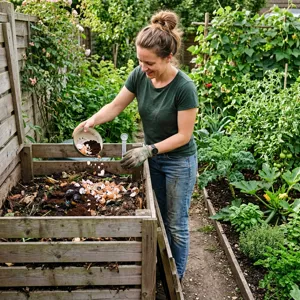
Organic amendments such as compost can improve soil structure and contribute nutrients gradually, but their nutrient composition varies. Compost should not be treated as a fixed N-P-K product. Extension guidance recommends considering compost analysis and soil-test results when substantial quantities are applied.
Fertilizing Vegetables in Containers and Grow Bags
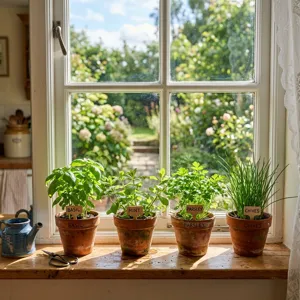
Containers and fabric grow bags have a smaller root volume than garden beds, and nutrients can leave the growing medium with repeated irrigation. Fertility therefore needs closer monitoring, but there is no universal container feeding interval that fits every crop, potting mix, fertilizer, and irrigation system.
- Base mix: Use a quality potting medium appropriate for containers. Compost or vermicompost can be included when appropriate, but do not assume that a fixed percentage provides the correct fertility for every crop.
- Maintenance feeding: Use a fertilizer formulated for container plants and follow its label. Slow-release products and water-soluble products have different application intervals.
- Liquid supplementation: Liquid fertilizer can be useful when rapid nutrient availability is needed, but concentration and frequency should follow the product label and crop requirements.
- Salt flushing: If fertilizer salts accumulate in a container, occasional salt flushing with plain water that produces substantial drainage can help move soluble salts below the root zone. Do not treat monthly salt flushing as a universal requirement; frequency depends on fertilizer use, irrigation water, potting medium, and visible or measured salt accumulation.
Seasonal Advice
- Spring / Pre-Plant: Test soil and add compost, lime, or N-P-K fertilizer only where appropriate.
- Early Season: Monitor growth and soil moisture. Apply starter or early-season fertilizer according to crop recommendations and product directions.
- Mid-Season: Side-dress crops when the crop's nutrient demand and soil conditions justify additional fertilizer.
- Late Season: Avoid unnecessary nitrogen applications that encourage late vegetative growth. Continue fertility management according to crop maturity and local recommendations.
- Post-Harvest: Compost and cover crops can contribute to soil organic matter and nutrient cycling, but nutrient applications should still be based on soil and crop needs.
Common Mistakes
- Choosing a fertilizer because its N-P-K numbers are high rather than because they match the soil and crop.
- Adding phosphorus automatically to tomatoes or other fruiting crops when the soil already contains sufficient phosphorus.
- Using lawn fertilizer on vegetables without checking the label. Products containing herbicides are particularly unsuitable for vegetable beds.
- Applying fertilizer to drought-stressed plants or placing concentrated fertilizer directly against roots or stems.
- Assuming compost has a fixed N-P-K analysis. Compost nutrient content varies substantially with feedstocks and production methods.
- Using fertilizer to correct symptoms without first ruling out irrigation, drainage, pH, pests, disease, or root problems.
Maintenance Schedule
- Before planting: Review the soil test and apply only the nutrients recommended for the crop.
- After transplanting: Use a starter fertilizer only when appropriate for the crop and soil.
- During active growth: Monitor crop growth and side-dress or fertigate when crop demand and the fertilizer label call for additional nutrients.
- Containers: Monitor nutrient availability more frequently because repeated irrigation can remove soluble nutrients from the growing medium.
- Post-harvest: Use compost, cover crops, or other soil-building practices according to the fertility plan.
Buying Guide
When selecting fertilizer, compare the nutrient analysis, nutrient source, release characteristics, application method, and product directions.
- Organic granular fertilizers: Products such as 4-4-4 or 5-5-5 can supply multiple nutrients and may release nutrients more gradually, depending on their ingredients and soil conditions.
- Liquid fertilizers: Fish-based and other liquid products can provide readily available nutrients. Their nutrient analysis varies by product, so use the actual label rather than assuming a standard N-P-K ratio.
- Synthetic granular fertilizers: Products such as 10-10-10 can provide predictable nutrient concentrations, but the correct product depends on soil and crop needs.
- Specialty amendments: Bone meal, blood meal, alfalfa meal, rock phosphate, kelp products, worm castings, and mineral amendments have different nutrient profiles and should be used for specific purposes rather than as universal fertilizers.
Organic Fertilizer Reference Guide
| Organic Input | Nutrient Analysis | Potential Use | Important Note |
|---|---|---|---|
| Vermicompost / Worm Castings | Varies by product | Organic matter, soil amendment, gradual nutrient contribution | Do not assume a fixed N-P-K analysis; test or use the product analysis when available. |
| Neem Cake | Varies by product | Organic nutrient source and soil amendment | Use the manufacturer's analysis and directions. |
| Bone Meal | Varies by product; generally phosphorus- and calcium-containing | Phosphorus source where soil testing indicates a need | Do not use it as a guaranteed treatment for blossom-end rot. |
| Blood Meal | Often nitrogen-rich; analysis varies | Nitrogen source | Use the label rate; excessive nitrogen can produce unwanted vegetative growth. |
| Alfalfa Meal | Varies by product | Organic nutrient source and soil amendment | Nutrient availability depends on product and decomposition conditions. |
| Azomite / Rock Dust | Mineral composition varies | Mineral amendment where appropriate | Do not treat trace-mineral products as a substitute for a soil test. |
| Rock Phosphate | Phosphorus-containing mineral amendment | Phosphorus source in suitable soils | Availability depends on soil conditions; use where phosphorus is actually needed. |
| Fish Emulsion | Varies by product | Readily available liquid nutrient source | Follow the product label for dilution and frequency. |
| Kelp / Seaweed Products | Varies by product | Supplemental nutrients and biostimulant-type uses | Not a complete replacement for a crop fertility program. |
| Epsom Salt | Magnesium sulfate | Magnesium or sulfur source where deficiency is confirmed | Do not use routinely without evidence of a magnesium or sulfur need. |
Decision Guide
| Crop Category | Example Crops | General Fertility Approach | What to Check |
|---|---|---|---|
| Fruiting Vegetables | Tomatoes, peppers, eggplant, squash, corn | Provide adequate nitrogen while matching phosphorus and potassium to soil-test requirements. | Soil test, crop recommendation, growth stage, fertilizer label |
| Leafy Greens | Lettuce, spinach, kale, Swiss chard | Maintain adequate nitrogen for leaf production without excessive application. | Nitrogen availability, crop growth, soil test |
| Root Crops | Carrots, beets, radishes, turnips | Avoid excessive nitrogen; supply other nutrients when soil tests indicate a need. | Soil fertility, root development, crop symptoms |
| Legumes | Beans, peas | Avoid unnecessary nitrogen because biological nitrogen fixation can contribute to crop N supply. | Soil test, inoculation/history, crop growth |
| Alliums | Onions, garlic, leeks | Use a crop-specific fertility program based on soil conditions and growth stage. | Nitrogen demand, soil test, bulb development |
Per-Vegetable Feeding Schedule
| Vegetable | At Sowing / Transplant | Vegetative Stage | Flowering / Fruiting Stage |
|---|---|---|---|
| Tomatoes | Use compost and fertilizer only according to soil and crop recommendations. | Provide adequate nitrogen without excessive applications. | Monitor plant growth and soil fertility; supply potassium or other nutrients when soil and crop recommendations indicate a need. |
| Peppers & Eggplants | Establish in fertile, well-prepared soil. | Monitor nitrogen supply and plant growth. | Adjust feeding according to crop demand, soil test, and product label. |
| Leafy Greens | Prepare fertile soil with appropriate organic matter and nutrients. | Maintain adequate nitrogen for foliage production. | Harvest according to crop maturity; avoid unnecessary late fertilization. |
| Cucumbers & Zucchini | Prepare fertile soil and follow crop-specific recommendations. | Monitor growth and nutrient availability. | Provide additional nutrients when crop demand and soil conditions justify it. |
| Carrots & Beets | Use well-prepared soil with appropriate fertility. | Avoid excessive nitrogen that promotes tops at the expense of roots. | Use additional fertilizer only when soil testing or crop recommendations indicate a need. |
Troubleshooting
| Symptom | Possible Cause | Recommended First Action |
|---|---|---|
| Older leaves turn yellow; stunted growth | Possible nitrogen deficiency, but also water or root problems | Check soil moisture, roots, pests, and soil fertility before adding nitrogen. |
| Purpling on leaves or stems | Possible phosphorus deficiency or environmental stress | Check soil temperature, pH, roots, and soil-test phosphorus before adding phosphate. |
| Yellow leaf margins with brown scorch marks | Possible potassium deficiency, salt stress, or other causes | Check soil test, irrigation, fertilizer history, and root-zone salinity. |
| Blossom-end rot on tomatoes or peppers | Calcium transport and inconsistent water availability are common factors | Maintain consistent soil moisture and avoid excessive nitrogen. Test soil before adding calcium amendments. |
| Yellowing between green leaf veins | Possible magnesium or iron deficiency, but pH and root problems can cause similar symptoms | Check soil pH and test the relevant nutrient before applying Epsom salt or iron products. |
Frequently Overlooked Facts
Fertilizer cannot correct poor soil structure, compaction, inadequate sunlight, poor drainage, or inconsistent irrigation. Nutrient deficiency symptoms can overlap with environmental stress, pests, and disease, so visual symptoms alone are not always enough to diagnose a deficiency.
Compost is primarily a soil amendment and its nutrient content varies according to source materials and production methods. It can contribute nutrients gradually, but it should not be treated as a fixed N-P-K fertilizer. Extension guidance recommends considering compost analysis and soil-test results when applying significant amounts.
Likewise, higher phosphorus is not automatically better for flowering or fruiting vegetables. Soil-test results should guide phosphorus applications, particularly where soil phosphorus is already adequate.
Summary
The best fertilizer for a vegetable garden is the one that supplies the nutrients the crop needs without unnecessarily adding nutrients that the soil already contains. Start with a soil test, identify the crop's nutrient demands, compare fertilizer analyses, and follow the product label. Compost and other organic amendments can improve soil and contribute nutrients, while granular or liquid fertilizers can supply specific nutrients when required. For tomatoes and other fruiting vegetables, avoid assuming that high phosphorus is necessary; manage nitrogen carefully and use soil-test information to determine phosphorus and potassium needs.
Recommended next actions
Next Best Actions
Move from reading to action with related calculators, plant profiles, and quiz-based recommendations.
Guide
How to Grow Vegetables Indoors Year-Round
Indoor vegetables need strong light, the right container, and a crop choice that fits your space. This guide shows how to keep harvests going through every season with practical tips from an experienced indoor grower.
Guide
Best Soil for Indoor Plants: Potting Mix Recipes & Guide
Learn how to build a well-aerated potting mix that balances moisture retention, drainage, and root-zone oxygen for different types of houseplants.
Frequently Asked Questions
What fertilizer is best for a vegetable garden?
Do tomatoes need a different fertilizer than lettuce?
Is 10-10-10 fertilizer good for vegetables?
Should I use compost or store-bought fertilizer?
How often should I feed my vegetable garden?
What does N-P-K mean for vegetables?
Is organic fertilizer better than synthetic for vegetables?
When should I stop fertilizing tomatoes?
Can I use lawn fertilizer on vegetables?
How do I know if my vegetables need fertilizer?
Which is better: NPK or DAP for vegetables?
What is the best fertilizer for vegetables in pots or grow bags?
Explore More