Mulch Calculator: Get the Exact Amount for Your Garden Bed
Know exactly how many bags or cubic yards of mulch to buy. Save money and time with precise calculations for any garden shape.
Quick Answer
For a standard garden bed, you need about 1 cubic yard of mulch for every 100 square feet at 3 inches deep (or 1 cubic metre for every 40 square metres at 7-8 cm deep). If your bed is heavily planted with shrubs or perennials, reduce that volume by roughly 30%. Always keep mulch 2-3 inches (5-7 cm) away from plant stems and tree trunks to prevent rot.
Enter your details
Enter your details below to generate a custom recommendation.
Recommended Output
Total Volume Required
Estimated Bags
Application Advice
Coverage Note
The Problem
Buying too much mulch wastes money, and buying too little means another trip to the garden center. Guessing volume is difficult.
When to Use This Tool
Use before heading to the garden center or ordering bulk delivery for your landscaping project.
Who is this for?
- Homeowners planning spring landscaping
- Gardeners preparing beds for winter
How to Calculate Mulch Volume and Bag Count
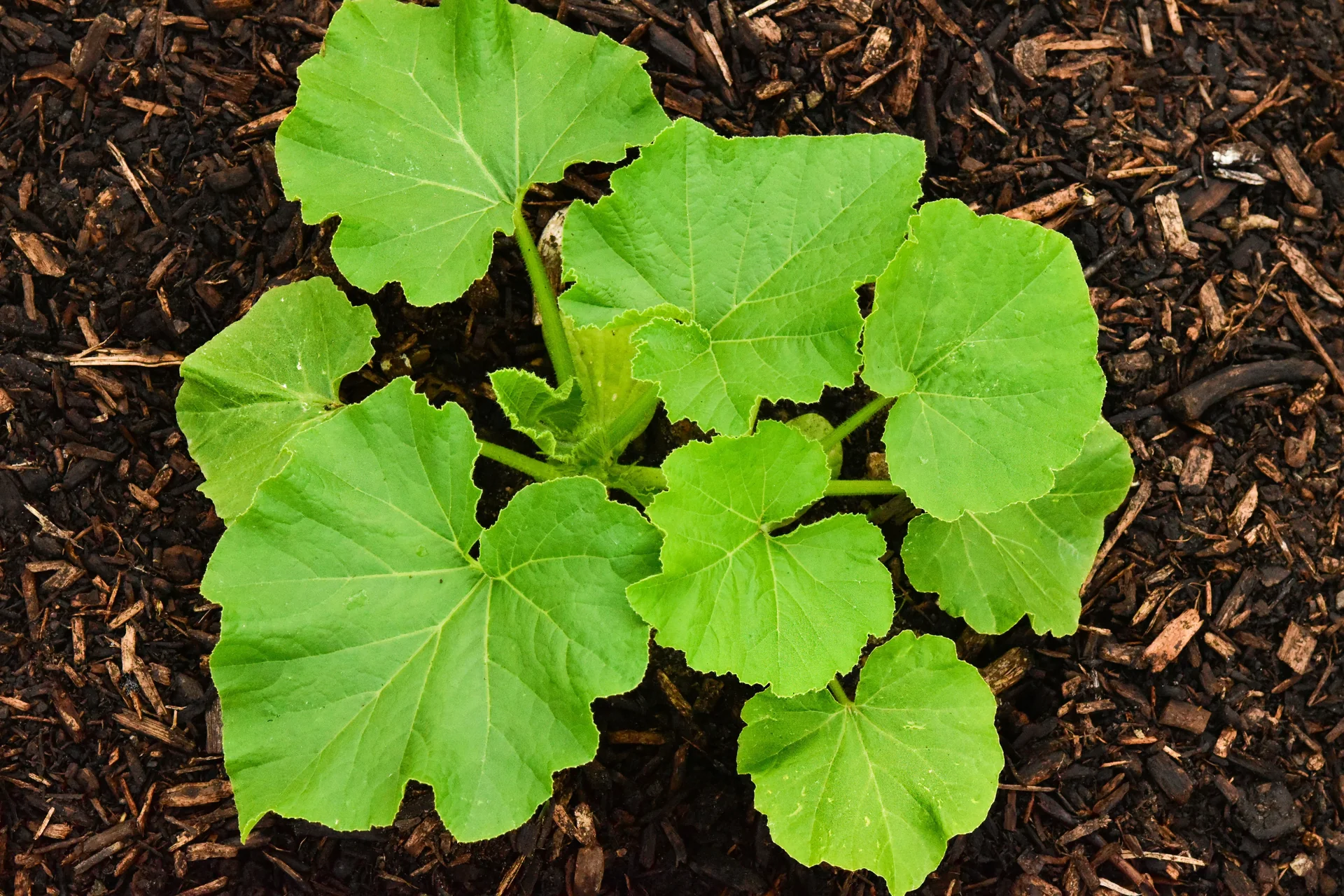
- Measure Landscape Area: Measure the length and width of each planting bed in feet to determine total square footage.
- Determine Layer Depth: Set your target depth (typically 2 to 3 inches for moisture retention and weed suppression; 4 inches for tree rings).
- Compute Bag and Bulk Quantities: Run the calculator to generate your total volume in cubic yards alongside the equivalent count of 2.0 or 3.0 cu ft bags.
- Distribute Around Plants: Spread the mulch evenly across the bed, keeping a 2-to-3-inch gap around plant stems and tree trunks to prevent collar rot.
About this calculator
Calculate precise mulch volumes to save money and time on your landscaping project – whether you're buying bags from a garden center or ordering bulk delivery.
Why Mulch is Essential (The Science)
Mulch does far more than make a garden look tidy. A proper 2-3 inch (5-8 cm) layer:
• Suppresses weeds by blocking light needed for germination – reducing weeding by up to 90%.
• Retains soil moisture by slowing evaporation, cutting summer watering needs by 25-50%.
• Moderates soil temperature – roots stay cooler in heatwaves and warmer during frosts.
• Enriches soil as organic mulches (wood chips, bark, compost) decompose, adding humus and feeding beneficial microbes.
Depth Matters: Too Little vs Too Much
- Less than 2 inches (5 cm) – weeds will push through, moisture loss remains high.
- 2-3 inches (5-8 cm) – the sweet spot for most flowers, shrubs, and vegetable beds.
- 3-4 inches (8-10 cm) – ideal for coarse bark nuggets or around trees (except near the trunk).
- More than 4 inches (10 cm) – risky: can suffocate roots, block oxygen, create habitat for voles, and cause water to run off rather than soak in.
Coverage Type Explained
If you're starting with a bare bed (no plants or very small seedlings), you need full coverage – the calculator gives the raw volume.
If your bed is already heavily planted with established perennials, shrubs, or groundcovers, up to 30% of the area is occupied by plants. Selecting "Heavily Planted Bed" automatically reduces the recommended volume by 30% to avoid waste.
Mulch Types & Volume Variations
Different mulches have different bulk densities. Our calculator assumes average loose-fill mulch. For heavier, wet materials (like fresh wood chips) you may need 10-15% less volume; for very lightweight materials (straw, pine straw) you may need slightly more. Always order a little extra – it's easier to return unused bags than to run short.
Recommended next actions
Next Best Actions
Use the result in a real care workflow with plant profiles, guides, and personalized quizzes.
Troubleshooting & Diagnostics Guide
1 Water runs off the top of the mulch instead of soaking in
Diagnosis: The mulch layer may be too thick or has become compacted and hydrophobic (especially bark fines or fine compost).
Treatment: Rake the mulch to break up the crust, and ensure it is no thicker than 3 inches (8 cm). If the issue persists, gently water with a fine spray or use a wetting agent.
2 Mushrooms or slime mold appear in the mulch
Diagnosis: Perfectly normal – fungi are breaking down the woody material. It's a sign of healthy soil biology.
Treatment: No action needed. If unsightly, rake the mulch to disturb the fruiting bodies. They will disappear when conditions dry out.
3 Plants look yellow or stunted after mulching
Diagnosis: Likely a 'mulch volcano' causing trunk rot, or the mulch is too deep and starving roots of oxygen. Some fresh wood chips can also temporarily tie up nitrogen.
Treatment: Pull mulch away from stems immediately. Reduce depth to 2-3 inches (5-8 cm). If nitrogen tie-up is suspected (yellowing leaves, especially on young plants), apply a fast-release nitrogen fertilizer like blood meal or fish emulsion.
4 Ants or pill bugs are thriving under the mulch
Diagnosis: Mulch provides shelter. Ants themselves are usually harmless, but they may farm aphids. Pill bugs (roly-polies) mainly eat decaying matter but can nibble tender seedlings.
Treatment: Keep mulch 2-3 inches away from plant crowns. For pill bugs in vegetable beds, reduce mulch depth to 1-2 inches (2.5-5 cm). For ants, check for aphids on nearby plants and treat accordingly.
Frequently Asked Questions
How deep should I apply mulch?
What does 'Around Plants' coverage mean?
Should mulch touch the stems of my plants?
How often should I replace or top up mulch?
Can I use grass clippings as mulch?
Does dark mulch really warm the soil faster?
Reader Feedback
Feedback from PlantSolve readers who have used this guide. (2 reviews)
Chloe M.
Vancouver, BC
Worked out my mulch quantity
Put in my bed area and the depth I wanted, and it told me exactly how many cubic yards and bags to pick up at the garden center.
Jake L.
Columbus, OH
Helped me plan a full mulch haul
Told me how many 2-cu-ft mulch bags I needed for a 3-inch layer around my landscape beds. I was able to get the right amount in one trip without leftover piles.