How Much Light Do Indoor Plants Actually Need? A Foot-Candle Guide for Every Room
After measuring light in 2,000+ western homes with a quantum sensor, I’ll give you the exact foot-candle ranges for 10 popular plants, plus how to fix dark corners and scorching windows.
Quick Answer
Most tropical houseplants need 100–500 foot-candles for 8–12 hours daily. High-light plants like Fiddle Leaf Fig require 400–800 fc, while Snake Plant and ZZ survive on 50–150 fc. Measure using a free phone lux meter app and supplement with an LED when readings fall below the plant’s minimum.
Key Takeaways
- Measure actual light levels at foliage height using a foot-candle or lux meter.
- Provide 200 to 500 foot-candles for the majority of tropical indoor plants.
- Recognize that unobstructed southern windows provide the highest natural intensity.
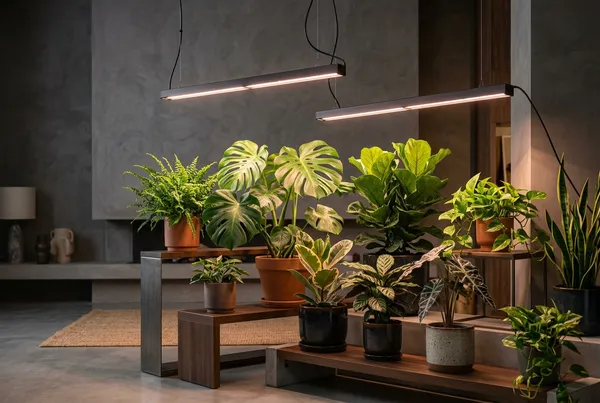
- Supplement dark rooms with full-spectrum LED fixtures run for 12 hours daily.
You moved your Monstera 6 feet from the south window because a blog said “bright indirect light,” but now it hasn’t put out a new leaf in 4 months. Your Fiddle Leaf Fig is dropping foliage near that same window, and you’re lost in a sea of vague terms. The gap between what a care tag implies and what your room actually delivers is often significant. By understanding how light drops off indoors and using a few simple measurement techniques, you can provide your plants with the conditions they actually need.
Understanding Light Measurements
What is a foot-candle and why does it matter?
A foot-candle (fc) is a measure of light intensity: one lumen per square foot. While botanists measure Photosynthetic Photon Flux Density (PPFD) to gauge the exact light available for photosynthesis, foot-candles offer a practical, accessible metric for home growers. You can estimate it using a smartphone app to convert lux to fc (divide lux by roughly 10.76). For example, 1,000 lux is about 93 foot-candles. This provides a helpful numeric orientation rather than relying entirely on subjective terms like “medium light.”
What’s the difference between direct sun, bright indirect, and low light?
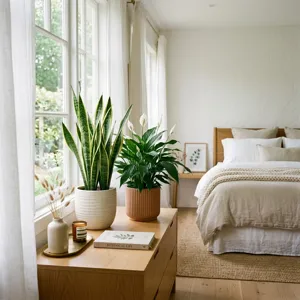
As a general orientation, direct sun through a bright, unobstructed window can reach several thousand foot-candles around midday, but the actual intensity varies with hemisphere, season, window orientation, shading, glass, weather, and distance from the window. This intense light will scorch unacclimated plants. Bright indirect light generally falls in the hundreds of foot-candles, often found near an unobstructed east or west window. Low light often measures below 100 fc, typical of a north window or deeper into a room. Rather than seeing these as hard thresholds, use them to understand the dramatic drop-off in light energy as you move just a few feet away from the glass.
Measuring Light in Your Home
How do I use my phone to measure light accurately?
Download a free lux meter app, hold your phone’s sensor at leaf height pointing toward the light source, and observe how the reading changes throughout the day. Phone-based lux meters are useful for comparing locations, but treat their readings as approximate rather than laboratory-grade measurements. Rather than trying to calculate a precise daily average, use the app to understand the relative differences in your space. The most counterintuitive fact about indoor lighting is that the human eye adapts so seamlessly to low light that a room feeling “bright” to you might actually offer very little usable light for a plant. When light drops, remember to adjust your watering frequency accordingly.
How does seasonal change affect indoor light?
As seasons change, daylight duration, sun angle, and the amount of usable light entering a room can change substantially. The size of that change depends on your latitude, hemisphere, window orientation, shading, and local weather. A window that provided vibrant, bright light in the summer may offer only a fraction of that energy months later. This drop-off is especially dramatic if you are bringing outdoor plants indoors for the winter. The transition from full outdoor sun to an indoor living room can shock a plant. Understanding this indoor light reality is the crucial next step after determining your winter transition timing.
Light Requirements for 10 Popular Houseplants
| Plant | General light preference | Practical indoor guidance | Winter / seasonal adjustment |
|---|---|---|---|
| Snake Plant | Low to bright indirect | Tolerates relatively dim locations but generally grows better with more light | Reassess placement if growth slows substantially |
| ZZ Plant | Low to bright indirect | Tolerates lower light, but prolonged very dim conditions can reduce growth | Keep in the brightest suitable location |
| Pothos | Moderate to bright indirect | Brighter conditions generally support stronger, more compact growth | Move closer to a bright window if growth declines |
| Monstera deliciosa | Bright indirect | Provide a bright location and acclimate gradually to direct sun | Reassess light as winter daylight declines |
| Fiddle Leaf Fig | Bright light | Usually benefits from one of the brightest indoor positions | Move toward the brightest suitable window or supplement light |
| Spider Plant | Moderate to bright indirect | Bright filtered light is generally suitable | Monitor growth and leaf color as daylight decreases |
| Peace Lily | Low to moderate indirect | Tolerates lower light but may grow and flower less in very dim conditions | Provide brighter indirect light where practical |
| Calathea | Moderate indirect | Protect from harsh direct sun and provide consistent conditions | Watch for reduced growth as seasonal light falls |
| Parlor Palm | Low to moderate indirect | Tolerates lower indoor light but benefits from adequate indirect light | Keep near a suitable bright location without harsh sun |
| Aloe Vera | Bright light | Needs substantially more light than typical low-light houseplants | Use the brightest suitable window or supplemental lighting |
Fixing Light Problems
My plant is getting leggy—is it a light issue?
Yes. Leggy growth, extended gaps between leaves, and unusually small foliage all indicate insufficient light. Moving the plant closer to the window or supplementing with an LED grow light can help. Keep in mind that distance matters greatly with artificial light; the energy drops off quickly the further the bulb is from the canopy. Once you improve the lighting, new growth should emerge more compactly, and you can prune off the stretched sections. Also, keep an eye out for pests, as low-light stress can make plants more susceptible.
What if my plant is getting bleached or scorched spots?
Direct sun hitting leaves that aren’t acclimated causes bleached, papery patches. If a plant shows signs of scorching, pull it back from the glass or filter the light with a sheer curtain. While plants like Aloe or Fiddle Leaf Figs can handle very bright light, they must be acclimated gradually to intense exposure rather than being moved suddenly from a dim corner directly into hot midday sun.
Fall & Winter Light Adjustment
If you are bringing outdoor plants indoors for the winter, the change from outdoor conditions to indoor light can be one of the biggest adjustments they face. Our guide to bringing outdoor plants indoors covers the broader transition, including timing and quarantine; this article focuses specifically on managing the resulting indoor light conditions. To help your plants adapt, move them toward your brightest windows. If natural light is insufficient, supplement with an appropriate grow light and choose the intensity and duration according to the plant's requirements. For further guidance on matching your setup to your plants' specific needs, use our Sunlight Calculator to navigate the darker months.
Recommended next actions
Next Best Actions
Move from reading to action with related calculators, plant profiles, and quiz-based recommendations.
Topic Guide
Watering
Learn everything about watering for your indoor and aquarium plants. Expert care tips, troubleshooting, and related guides.
Plant Guide
Fiddle Leaf Fig
Diagnose and treat fiddle leaf fig problems like brown spots, leaf drop and slow growth with the right light, watering and humidity levels.
Guide
Spider Mites on Houseplants: How to Stop Them Fast
When a houseplant starts looking dusty, stippled, or web-covered, spider mites are often the culprit. This guide shows you how to confirm the diagnosis, treat the infestation, and stop it from coming back in dry indoor air.
Frequently Asked Questions
What is a foot-candle and why does it matter?
What’s the difference between direct sun, bright indirect, and low light?
How do I use my phone to measure light accurately?
How does seasonal change affect indoor light?
My plant is getting leggy—is it a light issue?
What if my plant is getting bleached or scorched spots?
Explore More