Spider Mites on Houseplants: How to Identify, Treat, and Prevent Them
When a houseplant starts looking dusty, stippled, or web-covered, spider mites are often the culprit. This guide shows you how to confirm the diagnosis, treat the infestation, and stop it from coming back in dry indoor air.
Quick Answer
Spider mites on houseplants usually show up as tiny stippled dots, dust-like damage, and fine webbing on leaf undersides. Isolate the plant, rinse it well, and repeat treatment every few days until the infestation fully clears. Monitoring the plant regularly helps catch early signs of stress before they cause any lasting damage.
Key Takeaways
- Inspect leaf undersides for fine stippling, yellow speckling, and delicate webbing.
- Rinse foliage thoroughly under running water to dislodge active mite colonies.
- Apply insecticidal soap, neem oil, or miticide sprays systematically.
- Repeat applications every 3 to 5 days to eliminate emerging generations.
Problem Overview
Spider mites are one of the most common houseplant pests, and they often show up when indoor air is warm, dry, and stagnant. In homes, they can stay hidden until the damage is already visible: tiny pale dots on the leaves, a dull or dusty look, bronzing, webbing, and in serious cases leaf loss. That is why spider mites are often mistaken for drought stress, nutrient issues, or a fungal problem.
Common Symptoms
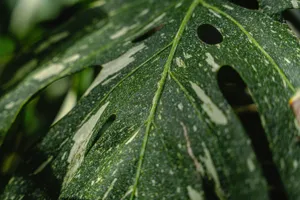
- Fine stippling or speckling on the upper leaf surface
- Leaves that look silvery, dusty, or faded
- Fine webbing between stems, petioles, or leaf undersides
- Yellowing, bronzing, curling, or premature leaf drop
- Slow, weak, or distorted new growth
Spider mites usually feed on the underside of leaves, so the top of the plant can look only slightly off while the lower leaf surface is heavily infested. In winter, this gets worse because heated rooms create the warm, dry conditions mites like most.
Root Causes
- Dry indoor air, especially during winter heating
- Plants that are already stressed by inconsistent watering
- Dusty leaves that are not being rinsed or cleaned
- Bringing home an infested new plant
- Moving a plant into a hot window or another high-stress spot
Moisture management matters because spider mites build faster when plants are under stress and the indoor environment is dry. Regular scouting also matters, because mites can spread before most owners notice them.
How to Diagnose Correctly
- Inspect the undersides of leaves and the joints where stems meet the plant.
- Hold a white sheet of paper or cardboard under the plant and tap the foliage. Moving specks on the paper are a strong clue.
- Look for stippling first, then webbing. Webbing is usually a later sign, not the first one.
- Compare the pattern with other issues. Sunburn usually makes larger bleached patches, while spider mites make many tiny dots and fine webbing.
If the plant looks dusty, clean one leaf and recheck it after a day or two. If the “dust” returns or seems to move, assume pests until proven otherwise.
Step-by-Step Solution
- Move the plant away from all other plants immediately.
- Rinse the foliage thoroughly, including the undersides of the leaves, with a strong stream of water or a shower.
- Wipe off visible webbing and pests with a damp cloth.
- Apply insecticidal soap or horticultural oil, following the label exactly and coating the undersides of the leaves. Repeat treatment 2 to 3 times at about 5-day intervals.
- Prune leaves that are heavily damaged and unlikely to recover.
- Check neighboring plants for the same symptoms and treat them early if needed.
For severe infestations, removing badly infested leaves or even discarding a plant may be the most realistic option, especially if the pest keeps returning.
What to Avoid
- Do not spray only the top of the leaves.
- Do not treat once and assume the problem is gone.
- Do not confuse spider mites with mildew, dust, or fertilizer issues.
- Do not move the plant back with the rest of your collection until you are sure it is clear.
Prevention Strategy
- Quarantine new plants before placing them near established ones.
- Inspect the underside of leaves every few days in dry indoor months.
- Rinse dusty leaves occasionally so pests do not get a head start.
- Keep watering steady so the plant is not stressed by drought swings.
- Use stable humidity in winter rather than letting the plant bounce between dry and damp conditions.
The most effective prevention is a routine: inspect, isolate new plants, clean leaves, and stay consistent with watering and moisture. That combination keeps small outbreaks from turning into full-room problems.
Common Mistakes
- Waiting until webbing is obvious before acting
- Spraying once and stopping too soon
- Missing the undersides of leaves and the inner nodes
- Assuming only one plant is affected
- Using the wrong diagnosis and treating for disease instead of pests
FAQ Based on Real Search Queries
Why do spider mites keep coming back on my houseplants?
They usually come back because the treatment missed the undersides of leaves, was not repeated, or the indoor environment stayed dry enough for new mites to hatch and spread.
Do spider mites spread to other plants?
Yes. That is why isolating the plant at the first sign of stippling or webbing is one of the most important steps.
Will neem oil get rid of spider mites?
Neem oil and other horticultural oils can help, but the key is full coverage and repeat applications. A single spray is rarely enough.
How can I tell spider mites from dust?
Dust does not leave stippling, and it does not show movement on a white-paper test. Spider mites do both.
Are spider mites worse in winter?
Often, yes. Heated homes are warm and dry, which creates ideal conditions for spider mites to multiply quickly.
Can a badly infested plant be saved?
Sometimes, yes. If you catch the infestation early and treat thoroughly, recovery is possible. If damage is severe and repeated treatments fail, removing the plant may be the safest choice for the rest of your collection.
Key Takeaways
Spider mites are a fast-moving houseplant pest, but the diagnosis is usually straightforward once you check the leaf undersides and use the white-paper test. Act early, isolate the plant, rinse and treat repeatedly, and make the indoor environment less dry so the infestation does not return.
Fertilizer Guidelines
During the active growing season (spring and summer), feed your plant every 4 weeks with a balanced liquid fertilizer diluted to half strength. Reduce feeding to once every 8 weeks during the winter dormancy period. Flush the soil every few months to prevent mineral salt buildup.
Propagation Steps
- Identify a healthy stem or section of the plant.
- Using sterilized shears, make a clean cut below a node.
- Place the cutting in water or a well-draining propagation mix.
- Keep in high humidity and bright indirect light until roots form (usually 3-4 weeks).
Repotting Guide
Repot every 12 to 18 months in the early spring before the active growing season begins. Only go up one pot size (1-2 inches larger in diameter). Always use fresh, well-draining soil to ensure the roots receive adequate oxygen and to prevent root rot.
Toxicity Warning
It is important to note that many common houseplants contain calcium oxalate crystals or other compounds that are toxic to cats, dogs, and humans if ingested. Always keep this plant out of reach of pets and children to avoid symptoms like mouth irritation or vomiting.
Temperature
Maintain temperatures between 65–80°F (18–27°C). Avoid placing the plant near cold drafts or AC vents.
Humidity
Aim for a humidity level of 50-70%. If your home is dry, especially in winter, consider running a humidifier nearby.
Light
Provide bright, indirect sunlight. Direct harsh rays will scorch the leaves, while too little light will stunt growth.
Watering
Water thoroughly when the top two inches of soil feel dry. Ensure excess water drains completely from the pot.
Soil
Use a chunky, well-draining potting mix containing peat, perlite, and orchid bark to allow roots to breathe.
Recommended next actions
Next Best Actions
Move from reading to action with related calculators, plant profiles, and quiz-based recommendations.
Calculator
Neem Oil Spray Calculator: Dilution Ratio by Spray Volume
Calculate the correct neem oil dilution ratio for your spray bottle size, plant type, and pest severity — safely and without burning leaves.
Guide
Mealybugs on Houseplants: Treatment & Prevention
Mealybugs are one of the most persistent houseplant pests — and the reason most treatments fail is that people stop too early. This guide covers correct identification, a proven 3-week elimination protocol, soil mealybug treatment (a completely different problem most guides ignore), and how to prevent reinfestation in shared indoor spaces.
Guide
Scale Insects on Houseplants: ID & Treatment
Scale insects are the most misidentified houseplant pest — most owners spend weeks treating the wrong thing because those flat brown bumps look like part of the plant. After working through infestations across Monstera, Ficus, Pothos, Orchid, and Citrus collections, here is the exact identification and treatment framework that actually works.
Calculator
Plant Humidity Calculator: Right Levels for Tropical Plants
Assess your home's current humidity and get specific improvement recommendations for tropical houseplants like Calatheas, Orchids, and Ferns.
Frequently Asked Questions
Why do spider mites keep coming back on my houseplants?
Do spider mites spread to other plants?
Will neem oil get rid of spider mites?
How can I tell spider mites from dust?
Are spider mites worse in winter?
Can a badly infested plant be saved?
Explore More