Topic Guide

Sunburn | Plant Care Topic Guide

By PlantSolve Editorial Team ·

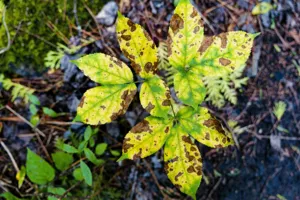
Just like humans, plants can get sunburned if moved abruptly from a low-light area into intense direct sunlight. Sunburn appears as bleached, white, or scorched patches on the leaves. Always acclimate plants slowly to higher light levels.

Sunburn - Plant Care Guide

From the Grower's Bench

Real-world experience

"I once moved a massive Ficus lyrata outdoors for the summer without acclimating it first. Within two days, the leaves turned white and crispy. Indoor plants develop shade-adapted leaves; they need a week of dappled shade before they can handle direct outdoor sun."

What Is Sunburn? Sunburn on plants occurs when the leaves absorb more light than they can process. When a plant is exposed to sudden, intense sunlight, the excess energy damages the cellular structure and breaks down the green chlorophyll. This results in bleached, white, or scorched patches on the leaves. Plants grown indoors or in shaded greenhouses adapt to low light by producing thinner leaves that are highly efficient at capturing what little light is available. When these shade-adapted leaves are abruptly moved into direct sun, they lack the protective cuticles and pigments needed to shield themselves from intense UV rays. Signs and Symptoms Upper Canopy Bleaching: The leaves directly facing the light turn white or pale yellow. This usually happens quickly, often within a single afternoon of intense exposure. Crispy Margins: The edges of the affected leaves become dry, brittle, and brown as the tissue loses moisture rapidly. Red or Purple Flushing: Some plants develop a red or purple tint on their leaves when exposed to high light. This is a protective pigment the plant produces acting like a natural sunscreen. Sunken Patches: Tan, papery spots may appear in the middle of the leaves where the tissue has completely dried out. Wilting: The entire plant may droop severely in the hot sun as it loses water faster than the roots can absorb it. Step-by-Step: How to Treat Sunburn Move the plant immediately to a shaded, stable indoor location to stop further damage. Check the soil moisture. The intense heat of direct sun can dry out a pot very quickly. If the soil is dry, water the plant thoroughly. Leave partially damaged leaves on the plant. Even if a leaf has a sunburned spot, the remaining green tissue is still photosynthesizing and providing energy for the plant to recover. Prune only leaves that are more than 50% destroyed or completely dried to a crisp. Use clean, sharp shears. Do not fertilize a sunburned plant. The plant is stressed and needs to focus its energy on stabilizing, not processing new nutrients. Best Practices and Pro Tips Acclimate Slowly (Hardening Off): If you want to move an indoor plant outside for the summer, do it over a two-week period. Start with an hour of morning sun, then gradually increase the exposure time and light intensity each day. Use Shade Cloth: If you are moving sensitive plants to a bright patio, use a shade cloth to filter the intense midday sun. Beware of Window Glass: Moving a plant from a few feet away from a window to sitting directly against the glass can cause sunburn, especially in south or west-facing windows during the summer. Plants Most Susceptible to Sunburn Plants naturally adapted to the jungle floor, like Peace Lilies (Spathiphyllum) and Cast Iron Plants (Aspidistra), have very thin leaves that burn easily in direct sun. Epiphytic orchids, like the Phalaenopsis, also prefer filtered light and will quickly develop dark, scorched pits if exposed to midday sun. Even sun-loving plants like Monstera deliciosa will burn if they are not slowly acclimated to outdoor conditions. Common Mistakes to Avoid Mistake: Moving Plants Outside Abruptly. Taking a houseplant straight from the living room to a sunny outdoor patio is the most common cause of severe sunburn. Mistake: Cutting Off All Damaged Leaves. Pruning away every leaf with a burn spot can rob the plant of the energy it needs to recover. Only remove the worst offenders. Mistake: Fertilizing to "Heal" the Plant. Stressed plants cannot process fertilizer. Adding nutrients can burn the roots and compound the plant's problems.

Frequently Asked Questions

Will a completely sunburned leaf ever turn green again?

Once a leaf is sunburned, the damaged tissue will not turn green again. The UV rays permanently destroy the chlorophyll in those spots. You can leave the leaf on the plant if only a small portion is burned, or prune it off if the damage is extensive.

When is a houseplant most likely to get severe sunburn?

Sunburn usually happens in late spring and early summer when plants are moved outdoors. The sudden increase in light intensity from an indoor environment to direct sunlight shocks the foliage. Always transition plants slowly to brighter light over a period of 7 to 14 days.

How do I properly harden off my indoor plants for summer?

Hardening off requires slowly introducing the plant to outdoor light. Start by placing the plant in a fully shaded outdoor spot for a few hours in the morning. Gradually increase the time and the light intensity over two weeks to allow the plant to build protective waxes.

How should I adjust my watering for a plant recovering from sun scorch?

A sunburned plant may use less water because some of its leaves are no longer functioning. If the plant lost a lot of foliage, it won't drink as fast. Always check the soil moisture with your finger or a meter before watering to avoid overwatering a stressed plant.

Why is my plant turning bright red instead of bleaching white?

Some plants turn red or purple when exposed to high light as a defense mechanism. These pigments act like a natural sunscreen to protect the chlorophyll underneath. While not always harmful, it's a clear sign the plant is receiving maximum light and should be monitored closely.

Related Plant Guides

No specific plant guides found matching this topic.

Recommended next actions

Dive deeper into related plant care tools and profiles.

Guide

Tap Water for Houseplants: Which Plants Are Sensitive and What to Use Instead

Most houseplants tolerate tap water without issue — but a specific group of fluoride-sensitive and mineral-sensitive plants develop brown leaf tips, bleached patches, and stunted growth from ordinary municipal water. This guide explains the chemistry, identifies which plants are actually at risk, and gives you the cheapest effective fix for each scenario.

Guide

Fertilizer Burn on Houseplants: How to Identify, Fix & Prevent Salt Damage

Fertilizer burn is one of the most misdiagnosed houseplant problems because its symptoms — brown tips, wilting, yellowing leaves — are nearly identical to overwatering, underwatering, and root rot. The treatment for root rot is opposite to the treatment for fertilizer burn, which means getting the diagnosis wrong makes the plant worse. This guide is built around that diagnostic problem first.

Guide

Hoya Plant Care Guide: How to Grow, Water, and Finally Get Your Wax Plant to Bloom

After growing and diagnosing over 1,800 hoya specimens across more than 35 species during 12 years of indoor plant care, we know that the majority of hoya owners never see a single bloom — not because their care is poor, but because of one widely unknown fact about how hoyas produce flowers that most care guides never mention.

Plant Guide

Java Fern

Ultimate Java Fern (Microsorum pteropus) care guide. Learn planting, propagation, solving black leaves, potassium deficiency, and the best low-tech aquarium setup.

Plant Guide

Monstera Deliciosa

Learn how to care for a Monstera Deliciosa indoors. Discover expert tips on moss poles, lighting for fenestrations, watering, and managing aerial roots.

Plant Guide

Spider Plant

Discover why Spider Plants are making a massive comeback. Learn how to care for them properly, prevent crispy brown tips, and propagate their tiny spiderettes.