Peace Lily Care Guide: Light, Watering, Placement & Bloom Fixes
An elegant, air-purifying indoor plant famous for its white sail-like flowers and ability to thrive in medium light.
-
Difficulty
easy to moderate
-
Light
Prefers medium to bright indirect light. While it tolerates low light well, it will rarely produce white blooms in dark corners.
-
Temperature
65-85°F (18-29°C)
-
Growth
moderate
-
Humidity
50-60%+
-
pH range
5.8-6.5
-
Biggest Owner Mistake
Overwatering in response to its dramatic wilt—peace lilies droop visibly when thirsty, which triggers owners to water immediately, but the same drooping also occurs when roots are stressed from overwatering. Learning to distinguish a thirsty droop (dry soil, lighter pot) from a root-rot droop (wet soil, mushy base) is essential.
-
What Nobody Tells You
Peace lilies actually bloom more readily when slightly root-bound because the confinement triggers a stress response that redirects energy to flowering. Repotting into a larger container often results in a year or more of no flowers while the plant establishes itself.
-
Real Home Conditions
In genuinely low light, it survives but rarely produces those iconic white spathes, putting all energy into maintaining foliage instead. Moving it to a spot with bright indirect light is the most reliable way to encourage consistent blooming.
Quick Answer
Peace Lilies thrive in bright, indirect light and require consistently moist soil. They will droop noticeably when thirsty. To prevent brown leaf tips, use filtered or distilled water instead of untreated tap water. We recommend observing the plant closely over a few weeks to ensure it adjusts well to its environment.
Key Takeaways
- Provide medium to bright indirect light to support healthy growth and white spathes.
- Keep substrate consistently moist, watering when the foliage begins to soften slightly.
- Use filtered, distilled, or rainwater to eliminate fluoride-induced brown leaf tips.
- Cut spent flower stalks back to the base of the plant to direct energy to new foliage.
Overview
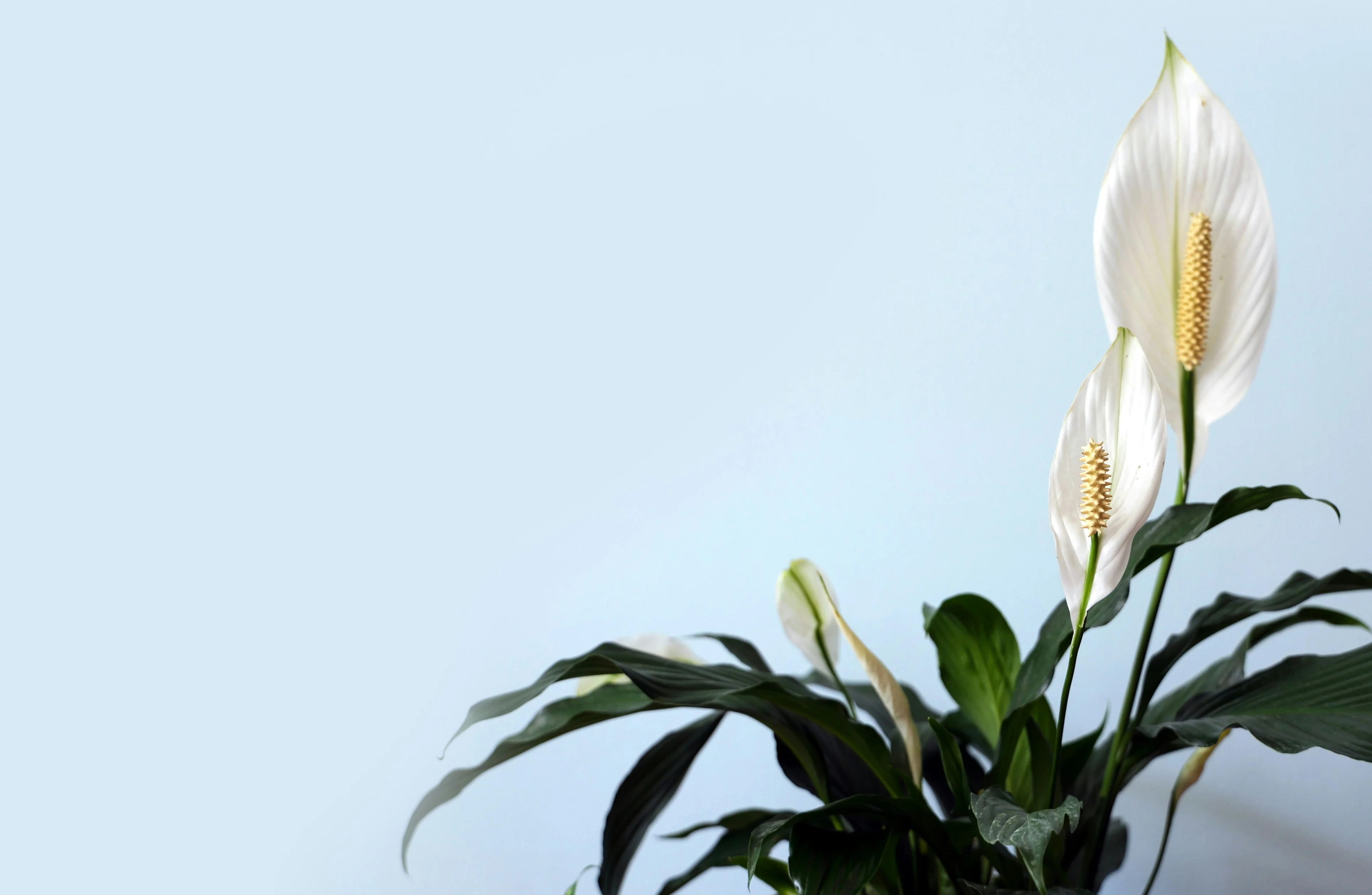
The Peace Lily (Spathiphyllum) is a classic houseplant beloved for its deep green, glossy foliage and elegant white spathes. It is also an exceptionally communicative plant—famously drooping when it needs water—making it a useful houseplant for beginners learning to recognize watering stress. If your Peace Lily looks like it is dying, dramatic wilting does not necessarily mean the plant is beyond recovery. The key is to identify whether the problem is underwatering, excess moisture, poor drainage, light stress, or another growing-condition issue.
Light and Placement
In their native tropical environments, Peace Lilies grow beneath taller vegetation where they receive filtered light. Indoors, they generally do best in medium to bright indirect light.
They can tolerate lower-light locations, although growth and flowering may be reduced. If you want your Peace Lily to produce its characteristic white spathes, provide brighter indirect light. Avoid prolonged exposure to intense direct sunlight, which can scorch the leaves.
Traditional Vastu Guidance for Peace Lily Placement
In Vastu Shastra, some traditional practices associate Peace Lily placement with tranquility and positive energy. These are traditional beliefs rather than established horticultural requirements.
For plant health, prioritize suitable light, drainage, airflow, and temperature regardless of where the plant is placed. If you follow Vastu traditions, you can choose a location that fits those traditions while still meeting the plant's horticultural needs.
Watering Strategy
Peace Lilies appreciate evenly moist soil, but their roots should not remain constantly waterlogged. Check the top inch or two of the potting mix and water when it has started to dry rather than following a rigid calendar.
When watering, moisten the entire root ball thoroughly and allow excess water to drain freely from the pot. Do not allow the container to sit in standing water.
Pro Tip: Brown leaf tips can have several causes, including inconsistent watering, dry indoor air, fertilizer buildup, or sensitivity to minerals in some tap water. If your plant develops persistent brown tips, consider your water quality and overall growing conditions rather than assuming that a single cause is responsible.
How to Bring a Dying Peace Lily Back to Life
A severely drooping Peace Lily can look as though it is dying, but dramatic wilting does not always mean the plant is beyond recovery. Start by checking the soil before adding more water. The condition of the soil and roots can help distinguish simple underwatering from a more serious drainage or root problem.
If the Soil Is Very Dry
If the potting mix is completely dry and the container feels unusually light, underwatering is a likely cause. Water the root ball thoroughly until excess water drains from the bottom of the pot. Then allow the plant to recover in bright, indirect light and monitor its condition over the following hours and days.
If the Plant Is Wilted but the Soil Is Wet
Severe wilting despite consistently wet soil is more concerning. Poor drainage, prolonged waterlogging, or damaged roots can prevent the plant from taking up water effectively. Do not keep adding water simply because the leaves are drooping.
Check that the pot has adequate drainage and that the growing medium is not remaining saturated for prolonged periods. If the plant continues to decline, inspect the roots for signs of damage and address the underlying drainage or root problem.
Quick Troubleshooting Guide
- Leaves suddenly drooping + soil very dry: Underwatering is likely. Water the root ball thoroughly and allow excess water to drain.
- Leaves drooping + soil consistently wet: Check drainage and possible root damage before watering again.
- Brown or crispy leaf edges: Review watering consistency, indoor humidity, fertilizer buildup, and water quality.
- Leaves pale or scorched: Review light exposure and move the plant away from prolonged intense direct sunlight.
- Plant remains stressed after watering: Do not repeatedly water. Check the roots, drainage, light, and overall growing conditions.
Give the Plant Time to Recover
Once the underlying problem has been corrected, avoid making several major changes at once. Keep the Peace Lily in suitable indirect light, maintain appropriate moisture, and watch for new growth. Severely stressed plants may need time to recover even after the original problem has been corrected.
For a more detailed approach to diagnosing and recovering severely wilted houseplants, see our wilting houseplants rescue guide.
Soil and Humidity
Use a rich but well-draining indoor potting mix. A quality houseplant mix amended with perlite can provide a useful balance between moisture retention and drainage. The goal is a medium that holds enough moisture for the roots without remaining saturated.
Peace Lilies generally appreciate moderate to high humidity. In dry indoor conditions, especially when heating or air conditioning is running, low humidity can contribute to crispy leaf edges. A humidifier can provide more consistent humidity than occasional misting.
Pruning and Maintenance
Maintenance is simple. When a white spathe and its flower stalk have finished their blooming cycle and begin to decline, cut the stalk close to the base of the plant. Remove old, yellowing, or badly damaged leaves with clean scissors or pruning shears.
Wipe the broad leaves periodically with a damp cloth to remove accumulated dust and keep the foliage clean.
Frequently Asked Questions
How do I bring a Peace Lily back to life? First check the soil. If it is bone dry and the pot feels unusually light, thorough watering may resolve wilting caused by underwatering. If the plant is severely wilted while the soil remains wet, investigate drainage and possible root damage instead of repeatedly watering it. Once the underlying problem is corrected, give the plant suitable indirect light and time to recover. For severe cases, see our wilting houseplants rescue guide.
Peace Lily Winter Care
During the colder months, a Peace Lily's growth typically slows down. Ensure it receives bright indirect light to compensate for shorter winter days, which also helps sustain energy for future blooms. Water based on soil moisture rather than a fixed weekly schedule, allowing the top layer to dry slightly, and avoid prolonged saturation to prevent root stress. Keep the plant away from cold drafts and heating vents. The drier indoor air from heating systems can reduce humidity, so consider using a humidifier to prevent crispy leaf edges. Reduce fertilizer applications when active growth slows, and monitor for common indoor stress symptoms.
Calculator
Interactive Calculators for Peace Lily
Recommended next actions
Next Best Actions
Use calculators and guides to turn this plant profile into a practical care routine.
Topic Guide
Watering
Learn everything about watering for your indoor and aquarium plants. Expert care tips, troubleshooting, and related guides.
Topic Guide
Humidity
Learn everything about humidity for your indoor and aquarium plants. Expert care tips, troubleshooting, and related guides.
Guide
Yellow Houseplant Leaves: Diagnose & Fix Guide 2026
After diagnosing hundreds of yellow-leaf cases across dozens of plant species, we've mapped the ten distinct causes that look nearly identical at first glance — and built the only systematic guide that tells you not just what's wrong, but exactly how to confirm it and fix it.
Guide
Tap Water vs Filtered Water for Houseplants: Which Is Better?
Most houseplants tolerate tap water without issue — but a specific group of fluoride-sensitive and mineral-sensitive plants develop brown leaf tips from ordinary municipal water. This guide compares tap water vs filtered water, identifies which plants are actually at risk, and gives you the cheapest effective fix for each scenario.
Structured Plant Data
Plant Data Profile
The following data is extracted directly from our botanical knowledge graph for accuracy and transparency.
Growth Characteristics
Growth Rate
moderate
Mature Height
1-3 feet indoors (some giant varieties reach 6 feet)
Mature Spread
1-3 feet
Life Cycle
Perennial
Flowering Season
Spring to early summer (can bloom year-round indoors with proper light)
Container Friendly
yes
Indoor Capable
yes
Environmental Parameters
| Parameter | Recommended | Survivable |
|---|---|---|
| Temperature | 65-85°F (18-29°C) | 55-90°F (13-32°C) |
| Humidity | 50-60%+ | 30-80% |
| Soil PH | 5.8-6.5 | 5.5-7.0 |
Lighting
Description
Prefers medium to bright indirect light. While it tolerates low light well, it will rarely produce white blooms in dark corners.
Nutrients
Nitrogen Demand
medium
Phosphate Demand
medium
Potassium Demand
medium
Micronutrient Notes
Very sensitive to chemical buildup from cheap fertilizers or tap water (fluoride/chlorine), which causes brown leaf tips. Flush the soil with plain filtered water every 2–3 months to clear accumulated salts.
Fertilizer Frequency
Feed every 6-8 weeks during the spring and summer using a diluted, balanced houseplant fertilizer.
Organic Options
Top dress with a thin layer of organic compost in early spring.
Relationships
-
Tap Water
Vulnerability | Strength 9
Highly sensitive to chlorine, fluoride, and hard minerals in municipal tap water, which chemically burns the leaf tips brown. Use filtered or rainwater.
-
Low Humidity
Vulnerability | Strength 8
Dry indoor air (especially from ACs or heaters) will cause the edges of the leaves to curl and crisp.
Peace Lily Placement Comparison
| Room | Light Level | Watering Need | Growth Expectation |
|---|---|---|---|
| Bright Living Room (East Window) | Bright Indirect | Moderate/High | Fast growth, abundant white blooms |
| Bedroom / Office Corner | Medium Indirect | Moderate | Steady growth, occasional blooms |
| Windowless Bathroom / Hallway | Low (Fluorescent) | Low | Slow growth, dark green leaves, no blooms |
Energy & Mindful Placement
Placement & Ancient Wisdom
True to its name, the Peace Lily symbolizes tranquility, purity, and harmony. In Vastu Shastra, placing it in the East or North-East corner helps balance ambient energies, reduces tension, and creates a calming atmosphere ideal for living rooms or bedrooms.
Best Directions
North East, East
Best Rooms
Living Room, Bedroom, Entrance, Office
Light Range
Medium, Bright Indirect
Care Profile
Moderate | Not pet safe | Indoor suitable
Common Goals
Reference: https://www.rhs.org.uk/plants/spathiphyllum
Troubleshooting & Diagnostics Guide
1 Plant is entirely droopy and wilted
Diagnosis: Severe underwatering (most common) or root rot from overwatering
Treatment: Check the soil. If bone dry, water deeply. If soaking wet, stop watering and check roots for rot.
Prevention: Maintain optimal care conditions.
2 Crispy brown leaf tips
Diagnosis: Tap water chemicals (fluoride/chlorine) or low humidity
Treatment: Switch to filtered/distilled water. Increase ambient humidity.
Prevention: Maintain optimal care conditions.
3 Lots of leaves, no white flowers
Diagnosis: Insufficient light
Treatment: Move the plant to bright, indirect light and wait 6-8 weeks. Alternatively, provide a brief cool period (around 60°F / 16°C) for 2–4 weeks in late winter to mimic seasonal change and trigger bud initiation.
Prevention: Maintain optimal care conditions.
4 Yellowing leaves throughout the plant
Diagnosis: Overwatering or poor drainage
Treatment: Allow the top 2 inches of soil to dry before watering. Ensure the pot has drainage holes.
Prevention: Maintain optimal care conditions.
Authoritative Resources
For additional peer-reviewed information on plant diseases, toxicity, and care, consult these trusted botanical and agricultural extensions:
Glossary of Terms
- Spathe
- The large, white, hood-like modified leaf of the Peace Lily that is commonly mistaken for a flower petal.
- Spadix
- The spiky, textured central stalk inside the white spathe where the actual tiny, true flowers of the plant are located.
- Calcium Oxalate
- Microscopic needle-shaped crystals found in the sap of the Peace Lily that cause intense pain and swelling if ingested by pets or humans.
- Gibberellic Acid
- A plant hormone used by commercial growers to force peace lilies to bloom. Plants treated with this may not rebloom for 12–18 months after purchase as they return to a natural cycle.
Frequently Asked Questions
Is the Peace Lily toxic to cats and dogs?
How often should I water my Peace Lily?
What type of water is best for a Peace Lily?
How do I prune a Peace Lily?
Why is my Peace Lily drooping so dramatically?
Why are the tips of the leaves turning brown and crispy?
Why won't my Peace Lily bloom?
How do I adjust my watering schedule during the winter months?
How do I propagate a peace lily?
Why is my peace lily not flowering after I brought it home?
How do I bring a Peace Lily back to life?
Sources & References
-
Source: rhs.org.uk
-
Source: plants.ces.ncsu.edu
Explore More