Water Quality for Houseplants
Tap water is suitable for most houseplants, but plants that are sensitive to dissolved minerals may perform better with filtered, distilled, reverse-osmosis, or clean rainwater. The best choice depends on your local water quality and the plant species you're growing, since tolerant plants like Pothos handle tap water fine while sensitive ones like Calathea often show mineral stress. This approach helps maintain optimal conditions and prevents common issues that can affect your plant's overall health and longevity over time.
Quick Answer
Tap water is suitable for most standard houseplants, but plants that are highly sensitive to dissolved minerals may perform significantly better with filtered, distilled, reverse-osmosis, or clean rainwater. The best overall choice always depends on your local water quality and plant species.
Water quality can affect houseplant health just as much as watering frequency. Most common houseplants tolerate ordinary tap water, but some plants are sensitive to dissolved minerals, fluoride, chloramine, or high alkalinity. Over time, these substances can accumulate in potting soil and contribute to mineral or salt buildup.
The best water for a houseplant depends on both the quality of your local water and the sensitivity of the plant. Tap water is usually sufficient for hardy plants such as Pothos and Snake Plants. Filtered water can reduce some contaminants and improve water quality, while distilled or rainwater provides a very low-mineral option for plants that are particularly sensitive to dissolved salts and minerals.
Which Water Is Best for Houseplants?
For most houseplants, tap water is acceptable if your local water is not excessively hard or otherwise problematic. If you notice recurring mineral deposits, white crust on the soil, or brown leaf tips on sensitive plants, consider using filtered, distilled, or rainwater depending on the plant's requirements.
- Tap water: Best practical choice for most hardy houseplants.
- Filtered water: Useful when you want to reduce certain contaminants, chlorine, sediment, or some dissolved substances.
- Distilled water: A very low-mineral option for sensitive plants and situations where dissolved minerals are a concern.
- Rainwater: Naturally low in dissolved minerals and useful for many sensitive plants when collected safely.
Tap Water for Houseplants
Tap water is the most convenient option and works well for many common indoor plants. Municipal water may contain disinfectants such as chlorine or chloramine as well as dissolved minerals such as calcium and magnesium. The exact composition varies by location.
Letting tap water sit overnight may allow some free chlorine to dissipate, but this should not be treated as a reliable way to remove chloramine, fluoride, or dissolved minerals. If your plants consistently show symptoms associated with mineral accumulation, changing the water source may be more useful than simply letting tap water stand.
When Tap Water Is Usually Fine
- The plant is generally tolerant of ordinary household water.
- Your local water is not excessively hard.
- You do not see persistent mineral deposits on the soil or pot.
- The plant is growing normally without recurring symptoms associated with water quality.
Filtered Water for Plants
Filtered water can be a useful middle ground between untreated tap water and distilled water. However, the result depends entirely on the type of filtration system being used.
A basic carbon filter can improve taste and reduce some chlorine and organic compounds, but it does not necessarily remove all dissolved minerals, fluoride, or salts. Reverse-osmosis filtration is substantially different and can remove a much larger proportion of dissolved substances.
For this reason, the word filtered alone does not tell you how mineral-rich the resulting water will be. Check the specifications of your filtration system if water quality is important for a particularly sensitive plant.
Distilled Water for Plants
Distilled water contains very little dissolved mineral content because the distillation process separates water from many dissolved substances. This makes it useful for plants that are sensitive to mineral accumulation or for situations where local tap water is particularly hard.
Distilled water is especially useful when you are trying to minimize mineral input into the potting medium. However, it is not automatically necessary for every houseplant. Using distilled water can also be less convenient and more expensive than using good-quality tap or filtered water.
Rainwater for Houseplants
Rainwater is generally low in dissolved minerals and can be an excellent water source for many houseplants. It is particularly useful when local tap water is hard or contains substances that sensitive plants respond poorly to.
Collected rainwater should be handled carefully. Use clean collection containers and avoid collecting runoff that has passed over dirty roofs, chemically treated surfaces, or other contaminated materials. Stored rainwater should also be protected from contamination and pests.
Tap vs Filtered vs Distilled vs Rainwater
| Water source | Mineral content | Best suited for | Potential concerns |
|---|---|---|---|
| Tap water | Low to high, depending on location | Most hardy houseplants | Hardness, fluoride, chloramine, salts, and other dissolved substances may vary |
| Filtered water | Depends on filtration method | Plants needing improved water quality without using distilled water | Basic filters may not remove dissolved minerals or fluoride |
| Distilled water | Very low | Mineral-sensitive plants and situations involving mineral accumulation | Higher cost and inconvenience for routine watering |
| Rainwater | Generally low | Many houseplants, particularly where tap water is hard | Collection and storage must prevent contamination |
Which Plants Benefit From Low-Mineral Water?
Not every plant requires low-mineral water. Some plants are considerably more sensitive to water chemistry than others.
Calatheas and Other Sensitive Tropical Plants
Calatheas and some other sensitive tropical plants can develop brown or crispy leaf edges when exposed to unfavorable water quality or accumulated salts. If symptoms persist despite appropriate watering, humidity, light, and nutrition, water quality is worth investigating.
Carnivorous Plants
Many carnivorous plants are adapted to nutrient-poor environments and are particularly sensitive to dissolved minerals. Distilled water, reverse-osmosis water with appropriately low dissolved solids, or suitable rainwater is commonly preferred for these plants.
Pothos and Snake Plants
Pothos and Snake Plants are comparatively tolerant and generally do not require distilled water. Good-quality tap water is often sufficient unless the local water is particularly hard or the plant shows signs associated with mineral accumulation.
Hard Water and Houseplants
Hard water contains higher concentrations of dissolved calcium and magnesium. These minerals are not inherently harmful to every plant, but repeated watering can contribute to visible mineral deposits and changes in the chemistry of the potting medium.
Common signs include a white or pale crust on the soil surface, mineral deposits around the edge of the pot, or recurring residue on containers. These signs do not prove that water quality is the cause of a plant problem, but they are useful clues when combined with other symptoms.
How to Prevent Mineral Buildup
- Use appropriate water: If your plant is sensitive or your local water is very hard, consider filtered, distilled, reverse-osmosis, or clean rainwater.
- Water thoroughly: When appropriate for the plant and potting mix, water until some drainage exits the bottom of the container.
- Flush accumulated salts: Periodically run sufficient clean water through the potting medium to help carry accumulated soluble salts out of the drainage holes.
- Monitor the plant: Look for recurring brown leaf margins, mineral deposits, or declining growth rather than changing water sources based on a single symptom.
Does Letting Tap Water Sit Remove Chlorine?
Allowing water to sit can reduce some free chlorine as it dissipates, but it should not be considered a universal treatment for tap water. Chloramine behaves differently, and dissolved minerals such as calcium, magnesium, and fluoride are not removed simply by leaving water in an open container.
How to Choose Water for Your Plants
A practical approach is to start with your local tap water and the tolerance of the plant. If hardy plants are growing well and there is little evidence of mineral accumulation, changing to distilled water may provide little practical benefit.
If a sensitive plant repeatedly develops symptoms that could be associated with water chemistry, or if your tap water is known to be very hard, consider testing the water or switching to a lower-mineral source. This makes the decision based on the plant and water conditions rather than assuming one water source is universally superior.
Frequently Asked Questions
Is tap water safe for houseplants?
Yes. Most common houseplants tolerate tap water when the local water quality is reasonable. Plants that are sensitive to dissolved minerals or unusually hard water may benefit from a lower-mineral water source.
What is the best water for houseplants?
There is no single best water for every houseplant. Tap water is practical for most tolerant plants, while filtered, distilled, reverse-osmosis, or clean rainwater can be better choices for plants that are sensitive to minerals or poor local water quality.
Is filtered water better than tap water for plants?
It can be, but it depends on the filter. Carbon filters may reduce chlorine and some contaminants without removing most dissolved minerals. Reverse-osmosis systems remove substantially more dissolved substances.
Is distilled water good for houseplants?
Distilled water is useful for plants that are sensitive to dissolved minerals or for growers dealing with very hard water. It is not necessary for every houseplant, and many tolerant species grow well with ordinary tap water.
Is rainwater better than tap water for plants?
Rainwater is generally low in dissolved minerals and can be an excellent option, particularly where tap water is hard. It should be collected from clean surfaces and stored in a way that prevents contamination.
Do Calatheas need distilled water?
Calatheas can be sensitive to water chemistry and accumulated salts, so lower-mineral water such as filtered, reverse-osmosis, distilled, or suitable rainwater can be helpful when local tap water causes recurring problems. Distilled water is not automatically required in every situation.
Do houseplants need water without fluoride?
Not all houseplants are sensitive to fluoride. Some plants can show damage when exposed to higher fluoride concentrations, particularly when combined with other environmental stresses. If a sensitive plant develops persistent symptoms, water quality can be one factor to investigate.
Does boiling tap water make it better for plants?
Boiling does not remove dissolved minerals such as calcium and magnesium and should not be relied upon as a complete water-treatment method. It also does not solve every issue associated with municipal water chemistry.
How do I know if my tap water is too hard for plants?
Look for persistent white mineral deposits on soil or containers and consider testing the water if problems continue. A water-quality test can provide more useful information than relying on visible symptoms alone.
How do I remove mineral buildup from houseplant soil?
When appropriate for the plant and potting mix, thoroughly flushing the container with clean water can help carry accumulated soluble salts out through the drainage holes. Repeated buildup may also justify reviewing the water source and fertilizer practices.
Explore More
Related Articles
Related Plant Guides
Recommended next actions
Continue Exploring
Dive deeper into related plant care tools and profiles.
Topic Guide
Salt Buildup in Plants: Causes, Symptoms & How to Fix It
Learn what salt buildup is, how to identify symptoms like leaf tip burn, what causes it, and how to flush soil and prevent fertilizer salt accumulation in.
Calculator
Plant Watering Calculator: How Often to Water
Calculate the correct watering frequency for your plant based on species, pot size, soil type, season, and climate.
Plant Guide
Pothos
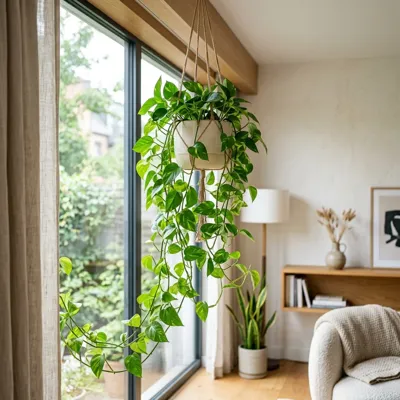
Golden Pothos (Epipremnum aureum) is a popular, easy‑care climbing vine with heart‑shaped, variegated leaves. It thrives in bright indirect light, tolerates lower light, and is perfect for hanging baskets or training up a moss pole.
Plant Guide
Snake Plant
Expert care guide and diagnostic data for the Snake Plant. Learn how to properly water, light, and troubleshoot common issues.