Fertilizer
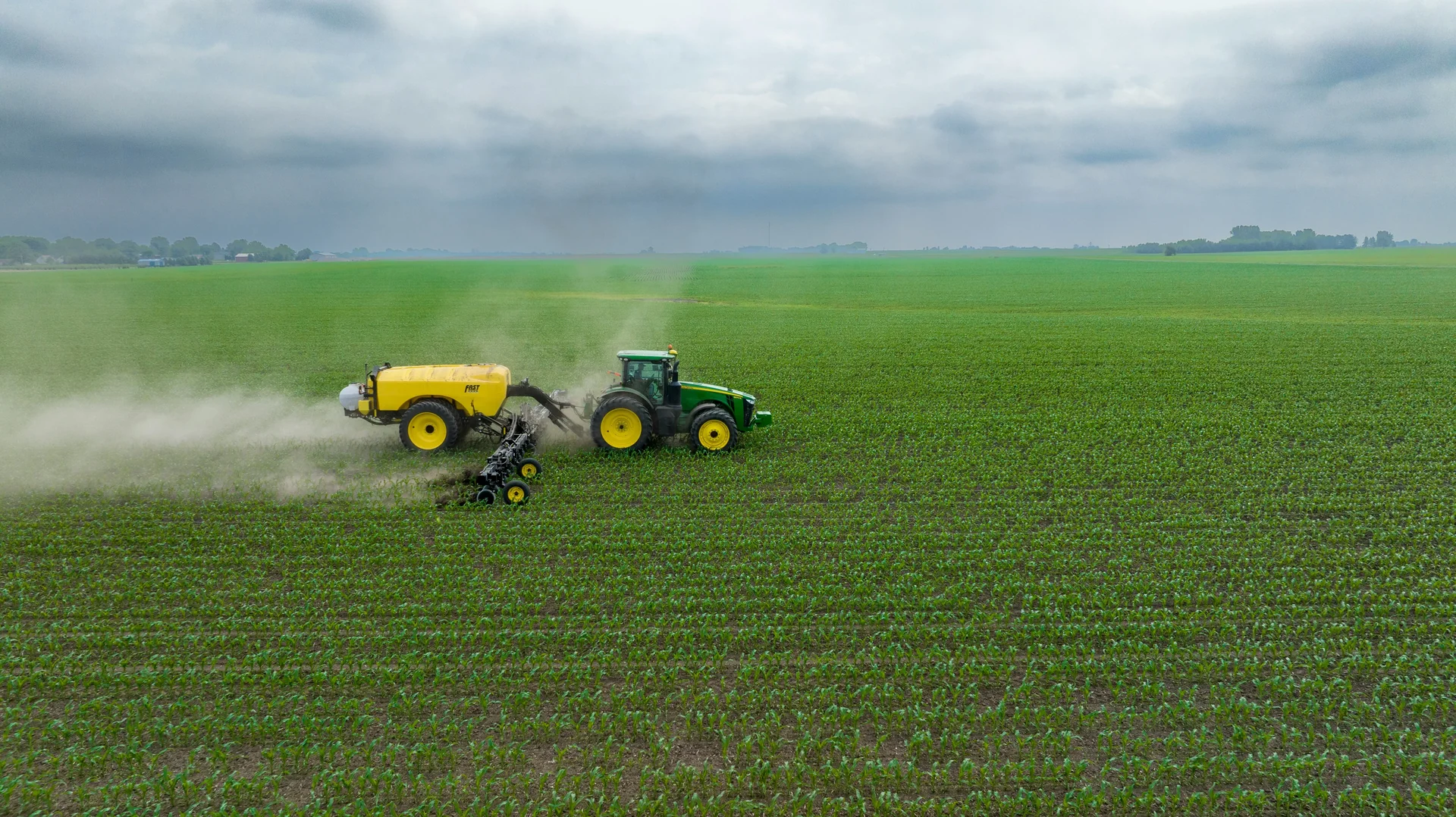
Fertilizer is a substance added to soil to supply essential nutrients for plant growth, based on the principle of nutrient cycling: as plants grow, they consume and deplete nutrients from the surrounding soil over time. Fertilizers replenish this supply, most importantly nitrogen, phosphorus, and potassium. Fertilizers come in organic and inorganic forms and can be applied as granules, liquids, or powders, each suited to different feeding schedules and plant needs. Regular, moderate application during active growth supports healthy development without overwhelming the plant's ability to use the nutrients.
Quick Answer
Fertilizer supplies essential nutrients, primarily nitrogen, phosphorus, and potassium, that plants need for growth but eventually deplete from soil. It can be organic or synthetic, applied as granules, liquids, or powders. Regular but moderate fertilizing during active growth periods replenishes these nutrients without risking fertilizer burn from overapplication.
What Is Fertilizer?
Fertilizer is a substance added to soil to promote plant growth and fertility. It is a crucial component of gardening, as it provides essential nutrients for plants to thrive. Plants require a balanced diet of nutrients, including nitrogen, phosphorus, and potassium, to grow and develop properly. Fertilizers can be organic or inorganic, and they can be applied in various forms, such as granules, liquids, or powders.
The underlying botanical science behind fertilizers is based on the concept of nutrient cycling. Plants absorb nutrients from the soil through their roots, and as they grow, they utilize these nutrients to produce new tissues. However, as plants grow, they also remove nutrients from the soil, which can lead to nutrient deficiencies over time. Fertilizers help to replenish these nutrients, ensuring that plants have a constant supply of essential nutrients to grow and thrive.
Fertilizers are essential for plant health, as they provide the necessary nutrients for plants to grow and develop properly. Without adequate nutrients, plants can become stressed, leading to reduced growth, increased susceptibility to disease, and decreased yields. By using fertilizers, gardeners can promote healthy plant growth, improve crop yields, and enhance the overall appearance of their gardens.
Tools and Materials You'll Need
- Fertilizer (granular or liquid)
- Measuring cups or spoons
- Watering can or hose
- Soil test kit
- Gardening gloves
- Pruning shears (optional)
- Spreader or sprayer (optional)
Step-by-Step: How to Apply Fertilizer
- Choose the right fertilizer for your plants, taking into account the type of plants, soil pH, and nutrient requirements. Apply fertilizer at a temperature between 65°F (18°C) and 85°F (29°C), and when the soil moisture is between 20% and 40%.
- Read the label instructions carefully and follow the recommended application rates. Typically, fertilizers are applied at a rate of 1-2 pounds per 100 square feet, depending on the formulation and intended use.
- Measure out the recommended amount of fertilizer using a measuring cup or spoon. For liquid fertilizers, dilute the product according to the label instructions, usually 1-2 tablespoons per gallon of water.
- Apply the fertilizer evenly to the soil, either by broadcasting it over the soil surface or by using a spreader or sprayer. For granular fertilizers, water the soil gently after application to prevent burning the roots.
- Water the plants thoroughly after applying fertilizer, using approximately 1-2 gallons of water per plant, depending on the soil type and moisture levels.
- Monitor the plants' response to the fertilizer, observing for signs of nutrient deficiency or excess. Adjust the application rate or frequency as needed, based on the plants' growth and development.
- Repeat the fertilization process as recommended on the label, usually every 4-6 weeks during the growing season, or as needed based on soil test results and plant performance.
Best Practices and Pro Tips
- Soil Testing: Test your soil regularly to determine its pH and nutrient levels, adjusting your fertilizer application accordingly. Aim for a soil pH between 6.0 and 7.0, and nutrient levels within the recommended ranges for your plants.
- Fertilizer Timing: Apply fertilizer during the growing season, when plants are actively producing new growth. For most plants, this is between March and October, when temperatures are between 40°F (4°C) and 90°F (32°C).
- Watering: Water plants thoroughly after applying fertilizer, using approximately 1-2 gallons of water per plant, depending on the soil type and moisture levels.
- Fertilizer Rate: Apply fertilizer at the recommended rate, taking into account the type of plants, soil pH, and nutrient requirements. Typically, fertilizers are applied at a rate of 1-2 pounds per 100 square feet, depending on the formulation and intended use.
- pH Adjustment: Adjust the soil pH as needed, using lime or sulfur to raise or lower the pH, respectively. Aim for a soil pH between 6.0 and 7.0, and monitor the pH regularly to avoid over-correction.
Quick Reference Table
| Factor | Recommended Range | Why It Matters |
|---|---|---|
| Soil pH | 6.0-7.0 | Optimal pH range for most plants, allowing for efficient nutrient uptake and utilization. |
| Nitrogen Level | 10-20 ppm | Essential for plant growth and development, with optimal levels promoting healthy leaf growth and color. |
| Phosphorus Level | 5-10 ppm | Critical for root development, flower and fruit production, and overall plant health. |
| Potassium Level | 10-20 ppm | Important for overall plant health, promoting disease resistance and water balance. |
| Temperature | 65-85°F (18-29°C) | Optimal temperature range for fertilizer application, allowing for efficient nutrient uptake and utilization. |
Best Plants for Fertilizer
Some plants are more responsive to fertilizer than others. The Rosa spp. (Rose) is a classic example, as it requires regular fertilization to produce abundant blooms. The Helianthus annuus (Sunflower) is another good candidate, as it benefits from a balanced fertilizer to promote healthy growth and flowering. The Tomato spp. (Tomato) is also a heavy feeder, requiring regular fertilization to produce a bountiful harvest. The Cucumis sativus (Cucumber) and Phaseolus vulgaris (Bean) are also good choices, as they benefit from a balanced fertilizer to promote healthy growth and fruiting. The Zinnia spp. (Zinnia) is a low-maintenance option, but it still benefits from regular fertilization to promote healthy growth and flowering.
As we explain in our Compost guide, compost can be a valuable addition to your fertilization routine, providing a natural source of nutrients for your plants. Which we cover in detail in our NPK article, the importance of balancing nitrogen, phosphorus, and potassium cannot be overstated. See our Micronutrients guide for a deeper look at the role of micronutrients in plant nutrition, and how they can be used to promote healthy plant growth and development.
Common Mistakes to Avoid
- Over-Fertilization: Applying too much fertilizer can damage plants, causing burning of the roots and leaves. This can occur when the fertilizer application rate exceeds 2 pounds per 100 square feet, or when the soil pH is not adjusted accordingly.
- Under-Fertilization: Failing to apply enough fertilizer can result in nutrient deficiencies, leading to reduced growth and yields. This can occur when the fertilizer application rate is less than 1 pound per 100 square feet, or when the soil pH is not adjusted accordingly.
- Incorrect Timing: Applying fertilizer at the wrong time can reduce its effectiveness, as plants may not be able to utilize the nutrients. This can occur when fertilizer is applied outside of the growing season, or when the soil temperature is below 40°F (4°C) or above 90°F (32°C).
- Insufficient Watering: Failing to water plants thoroughly after applying fertilizer can reduce its effectiveness, as the nutrients may not be able to reach the roots. This can occur when the soil moisture is below 20%, or when the watering can or hose is not used to apply at least 1-2 gallons of water per plant.
- Ignoring Soil pH: Failing to adjust the soil pH can reduce the effectiveness of fertilizer, as plants may not be able to utilize the nutrients. This can occur when the soil pH is outside of the optimal range of 6.0-7.0, or when the pH is not adjusted accordingly.
What is the success rate of using fertilizer?
The success rate of using fertilizer depends on various factors, including the type of plants, soil pH, and nutrient requirements. Generally, fertilizers can increase crop yields by 10-20%, and improve plant growth and development by 15-30%. However, the success rate can vary depending on the specific fertilizer used, and the application rate and timing.
What is the best season to apply fertilizer?
The best season to apply fertilizer depends on the type of plants and the climate. Generally, fertilizers are applied during the growing season, when plants are actively producing new growth. For most plants, this is between March and October, when temperatures are between 40°F (4°C) and 90°F (32°C).
Is it mandatory to follow the recommended application rate?
Yes, it is mandatory to follow the recommended application rate, as over-fertilization can damage plants and under-fertilization can reduce yields. The recommended application rate is usually between 1-2 pounds per 100 square feet, depending on the formulation and intended use.
What aftercare is required after applying fertilizer?
After applying fertilizer, it is essential to water plants thoroughly, using approximately 1-2 gallons of water per plant, depending on the soil type and moisture levels. It is also important to monitor the plants' response to the fertilizer, observing for signs of nutrient deficiency or excess, and adjusting the application rate or frequency as needed.
How do I troubleshoot common problems with fertilizer?
Troubleshooting common problems with fertilizer requires careful observation and adjustment of the application rate and timing. If plants are not responding to fertilizer, it may be necessary to adjust the soil pH, or to apply a different type of fertilizer. If plants are showing signs of nutrient deficiency or excess, it may be necessary to adjust the application rate or frequency, or to use a different type of fertilizer.
Frequently Asked Questions
What is the success rate of using fertilizer?
The success rate of using fertilizer depends on various factors, including the type of plants, soil pH, and nutrient requirements. Generally, fertilizers can increase crop yields by 10-20%, and improve plant growth and development by 15-30%. However, the success rate can vary depending on the specific fertilizer used, and the application rate and timing.
What is the best season to apply fertilizer?
The best season to apply fertilizer depends on the type of plants and the climate. Generally, fertilizers are applied during the growing season, when plants are actively producing new growth. For most plants, this is between March and October, when temperatures are between 40°F (4°C) and 90°F (32°C).
Is it mandatory to follow the recommended application rate?
Yes, it is mandatory to follow the recommended application rate, as over-fertilization can damage plants and under-fertilization can reduce yields. The recommended application rate is usually between 1-2 pounds per 100 square feet, depending on the formulation and intended use.
What aftercare is required after applying fertilizer?
After applying fertilizer, it is essential to water plants thoroughly, using approximately 1-2 gallons of water per plant, depending on the soil type and moisture levels. It is also important to monitor the plants' response to the fertilizer, observing for signs of nutrient deficiency or excess, and adjusting the application rate or frequency as needed.
How do I troubleshoot common problems with fertilizer?
Troubleshooting common problems with fertilizer requires careful observation and adjustment of the application rate and timing. If plants are not responding to fertilizer, it may be necessary to adjust the soil pH, or to apply a different type of fertilizer. If plants are showing signs of nutrient deficiency or excess, it may be necessary to adjust the application rate or frequency, or to use a different type of fertilizer.
Explore More
Related Topics


Related Plant Guides
No specific plant guides found matching this topic.
Recommended next actions
Continue Exploring
Dive deeper into related plant care tools and profiles.
Topic Guide
Compost
Learn everything about compost for your indoor and aquarium plants. Expert care tips, troubleshooting, and related guides.
Topic Guide
NPK Explained for Plant Care
Understand what NPK means, how nitrogen, phosphorus and potassium affect plant growth and how to choose the right balance.
Topic Guide
Micronutrients for Plants
Spot iron, zinc and boron deficiency signs in houseplants and correct trace mineral shortages before growth is affected.