Pebble Tray
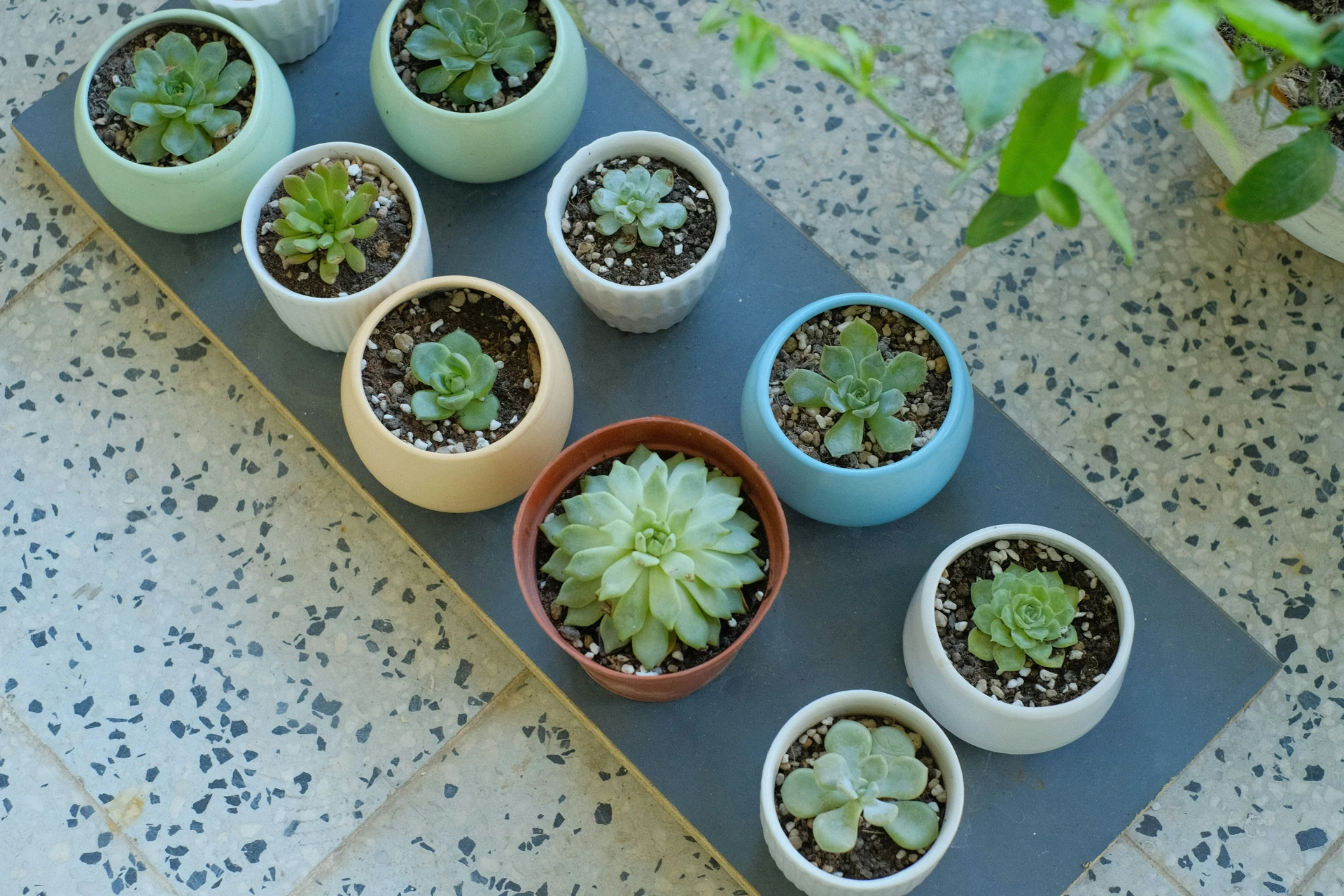
A pebble tray is a simple humidity-enhancing setup consisting of a shallow tray filled with pebbles or gravel and partially filled with water, on which a plant container is placed to avoid direct contact with standing water. As water evaporates from the tray, it slightly raises relative humidity in the immediate area around the plant. This added moisture can help reduce excessive water loss through stomata for species that evolved in consistently humid, tropical forest environments, though the humidity boost is localized and modest compared to a room humidifier.
Quick Answer
A pebble tray is a shallow tray of pebbles partially filled with water, with a plant pot placed on top to raise local humidity through evaporation without the pot sitting directly in water. It provides a modest, localized humidity boost useful for tropical species. It's most effective as a supplement, not a replacement, for a humidifier in very dry rooms.
What Is Pebble Tray?
A pebble tray is a simple humidity-enhancing system used in horticulture and indoor plant care. It consists of a shallow tray filled with pebbles or gravel and partially filled with water. A plant container is placed on top of the pebbles, allowing water to evaporate around the plant without the pot sitting directly in water. The goal is to create a localized zone of higher humidity around foliage.
The science behind a pebble tray is based on evaporation and plant transpiration. As water evaporates from the tray surface, moisture enters the surrounding air. This can slightly increase relative humidity immediately around the plant. For species that evolved in tropical forests, where atmospheric moisture is consistently present, this additional humidity can help reduce excessive water loss through stomata and minimize leaf stress.
Humidity influences several plant processes, including transpiration, nutrient movement, and leaf function. When indoor air becomes excessively dry, plants may lose water faster than roots can replace it. This often results in brown leaf margins, curling foliage, or reduced vigor. A pebble tray helps moderate these effects by creating a more favorable microclimate near the leaves.
While pebble trays are useful, they are not a substitute for proper watering, lighting, or overall environmental management. Their greatest value comes when used alongside appropriate cultural practices. For humidity-sensitive plants, a pebble tray can provide supplemental moisture that supports healthier foliage and reduces environmental stress.
Tools and Materials You'll Need
- Shallow waterproof tray: A tray wide enough to extend beyond the pot base and hold water safely.
- Smooth pebbles or gravel: Creates a stable platform that keeps the pot above the water line.
- Clean water: Used as the evaporative source that increases local humidity.
- Plant container with drainage holes: Prevents root-zone waterlogging while allowing excess moisture to escape.
- Hygrometer: Helps monitor humidity levels and evaluate whether the tray is beneficial.
- Measuring cup: Useful for adding consistent volumes of water to the tray.
- Cleaning brush: Helps remove algae, mineral deposits, and debris from pebbles.
- Decorative stones (optional): Improve appearance while maintaining functionality.
Step-by-Step: How to Perform Pebble Tray
- Select a tray that is at least 5–10 cm wider than the base of the plant container.
- Add a layer of pebbles approximately 2–5 cm deep across the entire tray surface.
- Pour water into the tray until the level reaches just below the top surface of the pebbles.
- Place the plant pot on the pebble layer, ensuring the bottom of the container does not contact the water directly.
- Position the tray within 30–60 cm of the plant's foliage so evaporated moisture remains concentrated around the canopy.
- Check the water level every few days and refill as evaporation reduces the volume.
- Clean the tray and pebbles every 2–4 weeks to prevent algae accumulation and maintain effective evaporation.
Best Practices and Pro Tips
- Maximize Surface Area: Use wider trays because evaporation increases as exposed water surface increases.
- Keep Pot Elevated: Maintain a water level below the pebble surface to prevent root contact with standing water.
- Monitor Every Week: Check water levels at least once every 7 days and replenish as needed.
- Group Plants Together: Multiple plants positioned within 30–60 cm can create a more humid microenvironment.
- Clean Regularly: Wash trays every 2–4 weeks to limit algae and mineral buildup.
Quick Reference Table
| Factor | Recommended Range | Why It Matters |
|---|---|---|
| Tray Width | 5–10 cm beyond pot edge | Provides adequate evaporative surface area. |
| Pebble Depth | 2–5 cm | Supports the pot while keeping roots above water. |
| Water Level | Below pebble surface | Prevents root-zone saturation. |
| Inspection Interval | Every few days | Ensures continuous evaporation. |
| Cleaning Schedule | Every 2–4 weeks | Reduces algae and mineral accumulation. |
Best Plants for Pebble Tray
The Boston fern (Nephrolepis exaltata) is one of the most responsive plants to pebble trays because its delicate fronds lose moisture quickly in dry indoor environments. Supplemental humidity can help reduce browning and maintain lush foliage.
The maidenhair fern (Adiantum raddianum) naturally grows in consistently moist habitats and benefits from the localized humidity produced by evaporation. Its thin leaf tissue is particularly sensitive to dry air.
The prayer plant (Maranta leuconeura) develops healthier foliage when atmospheric moisture remains relatively stable. Pebble trays can help reduce stress-related leaf curling and margin damage.
The nerve plant (Fittonia albivenis) is known for reacting quickly to dry conditions. Additional humidity around the canopy helps maintain leaf turgor and vibrant foliage coloration.
The moth orchid (Phalaenopsis amabilis) often benefits from supplemental humidity because its aerial roots naturally absorb moisture from the surrounding environment. A pebble tray can improve growing conditions without wetting the roots directly.
The bird's nest fern (Asplenium nidus) evolved in humid tropical forests and typically performs better when atmospheric moisture remains elevated. Pebble trays can support healthier frond development in indoor settings.
Understanding environmental moisture is important, as we explain in our Humidity guide. Some growers combine this technique with our Misting guide for additional humidity support. Proper irrigation remains essential and is covered in detail in our Watering guide.
Common Mistakes to Avoid
- Allowing Pots to Sit in Water: When the pot base contacts standing water, roots may remain saturated and become vulnerable to decline. Keep the water level below the pebble surface.
- Using a Tray That Is Too Small: Trays extending less than 5 cm beyond the pot provide limited evaporation and reduced effectiveness.
- Ignoring Water Levels: An empty tray provides no humidity benefit. Check levels every few days and refill when necessary.
- Skipping Cleaning: Failing to clean the tray every 2–4 weeks encourages algae growth and mineral deposits.
- Expecting Whole-Room Humidity Changes: Pebble trays affect only the immediate area around the plant and are not a replacement for a humidifier.
Frequently Asked Questions
Do pebble trays actually increase humidity around plants?
Yes, pebble trays can increase humidity immediately around a plant through evaporation. The effect is usually localized rather than room-wide, making them most beneficial for individual plants or small plant groups. Their effectiveness depends on tray size, water availability, air movement, and proximity to foliage. While they are not as powerful as humidifiers, they can provide meaningful supplemental humidity for sensitive species.
When is the best time to use a pebble tray?
Pebble trays are particularly useful during periods when indoor air becomes dry, such as when heating systems operate frequently. They can also be beneficial year-round for tropical plants that prefer consistently humid conditions. The technique is most valuable whenever foliage shows signs associated with low atmospheric moisture.
What type of pebbles should I use in a pebble tray?
Smooth gravel, river stones, or horticultural pebbles all work well. The primary requirement is that the stones are large enough to support the container above the water level. A pebble depth of approximately 2–5 cm is usually sufficient to keep the pot elevated while maintaining a stable structure.
How do I maintain a pebble tray over the long term?
Monitor water levels regularly and refill as evaporation occurs. Every 2–4 weeks, remove the pot, rinse the pebbles, and clean the tray to prevent algae buildup and mineral deposits. Long-term success depends on maintaining cleanliness and ensuring the pot never sits directly in standing water.
Why are my plant's leaf tips still turning brown even with a pebble tray?
Brown leaf tips can result from several factors beyond humidity, including inconsistent watering, excess fertilizer salts, root stress, or poor water quality. A pebble tray provides only localized humidity improvement and may not fully correct severe environmental problems. Evaluate watering practices, root health, and overall growing conditions to identify the primary cause.
Frequently Asked Questions
Do pebble trays actually increase humidity around plants?
Yes, pebble trays can increase humidity immediately around a plant through evaporation. The effect is usually localized rather than room-wide, making them most beneficial for individual plants or small plant groups. Their effectiveness depends on tray size, water availability, air movement, and proximity to foliage. While they are not as powerful as humidifiers, they can provide meaningful supplemental humidity for sensitive species.
When is the best time to use a pebble tray?
Pebble trays are particularly useful during periods when indoor air becomes dry, such as when heating systems operate frequently. They can also be beneficial year-round for tropical plants that prefer consistently humid conditions. The technique is most valuable whenever foliage shows signs associated with low atmospheric moisture.
What type of pebbles should I use in a pebble tray?
Smooth gravel, river stones, or horticultural pebbles all work well. The primary requirement is that the stones are large enough to support the container above the water level. A pebble depth of approximately 2–5 cm is usually sufficient to keep the pot elevated while maintaining a stable structure.
How do I maintain a pebble tray over the long term?
Monitor water levels regularly and refill as evaporation occurs. Every 2–4 weeks, remove the pot, rinse the pebbles, and clean the tray to prevent algae buildup and mineral deposits. Long-term success depends on maintaining cleanliness and ensuring the pot never sits directly in standing water.
Why are my plant's leaf tips still turning brown even with a pebble tray?
Brown leaf tips can result from several factors beyond humidity, including inconsistent watering, excess fertilizer salts, root stress, or poor water quality. A pebble tray provides only localized humidity improvement and may not fully correct severe environmental problems. Evaluate watering practices, root health, and overall growing conditions to identify the primary cause.
Explore More
Related Topics
Related Plant Guides
No specific plant guides found matching this topic.
Recommended next actions
Continue Exploring
Dive deeper into related plant care tools and profiles.
Topic Guide
Humidity
Learn everything about humidity for your indoor and aquarium plants. Expert care tips, troubleshooting, and related guides.
Topic Guide
Misting
Learn everything about misting for your indoor and aquarium plants. Expert care tips, troubleshooting, and related guides.
Topic Guide
Watering
Learn everything about watering for your indoor and aquarium plants. Expert care tips, troubleshooting, and related guides.