Alocasia Amazonica Care: Preventing Yellow Leaves & Managing Dormancy
The Alocasia Amazonica (African Mask Plant) is a stunning but demanding houseplant. It requires high humidity, warmth, and careful watering to prevent root rot and leaf drop.
-
Difficulty
hard
-
Light
Requires bright, indirect light to maintain its striking leaf coloration. Direct sun will severely scorch the leaves, while low light will cause it to drop leaves and go dormant.
-
Temperature
65°F - 85°F (18°C - 29°C)
-
Growth
moderate
-
Humidity
60% - 80%
-
pH range
5.5 - 6.5
-
Biggest Owner Mistake
Watering on a fixed schedule instead of checking soil moisture—owners often mistake drooping leaves for thirst when the real cause is overwatering and early root rot. Alocasias droop when roots can't uptake water, whether from drought or from rot, so always check the soil before reaching for the watering can.
-
What Nobody Tells You
It goes through dormancy even indoors in winter, dropping leaves no matter how good the care—the rhizome is alive and resting, not dying. Resume normal care in spring and new growth will emerge from the base.
-
Real Home Conditions
In centrally heated homes with dry air, spider mites colonize the undersides of leaves within weeks. A humidifier or pebble tray is non-negotiable to prevent both pest infestations and leaf browning.
Quick Answer
Alocasia Amazonica requires bright, indirect light, high humidity, and a chunky, fast-draining aroid soil mix. If it drops all its leaves in winter, don't throw it away — it has likely gone dormant and will return with fresh growth once spring arrives.
Key Takeaways
- Maintain relative humidity above 60% and provide bright, indirect sunlight.
- Water when the top inch of aerated aroid mix dries; avoid complete desiccation.
- Anticipate winter dormancy by reducing watering when temperatures decline.
- Inspect leaf undersides regularly for spider mites in dry indoor air.
Overview
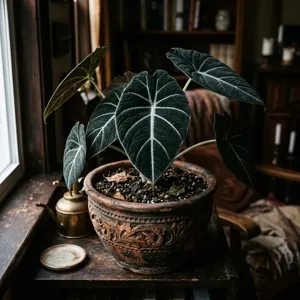
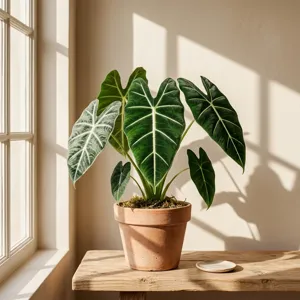
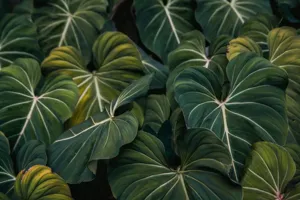
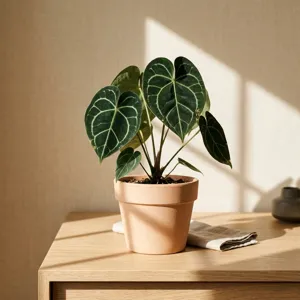
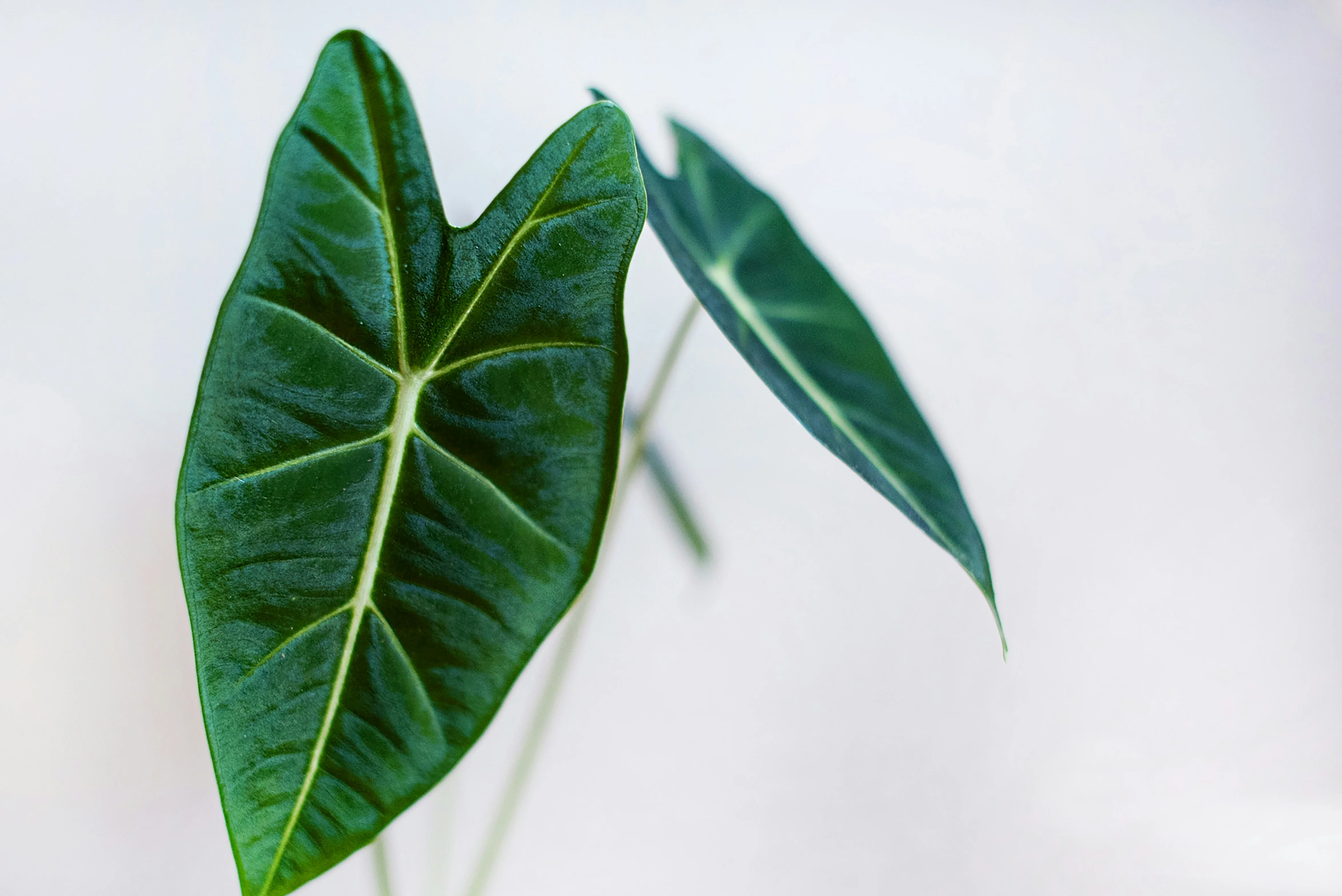
The Alocasia Amazonica, commonly sold as the "African Mask Plant" or "Alocasia Polly," is famous for its dramatic, arrow-shaped, dark green leaves with bold, white-to-pale-green veins. Despite the name "African Mask," it is not from Africa; it is a hybrid created in the 1950s in Florida, bred from Asian Alocasia species.
While it is visually spectacular, it is notorious for breaking the hearts of beginner plant parents. It is demanding, strictly requiring the warm, humid conditions of a tropical rainforest. In a typical Western home with dry winter air from central heating, it is highly prone to pest infestations, root rot, and dramatic leaf drop. However, if you understand its dormancy cycle and humidity needs, you can successfully grow this striking statement plant.
Light Requirements
Alocasia Amazonica requires bright, indirect light. It must be protected from direct, hot afternoon sunlight, which will scorch its dark leaves. However, if placed in a dim corner, the plant will stop growing, the vibrant veins will fade, and it will eventually drop its leaves and go dormant. An east-facing window is ideal.
Watering and Root Rot
Watering is the trickiest part of Alocasia care. They have thick, fleshy roots that need constant access to moisture but will rot rapidly if deprived of oxygen in soggy soil. The soil must never stay soaking wet. Allow the top 2 to 3 inches of soil to dry out before watering again. During the winter, when the plant is not actively growing (or is fully dormant), reduce watering significantly.
Temperature and Drafts
This is a tropical plant that demands warmth. It should be kept in temperatures between 65°F and 85°F (18°C - 29°C). If the temperature drops below 60°F (15°C), the plant may trigger its natural dormancy cycle and begin dropping leaves. Keep it completely away from drafty windows, exterior doors, and air conditioning vents.
Humidity: A Strict Requirement
Alocasias hate dry air. While they can survive at 50% humidity, they will thrive and look their best at 60% to 80% humidity. In a centrally heated home during winter, ambient humidity can plummet to 20%. You must use a humidifier nearby. If the air is too dry, the leaf edges will turn crispy and brown, and the plant becomes a magnet for spider mites.
Soil and Potting: The Aroid Mix
Do not plant an Alocasia in standard, heavy potting soil. It requires a chunky, highly aerated "aroid mix." You can make this at home by combining equal parts high-quality potting soil, orchid bark, and coarse perlite. This mixture allows water to flow through quickly, providing moisture without suffocating the roots.
The Dormancy Cycle
The most common mistake new Alocasia owners make is throwing the plant away when it drops all its leaves in the winter. This is normal dormancy. In response to shorter days and cooler temperatures, the plant may let all its foliage die back to conserve energy in its underground corm (bulb).
If this happens, do not panic. Cut back the dead foliage, move the pot to a cool, dark place, and reduce watering to just once every few weeks (barely moistening the soil so the corm doesn't desiccate). In the spring, when temperatures rise, bring it back into bright light, resume normal watering, and it will sprout new leaves.
Toxicity
Alocasia Amazonica is highly toxic to cats, dogs, and humans. It contains insoluble calcium oxalate crystals. If chewed or swallowed, it causes severe burning, swelling, and irritation of the mouth, throat, and GI tract. Keep it elevated and completely out of reach of pets and small children.
Common Problems
Spider Mites: Alocasias are spider mite magnets. These tiny pests weave fine webs on the undersides of the leaves and cause yellow stippling. They thrive in dry air. Prevent them by keeping humidity high and regularly wiping down the large leaves with a damp cloth or neem oil.
Yellowing Leaves (One at a time): If the plant is actively growing and the oldest, outermost leaf turns yellow and droops as a new leaf unfurls, this is perfectly normal. The plant is reabsorbing nutrients from the old leaf. Only cut it off once it is completely yellow and limp.
Yellowing Leaves (Multiple/All): If multiple leaves turn yellow simultaneously and the soil is wet, you have overwatered and caused root rot. Check the roots immediately and repot in fresh, chunky soil.
Calculator
Interactive Calculators for Alocasia Amazonica
Recommended next actions
Next Best Actions
Use calculators and guides to turn this plant profile into a practical care routine.
Topic Guide
Humidity
Learn everything about humidity for your indoor and aquarium plants. Expert care tips, troubleshooting, and related guides.
Topic Guide
Watering
Learn everything about watering for your indoor and aquarium plants. Expert care tips, troubleshooting, and related guides.
Guide
Yellow Houseplant Leaves: Diagnose & Fix Guide 2026
After diagnosing hundreds of yellow-leaf cases across dozens of plant species, we've mapped the ten distinct causes that look nearly identical at first glance — and built the only systematic guide that tells you not just what's wrong, but exactly how to confirm it and fix it.
Topic Guide
Root Rot
Learn how to identify and treat root rot in houseplants. Discover causes, symptoms, and step-by-step solutions to save your plants from overwatering.
Topic Guide
Spider Mites
Learn everything about spider mites for your indoor and aquarium plants. Expert care tips, troubleshooting, and related guides.
Structured Plant Data
Plant Data Profile
The following data is extracted directly from our botanical knowledge graph for accuracy and transparency.
Growth Characteristics
Growth Rate
moderate
Mature Height
1-2 feet indoors
Mature Spread
1-2 feet
Life Cycle
Perennial (goes dormant in winter)
Flowering Season
Rarely flowers indoors
Container Friendly
yes
Indoor Capable
yes
Environmental Parameters
| Parameter | Recommended | Survivable |
|---|---|---|
| Temperature | 65°F - 85°F (18°C - 29°C) | 60°F - 90°F (15°C - 32°C) |
| Humidity | 60% - 80% | 50% - 90% |
| Soil PH | 5.5 - 6.5 | 5.0 - 7.0 |
Lighting
Description
Requires bright, indirect light to maintain its striking leaf coloration. Direct sun will severely scorch the leaves, while low light will cause it to drop leaves and go dormant.
Nutrients
Nitrogen Demand
high
Phosphate Demand
moderate
Potassium Demand
moderate
Micronutrient Notes
Heavy feeder during the active growing season (spring/summer).
Fertilizer Frequency
Every 2 weeks during spring and summer with a balanced liquid fertilizer at half strength.
Organic Options
Top dress with worm castings in early spring.
Relationships
-
Root Rot
Vulnerability | Strength 10
Alocasias have thick, fleshy roots that rot incredibly fast in dense, waterlogged soil. A chunky aroid mix is mandatory.
-
Spider Mites
Vulnerability | Strength 9
Extremely prone to spider mites, especially when the indoor air is dry (like during winter with central heating).
Indoor Alocasia Species Comparison
| Variety | Leaf Appearance | Difficulty |
|---|---|---|
| Alocasia Amazonica (Polly) | Dark green, arrow-shaped, white veins | Hard |
| Alocasia Zebrina | Arrow-shaped leaves, zebra-striped stems | Hard |
| Alocasia Black Velvet | Thick, velvety, almost black leaves | Moderate to Hard |
Troubleshooting & Diagnostics Guide
1 Plant drops all leaves in late autumn or winter
Diagnosis: Natural winter dormancy triggered by cold temperatures and low light.
Treatment: Do not throw it away. Reduce watering significantly, keep the corm dry but not desiccated, and wait for spring growth.
Prevention: Maintain optimal care conditions.
Authoritative Resources
For additional peer-reviewed information on plant diseases, toxicity, and care, consult these trusted botanical and agricultural extensions:
Glossary of Terms
- Corm
- A short, vertical, swollen underground plant stem that serves as a storage organ used by some plants to survive winter or other conditions such as summer drought.
- Dormancy
- A period in a plant's life cycle when growth, development, and (in animals) physical activity are temporarily stopped to conserve energy.
Frequently Asked Questions
Why is my Alocasia Amazonica dropping leaves?
Is the African Mask Plant toxic to cats?
Why did my Alocasia die in the winter?
How do I prevent spider mites on my Alocasia?
What kind of soil does an Alocasia Amazonica need?
Sources & References
-
Source: powo.science.kew.org
-
Source: edis.ifas.ufl.edu
Explore More