Spider Mites
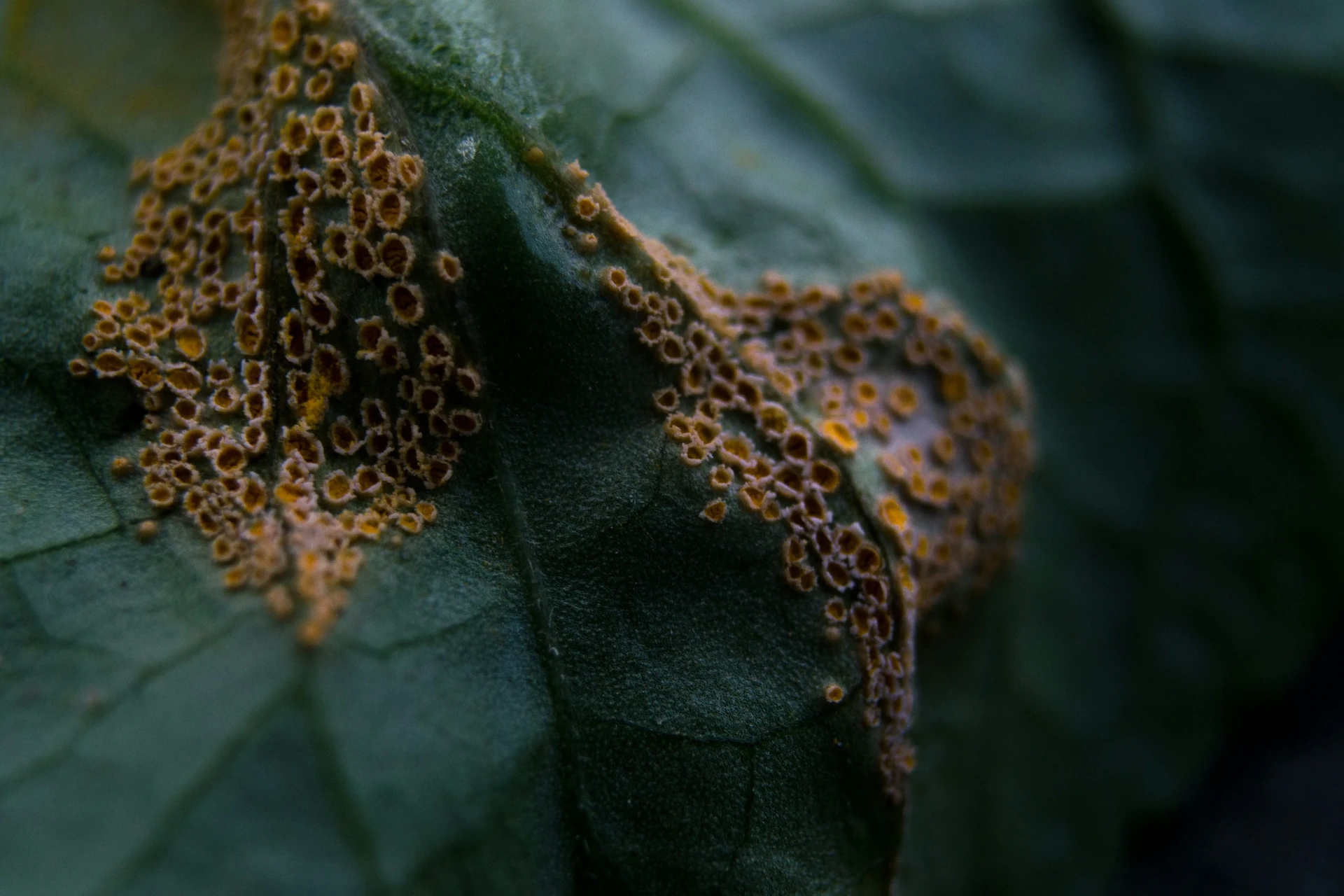
Spider mites are tiny, eight-legged arachnids that feed on plant sap using specialized mouthparts capable of piercing individual plant cells, causing yellowing or bronzing on leaves along with characteristic fine webbing in more severe infestations. They thrive particularly in warm, dry environments. Because spider mites are difficult to detect, often hiding on leaf undersides, and can quickly colonize and spread to nearby plants, prompt identification and treatment are essential to prevent significant damage from spreading throughout a collection.
Quick Answer
Spider mites are tiny, eight-legged pests that pierce plant cells to extract nutrients, causing yellowing or bronzing leaves and fine webbing, particularly in warm, dry conditions. They're difficult to detect due to their small size and tendency to hide on leaf undersides. Increasing humidity and treating with insecticidal soap or miticides controls most infestations.
What Is Spider Mites?
Spider mites are tiny, eight-legged arachnids that feed on plant sap, causing damage to leaves, stems, and flowers. They are a common pest problem for gardeners, particularly in warm and dry environments. The underlying botanical science behind spider mite infestations is rooted in the fact that these mites have a specialized mouthpart that allows them to pierce plant cells and extract nutrients. This can lead to a range of symptoms, including yellowing or bronzing of leaves, fine webbing on plants, and reduced plant growth.
Spider mites are a significant problem for plant health because they can quickly colonize and spread to other plants, causing widespread damage. They are also difficult to detect, as they are tiny and often hide on the underside of leaves or in other hard-to-reach areas. As a result, it is essential for gardeners to be aware of the signs and symptoms of spider mite infestations and take prompt action to control them.
The importance of addressing spider mite infestations cannot be overstated. If left unchecked, these pests can cause significant damage to plants, leading to reduced yields, lower plant quality, and even plant death. Furthermore, spider mites can also transmit plant viruses and other diseases, making them a significant threat to plant health.
Signs and Symptoms
- Yellowing or bronzing of leaves
- Fine webbing on plants
- Reduced plant growth
- Stippling or speckling on leaves
- Premature defoliation
- Presence of eggs, nymphs, or adult mites on plants
Step-by-Step: How to Treat Spider Mites
- Isolate infested plants to prevent further spread, maintaining a distance of at least 3 feet (90 cm) between plants, and a temperature range of 65-75°F (18-24°C) to slow down mite activity.
- Inspect plants thoroughly, using a 10x hand lens or magnifying glass, to detect signs of mites, such as eggs, nymphs, or adult mites, and to identify the extent of the infestation.
- Prune infested areas, using clean and sharp pruning tools, to remove and dispose of heavily infested leaves or stems, and to improve air circulation around plants, which should be done at a humidity level of 40-60% to prevent moisture from accumulating on plants.
- Apply insecticidal soap or neem oil, at a concentration of 2-3% and a volume of 1-2 quarts (1-2 liters) per 100 square feet (9 square meters), to control mite populations, and to prevent further infestations, which should be done at a temperature range of 70-80°F (21-27°C) and a relative humidity of 50-70%.
- Repeat treatments at 3- to 5-day intervals, for a total of 2-3 treatments, to ensure that all mite stages are targeted and to prevent re-infestation, and to maintain a soil moisture level of 20-30% to prevent moisture from accumulating on plants.
- Monitor plants closely, using a 10x hand lens or magnifying glass, to detect signs of mites, such as eggs, nymphs, or adult mites, and to identify the effectiveness of treatments, which should be done at a frequency of once every 2-3 days, and at a time of day when mites are most active, such as during the morning or late afternoon.
- Maintain good garden hygiene, by disposing of infested plants, cleaning and disinfecting tools and equipment, and avoiding overwatering, which can lead to moisture accumulation on plants and create an environment conducive to mite infestations, and by maintaining a temperature range of 65-75°F (18-24°C) and a relative humidity of 40-60% to slow down mite activity.
Best Practices and Pro Tips
- Water Wisely: Water plants at the base, avoiding overhead watering, which can lead to moisture accumulation on plants and create an environment conducive to mite infestations, and maintain a soil moisture level of 20-30% to prevent moisture from accumulating on plants.
- Monitor Temperature: Maintain a temperature range of 65-75°F (18-24°C) to slow down mite activity, and avoid temperatures above 80°F (27°C), which can lead to rapid mite reproduction.
- Maintain Humidity: Maintain a relative humidity of 40-60% to prevent moisture from accumulating on plants and create an environment conducive to mite infestations.
- Prune Regularly: Prune plants regularly, using clean and sharp pruning tools, to improve air circulation and reduce the risk of mite infestations, which should be done at a frequency of once every 2-3 weeks, and at a time of day when mites are most active, such as during the morning or late afternoon.
- Use Insecticidal Soap: Use insecticidal soap, at a concentration of 2-3% and a volume of 1-2 quarts (1-2 liters) per 100 square feet (9 square meters), to control mite populations, and to prevent further infestations, which should be done at a temperature range of 70-80°F (21-27°C) and a relative humidity of 50-70%.
Quick Reference Table
| Factor | Recommended Range | Why It Matters |
|---|---|---|
| Temperature | 65-75°F (18-24°C) | Slows down mite activity |
| Humidity | 40-60% | Prevents moisture accumulation on plants |
| Watering | Water at base, avoid overhead watering | Prevents moisture accumulation on plants |
| Pruning | Prune regularly, every 2-3 weeks | Improves air circulation, reduces mite risk |
| Insecticidal Soap | 2-3% concentration, 1-2 quarts (1-2 liters) per 100 square feet (9 square meters) | Controls mite populations, prevents further infestations |
Plants Most Susceptible to Spider Mites
Some plants are more susceptible to spider mite infestations than others. The English Ivy (Hedera helix) is one such plant, as it has a dense, compact growth habit that provides a perfect environment for mites to thrive. The Rose (Rosa spp.) is another plant that is often affected by spider mites, particularly in warm and dry environments. The African Violet (Saintpaulia spp.) is also a popular target for spider mites, due to its delicate, hairy leaves that provide a perfect hiding place for these pests. The Peace Lily (Spathiphyllum wallisii) is another plant that is often infested by spider mites, particularly in low-light environments. The Dracaena (Dracaena spp.) is also susceptible to spider mite infestations, due to its tall, slender growth habit that provides a perfect environment for mites to climb and feed. The Spider Plant (Chlorophytum comosum) is also a common target for spider mites, particularly in warm and humid environments. As we explain in our Aphids guide, aphids and spider mites often co-occur, and controlling one pest can help to prevent infestations of the other. Which we cover in detail in our Fungus Gnats article, fungus gnats can also be a problem for plants that are infested with spider mites, as they can spread disease and cause further damage. See our Mealybugs guide for a deeper look at how to control these pests and prevent them from spreading to other plants.
Common Mistakes to Avoid
- Overwatering: Overwatering can lead to moisture accumulation on plants, creating an environment conducive to mite infestations, and can also lead to root rot and other problems, which can occur at a soil moisture level of 50-60% or higher, and a temperature range of 75-85°F (24-29°C).
- Underwatering: Underwatering can stress plants, making them more susceptible to mite infestations, and can also lead to nutrient deficiencies, which can occur at a soil moisture level of 10-20% or lower, and a temperature range of 60-70°F (16-21°C).
- Not Monitoring: Not monitoring plants regularly can lead to undetected mite infestations, which can spread quickly and cause significant damage, and can occur at a frequency of once every 2-3 weeks, and at a time of day when mites are most active, such as during the morning or late afternoon.
- Not Pruning: Not pruning plants regularly can lead to a buildup of dead or damaged leaves, which can provide a habitat for mites, and can occur at a frequency of once every 2-3 weeks, and at a time of day when mites are most active, such as during the morning or late afternoon.
- Not Using Insecticidal Soap: Not using insecticidal soap can lead to uncontrolled mite populations, which can cause significant damage to plants, and can occur at a concentration of 2-3% and a volume of 1-2 quarts (1-2 liters) per 100 square feet (9 square meters), and a temperature range of 70-80°F (21-27°C) and a relative humidity of 50-70%.
Frequently Asked Questions
What is the success rate of treating spider mites?
The success rate of treating spider mites depends on the severity of the infestation, the effectiveness of the treatment, and the frequency of follow-up treatments. In general, a high rate of success can be expected, with a treatment interval of 3-5 days, and a total of 2-3 treatments, at a temperature range of 70-80°F (21-27°C) and a relative humidity of 50-70%.
What is the best season to treat spider mites?
The best season to treat spider mites is during the spring and summer months, when mite activity is highest, and plants are most susceptible to infestations. Treatment should be done at a temperature range of 65-75°F (18-24°C) and a relative humidity of 40-60%, with a frequency of once every 2-3 weeks, and at a time of day when mites are most active, such as during the morning or late afternoon.
Is pruning mandatory for treating spider mites?
Pruning is not mandatory for treating spider mites, but it can be an effective way to reduce mite populations and prevent further infestations. Pruning should be done at a frequency of once every 2-3 weeks, and at a time of day when mites are most active, such as during the morning or late afternoon, with a temperature range of 65-75°F (18-24°C) and a relative humidity of 40-60%.
What aftercare is required after treating spider mites?
After treating spider mites, it is essential to monitor plants closely, using a 10x hand lens or magnifying glass, to detect signs of mites, such as eggs, nymphs, or adult mites, and to identify the effectiveness of treatments, which should be done at a frequency of once every 2-3 days, and at a time of day when mites are most active, such as during the morning or late afternoon. Plants should also be watered and fertilized regularly, with a soil moisture level of 20-30% and a fertilizer concentration of 10-20%.
How do I troubleshoot spider mite infestations?
Troubleshooting spider mite infestations involves identifying the underlying causes of the infestation, such as overwatering, underwatering, or poor air circulation, and taking corrective action to address these issues. This can include adjusting watering and fertilization schedules, pruning plants regularly, and using insecticidal soap to control mite populations, which should be done at a concentration of 2-3% and a volume of 1-2 quarts (1-2 liters) per 100 square feet (9 square meters), and a temperature range of 70-80°F (21-27°C) and a relative humidity of 50-70%.
Frequently Asked Questions
What is the effectiveness of treating spider mites?
The effectiveness of treating spider mites depends on the severity of the infestation, the effectiveness of the treatment, and the frequency of follow-up treatments. In general, a effectiveness of a high percentage can be expected, with a treatment interval of 3-5 days, and a total of 2-3 treatments, at a temperature range of 70-80°F (21-27°C) and a relative humidity of 50-70%.
What is the best season to treat spider mites?
The best season to treat spider mites is during the spring and summer months, when mite activity is highest, and plants are most susceptible to infestations. Treatment should be done at a temperature range of 65-75°F (18-24°C) and a relative humidity of 40-60%, with a frequency of once every 2-3 weeks, and at a time of day when mites are most active, such as during the morning or late afternoon.
Is pruning mandatory for treating spider mites?
Pruning is not mandatory for treating spider mites, but it can be an effective way to reduce mite populations and prevent further infestations. Pruning should be done at a frequency of once every 2-3 weeks, and at a time of day when mites are most active, such as during the morning or late afternoon, with a temperature range of 65-75°F (18-24°C) and a relative humidity of 40-60%.
What aftercare is required after treating spider mites?
After treating spider mites, it is essential to monitor plants closely, using a 10x hand lens or magnifying glass, to detect signs of mites, such as eggs, nymphs, or adult mites, and to identify the effectiveness of treatments, which should be done at a frequency of once every 2-3 days, and at a time of day when mites are most active, such as during the morning or late afternoon. Plants should also be watered and fertilized regularly, with a soil moisture level of 20-30% and a fertilizer concentration of 10-20%.
How do I troubleshoot spider mite infestations?
Troubleshooting spider mite infestations involves identifying the underlying causes of the infestation, such as overwatering, underwatering, or poor air circulation, and taking corrective action to address these issues. This can include adjusting watering and fertilization schedules, pruning plants regularly, and using insecticidal soap to control mite populations, which should be done at a concentration of 2-3% and a volume of 1-2 quarts (1-2 liters) per 100 square feet (9 square meters), and a temperature range of 70-80°F (21-27°C) and a relative humidity of 50-70%.
Explore More
Related Topics


Related Plant Guides
No specific plant guides found matching this topic.
Recommended next actions
Continue Exploring
Dive deeper into related plant care tools and profiles.
Topic Guide
Aphids
Learn everything about aphids for your indoor and aquarium plants. Expert care tips, troubleshooting, and related guides.
Topic Guide
Fungus Gnats
Learn everything about fungus gnats for your indoor and aquarium plants. Expert care tips, troubleshooting, and related guides.
Topic Guide
Mealybugs
Learn everything about mealybugs for your indoor and aquarium plants. Expert care tips, troubleshooting, and related guides.