Is It Mold or Spider Mites? How to Tell the Difference on Houseplant Leaves
I’ve answered ‘Is this mold or spider mites?’ countless times this week. The confusion is real: both look white and fluffy, but one needs airflow and dryness, the other needs humidity and neem. Get it wrong, and you make it worse. Here’s the foolproof ID key.
Quick Answer
Mold on houseplant leaves is static, powdery or cottony, and appears in patches — often on the soil surface or along leaf veins. It rubs off easily and doesn't move. Spider mites create fine, silk-like webbing, and tapping a leaf over white paper reveals tiny moving specks. For mold, scrape off the affected area and increase airflow. For spider mites, isolate the plant, wipe leaves with alcohol, and apply neem oil.
Key Takeaways
- Identify spider mites by fine silk webbing and tiny moving specks on leaf undersides.
- Recognize mold as static, powdery or fuzzy white patches on soil or foliage.
- Treat spider mites with insecticidal soap or neem oil and increase humidity.
- Scrape off soil mold, reduce watering, and enhance room airflow.
A white patch on your plant sends most people straight to the insecticide shelf—but if it’s simply saprophytic mold feeding on dust, you’re about to drench leaves in unnecessary oil and stress an already weakened plant. Conversely, mistaking spider mite webbing for a little harmless fuzz leaves a destructive pest free to multiply in the dry summer air. The diagnostic difference is in the texture, location, and movement. After resolving this confusion for hundreds of clients, I’ve developed a simple three‑step test that takes 30 seconds and could save your plant from the wrong treatment.
The Visual Identification Key
What does mold look like on houseplant leaves?
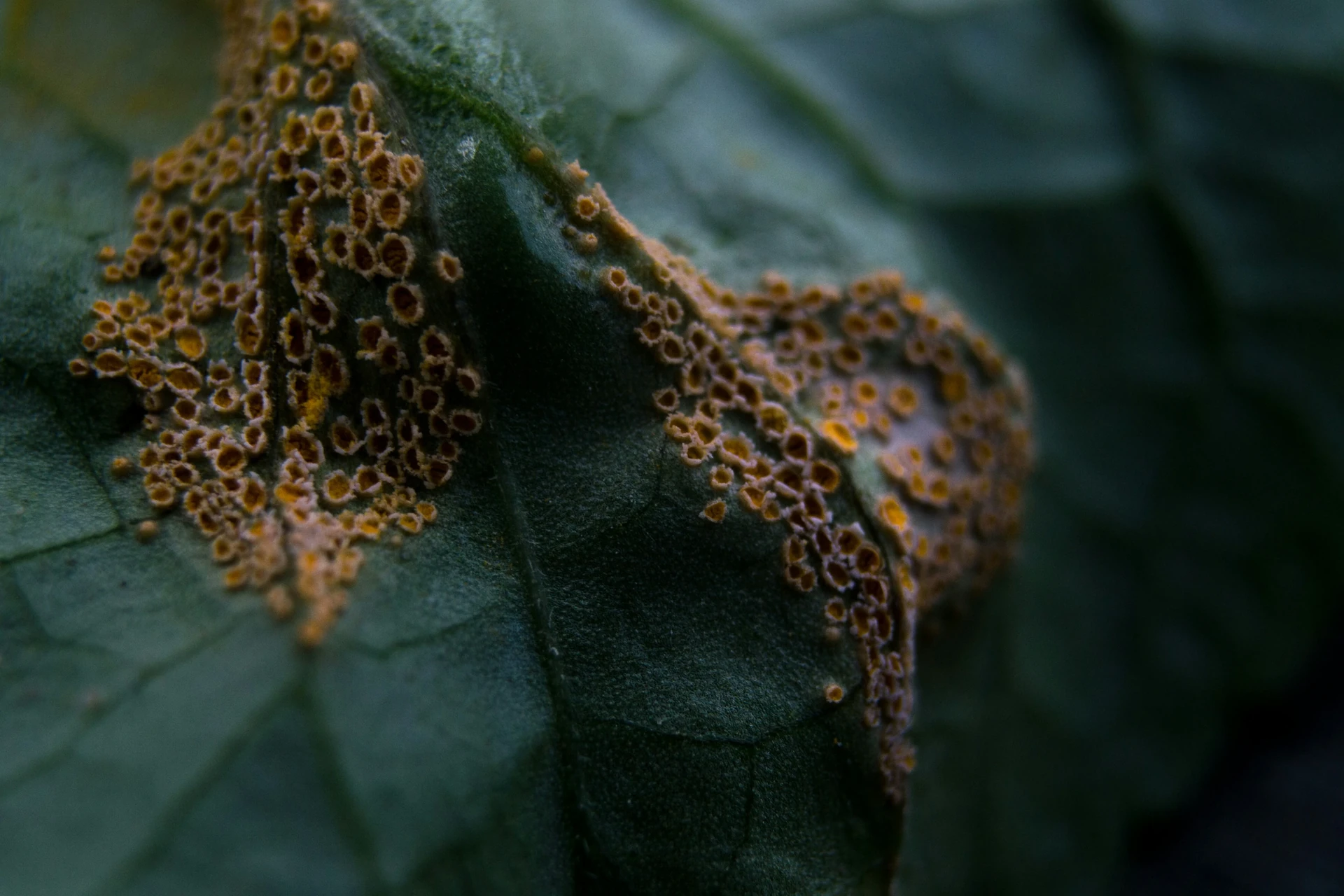
Mold on foliage appears as a flat, powdery white or grey coating—like a dusting of flour—often on the top surface of older leaves where dust collects and humidity is high. In the soil, it forms a cottony white mycelium that sits loosely on top of the potting mix, particularly where organic matter is decomposing. It has no structure: no webbing, no egg sacs. If you touch it, it smears or wipes off completely. Mold doesn’t harm the plant directly but indicates excessive moisture and poor air circulation. The fix: scrape off the mold, let the soil surface dry completely, and improve airflow with a small fan. For a plant like Calathea, which naturally requires high humidity, this balance is tricky; our Calathea orbifolia care guide shows how to keep humidity up without creating mold conditions. If the mold is on the soil only, top‑dress with a 1 cm (0.5 in) layer of coarse sand to create a dry barrier.
What do spider mites look like and how do they damage plants?
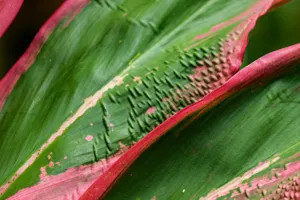
Spider mites are nearly invisible to the naked eye, but their hallmark is a fine, silk‑like webbing stretched between leaf ribs, along the stem, and under the leaf. Unlike mold, the web feels strong and elastic if you pull at it with a toothpick. The mites themselves—tiny red, brown, or translucent dots—can be seen moving slowly if you tap the leaf over a white sheet of paper. Their feeding causes a stippled, silvery‑bronze pattern on the leaf surface, not just a coating. As the infestation advances, leaves yellow, curl, and drop. Mites thrive in hot, dry air (below 40% humidity), so a centrally heated or air‑conditioned apartment is paradise for them. Immediately isolate the plant and treat with a neem oil spray (5 ml neem, 2 ml soap, 1 liter (approx. 1 quart) water) every 5–7 days for 3 weeks. A detailed spray schedule and alternative biological controls are in our spider mites guide. Raising the room humidity to 50–60% with a humidifier greatly slows their reproduction.
Side‑by‑Side Comparison Table
| Characteristic | Mold (Saprophytic or Powdery) | Spider Mites |
|---|---|---|
| Texture | Powdery, cottony, smears easily | Fine silk webbing, elastic, doesn't smear |
| Location | Top of leaves, soil surface, leaf veins | Underside of leaves, between stem and leaf, in leaf axils |
| Movement | Static; no moving parts | Tiny dots move when disturbed; tap test reveals specks |
| Leaf damage | Usually none; may cause yellowing if thick | Stippled, silvery patches, leaf curl, eventual leaf drop |
| Environmental trigger | High humidity, poor air circulation, overwatering | Low humidity (below 40%), hot, dry air |
| Treatment | Remove manually, increase airflow, dry soil | Alcohol wipe, neem oil spray, raise humidity |
Treating Dual Outbreaks
How do I treat mold vs spider mites on the same plant?
If both are present, address the mites first, as they cause active damage. Remove the mold manually by wiping leaves with a dry paper towel. Then, apply the neem oil treatment for mites; neem also has antifungal properties that will suppress the remaining mold spores. After the mites are under control, focus on environmental adjustments: increase airflow around the plant (a gentle fan on low), allow the top 2–3 cm (1 in) of soil to dry out, and if mold persists on the soil, repot with a fresh, well‑draining mix. Do not increase humidity during the mite treatment—wait until the mites are gone, then gradually raise humidity to prevent their return while balancing against mold risk. The Watering Calculator can help you avoid overwatering, which feeds both mold and the stress that attracts mites. Use the Sunlight Calculator to ensure the plant is getting enough light (200–400 fc) to stay robust enough to fend off secondary issues.
Recommended next actions
Next Best Actions
Move from reading to action with related calculators, plant profiles, and quiz-based recommendations.
Topic Guide
Watering
Learn everything about watering for your indoor and aquarium plants. Expert care tips, troubleshooting, and related guides.
Guide
Calathea Orbifolia Care: Tips for Big Striped Leaves
After cultivating over 50 Calatheas and maintaining high-humidity greenhouse environments for 5 years, we have mastered the art of keeping Calathea Orbifolia thriving indoors without brown edges.
Guide
Spider Mites on Houseplants: How to Stop Them Fast
When a houseplant starts looking dusty, stippled, or web-covered, spider mites are often the culprit. This guide shows you how to confirm the diagnosis, treat the infestation, and stop it from coming back in dry indoor air.
Frequently Asked Questions
What does mold look like on houseplant leaves?
What do spider mites look like and how do they damage plants?
How do I treat mold vs spider mites on the same plant?
Explore More