Stromanthe Triostar Care: Fix Brown Edges on Your Pink Prayer Plant
The Stromanthe Triostar is a show-stopping splash of pink, but it requires serious dedication. We detail the exact watering and humidity protocols needed to keep this exotic prayer plant from crisping up.
-
Difficulty
advanced
-
Light
Requires bright indirect light to maintain its vibrant pink, white, and green variegation. Direct sun will burn the leaves and fade the colors.
-
Temperature
65°F - 80°F (18°C - 27°C)
-
Growth
moderate
-
Humidity
60% - 80%
-
pH range
6.0 - 6.5
-
Biggest Owner Mistake
Using tap water—the pink variegated sections are even more sensitive than the green areas to chlorine and fluoride, and a single watering with tap water causes the leaf margins on those sections to brown immediately and permanently. Distilled or rainwater is the only reliable option.
-
What Nobody Tells You
Like its prayer plant relatives, the leaves fold upward at night and flatten by day—and when this movement stops during daylight hours, it's an early-warning indicator of stress from humidity, water quality, or temperature before any visible browning or wilting appears.
-
Real Home Conditions
In dry air, leaf edges brown and curl within days and the pink sections fade because those areas have the least structural protection against moisture loss. Humidity above 60% is genuinely necessary for this plant to look pristine, making a bathroom the most practical location.
Quick Answer
The Stromanthe Triostar requires high humidity, consistently moist soil, and bright, indirect light. You must use distilled or rainwater, as tap water will cause the leaves to develop brown, crispy edges. We recommend observing the plant closely over a few weeks to ensure it adjusts well to its environment.
Key Takeaways
- Provide bright indirect light to maintain vivid pink and white variegation.
- Maintain high humidity to prevent curling and crispy leaf edges.
- Keep soil consistently moist at all times without letting it become waterlogged.
- Use filtered or distilled water to avoid mineral spotting on leaves.
Overview
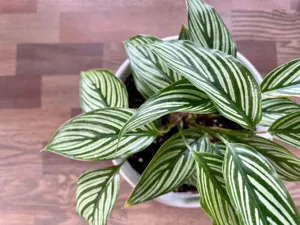
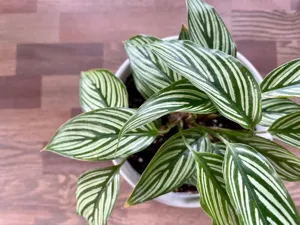
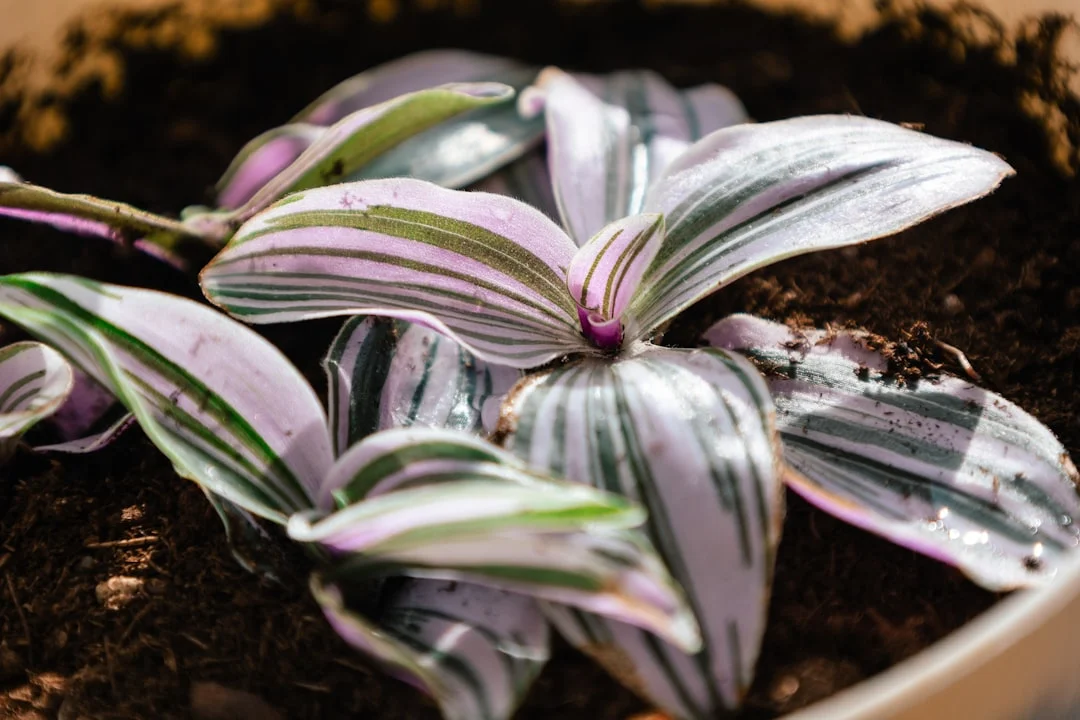
The Stromanthe Triostar is undeniably one of the most stunning houseplants available, boasting long, pointed leaves splashed with vibrant shades of pink, cream, and green on top, with a solid, striking magenta underside. However, like its close cousins the Calatheas, it is a "prayer plant" with a reputation for being finicky and demanding. The most common heartbreak for Triostar owners is watching the magnificent leaves develop brown, crispy edges. This guide will walk you through the strict environmental controls—specifically regarding humidity and water quality—required to keep this tropical diva flourishing.
Native to the hot, humid rainforest floors of Brazil, the Stromanthe evolved under the canopy of larger trees. It is accustomed to constant, high humidity, filtered light, and soil that is always damp from pure, chemical-free rain. When we bring it into a modern home, we are fighting against our own climate-control systems. To succeed with a Triostar, you must commit to replicating the rainforest floor in your living room.
Light
To maintain the vivid pink and white variegation, the Triostar requires bright, indirect light. An east-facing window is ideal, providing gentle morning sun. If placed in a room that is too dark, the plant will stop producing the white and pink sections, reverting to solid green to maximize photosynthesis. Conversely, direct, harsh afternoon sun will rapidly scorch the delicate foliage and bleach the colors.
Temperature
This is a true tropical plant that despises cold and drafts. It thrives in temperatures between 65°F and 80°F (18°C - 27°C). A sudden drop in temperature, such as being placed next to a drafty winter window or an AC unit in the summer, will shock the plant, causing the leaves to curl and drop. Keep the temperature stable and warm.
Humidity
Humidity is non-negotiable. The Triostar demands high humidity (60% to 80%). In the dry air of a typical centrally-heated home (which often drops to 30%), the large leaves transpire (lose water) faster than the roots can absorb it, leading directly to brown, crispy edges. You must use a room humidifier. Misting is ineffective for raising ambient humidity long-term and can invite fungal issues.
Watering and Water Quality
Like all Marantaceae, the Triostar is incredibly sensitive to the chlorine, chloramine, and fluoride found in municipal tap water. Using tap water is a primary cause of chemical burns on the leaf tips. You must water your Stromanthe with distilled water, rainwater, or reverse osmosis water. For watering frequency, aim for consistently moist soil. Never let the pot dry out completely, but never let it sit in a saucer of standing water (which causes root rot). Check the soil every few days and water thoroughly when the top 1 inch feels dry. If the leaves begin to tightly curl inward into tubes, the plant is desperately thirsty.
Soil
The ideal soil mix retains moisture but drains quickly so the roots can breathe. A standard indoor potting mix amended with 30% perlite and a handful of orchid bark or coco coir will create the perfect, airy, moisture-retentive environment.
Fertilizer
Because they are so sensitive to mineral salts, you must fertilize cautiously. Over-fertilizing will burn the roots and crisp the leaves. Apply a balanced liquid houseplant fertilizer diluted to one-quarter strength once a month during the active growing season (spring and summer). Flush the soil with pure distilled water every few months to wash away any accumulated salts.
Propagation
You cannot propagate a Stromanthe from a leaf or stem cutting. It must be propagated by division. The best time to do this is in the spring. Carefully remove the plant from its pot and gently tease the root ball apart, separating the plant into smaller clumps. Ensure that each new division has a healthy portion of the root system and at least 2 or 3 leafy stems attached.
Repotting
Stromanthe plants do not like having their roots disturbed and generally only need repotting every 1 to 2 years, or when the roots are severely circling the bottom of the pot. When repotting, only go up one pot size (1 to 2 inches wider in diameter). A pot that is too large will hold too much wet soil, leading to root rot.
Toxicity
A major bonus of the Stromanthe Triostar is that it is completely non-toxic to cats, dogs, and humans. It is a safe and spectacular addition to any pet-friendly home.
Common Problems
Brown, crispy leaf edges are the most common issue, caused by low humidity or tap water usage. If the edges are brown, you can carefully trim them away with sterilized scissors, following the natural curve of the leaf. Yellowing lower leaves indicate overwatering. Finally, if the indoor air is too hot and dry, the plant becomes highly susceptible to spider mites. Check the undersides of the leaves regularly for tiny webbing; if found, wash the plant and treat with neem oil.
Calculator
Interactive Calculators for Stromanthe Triostar
Recommended next actions
Next Best Actions
Use calculators and guides to turn this plant profile into a practical care routine.
Topic Guide
Humidity
Learn everything about humidity for your indoor and aquarium plants. Expert care tips, troubleshooting, and related guides.
Plant Guide
Calathea Ornata
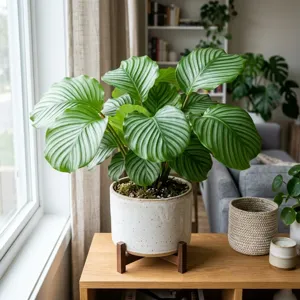
The Calathea ornata is notoriously dramatic, but after nursing dozens of them through dry winters, we have perfected the exact humidity and water-filtration protocols required to keep those pink pinstripes flawless.
Guide
Tap Water vs Filtered Water for Houseplants: Which Is Better?
Most houseplants tolerate tap water without issue — but a specific group of fluoride-sensitive and mineral-sensitive plants develop brown leaf tips from ordinary municipal water. This guide compares tap water vs filtered water, identifies which plants are actually at risk, and gives you the cheapest effective fix for each scenario.
Topic Guide
Spider Mites
Learn everything about spider mites for your indoor and aquarium plants. Expert care tips, troubleshooting, and related guides.
Structured Plant Data
Plant Data Profile
The following data is extracted directly from our botanical knowledge graph for accuracy and transparency.
Growth Characteristics
Growth Rate
moderate
Mature Height
2-3 feet indoors
Mature Spread
2-3 feet
Life Cycle
Perennial
Flowering Season
Spring indoors (small reddish-pink bracts)
Container Friendly
yes
Indoor Capable
yes
Environmental Parameters
| Parameter | Recommended | Survivable |
|---|---|---|
| Temperature | 65°F - 80°F (18°C - 27°C) | 60°F - 85°F (15°C - 29°C) |
| Humidity | 60% - 80% | 50% - 90% |
| Soil PH | 6.0 - 6.5 | 5.5 - 7.0 |
Lighting
Description
Requires bright indirect light to maintain its vibrant pink, white, and green variegation. Direct sun will burn the leaves and fade the colors.
Nutrients
Nitrogen Demand
moderate
Phosphate Demand
low
Potassium Demand
moderate
Micronutrient Notes
Very sensitive to fertilizer burn. Dilute heavily.
Fertilizer Frequency
Once a month during spring and summer at quarter strength.
Organic Options
Worm castings or diluted kelp extract.
Relationships
-
Spider Mites
Vulnerability | Strength 8
Prone to spider mites if the indoor air becomes too hot and dry.
Prayer Plant Family Comparison
| Plant | Leaf Pattern | Care Difficulty |
|---|---|---|
| Stromanthe Triostar | Long, pointed, pink/white/green splashes | Advanced |
| Calathea Ornata | Large, dark green with thin pink pinstripes | Advanced |
| Maranta leuconeura | Oval, light green with red veins | Intermediate |
Troubleshooting & Diagnostics Guide
1 Edges of the leaves are turning brown and crispy
Diagnosis: Low humidity (dry air) or chemical burn from using municipal tap water.
Treatment: Switch to watering exclusively with distilled or rainwater, and run a humidifier near the plant.
Prevention: Maintain optimal care conditions.
Authoritative Resources
For additional peer-reviewed information on plant diseases, toxicity, and care, consult these trusted botanical and agricultural extensions:
Glossary of Terms
- Nyctinasty
- The circadian rhythmic movement of plants in response to the onset of darkness. Prayer plants fold their leaves upright at night, showing off their magenta undersides.
- Variegation
- The appearance of differently colored zones in the leaves, and sometimes the stems, of plants. In the Triostar, this is the pink and white striping.
Frequently Asked Questions
Why are the edges of my Stromanthe Triostar turning brown?
Is Stromanthe Triostar a Calathea?
Why did my Stromanthe lose its pink color?
Is the Stromanthe Triostar safe for cats?
How often should I water my Stromanthe?
Why are the leaves on my Triostar curling inward?
How do I propagate a Stromanthe Triostar?
Can I put my Stromanthe in the bathroom?
Sources & References
-
Source: powo.science.kew.org
-
Source: missouribotanicalgarden.org
-
Source: plants.ces.ncsu.edu
-
Source: edis.ifas.ufl.edu
-
Source: worldfloraonline.org
Explore More