English Ivy Care: Prevent Spider Mites & Keep Vines Lush
After rescuing countless English Ivies from the brink of spider-mite destruction in dry, centrally heated homes, we've developed the essential cooling and humidity protocols to keep them lush indoors.
-
Difficulty
intermediate
-
Light
Requires bright, indirect light. Variegated varieties need more light than solid green varieties to maintain their color.
-
Temperature
50°F - 70°F (10°C - 21°C)
-
Growth
fast
-
Humidity
50% - 70%
-
pH range
6.0 - 6.5
-
Biggest Owner Mistake
Keeping the soil too moist, which combines with the warm, still air of most homes to create the perfect conditions for both root rot and spider mite infestations simultaneously. Let the top inch dry out—English ivy actually prefers slightly dry conditions indoors.
-
What Nobody Tells You
Indoors it almost never reaches the mature leaf stage—it remains in its juvenile climbing form indefinitely, with the classic deeply-lobed dramatic leaf shapes only appearing after many years of growth outdoors. What you see in the shop is essentially what you'll always have indoors.
-
Real Home Conditions
In warm, dry rooms above 70°F, spider mite populations explode within weeks because the conditions mimic summer drought—which is the mites' preferred environment. Cool temperatures between 60–70°F and higher humidity are the best natural deterrent.
Quick Answer
English Ivy requires bright, indirect light, cool temperatures, and constantly moist (but not soggy) soil. High humidity is absolutely essential to prevent the severe spider mite infestations this plant is especially prone to. Monitoring the plant regularly helps catch early signs of stress before they cause any lasting damage.
Key Takeaways
- Provide bright, indirect sunlight to maintain dense growth and variegation.
- Allow the top inch of soil to dry out between thorough waterings.
- Maintain cool room temperatures (50–70°F) and moderate humidity.
- Rinse foliage regularly with water to prevent spider mite infestations.
Overview
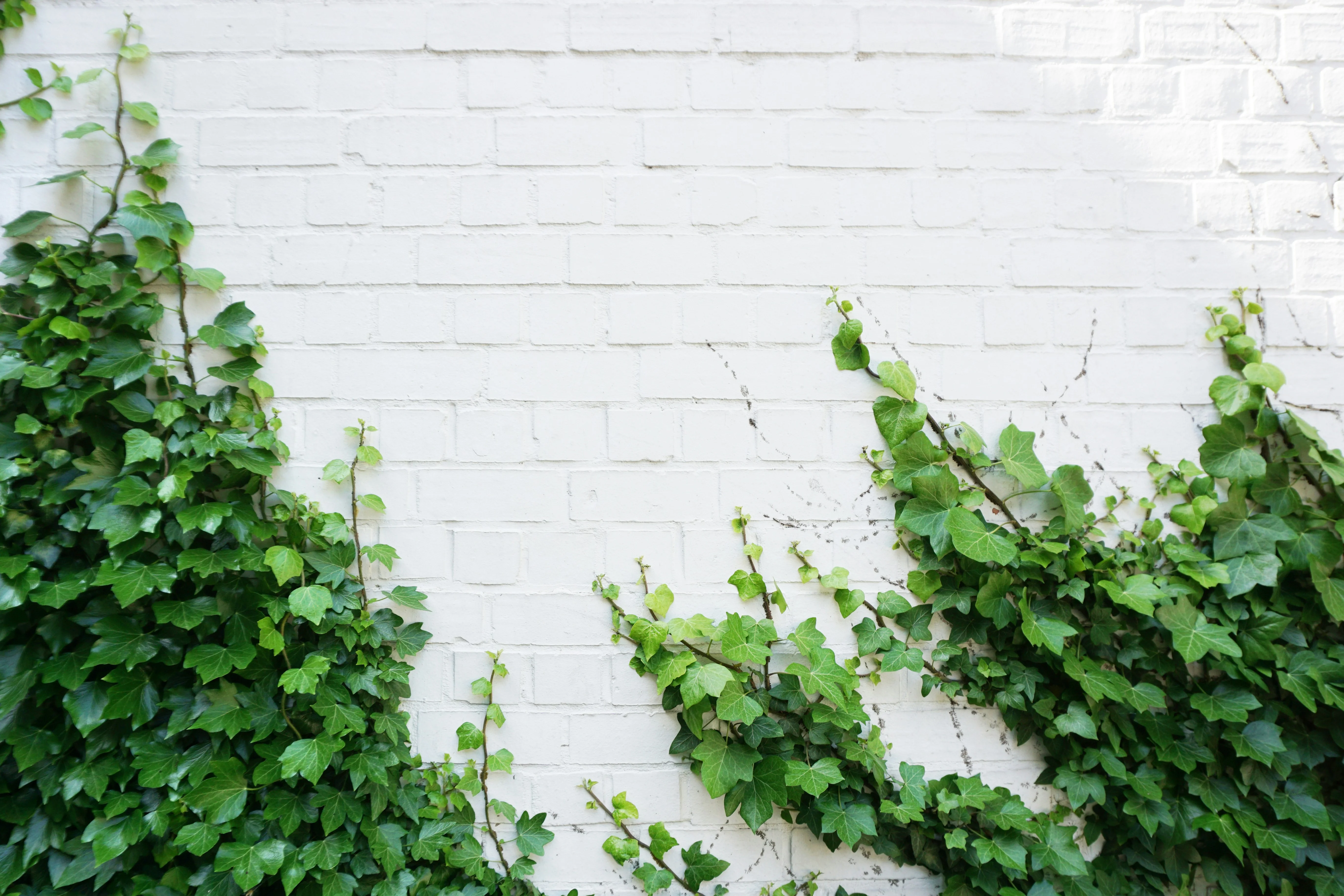
English Ivy (Hedera helix) is a classic, romantic trailing plant that looks stunning cascading from a bookshelf or hanging basket. However, it has a notorious reputation for being difficult to keep alive indoors. The most common frustration growers experience is watching the leaves suddenly turn crispy, covered in fine webbing, and dropping rapidly. This guide will teach you the fundamental difference between its native outdoor habitat and your living room, focusing on the crucial temperature and humidity adjustments needed to prevent the dreaded spider mite invasion.
Native to the cool, moist woodlands of Europe, English Ivy evolved to thrive in temperate climates. It is an incredibly vigorous grower outdoors, often considered invasive. The problem arises when we bring it into a modern, climate-controlled home. Our houses, particularly in winter, are significantly warmer and drier than an English forest. This hot, dry air stresses the plant and creates the absolute perfect breeding ground for spider mites, which will decimate an ivy in a matter of weeks.
Light
English Ivy requires bright, indirect light to thrive indoors. An east-facing window is ideal. If you have a variegated variety (leaves with white or yellow patterns), it will need more light than a solid green variety; if placed in too much shade, it will revert to solid green. However, avoid harsh, direct afternoon sun, which will bleach and scorch the delicate leaves.
Temperature
This is where most growers fail. English Ivy strongly prefers cool temperatures, ideally between 50°F and 70°F (10°C - 21°C). It actively dislikes the hot, stuffy air of a typical centrally-heated home in the winter. You must keep it far away from radiators, heating vents, and fireplaces. If possible, place it in the coolest room of your house, such as a drafty hallway or a lightly heated sunroom.
Humidity
High humidity is non-negotiable for indoor ivy. If the air drops below 40% humidity, spider mites are almost guaranteed. To keep the plant healthy, aim for 50% to 70% humidity. Grouping it with other plants, placing it on a pebble tray, or using a room humidifier are the best strategies. Misting is generally ineffective for raising long-term humidity and can invite fungal diseases if the water pools on the leaves.
Watering
English Ivy likes its soil to be consistently and evenly moist, but never soggy. Allow the top 1 inch of the potting mix to dry out before watering again. When you do water, soak the soil thoroughly until water runs out the drainage holes, but empty the saucer immediately. If the roots sit in standing water, they will quickly rot, causing the leaves to turn brown and drop—a symptom that is confusingly similar to underwatering.
Soil
A standard, high-quality indoor potting mix is generally fine, provided it drains well. You can amend a standard peat-based mix with a handful of perlite to ensure excess water can drain away freely. Heavy, compacted soils will suffocate the root system.
Fertilizer
Because it is a fast grower, English Ivy is a relatively heavy feeder during the active growing season. Apply a balanced liquid houseplant fertilizer diluted to half strength every two weeks from spring through late summer. Stop fertilizing completely in the fall and winter when the plant's growth naturally slows down.
Propagation
Propagating English Ivy is incredibly simple. Take a 4 to 5-inch cutting from the end of a healthy vine, making sure the cut is just below a node (where the leaf meets the stem). Remove the lowest leaves and place the stem in a glass of water. Roots should begin to form within two weeks. Once the roots are an inch long, pot the cutting in soil. To create a full, bushy plant, pot multiple cuttings together in the same container.
Repotting
English Ivy is a vigorous grower and will likely need repotting every one to two years. You will know it is time when the roots begin circling the bottom of the pot or growing out of the drainage holes. When repotting, only increase the pot size by one to two inches in diameter. A pot that is too large will hold excess wet soil, leading to root rot.
Toxicity
English Ivy is toxic to cats, dogs, and humans if ingested. It contains triterpenoid saponins that can cause vomiting, abdominal pain, and diarrhea. Additionally, the sap from the plant can cause contact dermatitis (skin irritation and blistering) in sensitive individuals. Always wear gloves when pruning and keep the plant out of reach of pets and small children.
Common Problems
Spider mites are the number one killer of indoor ivy. They look like tiny dust particles on the undersides of the leaves and spin fine, silk-like webbing. If infested, you must immediately isolate the plant, wash it vigorously in the shower to dislodge the mites, and treat it thoroughly with insecticidal soap or neem oil. Repeat the treatment weekly until the pests are gone. Crispy, brown leaves are a sign of severe underwatering or excessively hot, dry air. Yellowing leaves that drop easily are usually a sign of overwatering and root rot.
Recommended next actions
Next Best Actions
Use calculators and guides to turn this plant profile into a practical care routine.
Topic Guide
Humidity
Learn everything about humidity for your indoor and aquarium plants. Expert care tips, troubleshooting, and related guides.
Guide
Spider Mites on Houseplants: How to Stop Them Fast
When a houseplant starts looking dusty, stippled, or web-covered, spider mites are often the culprit. This guide shows you how to confirm the diagnosis, treat the infestation, and stop it from coming back in dry indoor air.
Guide
17 Pet-Safe Indoor Plants for Cats and Dogs (ASPCA-Verified)
After designing over 1,200 pet-safe indoor gardens across the US and Europe, I'll show you exactly which houseplants are truly safe for cats and dogs—why your pet chews them in the first place, and how to keep the plants alive through dry winters and AC summers.
Topic Guide
Spider Mites
Learn everything about spider mites for your indoor and aquarium plants. Expert care tips, troubleshooting, and related guides.
Structured Plant Data
Plant Data Profile
The following data is extracted directly from our botanical knowledge graph for accuracy and transparency.
Growth Characteristics
Growth Rate
fast
Mature Height
Trailing vines can reach 10+ feet indoors
Mature Spread
2-3 feet
Life Cycle
Perennial
Flowering Season
Rarely flowers indoors
Container Friendly
yes
Indoor Capable
yes
Environmental Parameters
| Parameter | Recommended | Survivable |
|---|---|---|
| Temperature | 50°F - 70°F (10°C - 21°C) | 40°F - 80°F (4°C - 27°C) |
| Humidity | 50% - 70% | 40% - 80% |
| Soil PH | 6.0 - 6.5 | 5.5 - 7.0 |
Lighting
Description
Requires bright, indirect light. Variegated varieties need more light than solid green varieties to maintain their color.
Nutrients
Nitrogen Demand
high
Phosphate Demand
moderate
Potassium Demand
moderate
Micronutrient Notes
Fast growth requires regular feeding during the spring and summer.
Fertilizer Frequency
Every two weeks during spring and summer at half strength.
Organic Options
Fish emulsion or standard liquid houseplant fertilizer.
Relationships
-
Spider Mites
Vulnerability | Strength 10
English Ivy is a magnet for spider mites in dry, warm indoor air.
English Ivy Variety Comparison
| Variety | Key Feature | Light Requirement |
|---|---|---|
| Needlepoint | Deeply lobed, sharp, star-like green leaves | Medium to Bright Indirect |
| Glacier | Gray-green leaves with irregular silvery-white margins | Bright Indirect (needs more light for color) |
| Gold Child | Bright yellow or gold variegation | Bright Indirect |
Troubleshooting & Diagnostics Guide
1 Leaves turning crispy, dropping off, fine webbing visible
Diagnosis: Severe spider mite infestation exacerbated by hot, dry indoor air.
Treatment: Wash the plant in the shower, treat with insecticidal soap, and significantly increase ambient humidity and cooling.
Prevention: Maintain optimal care conditions.
Authoritative Resources
For additional peer-reviewed information on plant diseases, toxicity, and care, consult these trusted botanical and agricultural extensions:
Glossary of Terms
- Node
- The point on a plant stem where one or more leaves are attached. This is where new roots will form when propagating a cutting.
- Saponins
- Naturally occurring toxic chemical compounds found in some plants, including English Ivy, that foam when agitated in water and cause severe gastrointestinal irritation if ingested.
Frequently Asked Questions
Why is my English Ivy dying indoors?
How often should I water my English Ivy?
Is English Ivy safe for cats and dogs?
How do I get rid of spider mites on my English Ivy?
Why are the leaves on my English Ivy turning brown and crispy?
How do you propagate English Ivy?
Does English Ivy need direct sunlight?
Why is my ivy growing long, thin vines with very few leaves?
Sources & References
-
Source: powo.science.kew.org
-
Source: missouribotanicalgarden.org
-
Source: plants.ces.ncsu.edu
-
Source: edis.ifas.ufl.edu
-
Source: worldfloraonline.org
Explore More