How Do I Prune My Plants Without Killing Them?
Pruning should help a plant, not shock it. This guide explains where to cut, what to remove, and how to avoid the mistakes that leave plants weakened or bare. Learn the science behind pruning and build confidence.
Quick Answer
Use clean, sharp pruners, remove dead or damaged growth first, and make cuts just above a node or healthy bud. Never remove more than 25–30% of a plant's foliage at once, and avoid pruning a stressed plant unless the damaged parts must go. Prune during active growth for most houseplants, and research specific needs for woody garden plants.
Key Takeaways
- Use sterilized, razor-sharp bypass shears to make clean, angled cuts.
- Make incisions approximately 1/4 inch directly above a healthy growth node.
- Limit foliage removal to no more than 25–30% of total canopy in a single session.
- Prune during the active spring and summer growth seasons for rapid recovery.
Pruning is the art of removing the right growth at the right time. The safest approach is to start with dead, damaged, or crossing stems and then stop before you take too much. Good pruning improves shape, airflow, and future growth. Bad pruning leaves a plant stressed and slow to recover. I have seen many new gardeners approach a plant with pruners like they are about to perform surgery—nervous, unsure, and often cutting too little or too much. The truth is, pruning is a skill you learn through practice, and the plants often forgive small mistakes if you follow basic rules. This guide will walk you through everything you need to know to prune with confidence, from the right tools to the science behind why and where you cut.
Key Takeaways
- Always use clean, sharp bypass pruners to make precise cuts.
- Cut just above a node (the point where leaves or branches attach) at a 45° angle.
- Remove dead, diseased, or damaged growth first—this is always safe.
- For most plants, do not remove more than 25–30% of live foliage in one session.
- Prune during the active growing season for houseplants; research woody plants for specific timing.
- Step back frequently to assess shape and avoid over-pruning.
- Save healthy cuttings for propagation if desired.
Introduction
I remember the first time I pruned a plant. It was a leggy fuchsia that I inherited from a friend. I was terrified of killing it, so I cut off one spindly branch and left the rest. It looked unbalanced. The next year, I bravely took off about a third of the plant, and it rewarded me with more flowers than ever. Pruning is not punishment; it is a conversation with your plant. You are guiding its energy, removing what is no longer useful, and encouraging new, healthy growth. But without understanding where and when to cut, you can indeed harm or even kill a plant. This guide covers the science, the tools, and the techniques so you can prune any plant—from a pothos to a rose bush—with confidence and care.
Why It Matters
Pruning shapes plants, removes dead or diseased tissue, improves airflow, and stimulates new growth. It can increase flowering and fruiting, prevent overcrowding, and maintain a manageable size. Without pruning, some plants become leggy, less productive, or more susceptible to disease. For example, an overgrown tomato plant with dense foliage can develop fungal issues from poor air circulation. Similarly, a houseplant that has lost its lower leaves can look bare and unattractive. Pruning redirects the plant's resources to the parts you want to grow, making it a powerful tool for maintaining plant health and aesthetics. Ignoring pruning can lead to weak, unproductive plants that take up too much space.
Science Behind It
Plants grow in response to hormones, primarily auxins and cytokinins. Auxins are produced in the growing tips and inhibit the growth of side shoots, a phenomenon called apical dominance. When you remove the growing tip (apical bud), auxin levels drop, and dormant buds lower down on the stem begin to grow. This is why pinching the tip of a basil plant makes it bushier. Additionally, pruning removes parts of the plant that are not contributing efficiently—dead leaves, dying branches—allowing the plant to focus energy on healthy tissue. Cuts heal through a process called compartmentalisation; the plant seals off the wound to prevent infection. Clean, sharp tools are crucial because ragged cuts heal poorly and invite disease. The location of the cut matters: cutting just above a node ensures the wound is close to the plant's natural healing zone, promoting quick recovery.
Step-by-Step Guide
1. Assess the plant
Before you cut, stand back and look at the plant. Identify what you want to achieve: are you shaping, removing dead growth, thinning for airflow, or reducing size? Mark problem areas mentally. For houseplants, check for yellowing or damaged leaves; for outdoor plants, look for crossing or rubbing branches.
2. Choose the right time
Most houseplants are best pruned in spring or early summer when they are actively growing and can recover quickly. Flowering plants have specific schedules: prune spring-flowering shrubs (like lilacs) immediately after they bloom; summer-flowering shrubs (like roses) can be pruned in late winter or early spring. For evergreens, light pruning in early summer is often safe. Research your specific plant if you are unsure.
3. Gather the right tools
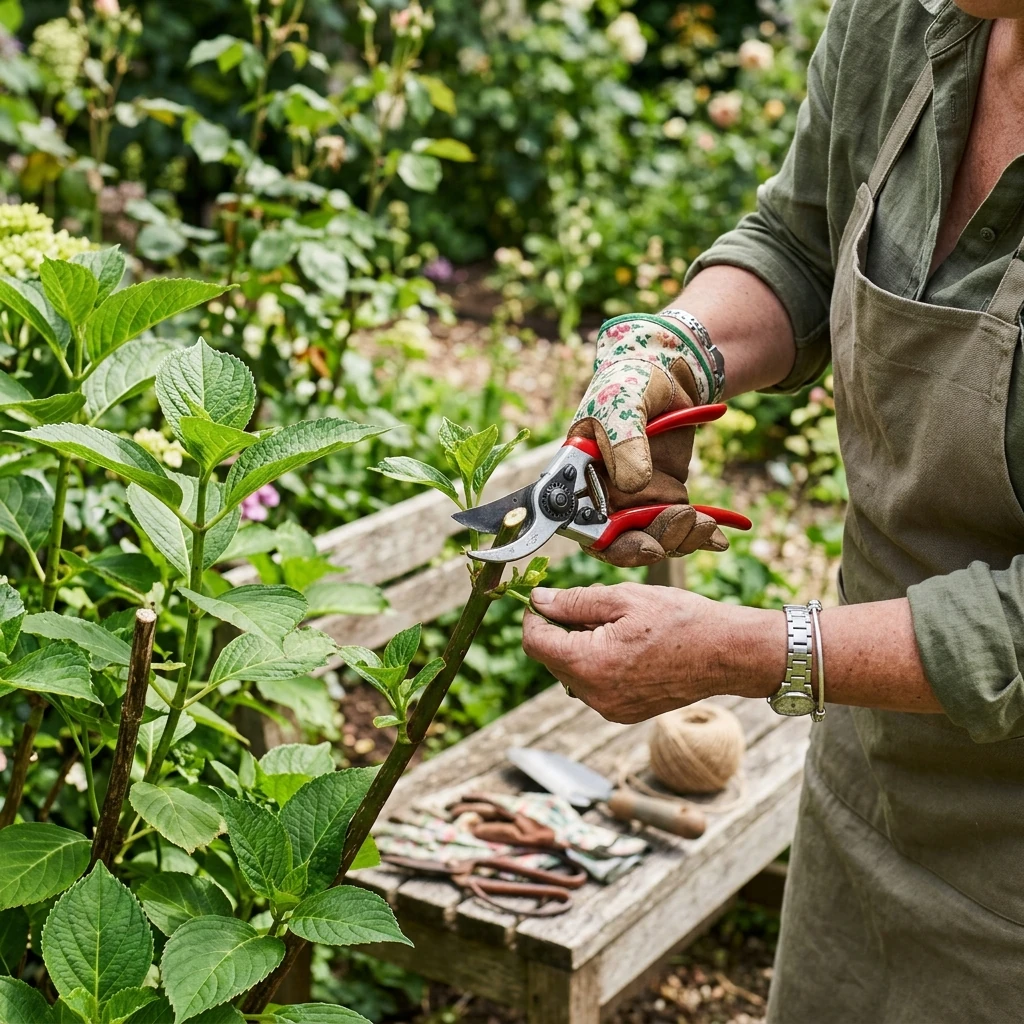
Use sharp, clean bypass pruners for stems up to 1.3 cm (0.5 in) thick. For thicker branches, use loppers or a pruning saw. Always clean your tools with rubbing alcohol or a bleach solution (10% bleach, 90% water) between plants to prevent disease spread. This is one of the most overlooked but essential steps.
4. Make the cut
For most pruning, cut just above a node or a healthy bud. The node is the point where leaves or side branches attach. Cut at a slight angle (about 45°) away from the bud to allow water to run off and prevent rot. Do not leave a long stub—it will die back and can be an entry point for disease. For removing entire branches, cut flush to the main stem, just outside the branch collar (the swollen area where the branch attaches).
5. Remove dead material
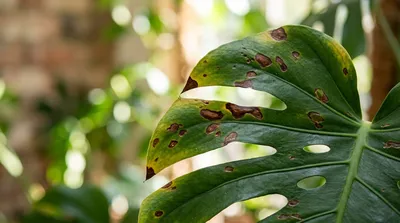
Start by cutting out dead, dying, or diseased wood. This is safe and always beneficial. Dead wood is often brown, brittle, and lacks green tissue underneath. Make clean cuts into healthy tissue below the affected area.
6. Thin and shape
After removing dead material, thin out crowded areas to improve air circulation and light penetration. For houseplants, remove long, leggy stems to encourage bushier growth. For outdoor shrubs, remove crossing branches that rub together. Step back frequently to maintain a balanced shape.
7. Hard pruning (if needed)
Some plants tolerate hard pruning—cutting back to a framework of main branches. This is common for shrubs like hydrangeas or roses but is risky for most houseplants. Only hard prune if the plant is vigorous, healthy, and you know it responds well to heavy cutting. For most plants, avoid removing more than 25–30% of the live foliage in one session.
8. Clean up and aftercare
Remove all pruned material from the pot or garden bed to prevent pests and disease. Do not fertilise immediately after pruning; give the plant time to recover. Water normally, and keep the plant in stable conditions to reduce stress.
Climate Considerations
Climate affects pruning timing and severity. In cold climates (USDA zones 3–5), prune in late winter or early spring before new growth starts, but after the coldest weather has passed. In mild climates (zones 8–10), you have a longer window. In Mediterranean climates, summer pruning can stress plants from heat; prune in autumn or spring instead. In humid climates, good airflow from pruning is especially important to prevent fungal diseases. In dry climates, be cautious about removing too much foliage that shades the plant from intense sun. For indoor plants, your home's heating and cooling cycles also matter—avoid pruning when the plant is stressed by drought, recent repotting, or temperature extremes.
| USDA Zone | Typical Climate | Best Pruning Window | Caution |
|---|---|---|---|
| 3–5 | Cold winter, short season | Late winter to early spring (before bud break) | Do not prune in late summer; new growth may not harden off |
| 6–7 | Moderate winter, longer season | Early spring | Avoid pruning in freezing weather; cut when dry |
| 8–9 | Mild winter, warm summers | Late winter or after flowering | Watch for early heat; prune early morning |
| 10+ | Warm to hot, mild winters | Winter (dormant season) or after bloom | Protect cuts from intense sun; avoid drought stress |
Seasonal Advice
Spring is the prime pruning season for many plants because growth is resuming and wounds heal quickly. For houseplants, spring pruning encourages a flush of new growth. Summer is good for light shaping and deadheading flowers (removing spent blooms) to promote reblooming. Autumn pruning is generally not recommended because cuts may not heal before dormancy and can invite disease. Winter is the time for dormant pruning of deciduous trees and shrubs; the absence of leaves makes the structure visible. For indoor plants, you can prune year-round if they are actively growing, but avoid pruning in late winter when light levels are lowest.
Common Mistakes
- Using dull or dirty tools—causes ragged cuts and spreads disease.
- Cutting too close to the main stem (damaging the branch collar) or too far from the node (leaving a stub).
- Removing more than 25–30% of the plant at once, causing shock.
- Pruning a stressed or newly repotted plant.
- Pruning in the wrong season, e.g., cutting spring-flowering shrubs in winter.
- Not cleaning tools between plants, especially if one is diseased.
- Being afraid to prune at all—leads to leggy, unproductive plants.
Maintenance Schedule
- Ongoing: Remove dead or yellowing leaves as soon as you see them; this is light pruning that is always safe.
- Spring (most plants): Perform major shaping and thinning; remove winter damage; prune summer-flowering shrubs.
- After flowering: Prune spring-flowering shrubs (e.g., lilac, forsythia) to shape.
- Early summer: Prune houseplants to encourage bushiness; pinch tips for branching.
- Winter: Prune dormant deciduous trees and shrubs; avoid pruning evergreens in freezing weather.
Buying Guide
Invest in a good pair of bypass pruners, not anvil pruners. Bypass pruners work like scissors, making a clean cut; anvil pruners crush the stem, which is more damaging. Brands like Felco, Corona, and Fiskars offer reliable options. Look for pruners with replaceable blades. For larger branches, you will need loppers (for branches up to 2.5–3.8 cm / 1–1.5 in) or a pruning saw. Also, buy a sharpening stone and rubbing alcohol for tool maintenance. Cost: $20–50 for a quality pruner, which will last years with care.
| Tool | Best For | Pros | Cons | Price Range |
|---|---|---|---|---|
| Bypass pruners | Stems up to 1.3 cm (0.5 in) | Clean cuts, good for live wood | Needs sharpening; more expensive than anvil | $20–50 |
| Anvil pruners | Dead wood, dry material | Crushes tough wood, good for dead branches | Can damage live tissue; not ideal for green growth | $15–30 |
| Loppers | Branches 1.3–3.8 cm (0.5–1.5 in) | Long handles for leverage | Heavier, less precise | $30–80 |
| Pruning saw | Branches over 3.8 cm (1.5 in) | Cuts thick wood cleanly | Slow to use; requires care | $25–60 |
| Micro-snips | Small herbs, fine stems | Precise, gentle on delicate plants | Not suitable for woody stems | $10–20 |
Expert Tips
Over the years, I have learned that it is better to under-prune than to over-prune. You can always cut more later. I also keep a spray bottle of rubbing alcohol next to me when pruning multiple plants, and I wipe the blades between each plant to prevent disease spread. For houseplants, I find that removing the top two leaves of a stem encourages branching and a fuller shape. For outdoor shrubs, I always cut back to a side branch facing outward to encourage an open, vase-like shape. Finally, do not be afraid of a little trial and error—plants are remarkably resilient, and most will forgive a poorly placed cut.
Common Myths
- Myth: You should paint cuts with sealant. Reality: Most plants heal better without sealant; it can trap moisture and pathogens.
- Myth: Pruning always stimulates growth. Reality: Light pruning stimulates branching; heavy pruning can set a plant back for years.
- Myth: You can prune anything in winter. Reality: Only dormant deciduous plants; evergreens and many houseplants suffer from winter pruning.
- Myth: Pruning is only for aesthetics. Reality: It improves plant health by removing diseased parts and increasing airflow.
- Myth: Cuttings from pruning are useless. Reality: Many houseplant prunings can be rooted in water or soil for free new plants.
When NOT To
- Do not prune a plant that is wilted, drought-stressed, or overwatered. Fix the water issue first.
- Do not prune a newly repotted plant—it needs time to establish roots.
- Do not prune in late autumn in cold climates—cuts may not heal before frost.
- Do not prune spring-flowering shrubs in winter—you will cut off the flower buds.
- Do not prune when the weather is extremely hot—additional stress can be fatal.
- Do not prune if you are unsure about the plant's response—research first or consult a local expert.
Decision Guide
| Plant Type | Pruning Time | Method | How Much |
|---|---|---|---|
| Houseplants (leafy) | Spring or early summer | Cut above nodes; pinch tips | Up to 25% of foliage |
| Houseplants (vining) | Year-round if growing | Cut back leggy stems; propagate cuttings | Up to 30% |
| Deciduous shrubs | Late winter/early spring | Remove dead wood; shape; thin crossing branches | Up to 33% for mature shrubs |
| Evergreen shrubs | Early summer | Light trimming; remove dead interior growth | Up to 20% |
| Spring-flowering shrubs | Immediately after bloom | Remove old canes; shape | Up to 25% |
| Roses | Late winter/early spring | Cut to outward-facing buds; remove dead wood | Up to 50% for hybrid teas |
| Fruit trees | Winter (dormant) | Open center; remove water sprouts; thin branches | Up to 20% annually |
Troubleshooting
| Problem | Likely Cause | Fix |
|---|---|---|
| Stems die back from cut point | Cut too far from node or disease | Recut below the dieback into healthy tissue; sterilise tools |
| No new growth after pruning | Pruned at wrong time or too much | Wait a full season; do not prune again; ensure proper watering |
| Excessive suckers (water sprouts) | Heavy pruning or stress | Remove most suckers; reduce pruning severity next time |
| Plant wilts after pruning | Loss of leaves reduces shade, causing water loss | Provide temporary shade; water gently; protect from wind |
| Fungal disease appears at cuts | Tools not sterilised or cuts made in wet weather | Remove infected parts; apply fungicide if severe; improve airflow |
Frequently Overlooked Facts
Many people do not realise that pruning can reduce pest problems by removing infested or overcrowded branches. Another overlooked fact is that you can use pruning to direct the shape of a plant by cutting to a bud facing the direction you want growth to go. Also, the time of day matters: prune in the morning when the plant is turgid, not in the heat of midday. Finally, not all pruning wounds need to be sealed; in fact, some sealants can trap moisture and encourage rot. Let most cuts dry naturally.
Summary
Pruning is a valuable skill that, when done correctly, keeps plants healthy, shapely, and productive. The golden rules are: use clean, sharp tools; cut just above a node; start by removing dead or diseased parts; and never remove more than 25–30% of live tissue in one go. Match your pruning to the plant's natural growth cycle and season. Do not be afraid—plants are resilient, and even small pruning efforts can yield big rewards. With practice and observation, you will develop the confidence to prune any plant without killing it.
Recommended next actions
Next Best Actions
Move from reading to action with related calculators, plant profiles, and quiz-based recommendations.
Guide
Beginner Botanical Toolkit: 10 Essential Growing Tools
After setting up over 1,000 beginner plant corners in western apartments, I'll share the 10 tools that actually matter—and which ones you can skip—so you don't waste money on useless gadgets.
Guide
How Often Should I Repot My Plants?
Repotting is not on a fixed calendar. This guide helps you spot when roots, soil, and growth tell you it is time for a larger pot or fresh mix. Learn the signs, timing, and technique.
Guide
New Plant Dropping Leaves? Causes and Fixes
Leaf drop after buying a plant is often a stress reaction, not a death sentence. This guide explains the common causes and how to help the plant settle into its new home with confidence.
Frequently Asked Questions
Where do I cut when pruning plants?
How much can I prune at one time?
Do I need special tools for pruning?
When is the best time to prune?
Can pruning help a damaged plant?
Will pruning stress my plant?
Can I prune my plant in winter?
What happens if I cut off all the leaves?
How do I prune a leggy plant?
Should I prune before or after repotting?
How do I prune flowers for more blooms?
Can I propagate from pruning cuttings?
Explore More