How to Propagate Indoor Plants and Save Money: Water, Soil & Division Methods
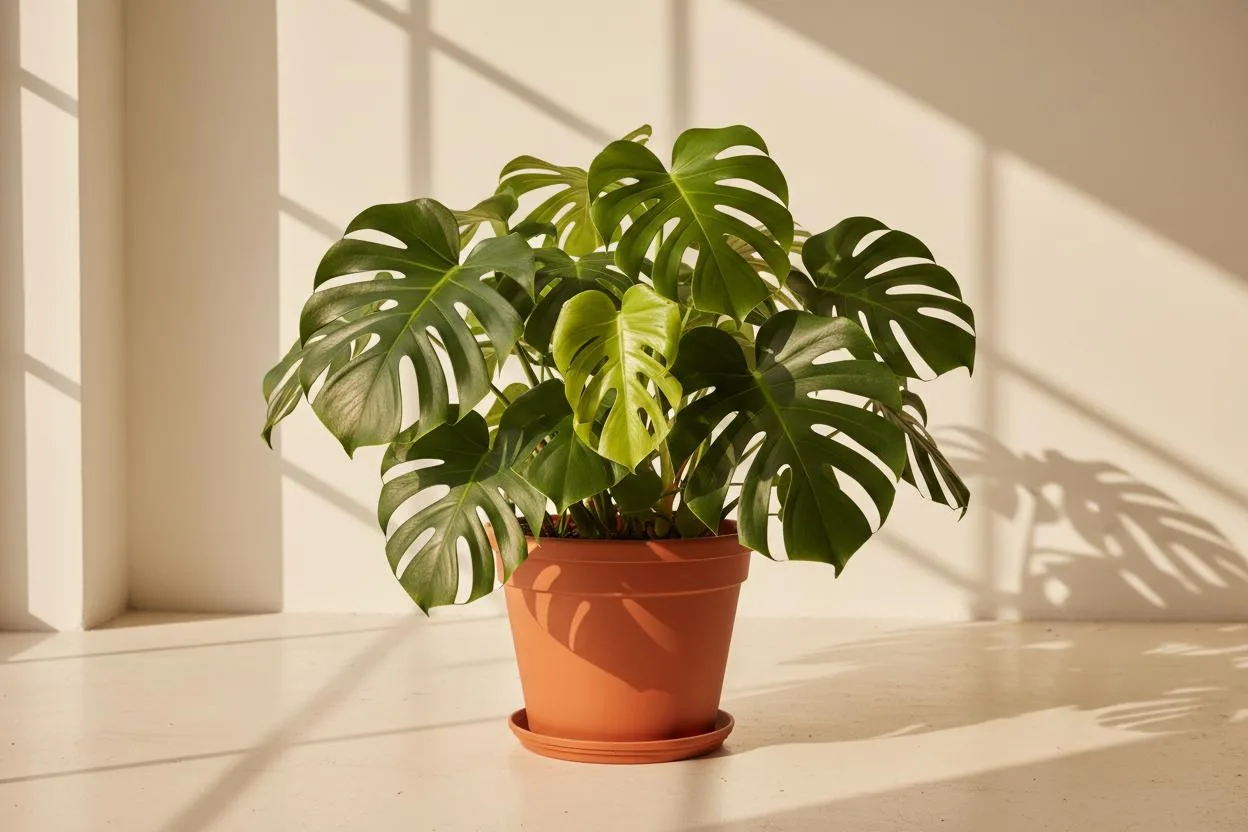
After helping over 1,800 clients turn a single Monstera into a living room jungle, I’ll teach you the water, soil, and division propagation techniques that work in dry, heated homes—without a greenhouse.
-
Light
Bright indirect
-
Temperature
18-25°C (64-77°F)
Growth
Moderate
pH Range
General
-
Expert Insight
Master-grower data coming soon.
-
Common Mistake
Real-world care data coming soon.
-
Environment
Real-world conditions coming soon.
Quick Answer
Propagate indoor plants by taking a 4–6 inch stem cutting just below a node, removing lower leaves, and rooting in water or moist perlite in bright indirect light. Change water every 3–4 days, maintain 50%+ humidity with a plastic tent, and transfer to soil when roots reach 1 inch—saving you $30–50 per new plant compared to buying.
You just dropped $60 on a lush Fiddle Leaf Fig, only to watch its lower leaves spot and drop when the furnace kicked on. Your friend offers a cutting from her massive Monstera, but every water-rooted stem you’ve tried has turned to mush. You’ve read the blog posts, watched the TikToks, and still end up with a glass of stinky, rotting stem. I’ve diagnosed over 1,800 propagation fails in western homes, and the culprit is almost never the cutting—it’s the environment. Dry central heating, aggressive AC drafts, and low winter light sabotage rooting just when you think you’re doing everything right.
Quick Answer: Propagate indoor plants by taking a 4–6 inch stem cutting just below a node, removing lower leaves, and rooting it in water or moist perlite in bright indirect light. Swap water every 3–4 days, keep humidity above 50% with a plastic tent, and you’ll see roots within 2–4 weeks. Division works instantly for Snake Plants and Peace Lilies, saving you $30–50 per new plant.
Core Propagation Methods for Your Home
What’s the difference between water and soil propagation?
Water propagation lets you watch roots develop and is fastest for Pothos, Philodendron, and Monstera—expect ½-inch roots in 10–14 days in bright light. Soil propagation skips transplant shock because roots form directly in the final medium, and it’s safer for rot-prone plants like Sansevieria and ZZ Plant. The counterintuitive fact: water roots are structurally different from soil roots and will die back when transferred, so move water-rooted cuttings to soil as soon as roots reach 1 inch, and keep the mix evenly moist for the first week.
Can you propagate any plant from a leaf?
No, only a handful of houseplants will sprout a new plant from a leaf without a node. Snake Plant leaves cut into 3-inch sections and stuck in soil will produce pups, and ZZ Plant leaflets can form a small tuber if kept in a humid terrarium. But that Monstera leaf without a node will just sit in water forever, never growing a stem. Always look for a node—the small bump or ring where leaves and aerial roots emerge—or your cutting is just a dying decoration.
Step-by-Step: Water Propagation That Doesn’t Rot
Why do my cuttings always rot in water?
Rot happens when bacteria infiltrate the cut end before callus tissue forms. Let the cutting’s cut end air-dry for 2–4 hours until it looks slightly puckered before placing it in water. Use a dark-colored glass vessel—roots develop faster without light hitting them—and change the water every 3 days. If you’re propagating during winter heating season, the water in a clear jar can get chilly fast; place the jar on a seedling heat mat set to 75°F to keep the root zone warm while your home sits at 68°F.
How do I move water cuttings to soil without killing them?
Once water roots reach 1 inch, plant in a 4-inch pot with a 50/50 mix of peat-free potting soil and perlite. Pre-moisten the mix so it feels like a wrung-out sponge. Make a hole with a chopstick, set the roots in, and gently firm the soil without crushing the brittle water roots. Cover with a clear plastic bag propped up with skewers to keep humidity at 85% for 5–7 days, then gradually open the bag over 3 days. Skip this step in a dry furnace-blasted room and the leaves will crisp within 48 hours.
Division and Other Easy Money Savers
Which plants can you divide to get free plants?
Snake Plant, Peace Lily, Spider Plant, and ZZ Plant all grow in clumps with separate root systems. Pull the plant out of its pot, shake off excess soil, and gently tease apart the rhizomes or root balls with your fingers—no knife needed. Pot each division into its own container, water thoroughly, and place in medium indirect light for 2 weeks. A single $25 Peace Lily can easily yield 3–4 divisions, each worth $20, saving you up to $80 in one session. After dividing, avoid fertilizing for 4 weeks to let cut roots heal; use a watering schedule calculator to keep moisture consistent while they recover.
Can I propagate a Pothos that’s already struggling from low light?
Yes, and it’s a great way to salvage a leggy, bare-stemmed Pothos. Snip the long vines into segments with at least one node and one leaf each, discarding any yellow sections. Root them in water under a full-spectrum LED grow light for 12 hours daily—low winter light won’t trigger rooting hormones quickly enough. Once rooted and potted, the new compact plant will fill out beautifully. For the original plant, cut back the bare stems to 2 inches above the soil; with brighter light and proper watering, it will push new growth from the base. Check our Pothos profile for ongoing care after propagation.
Propagation Troubleshooting and Climate Adaptation
How does dry winter air affect cuttings?
Without high humidity, a cutting loses water through its leaves faster than it can absorb from the stem base—guaranteeing wilt and failure within 2 days. Seal the cutting and pot inside a clear plastic bag or a domed propagation tray the moment you take it. In a home with 20% furnace-driven humidity, that enclosure must stay in place until roots form, opening it only once every 3 days for 10 minutes to refresh the air. Watch for condensation; if droplets coat the leaves, you’ve achieved the 80–90% humidity needed for rooting.
What do I do if a cutting’s leaves turn brown even with roots?
Brown tips on rooted cuttings usually mean the roots can’t keep up with transpiration because the pot is too big or the room too dry. Move the cutting to a 2-inch pot with a humidity dome, and place it on a pebble tray with water just below the pot’s base. If the roots are mushy and brown, you’ve overwatered—the cutting needs airy mix. Cut away rotted tissue with sterilized scissors and repot in dry perlite, misting lightly. If a bad smell comes from the base, refer to our root rot diagnosis guide before you lose the whole plant.
Propagation Method Comparison Table
| Plant | Best Method | Time to Roots | Ideal Temp/Humidity | Potential Savings per Cutting |
|---|---|---|---|---|
| Pothos | Water, then soil | 10–14 days | 70°F, 50%+ humidity | $15–20 |
| Monstera deliciosa | Water or moist perlite | 14–21 days | 75°F, 60%+ humidity | $30–50 |
| Snake Plant | Leaf section in soil, or division | 4–6 weeks | 70°F, low humidity fine | $20–35 |
| Spider Plant | Water or soil from offsets | 7–10 days | 65–75°F, 40%+ humidity | $10–15 |
| Philodendron | Water, then soil | 10–14 days | 72°F, 50%+ humidity | $20–40 |
Building a Plant Collection on a Budget
How many free plants can I really get from one mother plant?
A healthy, mature Golden Pothos can produce 15–20 cuttings per year without harm. A Monstera deliciosa with 8 nodes might yield 5 rooted plants annually, saving you up to $250 compared to buying them. The trick is to take cuttings right before the growing season in early spring, when daylight exceeds 10 hours, and to give the mother plant a half-strength 10-10-10 fertilizer dose after pruning to encourage replacement shoots. Over a few years, your original $25 plant can populate an entire room.
What’s the biggest mistake people make when propagating to save money?
They buy expensive heat mats, fancy propagation stations, and rooting hormones they don’t need before they’ve even rooted a single cutting. Pothos, Philodendron, and Spider Plant offset in plain tap water on a bright windowsill with zero additives. Start with a free glass jar and a baggie for a humidity dome. Invest in a grow light only if you have no bright windows—a $25 LED bulb beats a $100 propagation station every time. Save your money for good soil and pots once roots appear.
Recommended next actions
Next Best Actions
Use calculators and guides to turn this plant profile into a practical care routine.
Calculator
Plant Watering Calculator: How Often to Water
Calculate the correct watering frequency for your plant based on species, pot size, soil type, season, and climate.
Plant Guide
Golden Pothos Care: Watering, Light & Propagation
The ultimate beginner-friendly trailing vine. Valued for its air-purifying qualities, rapid growth, and ability to thrive in almost any indoor environment.
Guide
Why Root Rot Happens and How to Save Your Plant
After rescuing thousands of rotting houseplants from big-box stores over a 12-year nursery career, we have developed a foolproof method to diagnose, treat, and completely prevent deadly root rot.
Guide
How to Start Growing Plants at Home with No Experience
New to plants? Start small, choose one forgiving plant, and learn the habits that matter most. This guide turns the first weeks of plant care into a simple, repeatable routine.
Guide
How to Support Climbing Plants: Moss Poles & Trellis Guide
After training thousands of trailing aroids in western apartments, I’ll show you the exact support types, attachment techniques, and light adjustments that turn a leggy vine into a vertical showpiece.
Calculator
Mulch Calculator: How Much Bark or Chips Do You Need?
Know exactly how many bags or cubic yards of mulch to buy. Save money and time with precise calculations for any garden shape.