The Beginner Botanical Toolkit: What Equipment Do You Need to Grow Indoors?
After setting up over 1,000 beginner plant corners in western apartments, I'll share the 10 tools that actually matter—and which ones you can skip—so you don't waste money on useless gadgets.
Quick Answer
The essential beginner toolkit includes a moisture meter, a watering can with a narrow spout, a pair of bypass pruners, a set of nursery pots with drainage, a bag of perlite for soil drainage, a balanced 10-10-10 liquid fertilizer, a microfiber cloth for leaf cleaning, and a simple lux meter app on your phone. If your home gets less than 100 foot-candles of natural light, add a full-spectrum LED grow bulb. Start with these and expand only as your collection grows.
Key Takeaways
- Use a narrow-spout watering can and bypass pruners for precise, clean cuts.
- Employ a soil moisture probe or manual finger checks before watering.
- Choose containers with functional drainage holes and aerated potting substrates.
- Supplement ambient lighting with full-spectrum LED bulbs in dim spaces.
You walked out of the nursery with a gorgeous Monstera, a bag of potting soil, and a plastic pot—and then you realized you have no idea how to water it properly, if the light is enough, or what to do when a leaf turns yellow. I’ve equipped over 1,000 beginner plant corners in western flats, and most new plant parents either buy a dozen useless gadgets or nothing at all. The truth is, you only need about 10 core items to keep a plant healthy for years. These aren’t luxuries; they’re the difference between a plant that thrives and one you compost in three months. Here’s the exact toolkit, prioritized by what will save your plant first.
Monitoring and Measuring Tools
What basic equipment do I need for my first houseplant?
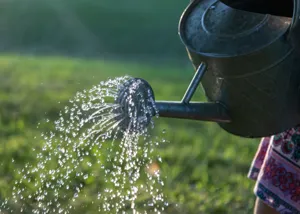
The absolute essentials are a moisture meter, a light meter (or a free phone app), a watering can with a long narrow spout, and a pot with drainage holes. The moisture meter eliminates guesswork; it’s the single most important tool to prevent overwatering. Our watering calculator will give you baseline watering intervals, but the meter confirms exactly when your plant is thirsty. A light meter app measures foot-candles so you can place your plant where it actually gets the light it needs. The watering can’s narrow spout lets you direct water at the soil, not the leaves, preventing crown rot. These four items cost under $30 total and will save you from the #1 cause of plant failure: too much water.
Why is a moisture meter better than using my finger?
Your finger can feel the top 2–5 cm (1–2 inches), but the root zone at the bottom of the pot may be soggy while the surface is dry—especially in centrally heated or air-conditioned homes where surface evaporation is rapid. A moisture meter probe reaches 15–20 cm (6–8 inches) deep, giving you an accurate reading of the entire root ball. For a 15 cm (6‑inch) pot, you insert it halfway. If the meter reads “moist” or “wet” on a scale of 1–10, you wait, even if the surface is bone‑dry. This alone prevents the chronic overwatering that causes root rot. For a plant showing rot signs despite using a meter, our root rot rescue guide explains exactly how to save it.
Light and Growth Essentials
Do I need a grow light if I have a bright window?
Possibly. A “bright” window to your eyes may measure only 50–100 foot‑candles (fc) with a lux meter, while most tropical plants need 200–800 fc for 8–12 hours to grow compactly. Use the Watering Calculator to get a sense of how light affects watering frequency—low light means slower soil drying. If your light meter shows less than 100 fc for most of the day, invest in a single full‑spectrum LED bulb (10–15 watts, 5000–6500K) and a simple clamp lamp or desk fixture. Place it 20–30 cm (8–12 inches) above the plant and run it 12 hours a day on a timer. This setup costs about $25 and can support a small collection.
Pots, Soil, and Maintenance
What size pot should I use for a new plant?
Choose a pot that is 2–5 cm (1–2 inches) larger in diameter than the nursery pot the plant came in. A pot that’s too large holds excess soil that stays wet and causes root rot. Terracotta is ideal for beginners because it breathes and dries quickly. Always ensure the pot has at least one drainage hole. Use a saucer to catch water, but empty it 30 minutes after watering. For a first plant like a Golden Pothos, a 15 cm (6‑inch) terracotta pot with a chunky soil mix (see below) is perfect; our Pothos care guide gives detailed potting and training advice for this forgiving species.
What should be in my potting mix for beginners?
A simple, well‑draining mix: 60% standard indoor potting soil, 30% perlite, and 10% orchid bark or coarse sand. This creates air pockets that roots need. Pre‑moisten the mix before potting. Over time, you can add worm castings for gentle nutrients, but start simple. Avoid moisture‑retentive peat‑only mixes, which become hydrophobic when dry. If your plant’s soil ever shrinks and pulls from the pot, it’s too peaty; use our Watering Calculator to adjust watering and consider repotting into a better mix.
Beginner Toolkit Table
| Tool | Purpose | Approximate Cost | Priority |
|---|---|---|---|
| Moisture meter | Check soil moisture at root level | $10–15 | Essential |
| Lux meter app (smartphone) | Measure light in foot‑candles | Free | Essential |
| Watering can (narrow spout) | Direct water to soil, not foliage | $10–20 | Essential |
| Bypass pruners | Trim dead leaves, take cuttings | $12–20 | High |
| Nursery pots (various sizes) | Drainage holes, root inspection | $1–3 each | Essential |
| Perlite (8‑quart bag) | Improve soil drainage | $6–10 | High |
| 10‑10‑10 liquid fertilizer | Balanced nutrition during growth | $10–15 | Medium (start after 1 month) |
| Microfiber cloth | Clean leaves, maximize light | $5 | Medium |
| LED grow bulb (10–15W) | Supplement low natural light | $15–25 | If light is below 100 fc |
Recommended next actions
Next Best Actions
Move from reading to action with related calculators, plant profiles, and quiz-based recommendations.
Topic Guide
Watering
Learn everything about watering for your indoor and aquarium plants. Expert care tips, troubleshooting, and related guides.
Plant Guide
Golden Pothos
The ultimate beginner-friendly trailing vine. Valued for its air-purifying qualities, rapid growth, and ability to thrive in almost any indoor environment.
Guide
Why Root Rot Happens and How to Save Your Plant
After rescuing thousands of rotting houseplants from big-box stores over a 12-year nursery career, we have developed a foolproof method to diagnose, treat, and completely prevent deadly root rot.
Frequently Asked Questions
What basic equipment do I need for my first houseplant?
Why is a moisture meter better than using my finger?
Do I need a grow light if I have a bright window?
What size pot should I use for a new plant?
What should be in my potting mix for beginners?
Explore More