Why Is My Plant Dropping Leaves Even Though I Just Bought It?
Leaf drop after buying a plant is often a stress reaction, not a death sentence. This guide explains the common causes and how to help the plant settle into its new home with confidence.
Quick Answer
New plants often drop leaves because of transport shock, a sudden change in light or humidity, watering mistakes (too much or too little), or general acclimation stress. The best response is to give the plant stable conditions—consistent light, temperature, and moisture—and avoid repotting or fertilizing immediately. Most leaf drop is temporary and the plant will recover with patience.
Key Takeaways
- Recognize minor leaf drop as normal acclimation shock after purchase.
- Maintain stable light, temperature, and moisture conditions in a fixed spot.
- Avoid repotting or fertilizing newly purchased plants for 2 to 4 weeks.
- Check the nursery soil moisture to ensure roots are neither bone-dry nor waterlogged.
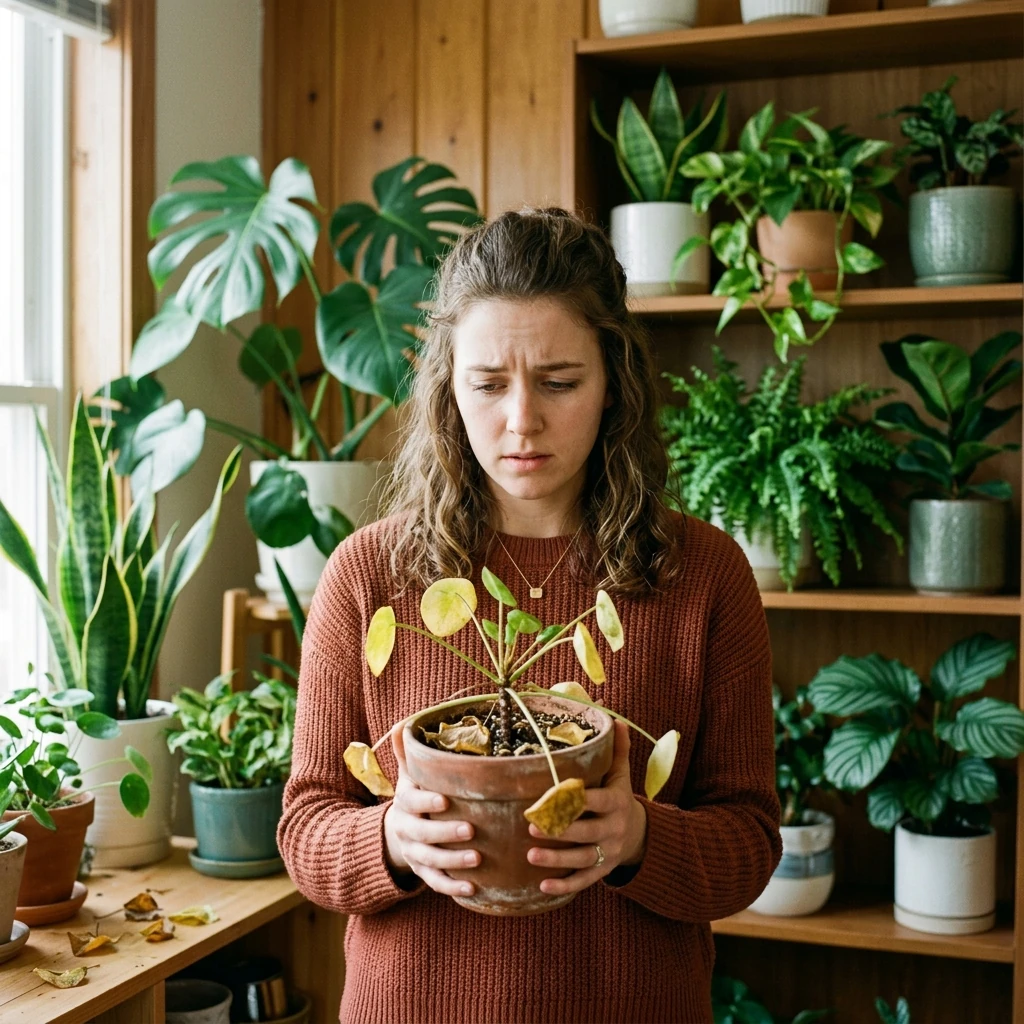
Leaf drop after bringing a plant home is common because the plant is reacting to a big change in environment. It may have moved from a greenhouse to a store shelf to your home, and each step changes light, humidity, temperature, and watering patterns. The plant is not always dying; it may simply be adjusting. When I brought home my first fiddle-leaf fig, I nearly had a heart attack when it dropped half its leaves in the first two weeks. I thought I had killed it. But with patience and stable care, it recovered and is now thriving years later. Leaf drop is often a temporary stress response, not a death sentence. This guide will walk you through the reasons, the science, and the steps to help your new plant settle in and recover.
Key Takeaways
- Leaf drop after purchase is usually due to environmental change, not a disease or mistake.
- The most common triggers: light change, humidity drop, temperature shift, and transport shock.
- Do not repot immediately—let the plant acclimate for 2–4 weeks first.
- Water only when the top 2.5–5 cm (1–2 in) of soil is dry; overwatering is a common reaction to panic.
- Place the plant in stable conditions and avoid moving it around.
- Do not fertilize a stressed plant; wait until you see new growth.
- Monitor for pests, but do not treat unless you see clear signs.
- Patience is key—recovery can take 2–6 weeks.
Introduction
You brought home that beautiful plant from the nursery, placed it in the perfect spot, and a few days later, leaves are turning yellow and dropping. It is frustrating and worrying. But you are not alone—this is one of the most common concerns among new plant owners. The good news is that in most cases, leaf drop is a normal reaction to the stress of relocation, not a sign that you have a 'black thumb.' Plants are living organisms that need time to adjust to new light levels, temperature, and humidity. Understanding why this happens and what to do about it will help you become a more confident plant parent. This guide covers all the possible causes, what to look for, and exactly how to respond.
Why It Matters
Leaf drop is not just a cosmetic issue; it is a plant's way of signaling stress. If you misinterpret the signal and overreact—by watering more, moving the plant, or fertilizing—you can make the problem worse. Many plants are lost not because of the initial stress, but because of the owner's well-meaning but misguided response. Understanding the reasons behind leaf drop helps you intervene appropriately, avoid panic, and give your plant the best chance to thrive. It also builds your confidence as a plant caregiver, knowing that a little patience and observation go a long way. Over time, you will learn to distinguish between normal acclimation and a serious problem.
Science Behind It
Plants perceive their environment through light, temperature, moisture, and touch. When you move a plant from a nursery or store to your home, it experiences a sudden shift in all these factors. Light intensity and duration change; the store may have had strong artificial light or a greenhouse with diffused sunlight, while your home may have less light. Temperature fluctuates during transport; humidity levels differ. These changes trigger a stress response. The plant produces stress hormones like ethylene, which can cause leaf abscission—the process of shedding leaves. This is a survival mechanism: the plant sacrifices some leaves to reduce water loss and energy expenditure, focusing resources on maintaining its roots and core functions. Additionally, if the plant was root-bound or had acclimated to frequent watering at the store, a change in watering routine can add further stress. Overwatering or underwatering in the new environment can also cause leaf drop. Understanding these physiological responses helps you realize that some leaf drop is expected and temporary.
Step-by-Step Guide
1. Stay calm and observe
When you see leaves falling, do not panic. Take a moment to observe the plant: which leaves are dropping? Are they old, lower leaves, or new ones? Is the rest of the plant still looking healthy? Often, only a few lower leaves are shed as the plant acclimates.
2. Check your plant's new environment
Assess light: place the plant in bright, indirect light if it is a tropical, or in the light condition recommended for its type. Avoid direct afternoon sun for most houseplants. Temperature: keep it away from drafts, air conditioning vents, heaters, and cold windows. Humidity: most houseplants prefer moderate to high humidity; consider grouping plants or using a humidifier.
3. Water appropriately
Check the soil moisture by inserting your finger about 2.5–5 cm (1–2 in) deep. If it is dry, water thoroughly until it drains out the bottom. If it is moist, wait a few days and check again. Do not water on a fixed schedule; water based on soil dryness. New plants are often stressed, so consistent but not excessive moisture is key.
4. Do not repot immediately
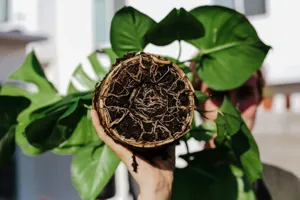
Unless the plant is severely root-bound or the soil is waterlogged, avoid repotting for at least 2–4 weeks. Repotting adds stress that can worsen leaf drop. Let the plant settle in its original pot first.
5. Hold off on fertilizing
A stressed plant cannot use fertilizer effectively, and excess salts can burn roots. Wait until you see new growth (usually 4–6 weeks) before feeding.
6. Move it once, then leave it
Choose a spot and keep the plant there. Moving it around repeatedly adds more stress. Stability is the best medicine.
7. Monitor for pests
Inspect leaves and stems for signs of pests (aphids, spider mites, scale). If you see them, treat accordingly, but do not treat prophylactically unless you are certain.
8. Be patient
Recovery takes time—sometimes weeks. If new growth appears, the plant is on the right track. If the leaf drop is excessive and you see no new growth after a month, re-evaluate your care.
Climate Considerations
Your local climate affects how your new plant acclimates. In winter, if you bring a plant home from a warm greenhouse to a cool, drafty house, the sudden temperature drop can cause leaf drop. In summer, moving a plant from an air-conditioned store to a hot balcony can shock it. In dry climates, low humidity can cause crispy leaf tips and drop. In humid climates, overwatering is more of a risk. In all cases, try to mimic the plant's preferred environment gradually. If you live in a very dry climate, use a humidifier. If you have a cold winter, keep plants away from windows and doors. For USDA zones, consider that plants purchased in spring may acclimate better to summer conditions than those bought in fall. The key is to minimize the shock by understanding your home's conditions.
| Factor | What Changes | How It Affects Plants | What to Do |
|---|---|---|---|
| Light | Intensity, duration, spectrum | Reduced photosynthesis, leaf drop | Place in bright, indirect light; avoid direct sun |
| Temperature | Nursery vs home, drafts | Stress, ethylene production | Keep stable (18–24°C / 65–75°F); avoid drafts |
| Humidity | Greenhouse humidity (60–80%) vs home (20–40%) | Leaf dehydration, drop | Use humidifier, pebble tray, or group plants |
| Watering | Change in frequency and volume | Over or under-watering stress | Check soil moisture before watering |
| Transport | Physical movement, temperature extremes | Physical damage, shock | Handle gently; avoid cold or hot car conditions |
Seasonal Advice
Spring and summer are generally easier seasons to buy new plants because light is abundant and temperatures are warmer. In autumn, plants are naturally slowing down; leaf drop may be more noticeable but is often just the plant's normal seasonal rhythm. In winter, cold drafts and dry indoor heating can cause leaf drop; be especially careful to place plants in stable, humid spots. If you buy a plant in winter, consider using a grow light to supplement low natural light. Avoid buying plants during extreme weather (very hot or cold) as transport shock is worse.
Common Mistakes
- Panicking and overwatering—this is the most common mistake.
- Repotting immediately, which adds stress.
- Moving the plant to a different spot every day.
- Fertilizing a stressed plant.
- Assuming leaf drop means the plant is dead—many plants regrow.
- Not checking for pests, which can cause leaf drop but are often overlooked.
Maintenance Schedule
- First week: Place in stable spot; water only if soil is dry; observe daily.
- First month: Continue stable care; do not fertilize or repot; check for pests weekly.
- After new growth appears: Resume normal care; consider feeding with diluted fertilizer.
- Ongoing: Maintain consistent watering; dust leaves; rotate pot monthly.
Buying Guide
When buying a new plant, choose a healthy specimen from a reputable nursery. Look for plants with firm, vibrant leaves and no visible pests. Avoid plants with yellowing, spots, or wilting. Ask the staff about the plant's care history—how often they watered, the light conditions, and the temperature. This information helps you replicate similar conditions. Transport the plant carefully, avoiding extreme temperatures. If you are buying online, check reviews and ensure the seller ships with care. Consider buying in spring or autumn for better acclimation.
| Symptom | Normal Acclimation? | Sign of Problem? | What to Do |
|---|---|---|---|
| Lower, older leaves yellowing and dropping | Yes | No | Leave them; it's natural |
| New leaves dropping or turning brown | No | Yes | Check watering, light, and humidity |
| Leaves dropping with spots or webbing | No | Yes (pests) | Inspect and treat for pests |
| Leaves turning yellow all over | Maybe (if new environment) | Yes (if persistent) | Check watering and light |
| Small amount of leaf drop (10–20%) | Yes | No | Monitor; stable care |
| Excessive leaf drop (50%+) | No | Yes | Re-evaluate all care factors; consider repotting if root rot |
Expert Tips
I have learned that the most important thing is to mimic the plant's previous environment as much as possible. If the nursery had it in bright indirect light, put it in similar light. If they watered weekly, stick to that until you see how the plant responds. Also, do not be afraid to remove fallen leaves from the pot to prevent fungal issues. If you are unsure about watering, a moisture meter can take the guesswork out. Finally, talk to your plant—it sounds silly, but it reminds you to check on it regularly and notice changes early.
Common Myths
- Myth: Leaf drop means you killed the plant. Reality: It often means the plant is adjusting; many recover.
- Myth: You should water a stressed plant more. Reality: Overwatering is more likely to kill it than underwatering.
- Myth: A plant that drops leaves is doomed. Reality: Plants can regrow leaves; be patient.
- Myth: You should fertilize to give the plant energy. Reality: Fertilizer salts can burn stressed roots; wait for new growth.
- Myth: All leaf drop is due to overwatering. Reality: It can also be underwatering, light change, or temperature shock.
When NOT To
- Do not repot a new plant immediately—it needs time to acclimate.
- Do not fertilize a stressed plant—wait until you see new growth.
- Do not move the plant around the room—stability reduces stress.
- Do not overwater—always check soil moisture first.
- Do not ignore the plant—but also do not over-fuss; a balance is needed.
Decision Guide
| Leaf Drop Severity | Plant Type | Recommended Action |
|---|---|---|
| Mild (under 20% leaves) | Any | Stable care; monitor; no intervention needed |
| Moderate (20–50%) | Tropicals (e.g., Ficus, Monstera) | Check light, humidity, watering; move to more stable spot; hold off on repotting |
| Moderate (20–50%) | Succulents | Reduce watering; ensure bright light; check for rot |
| Severe (50%+) | Any | Check roots for rot; repot if necessary; provide optimal conditions; be patient |
Troubleshooting
| Scenario | Likely Cause | Fix |
|---|---|---|
| Leaves turn yellow, feel soft, and drop | Overwatering | Stop watering; let soil dry; check for root rot |
| Leaves turn crispy, brown edges, and drop | Underwatering or low humidity | Water deeply; increase humidity |
| Leaves drop within 48 hours of bringing home | Transport shock | Place in stable spot; water lightly; wait |
| Leaves drop from the bottom, older leaves first | Normal acclimation | No action needed; it is expected |
| Leaves drop with white powdery spots | Powdery mildew or pests | Treat with fungicide; improve air circulation |
Frequently Overlooked Facts
Many people do not realize that plants can take weeks to fully acclimate; patience is essential. Also, the plant may drop leaves and then do nothing for a while before pushing new growth—this is normal. Another overlooked point is that plants from big-box stores are often treated with growth regulators and may react more strongly to being brought home. Finally, the pot size matters: if the nursery pot is small and the plant is root-bound, it may need repotting sooner, but wait a few weeks.
Common Myths
- Myth: You should cut off all yellow leaves immediately. Reality: Let them fall naturally; cutting can stress the plant.
- Myth: More light is always better. Reality: Direct sun can burn newly stressed plants; provide bright indirect light.
- Myth: New plants need a bigger pot to grow. Reality: Wait until they are established.
- Myth: Leaf drop is always a sign of root rot. Reality: It can be many things; check other factors first.
- Myth: Plants prefer constant attention. Reality: They prefer stable conditions; sometimes less is more.
Summary
Leaf drop in a newly purchased plant is usually a stress response to environmental change, not a sign of failure. By staying calm, providing stable conditions—consistent light, temperature, and moisture—and avoiding unnecessary interventions like repotting and fertilizing, you give your plant the best chance to acclimate and recover. Monitor the plant, water only when the soil is dry, and be patient. Most plants will bounce back and reward you with healthy growth. Remember, every plant parent experiences this; it is part of the learning curve. With time and observation, you will become more confident in diagnosing and caring for your plants.
Recommended next actions
Next Best Actions
Move from reading to action with related calculators, plant profiles, and quiz-based recommendations.
Guide
How Often Should I Repot My Plants?
Repotting is not on a fixed calendar. This guide helps you spot when roots, soil, and growth tell you it is time for a larger pot or fresh mix. Learn the signs, timing, and technique.
Guide
How to Keep Plants Alive While on Vacation: 7 Proven Methods
Before you leave, make watering easier, slow down drying, and reduce stress. This guide gives you simple vacation setups that work without hiring a plant sitter, from wick systems to humidity domes.
Guide
5 Best Entry-Level Plants for First-Time Owners
Having coached 2,000+ first-time plant owners across the US and Europe, I'll show you the 5 plants that forgive central heating, dim flats, and erratic watering—and how to keep them thriving.
Frequently Asked Questions
Why do plants drop leaves after purchase?
Is leaf drop normal for a new plant?
Should I repot a new plant right away?
How long does acclimation take?
What should I do first when a new plant drops leaves?
Can I save a plant that is dropping all its leaves?
How do I know if leaf drop is from overwatering or underwatering?
Will my plant grow new leaves after dropping them?
Should I fertilize a new plant that is dropping leaves?
Do plants drop leaves in winter after being brought inside?
Explore More