How Can I Keep My Plants Alive While on Vacation?
Before you leave, make watering easier, slow down drying, and reduce stress. This guide gives you simple vacation setups that work without hiring a plant sitter, from wick systems to humidity domes.
Quick Answer
Water thoroughly before leaving, move plants out of hot sun, group them together to hold humidity, and use self-watering methods if the trip is longer than a few days. For short trips (under 5 days), deep watering and moving to a cooler spot often works. For longer trips, use wick systems, drip bottles, or ask a trusted helper. Match the setup to how long you will be gone.
Key Takeaways
- Water thoroughly and move plants out of direct, intense window light.
- Cluster pots together on pebble trays to create a shared humidity pocket.
- Install capillary wicking cords or inverted bottle drippers for long absences.
- Arrange a trusted plant sitter for trips extending beyond 10 to 14 days.
Most plants can handle a short trip if you prepare them properly. The best strategy is to reduce stress before you leave and slow down how quickly the soil dries. Water deeply, move plants away from harsh sun, and group them so they hold humidity better together. I remember coming back from a two-week holiday to find my fern crisp and brown, while my snake plant was perfectly fine. That taught me that not all plants are equal—some are far more forgiving than others. Over the years, I have refined my approach to vacation plant care, and I have found that with a little planning, even a two-week trip does not have to be a death sentence for your green friends. This guide covers everything from simple preparation to advanced self-watering systems, so you can travel with peace of mind.
Key Takeaways
- Prepare plants 1–2 days before departure: water deeply, prune dead leaves, check for pests.
- Move plants away from bright, hot windows to slow evaporation.
- Group plants together to create a microclimate with higher humidity.
- For short trips (3–5 days), deep watering and relocation are usually enough.
- For longer trips, use self-watering methods: wick systems, drip bottles, or reservoir trays.
- Succulents and drought-tolerant plants can go 2–4 weeks without water with minimal prep.
- Do not fertilize before leaving; it stresses plants and increases salt build-up.
- If possible, have a trusted person check on plants for trips over 10 days.
Introduction
Planning a vacation is exciting, but for plant owners, it often comes with a nagging worry: who will water the plants? I used to dread packing because I knew my collection of ferns and calatheas would suffer. Over time, I developed a system that works for my schedule and my plants. The secret is not a single magic trick, but a combination of preparation, smart watering, and understanding your plants' needs. This guide will walk you through everything from assessing your plants' water requirements to setting up reliable self-watering systems. Whether you are going away for a weekend or a month, you will find practical, proven methods to keep your plants alive and thriving while you are gone.
Why It Matters
Leaving plants unattended without preparation often leads to stress, wilting, leaf drop, and sometimes death. The cost of replacing a large plant can be significant—a mature monstera or fiddle-leaf fig can cost $50–150 or more. Even if the plants survive, they may take weeks to recover, setting back their growth. Beyond the financial and emotional cost, a vacation should be a time to relax, not worry. Proper preparation ensures you return to healthy plants and a happy home. Additionally, if you have rare or sentimental plants, taking extra care is essential. By investing a little time before you leave, you avoid disappointment and unnecessary plant loss.
Science Behind It
Plants lose water through transpiration—the movement of water from roots to leaves and out through stomata (pores). The rate of transpiration depends on light intensity, temperature, humidity, and air movement. In bright light and warm temperatures, plants transpire faster and dry out the soil quickly. By moving plants to a cooler, shadier location and grouping them, you reduce transpiration and slow soil drying. Additionally, plants can absorb water through their leaves to some extent; grouping raises local humidity, reducing the moisture gradient and thus transpiration rate. When you water deeply before leaving, you fill the soil pores with water, and the plant can draw from this reserve. Self-watering systems use capillary action (wicking) or gravity to deliver water slowly, maintaining consistent moisture. Understanding these principles helps you choose the right strategies for your specific plants and conditions.
Step-by-Step Guide
1. Assess your trip duration
Define how many days you will be away. Short trips (1–5 days) require minimal preparation. Medium trips (6–10 days) need more robust methods. Long trips (11+ days) require advanced self-watering or a plant sitter. This is the most important step because it dictates your strategy. A snake plant can survive 3–4 weeks; a fern might struggle after a week.
2. Identify your plants' water needs
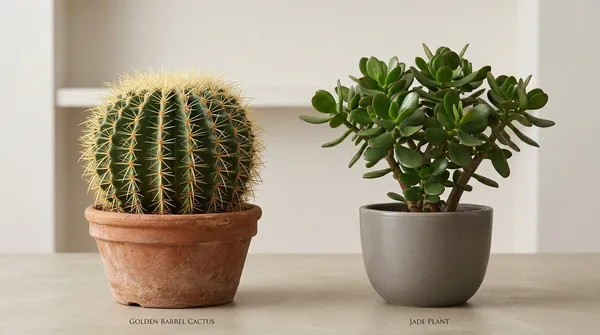
Group your plants by their watering preferences: succulents and cacti (low water), tropicals and ferns (high water), and moderate plants (medium). Succulents need the least attention; you can leave them for weeks. Tropicals need consistent moisture; they benefit most from self-watering. Make a list and plan accordingly.
3. Prepare plants 1–2 days before departure
Water each plant thoroughly until water drains out the bottom. This ensures the soil is fully saturated. Prune any yellow or dead leaves to reduce the plant's water demand. Check for pests and remove them; a stressed plant is more vulnerable. Do not fertilize—fertilizer can build up salts and stress roots while you are gone.
4. Relocate plants to a cooler, dimmer spot
Move plants away from south- or west-facing windows that receive strong direct sun. A north-facing window or a shelf further from the window is better. Lower light reduces transpiration, meaning plants lose water more slowly. For very sensitive plants, consider moving them to a bathroom (high humidity) if it is cool and has a window.
5. Group plants together
Place plants close together in a cluster. This raises the local humidity as each plant transpires, creating a microclimate. For even more humidity, place a shallow tray of water or wet pebbles among the group. This can extend the time before soil dries.
6. Set up self-watering methods
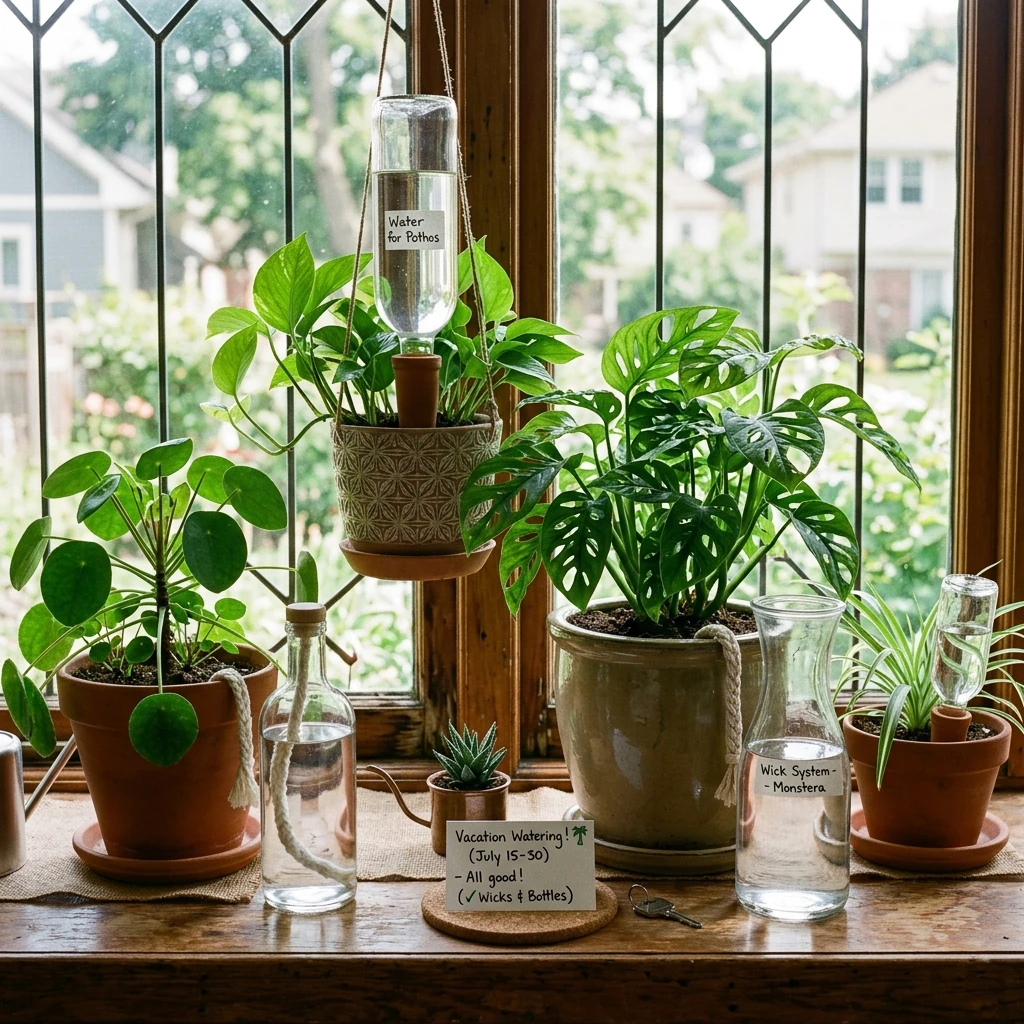
Choose a method based on trip length and plant type. For 5–10 days: use a wick system (a cotton or nylon rope running from a water reservoir to the soil) or a drip bottle (fill a plastic bottle with water, invert it into the soil). For 10+ days: consider a larger reservoir with multiple wicks, or ask a friend to check in. For very sensitive plants, a humidity dome (clear plastic bag or cloche) can trap moisture.
7. Leave a backup plan
For trips longer than a week, it is wise to have a trusted neighbour, friend, or plant sitter stop by. Leave clear instructions: what to water, how much, and when. Set out pre-measured water bottles or use a watering schedule on the fridge. Better yet, use a digital timer with a drip irrigation system if you have many plants.
8. On return, assess and care
Check plants immediately upon return. Water if soil is dry, prune any damaged leaves, and move them back to their usual spots. If a plant is severely wilted, water slowly and give it time to recover. Do not fertilize for at least a week to avoid shocking the stressed plant.
Climate Considerations
Your local climate significantly influences how quickly plants dry out. In hot, dry climates (southwestern US, Mediterranean summers), soil dries faster; you may need more robust self-watering even for short trips. In cool, humid climates (Pacific Northwest, UK, Ireland), soil dries more slowly; simple preparation may suffice. In continental climates with harsh winters, indoor heating dries the air; group plants and use humidity trays. In humid subtropical climates, you may need to watch for fungal issues if using covered methods. For USDA zones 3–5, winter indoor heating is the main concern; in zones 8–10, summer heat is the challenge. Always adjust your setup to your home's conditions, not just the calendar.
| Trip Duration | Succulents/Cacti | Tropical/High-Water Plants | Moderate Plants | Recommended Actions |
|---|---|---|---|---|
| 1–4 days | Water before, leave in place | Water before, move to cooler spot | Water before, move to cooler spot | Deep watering, relocate |
| 5–7 days | Water before, move | Deep water + wick system | Deep water + wick or drip bottle | Wick or bottle system |
| 8–14 days | Deep water, move | Wick + large reservoir or sitter | Wick system + reservoir | Advanced wick or sitter |
| 15+ days | Wick system (optional) | Plant sitter required | Plant sitter or large reservoir | Sitter or automated drip |
Seasonal Advice
In summer, days are longer and hotter, and plants transpire more. Move plants away from south- and west-facing windows. In winter, indoor heating dries the air, but light is lower; water needs may be reduced. However, dry air can be just as challenging. Group plants and use humidity trays in winter. In spring and autumn, conditions are often milder; a simple deep watering may be enough for short trips. Always check the weather forecast before leaving—a heatwave while you are away can accelerate drying. If a heatwave is predicted, use more robust self-watering methods.
Common Mistakes
- Overwatering just before leaving—waterlogged soil can cause root rot while you are away.
- Forgetting to move plants out of direct sun—drying happens much faster.
- Leaving plants in standing water—risks suffocating roots.
- Fertilizing before departure—stresses the plant and causes salt build-up.
- Not testing self-watering systems before leaving—they may clog or fail.
- Assuming all plants have the same water needs—succulents and ferns are very different.
- Not leaving a contact number for a plant sitter—clear instructions prevent mistakes.
Maintenance Schedule
- Before leaving (2 days): Water deeply, prune dead leaves, move plants to cooler spot, set up self-watering, test systems.
- During trip: If using a sitter, have them check on a schedule; if no sitter, trust your setup.
- Upon return (same day): Check soil moisture, water if needed, prune any damage, move plants back gradually.
- 1 week after return: Resume normal fertilizing schedule if plants are recovering well.
Buying Guide
For self-watering, you can buy pre-made kits (wicks, drip spikes, or self-watering pots). These cost $10–30 for a set. Alternatively, you can DIY with cheap materials: cotton rope, plastic bottles, and a container. For larger collections, consider a battery-operated timer for a drip irrigation system ($30–60). Humidity domes or cloches are useful for ferns and calatheas ($10–25). If you have many high-maintenance plants, a plant sitter service ($20–50 per visit) may be worth it for peace of mind. You can also buy smart watering sensors that alert you via app, but these are more expensive ($50–100).
| Method | How It Works | Best For Duration | Cost | Setup Time | Effectiveness |
|---|---|---|---|---|---|
| Deep watering + relocation | Water before leaving, move to cooler spot | 1–5 days | $0 | 5 minutes | Moderate (low) for short trips |
| Wick system | Cotton rope pulls water from reservoir | 5–14 days | $2–10 | 15 minutes | High for slow-release |
| Drip bottle (inverted) | Plastic bottle with holes drips into soil | 3–10 days | $0–5 | 10 minutes | Moderate (can clog) |
| Self-watering pot | Built-in reservoir with wicking action | 7–14 days | $15–30 | 5 minutes | High, consistent |
| Humidity dome (bag) | Clear plastic traps moisture | 3–14 days | $0–5 | 5 minutes | High for humidity lovers |
| Plant sitter | Person waters on schedule | Any duration | $20+/visit | 0 (requires coordination) | Very high (if reliable) |
| Automated drip timer | Programmable valve irrigates on schedule | Any duration | $30–60+ | 30 minutes | Very high |
Expert Tips
After many holidays, I have found that the most reliable method for a week-long trip is a combination of a wick system and grouping. I use cotton rope wicks—one end in a water jug, the other pushed into the soil—and I move all my plants into a single room with a north-facing window. This has never failed me. For longer trips, I ask a neighbour to come twice a week and leave pre-measured water in labelled bottles so they do not overwater. Also, I always test the wick setup a few days before leaving to ensure it works and does not drown the plant. Finally, I prune any flowers or buds on plants like African violets—they consume a lot of water, and removing them reduces water demand.
Common Myths
- Myth: You should water all plants heavily just before leaving. Reality: Some plants, like succulents, do not need extra water; overwatering can be fatal.
- Myth: A self-watering pot means you never need to check. Reality: They still need refilling and maintenance; they are not magic.
- Myth: Misting plants before you leave is enough. Reality: Misting only briefly raises humidity; it does not water the roots.
- Myth: You can leave plants in a bathtub of water. Reality: Prolonged submersion causes root rot; use wicks instead.
- Myth: All plants can survive two weeks with a simple wick. Reality: High-water plants like ferns may need a sitter for two weeks.
When NOT To
- Do not use a wick system for plants that need to dry out between waterings (like succulents), as it keeps soil consistently moist.
- Do not leave plants in direct sun even if you have a self-watering system—heat can still damage leaves.
- Do not rely on a single method for a diverse collection—different plants need different care.
- Do not leave a plant sitting in a tray of water for more than a day—roots can rot.
- Do not go on a long trip without a backup plan—if your system fails, you need a sitter.
Decision Guide
| Your Trip Duration | Your Plant Type | Recommended Strategy | Why It Works |
|---|---|---|---|
| 1–4 days | Any | Deep water + move to cooler spot | Plants have enough reserve for a few days |
| 5–7 days | Succulents | Water before, move to cooler spot | They store water and need little intervention |
| 5–7 days | Tropicals | Wick system + grouping + cooler spot | Wick provides steady moisture; grouping adds humidity |
| 8–14 days | Succulents | Wick system (optional) or just water before | They can survive this long with minimal water |
| 8–14 days | Tropicals | Wick with large reservoir + humidity dome + sitter backup | Wicks and domes extend moisture; sitter provides insurance |
| 15+ days | Any | Plant sitter or automated drip irrigation | Too long to rely on passive systems |
Troubleshooting
| Problem | Likely Cause | Solution |
|---|---|---|
| Plant wilted on return | Not enough water or too much sun | Water immediately and slowly; move to a shady spot |
| Yellowing leaves on return | Overwatering while away or root rot | Allow soil to dry; check roots; cut off damaged roots |
| Soil still wet after a week | Wick or reservoir over-watered | Remove the wick; let soil dry; ensure good drainage |
| Plant has pests on return | Stressed plants attract pests | Isolate; treat with insecticidal soap; check other plants |
| Fungus gnats on return | Too much moisture or stagnant water | Let soil dry; use sticky traps; reduce future watering |
Frequently Overlooked Facts
Many people do not realise that the size of the pot affects drying time—small pots dry faster than large ones. Also, terracotta pots dry faster than plastic; move terracotta to a cooler spot or water more before leaving. Another overlooked fact is that plants in the same room can have very different water needs; group by needs. Finally, a slightly stressed plant is more resilient than one in perfect, pampered condition—do not overdo care just before you go; a moderate approach is safer.
Summary
Keeping plants alive while on vacation is achievable with the right preparation. Assess your trip length, understand your plants' water needs, water thoroughly before leaving, move plants to a cooler spot, group them for humidity, and use self-watering methods for longer trips. For trips over 10 days, consider a plant sitter or automated system. Avoid common mistakes like over-fertilizing, overwatering before leaving, or leaving plants in direct sun. With a little planning, you can enjoy your vacation and return to healthy, happy plants.
Recommended next actions
Next Best Actions
Move from reading to action with related calculators, plant profiles, and quiz-based recommendations.
Guide
How to Fix an Overwatered Plant: Step-by-Step Recovery
Learn how to fix an overwatered plant, with or without repotting. This guide covers immediate triage, root-damage checks, recovery, and prevention.
Guide
How Often Should I Repot My Plants?
Repotting is not on a fixed calendar. This guide helps you spot when roots, soil, and growth tell you it is time for a larger pot or fresh mix. Learn the signs, timing, and technique.
Guide
5 Best Entry-Level Plants for First-Time Owners
Having coached 2,000+ first-time plant owners across the US and Europe, I'll show you the 5 plants that forgive central heating, dim flats, and erratic watering—and how to keep them thriving.
Frequently Asked Questions
How long can plants go without water?
What is the best self-watering method for vacation?
Should I move plants out of the sun before traveling?
Can I leave plants with a water bath?
Do plants need fertilizer before I go away?
How do I water plants while on vacation for 2 weeks?
Can I use a plastic bag to keep plants moist?
Should I ask a friend to water my plants while away?
What plants survive the longest without water?
How do I prepare my plants before vacation?
Explore More