Aphids
Aphids are among the most common garden and houseplant pests, reproducing rapidly and capable of producing multiple generations within just a few weeks under favorable conditions. They feed by tapping into a plant's vascular system to extract sap, weakening growth over time. Beyond direct feeding damage, aphids can transmit plant viruses and produce sticky honeydew that promotes sooty mold growth on leaf surfaces. Early detection and consistent treatment prevent small colonies from becoming widespread infestations.
Quick Answer
Aphids are small, soft-bodied insects that colonize stems, leaves, and flowers, feeding by extracting sap through the vascular system. Signs include stunted growth, curled or distorted leaves, and sticky honeydew residue. Insecticidal soap or a strong water spray applied regularly controls most infestations before populations multiply.
What Is Aphids?
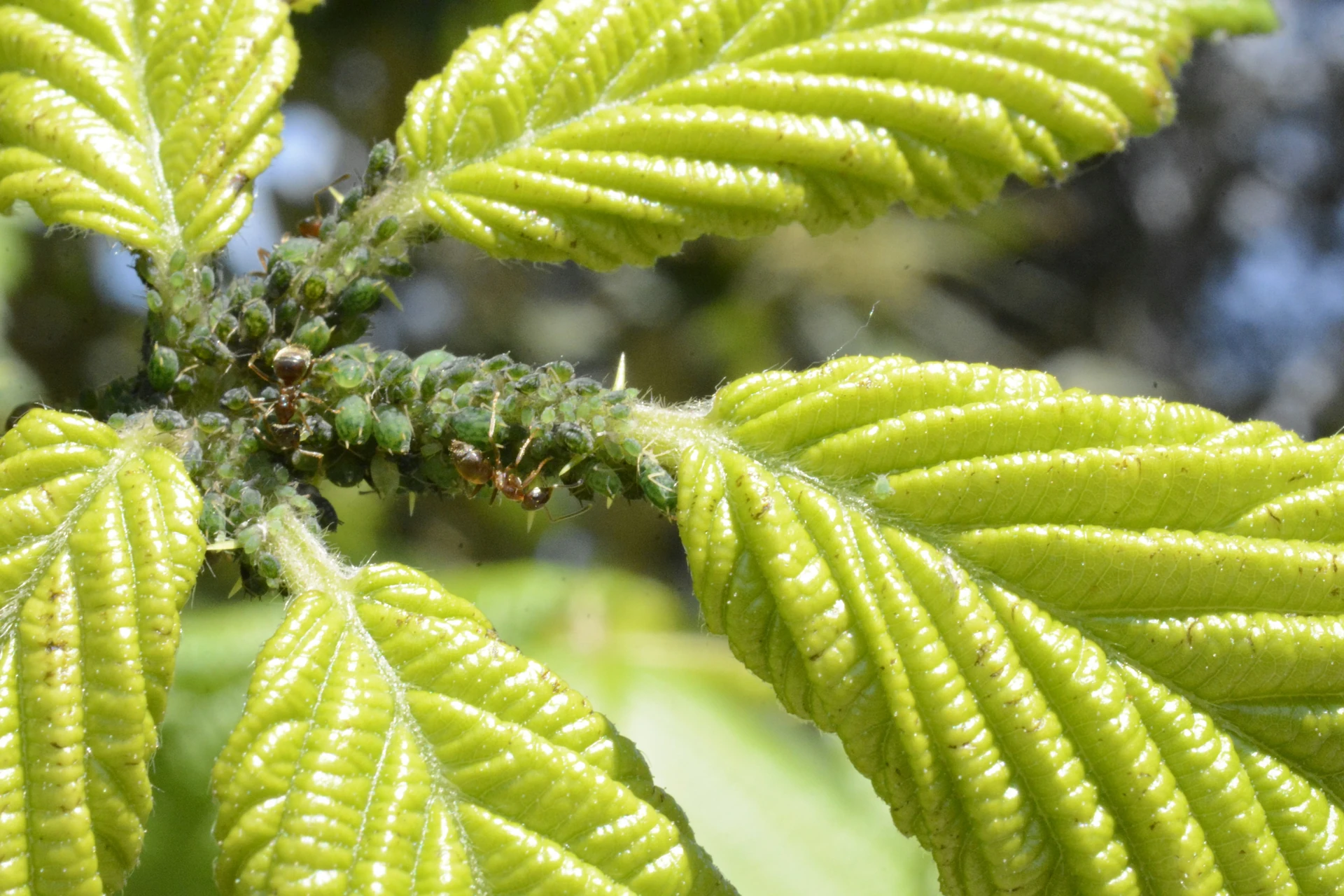
Aphids are small, soft-bodied insects that feed on plants, typically found in colonies on the stems, leaves, and flowers. They are one of the most common and destructive pests in gardens, greenhouses, and agricultural fields. Aphids are usually between 1-10 millimeters in length, with a pear-shaped body and long, slender mouthparts. They can be various colors, including green, yellow, white, and black, depending on the species and the plant they are feeding on. Aphids reproduce rapidly, with some species able to produce multiple generations in a matter of weeks, making them a significant threat to plant health.
The underlying botanical science behind aphid infestations is rooted in the insect's ability to tap into the plant's vascular system, using their mouthparts to extract sap and other nutrients. This can lead to a range of problems, including stunted growth, curled or distorted leaves, and reduced yields. Additionally, aphids can transmit plant viruses and other diseases, further exacerbating the damage. As a result, it is essential for gardeners and farmers to understand the risks associated with aphid infestations and take proactive steps to prevent and manage them.
Aphids are a significant concern for plant health because they can cause direct damage to the plant, as well as transmit diseases and viruses. In addition, aphid infestations can attract other pests, such as ants and bees, which can further exacerbate the problem. Therefore, it is crucial to monitor plants regularly for signs of aphid activity and take prompt action to control infestations.
Signs and Symptoms
- Curled or distorted leaves
- Stunted or slowed growth
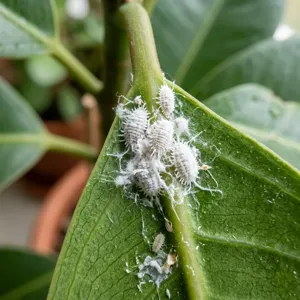
- Presence of white, cottony patches on the underside of leaves
- Honeydew droplets on the leaves or soil
- Presence of ants or other insects near the affected area
- Yellowing or browning of leaves
Step-by-Step: How to Treat Aphids
- Inspect the plant thoroughly, looking for signs of aphid activity, such as curled leaves or honeydew droplets, at a temperature range of 65-75°F (18-24°C) and humidity level of 40-60%.
- Isolate the infested plant to prevent the aphids from spreading to other plants, maintaining a distance of at least 3 feet (90 cm) between plants.
- Prune any heavily infested areas, cutting back the plant by 1/3 to 1/2, and dispose of the pruned material in a sealed bag to prevent the aphids from escaping.
- Apply a gentle stream of water, at a pressure of 10-20 psi, to dislodge the aphids from the plant, making sure to spray the underside of the leaves and the soil surface.
- Mix a solution of 1 tablespoon (15 ml) of mild dish soap with 1 quart (1 liter) of water, and spray the plant, making sure to cover all surfaces, at a temperature range of 70-80°F (21-27°C) and humidity level of 50-70%.
- Repeat the soap solution treatment every 3-4 days, for a total of 2-3 treatments, to ensure that all aphid stages are targeted, and maintain a consistent temperature range of 65-75°F (18-24°C) and humidity level of 40-60%.
- Monitor the plant closely for signs of re-infestation, checking for aphids every 7-10 days, and take prompt action if necessary, adjusting the treatment schedule as needed to maintain a pest-free environment.
Best Practices and Pro Tips
- Inspect Regularly: Check plants every 7-10 days for signs of aphid activity, at a temperature range of 65-75°F (18-24°C) and humidity level of 40-60%.
- Use Neem Oil: Mix 2 tablespoons (30 ml) of neem oil with 1 quart (1 liter) of water, and spray the plant, making sure to cover all surfaces, at a temperature range of 70-80°F (21-27°C) and humidity level of 50-70%.
- Encourage Beneficial Insects: Attract natural predators, such as ladybugs and lacewings, by planting a diverse range of flowers and herbs, maintaining a temperature range of 65-75°F (18-24°C) and humidity level of 40-60%.
- Use Physical Barriers: Cover plants with fine-mesh row covers, with a mesh size of 0.1-0.5 mm, to prevent aphids from reaching the plant, maintaining a temperature range of 65-75°F (18-24°C) and humidity level of 40-60%.
- Practice Good Hygiene: Dispose of any infested plant material, and wash hands and tools thoroughly, using soap and water at a temperature range of 100-110°F (38-43°C), to prevent the spread of aphids.
Quick Reference Table
| Factor | Recommended Range | Why It Matters |
|---|---|---|
| Temperature | 65-75°F (18-24°C) | Affects aphid reproduction and activity |
| Humidity | 40-60% | Influences aphid development and survival |
| Soap Concentration | 1-2 tablespoons (15-30 ml) per quart (liter) | Affects efficacy of soap solution treatment |
| Water Pressure | 10-20 psi | Influences effectiveness of water spray treatment |
| Treatment Interval | 3-4 days | Affects timing of repeat treatments |
Plants Most Susceptible to Aphids
Rose plants (Rosa spp.) are highly susceptible to aphid infestations, particularly the hybrid tea and floribunda varieties. These plants are often grown in greenhouses and gardens, where aphids can thrive in the warm and humid conditions. Aphids can cause significant damage to rose plants, including curled leaves and reduced flower production. Another plant that is often affected by aphids is the apple tree (Malus domestica). Aphids can feed on the sap of apple trees, causing stunted growth and reduced fruit production. The potato plant (Solanum tuberosum) is also a common host for aphids, which can transmit diseases such as potato virus X. The tomato plant (Solanum lycopersicum) is another popular garden plant that is often infested with aphids, which can cause curled leaves and reduced fruit production. The cucumber plant (Cucumis sativus) is also susceptible to aphid infestations, which can cause stunted growth and reduced yields. The zucchini plant (Cucurbita pepo) is another summer squash that is often affected by aphids, which can cause curled leaves and reduced fruit production. As we explain in our Fungus Gnats guide, fungus gnats can also be a problem for plants that are infested with aphids. Additionally, our Mealybugs article provides more information on how to control mealybugs, which can also be a problem for plants that are infested with aphids. See our Spider Mites guide for a deeper look at how to control spider mites, which can also be a problem for plants that are infested with aphids.
Common Mistakes to Avoid
- Overwatering: Can lead to aphid infestations, as aphids thrive in moist environments, with a humidity level above 60%.
- Underwatering: Can stress plants, making them more susceptible to aphid infestations, with a soil moisture level below 20%.
- Not Inspecting Regularly: Can lead to aphid infestations going unnoticed, with a temperature range of 65-75°F (18-24°C) and humidity level of 40-60%.
- Not Using Physical Barriers: Can allow aphids to reach the plant, with a mesh size of 0.1-0.5 mm, and a temperature range of 65-75°F (18-24°C) and humidity level of 40-60%.
- Not Practicing Good Hygiene: Can lead to the spread of aphids, with a soap concentration of 1-2 tablespoons (15-30 ml) per quart (liter), and a water temperature range of 100-110°F (38-43°C).
What is the success rate of treating aphids with soap solution?
The success rate of treating aphids with soap solution can be as high as 90%, if the treatment is applied correctly, with a soap concentration of 1-2 tablespoons (15-30 ml) per quart (liter), and a temperature range of 70-80°F (21-27°C) and humidity level of 50-70%. However, the success rate can be lower if the infestation is severe or if the treatment is not repeated as necessary, with a treatment interval of 3-4 days.
What is the best season to treat aphids?
The best season to treat aphids is in the spring, when the aphid population is typically at its lowest, with a temperature range of 65-75°F (18-24°C) and humidity level of 40-60%. However, aphids can be present year-round, and treatment may be necessary at any time, with a treatment interval of 3-4 days.
Is it mandatory to use neem oil to treat aphids?
No, it is not mandatory to use neem oil to treat aphids, but it can be an effective addition to a treatment plan, with a neem oil concentration of 2 tablespoons (30 ml) per quart (liter), and a temperature range of 70-80°F (21-27°C) and humidity level of 50-70%. Other treatments, such as soap solution and physical barriers, can also be effective, with a soap concentration of 1-2 tablespoons (15-30 ml) per quart (liter), and a mesh size of 0.1-0.5 mm.
What aftercare is necessary after treating aphids?
After treating aphids, it is essential to monitor the plant closely for signs of re-infestation, checking for aphids every 7-10 days, and take prompt action if necessary, adjusting the treatment schedule as needed to maintain a pest-free environment, with a temperature range of 65-75°F (18-24°C) and humidity level of 40-60%. Additionally, it is crucial to maintain good hygiene practices, such as disposing of any infested plant material and washing hands and tools thoroughly, using soap and water at a temperature range of 100-110°F (38-43°C).
How do I troubleshoot if the treatment is not working?
If the treatment is not working, it may be necessary to adjust the treatment plan, such as increasing the frequency of treatments, with a treatment interval of 3-4 days, or using a combination of treatments, such as soap solution and neem oil, with a soap concentration of 1-2 tablespoons (15-30 ml) per quart (liter), and a neem oil concentration of 2 tablespoons (30 ml) per quart (liter). It is also essential to ensure that the treatment is being applied correctly, with a temperature range of 70-80°F (21-27°C) and humidity level of 50-70%, and that the plant is receiving adequate care, including proper watering and fertilization, with a soil moisture level of 20-40% and a fertilizer concentration of 10-20%.
Frequently Asked Questions
What is the success rate of treating aphids with soap solution?
The success rate of treating aphids with soap solution can be as high as 90%, if the treatment is applied correctly, with a soap concentration of 1-2 tablespoons (15-30 ml) per quart (liter), and a temperature range of 70-80°F (21-27°C) and humidity level of 50-70%. However, the success rate can be lower if the infestation is severe or if the treatment is not repeated as necessary, with a treatment interval of 3-4 days.
What is the best season to treat aphids?
The best season to treat aphids is in the spring, when the aphid population is typically at its lowest, with a temperature range of 65-75°F (18-24°C) and humidity level of 40-60%. However, aphids can be present year-round, and treatment may be necessary at any time, with a treatment interval of 3-4 days.
Is it mandatory to use neem oil to treat aphids?
No, it is not mandatory to use neem oil to treat aphids, but it can be an effective addition to a treatment plan, with a neem oil concentration of 2 tablespoons (30 ml) per quart (liter), and a temperature range of 70-80°F (21-27°C) and humidity level of 50-70%. Other treatments, such as soap solution and physical barriers, can also be effective, with a soap concentration of 1-2 tablespoons (15-30 ml) per quart (liter), and a mesh size of 0.1-0.5 mm.
What aftercare is necessary after treating aphids?
After treating aphids, it is essential to monitor the plant closely for signs of re-infestation, checking for aphids every 7-10 days, and take prompt action if necessary, adjusting the treatment schedule as needed to maintain a pest-free environment, with a temperature range of 65-75°F (18-24°C) and humidity level of 40-60%. Additionally, it is crucial to maintain good hygiene practices, such as disposing of any infested plant material and washing hands and tools thoroughly, using soap and water at a temperature range of 100-110°F (38-43°C).
How do I troubleshoot if the treatment is not working?
If the treatment is not working, it may be necessary to adjust the treatment plan, such as increasing the frequency of treatments, with a treatment interval of 3-4 days, or using a combination of treatments, such as soap solution and neem oil, with a soap concentration of 1-2 tablespoons (15-30 ml) per quart (liter), and a neem oil concentration of 2 tablespoons (30 ml) per quart (liter). It is also essential to ensure that the treatment is being applied correctly, with a temperature range of 70-80°F (21-27°C) and humidity level of 50-70%, and that the plant is receiving adequate care, including proper watering and fertilization, with a soil moisture level of 20-40% and a fertilizer concentration of 10-20%.
Explore More
Related Topics
Related Plant Guides
No specific plant guides found matching this topic.
Recommended next actions
Continue Exploring
Dive deeper into related plant care tools and profiles.
Topic Guide
Fungus Gnats
Learn everything about fungus gnats for your indoor and aquarium plants. Expert care tips, troubleshooting, and related guides.
Topic Guide
Mealybugs
Learn everything about mealybugs for your indoor and aquarium plants. Expert care tips, troubleshooting, and related guides.
Topic Guide
Spider Mites
Learn everything about spider mites for your indoor and aquarium plants. Expert care tips, troubleshooting, and related guides.